
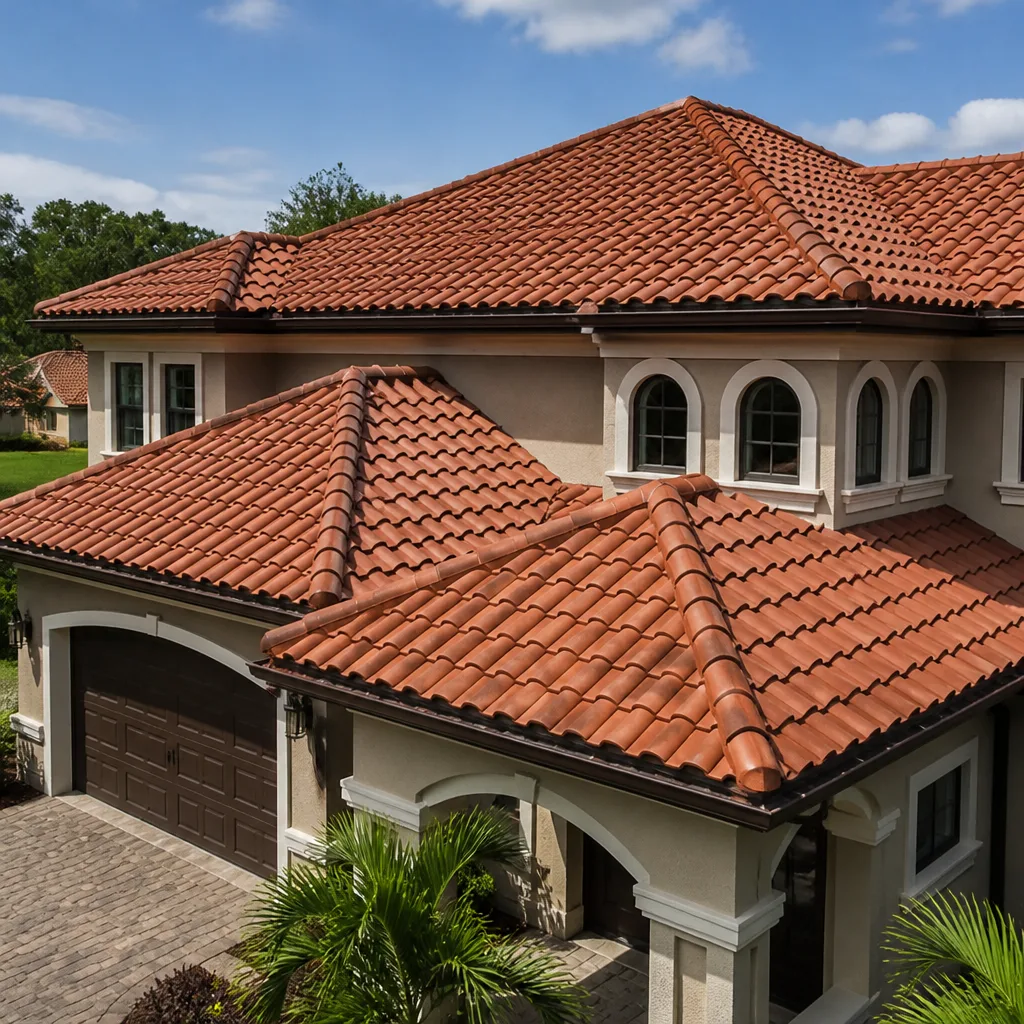
 Tile roofing
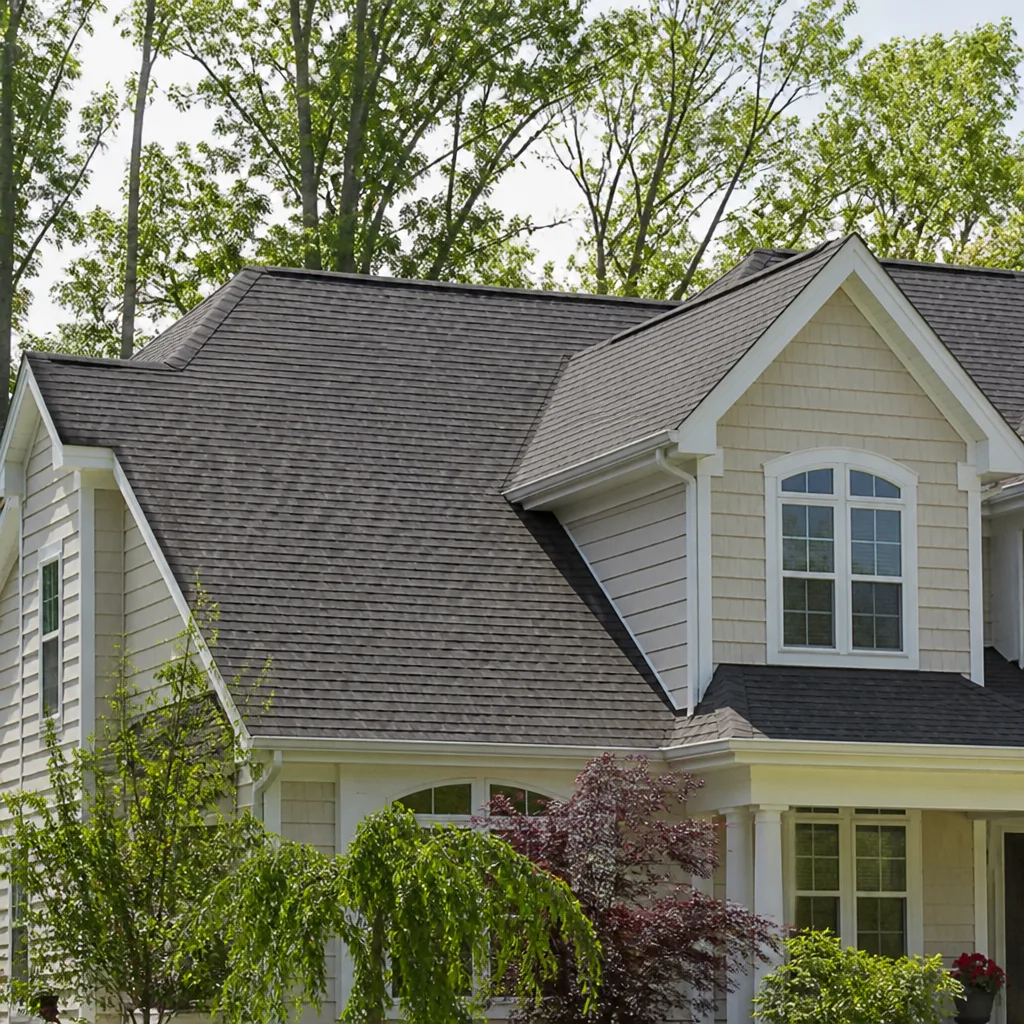 Architectural shingles
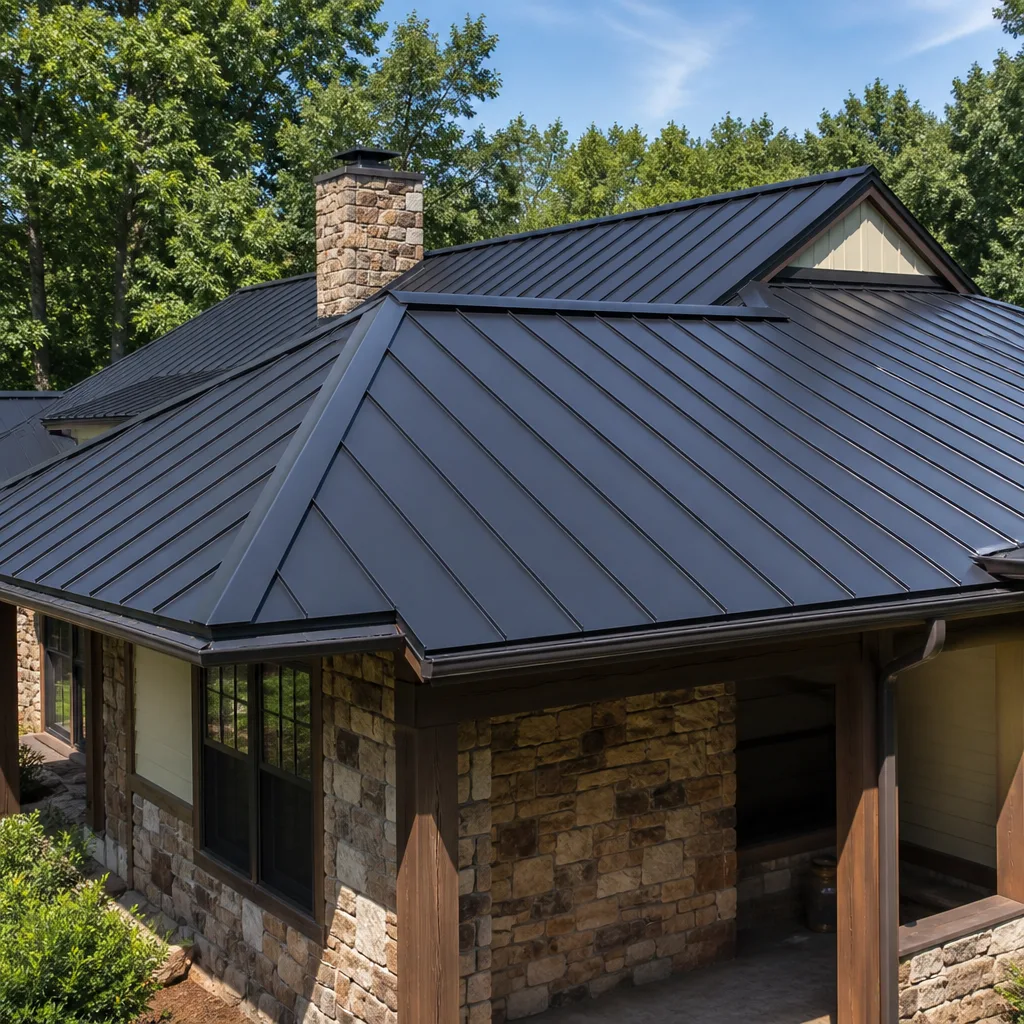 Metal roofing
 GAF
GAF Owens Corning
 Flat & low-slope
Free roof inspection with deck photos before we talk money - GAF and Owens Corning certified installation
Atlas Ridge Vent Installation: The Miami Owner’s Guide
We stock and install Atlas-compatible ridge vent in Miami, with most complete ridge vent installations running between $450 and $900 depending on roof length and whether old venting needs to be pulled first. The work typically takes a single day, and we carry Atlas spec materials on the truck so we’re not sending a crew back to the supply house mid-job. Most Miami homeowners discover their ridge vent has failed after a hot stretch: the attic temp climbs, the AC runs nonstop, or they spot moisture staining near the ceiling peak. You called or clicked here because something’s off. Here’s exactly what we know about it.
Key takeaways:
- Installed Atlas ridge vent replacement in Miami runs $450 to $900 for a typical single-family home
- UV breakdown and storm-driven rain are the two killers of ridge vent in South Florida
- Atlas makes several ridge vent profiles – Shingle-Over and Pro-Cut are the two we install most
- We’re an independent installer, not an Atlas dealer – which means we match the part to your roof, not to a sales quota
- Every job gets a written price before we touch the roof, and a written guarantee before we leave
Tilehurst Roofing Miami is not affiliated with Atlas. We’re an independent local roofing company that installs and replaces Atlas ridge vent because it holds up well in Florida weather, alongside materials from GAF, CertainTeed, Owens Corning, IKO, Tamko, and Boral.
Which Atlas Models This Applies To
Atlas ridge vent comes in two profiles you’re most likely to have on your Miami roof: the Atlas Shingle-Over Ridge Vent and the Atlas Pro-Cut Ridge Vent. The Shingle-Over version is a flexible, rolled vent that sits flat on the ridge and gets covered with cap shingles. The Pro-Cut is a rigid, pre-formed vent with a lower profile. Both ventilate the same way: warm air exits at the peak while intake air pulls in at the soffits.
Here’s the compatibility gotcha we run into in Miami a lot: older Atlas Shingle-Over vent has a narrower opening than what Atlas makes today. If a previous installer used the old 9-inch roll on a ridge cut wider than 2 inches on each side, the vent doesn’t seat properly, and you get blowback in storms. Before we quote a replacement, we measure the actual ridge opening under the old vent, not just the shingle overhang. That’s the difference between a vent that works and one that leaks in the first August downpour.
The OEM vs aftermarket decision matters more with ridge vent than most parts. A universal ridge vent from the big-box store costs less up front, but the nail line, the screen gauge, and the profile are not matched to your Atlas cap shingles. The look changes, the seal changes, and you’ll see it every time you glance up from the driveway. We install Atlas vent with Atlas cap shingles. The cost difference is usually $40 to $80 in materials. Over a 15-year lifespan in Miami heat, that’s noise.
How to identify what you have: pull a cap shingle gently at the peak and look for printed text on the vent material itself. Atlas stamps the underside with the product name and, on newer rolls, a date code. No date code? The vent is likely original to the roof, which in Miami means it’s been through 10-plus hurricane seasons. That’s a replacement candidate even if it hasn’t failed visibly yet.
Styles & brands we work with
Signs Your Atlas Ridge Vent Installation Is Failing
- Attic temperature spikes in the afternoon. A working ridge vent should keep attic temps within 10 to 15 degrees of outside air. If your attic hits 130°F by 2pm on a July day, the vent is partially or fully blocked, often by crushed vent material or blown-in insulation sealing the ridge opening.
- Moisture stains or mildew along the peak on the inside of the attic. That’s condensation from trapped warm air. In Miami’s humidity, this moves fast. If you’re seeing dark streaks or fuzz along the underside of the ridge beam, the vent isn’t moving air the way it should.
- Cap shingles lifting at the peak in wind. The cap shingles install over the vent, and when the vent’s nail line fails or the material degrades in UV, the whole assembly loosens. Half a hurricane season will peel it off. This is also a water entry point during a cat 1, which is exactly when you don’t want an opening on your ridge.
- Visible cracking or collapsing of the vent material at the ridge. UV is relentless on ridge vent in South Florida. The plastic or synthetic fiber gets brittle, cracks, and channels water instead of shedding it. Crushed vent, where the profile caves in so there’s no air channel left, is common on older Shingle-Over installs.
- Higher cooling bills with no other change. A roof that can’t vent pushes heat down into the living space. Your HVAC works harder, the house still feels warm, and the electric bill climbs. If your AC is running more than it did two summers ago and the ridge vent is original, start there. It’s cheaper than replacing the AC unit.
We see all five of these across Coral Gables, where the older barrel-tile homes keep us busy. The tile lasts, but the ridge vent underneath doesn’t. Greg Holloway and our crew have replaced ridge vent on 1920s tile roofs and on three-year-old spec builds. The failure pattern is the same: weather wins, the vent gives up.
See the difference
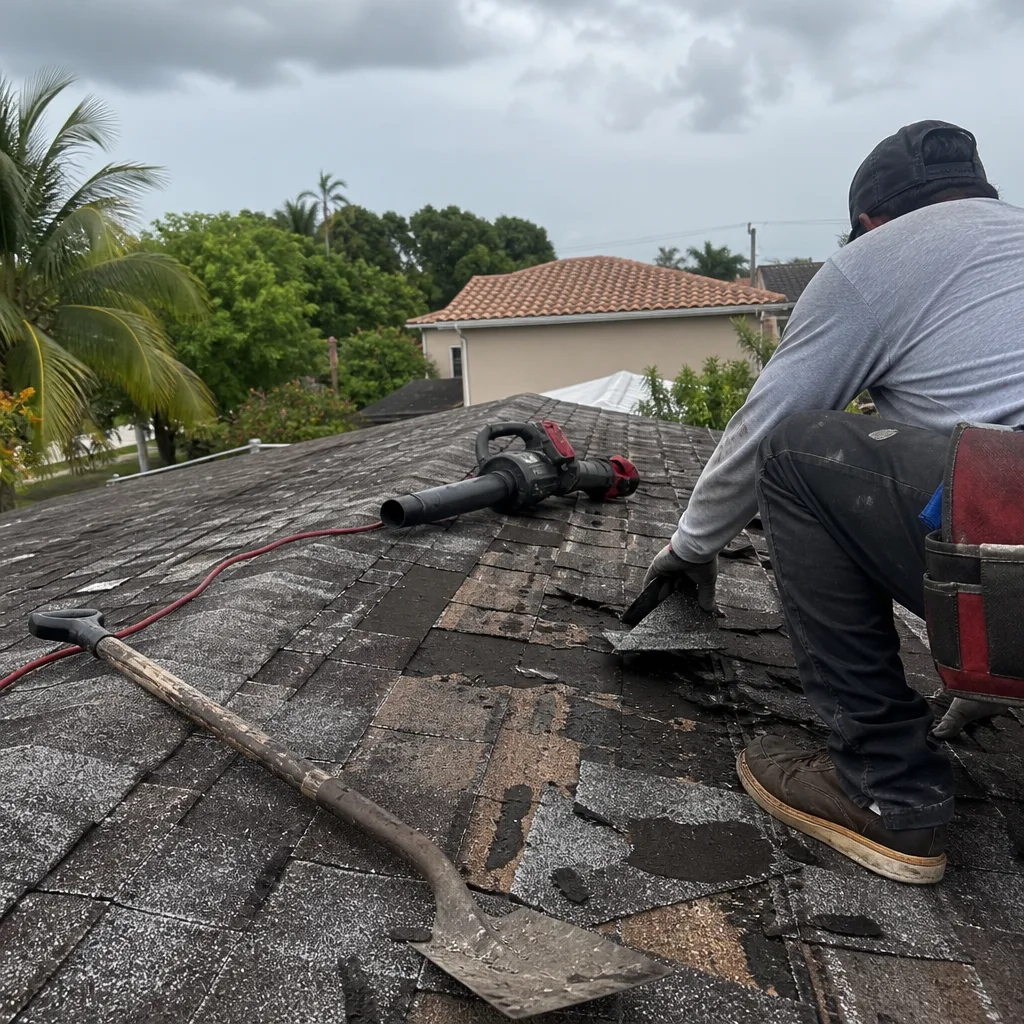 Before
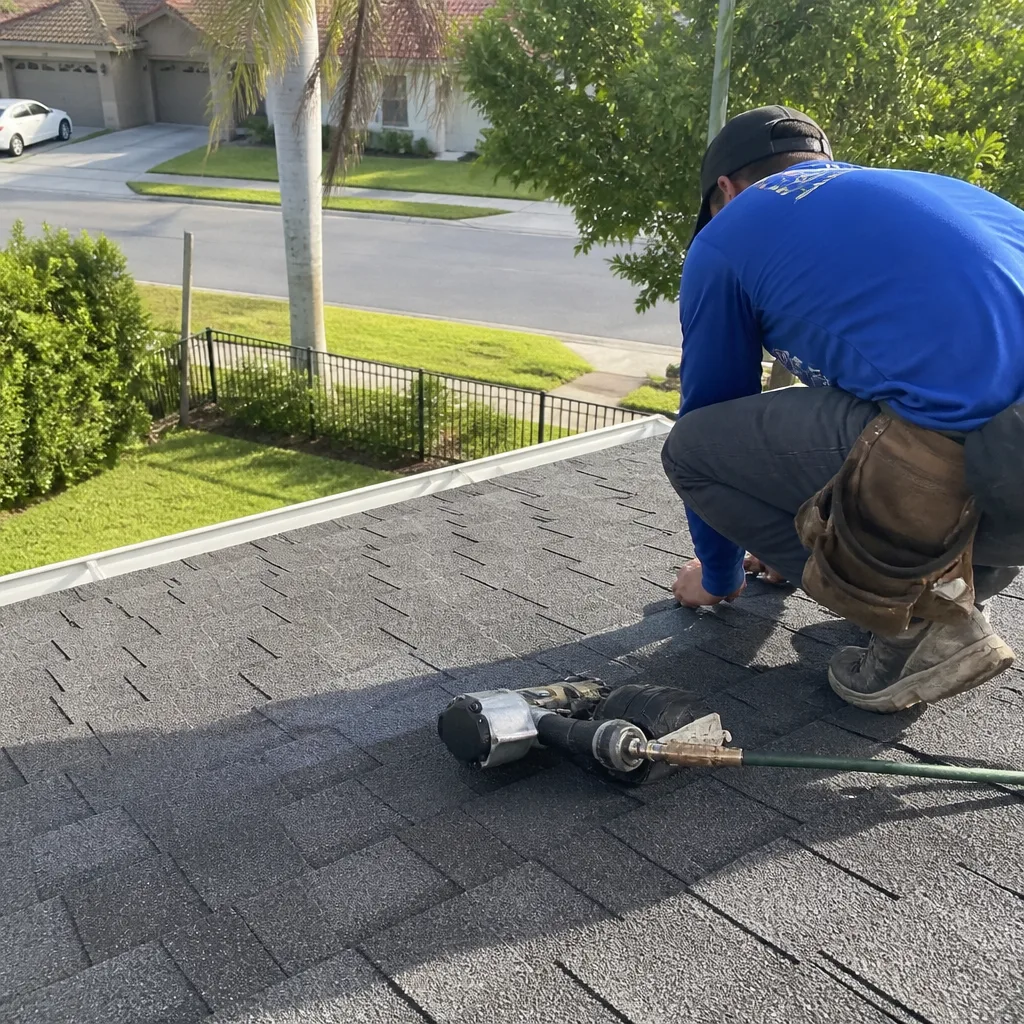 After
After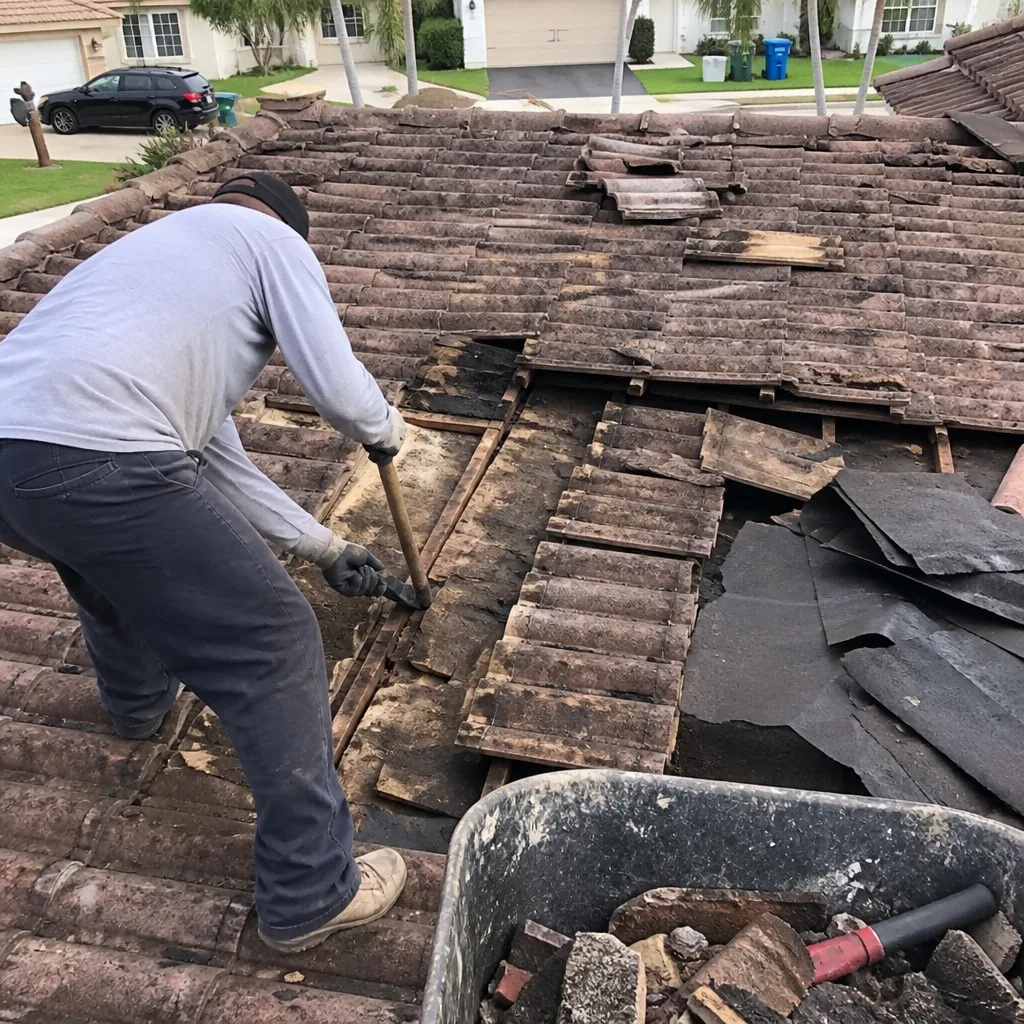 Before
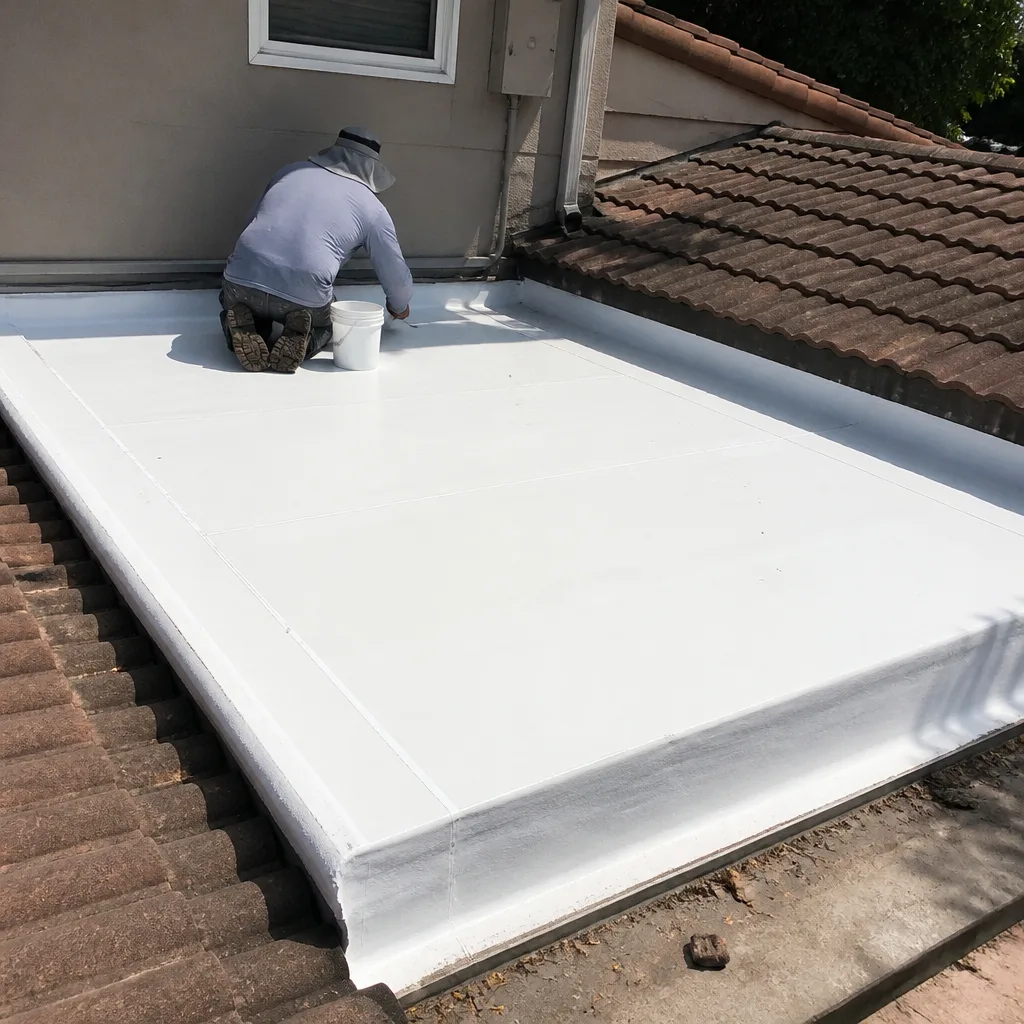 After
After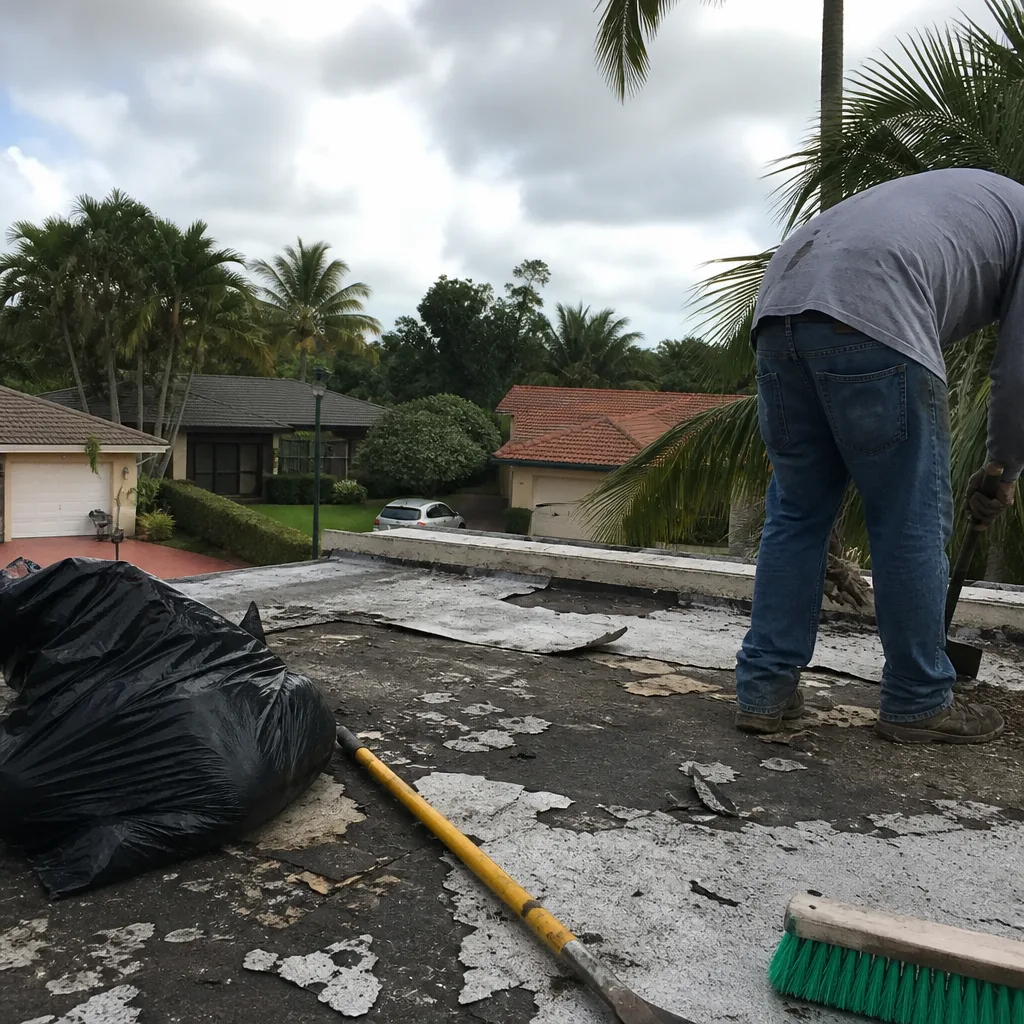 Before
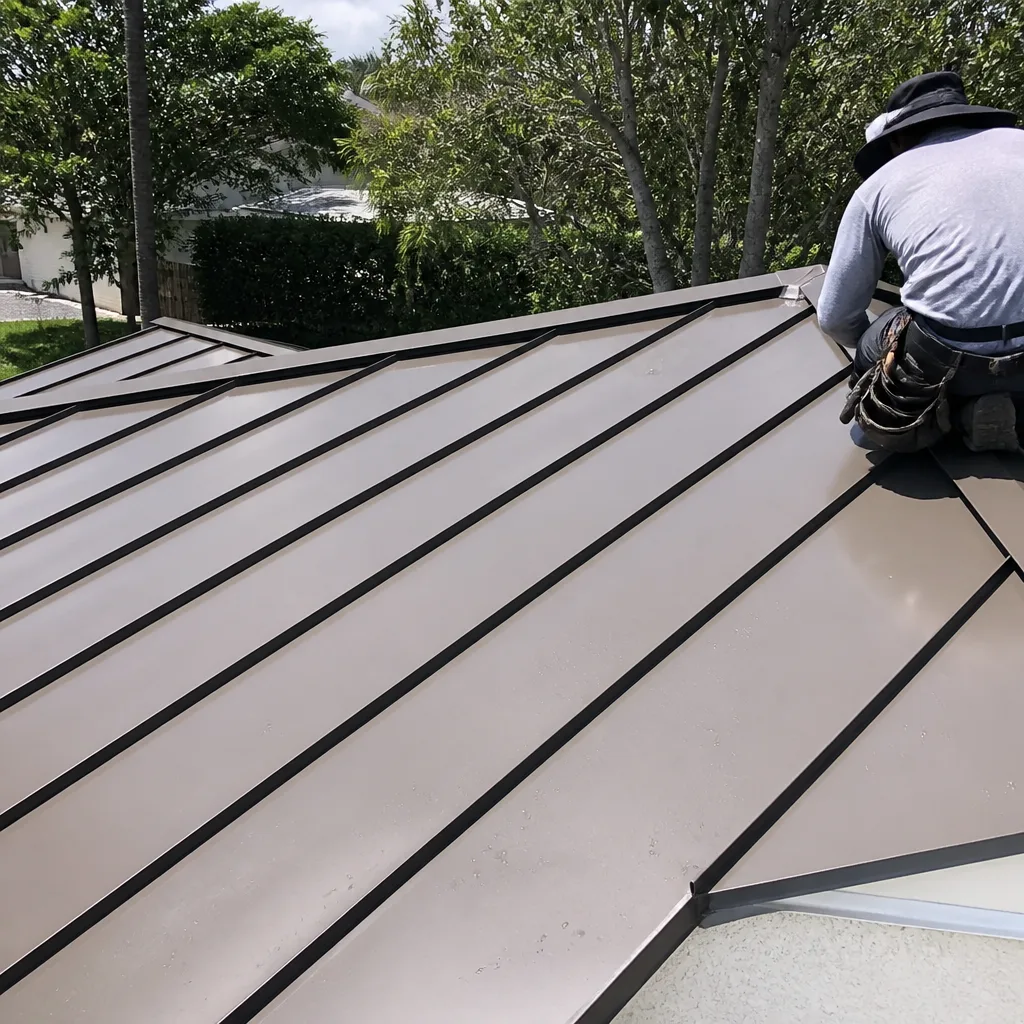 After
AfterReplacement Cost & What’s Included
Most Atlas ridge vent replacement in Miami runs between $450 and $900. The range comes down to three things: how many linear feet of ridge you have, whether the existing vent comes off clean or fights us, and whether the wood underneath is still sound. A simple 40-foot ridge with good wood and a straightforward removal sits at the lower end. A long, multi-ridge roof with damaged decking at the peak lands higher.
Here’s the cost breakdown in real dollars:
- Atlas replacement vent material: $3 to $5 per linear foot
- Atlas cap shingles: $40 to $90 depending on ridge length
- Labor including old vent removal and disposal: $250 to $550
- Minor wood repair at the ridge opening: $0 to $150 if limited
Every Tilehurst Roofing Miami job starts with a written price in your hands before we touch the roof. That price includes the vent, cap shingles, nails, sealant, removal of the old material, and cleanup. If we find rotted decking at the ridge opening once the old vent is off, we show you the wood, give you a price for the repair on the spot, and you approve it before we proceed. No change orders that show up on the invoice without your okay. That’s the Kingswell Way: say the price before the work, and put the guarantee in writing before the crew leaves. If that repair fails inside the guarantee period, we come back and fix it at no charge under our 365-Day Done Right Promise.
Is Installing Atlas Ridge Vent a DIY Job?
Replacing ridge vent is not like swapping a downspout. You’re working at the highest point of the roof, on a slope, in Miami heat. The vent itself is low-tension and not dangerous to handle, but the location is. Falls from the ridge are the most common roofing injury, full stop. We recommend owners inspect from the ladder or the ground, and leave the removal and install to a crew that’s on a peak every week.
What you can do safely: check the attic on a hot afternoon for the signs above, look for lifted cap shingles from the ground with binoculars, and note any water stains inside. What we don’t recommend: getting on the roof deck with a pry bar and a roll of vent. Nailing cap shingles straight on a 40-degree pitch is different in July than it is in a YouTube video filmed in Ohio in October. If you want an honest second read before committing, call us at (850) 613-1762 and we’ll confirm the failure, measure the ridge, and put a written price in front of you whether you hire us or not. Know the price before we touch the roof – that’s the only way Greg knows how to work.
FAQs
Expect 12 to 18 years in South Florida conditions. UV exposure, salt air near the coast, and storm-driven rain shorten the life compared to inland climates. If your fasteners and cap shingles are original, plan for the lower end.
Sometimes. A small section of crushed vent or a few lifted cap shingles can be patched for $150 to $300, but once the vent material is brittle or the nail line is compromised along more than a couple feet, a patch turns into a recurring problem. We’ll tell you straight which one you’re looking at, and the quote reflects what we’d do on our own home. Call (850) 613-1762 to schedule the inspection.
Most single-family ridge vent replacements in Miami are a one-day job, usually 3 to 5 hours from setup to cleanup. Longer or multi-ridge roofs can push into a second day, but we’ll tell you the timeline in the written price before work starts.
Yes. We keep Atlas Shingle-Over and Pro-Cut vent in standard lengths on our service vehicles, along with matching Atlas cap shingles. If your roof needs a color match we don’t carry that day, we source it from a local supply house before the install date, not the morning of.
If you’re seeing any of the signs above, call (850) 613-1762 and we’ll come inspect, measure, and hand you a written price for the full replacement. Free estimates, no pressure, and a live person answers the phone 24/7.
Written by Greg Holloway, Owner, Tilehurst Roofing Miami at Tilehurst Roofing Miami, serving Miami and nearby areas.