
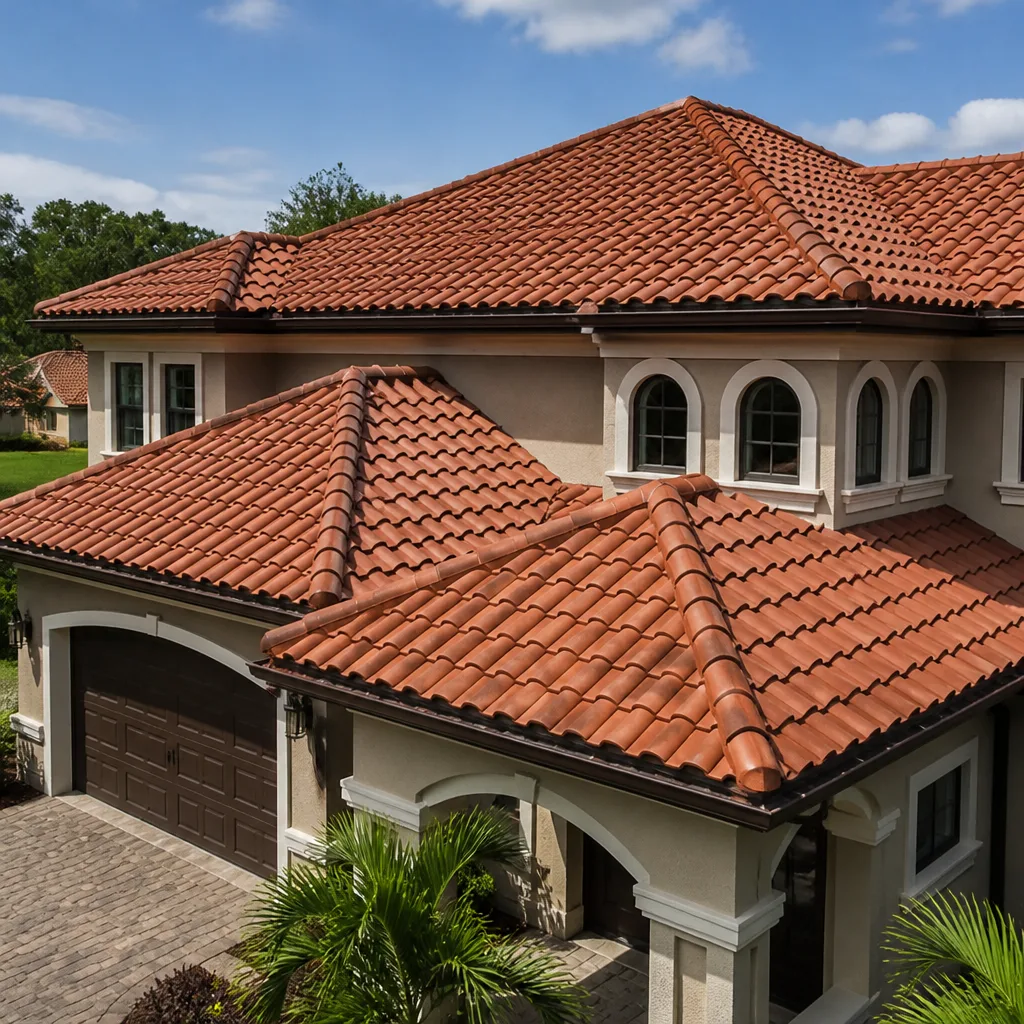
 Tile roofing
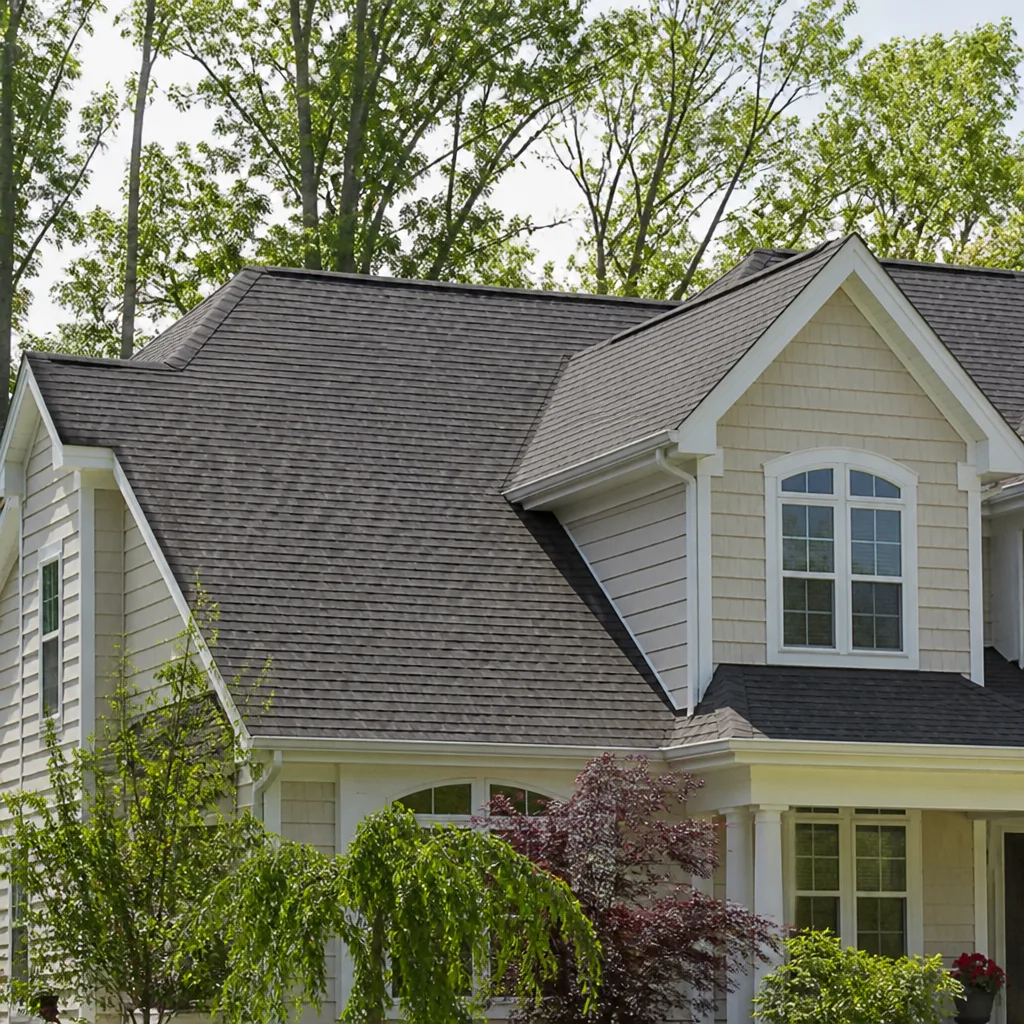 Architectural shingles
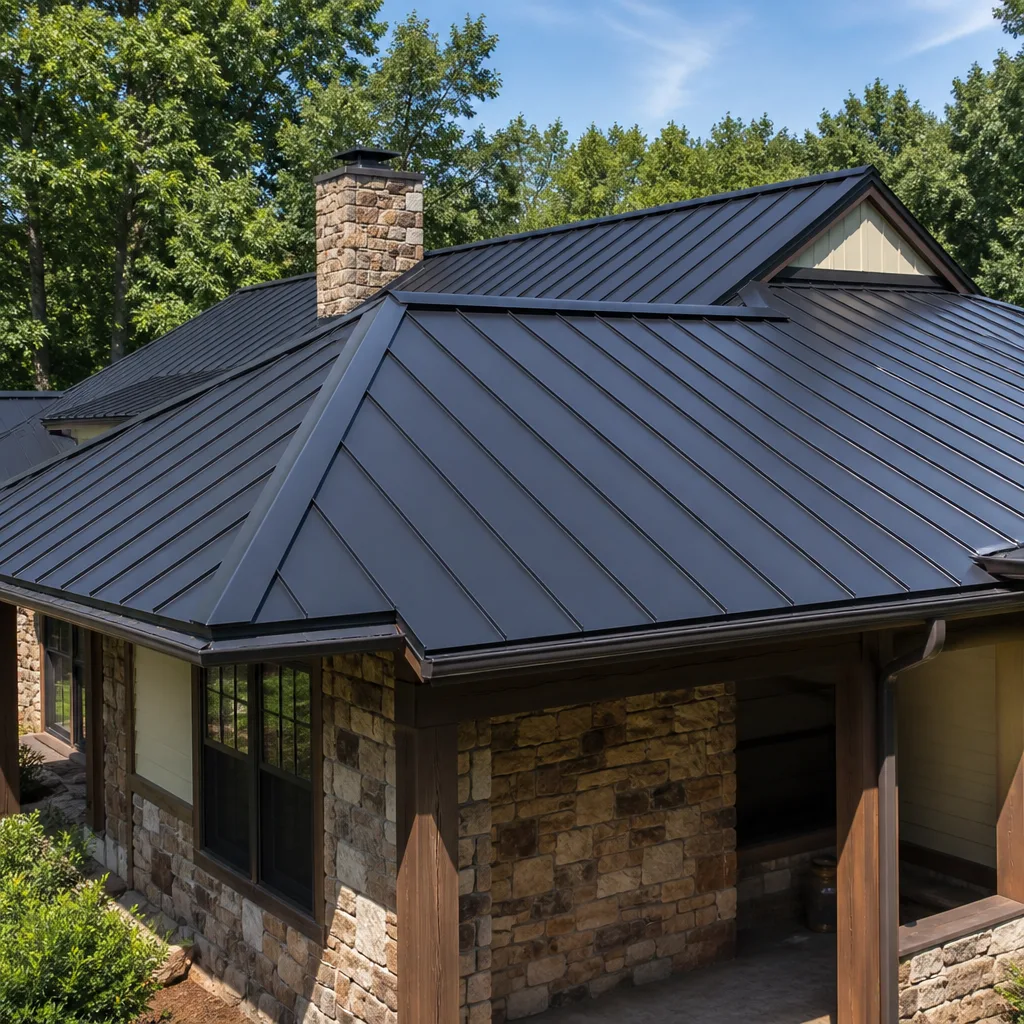 Metal roofing
 GAF
GAF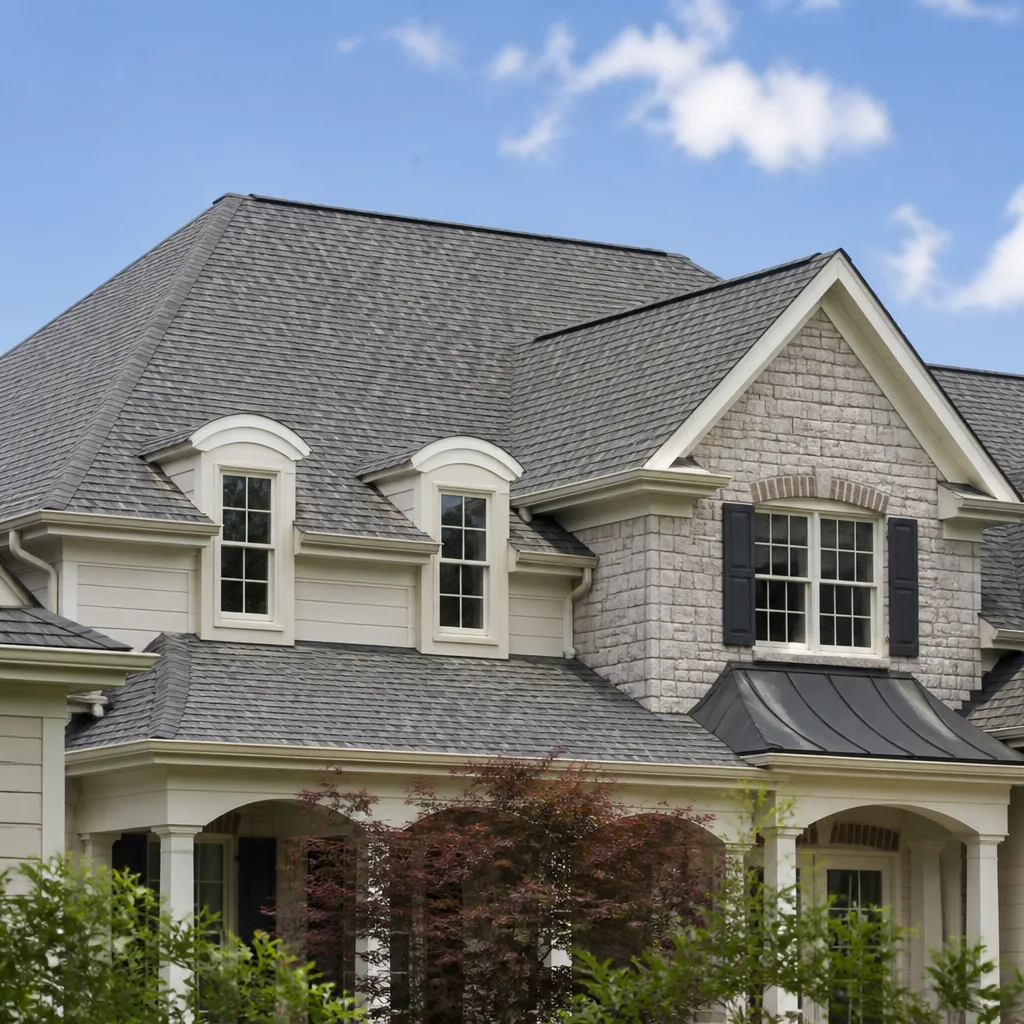 Owens Corning
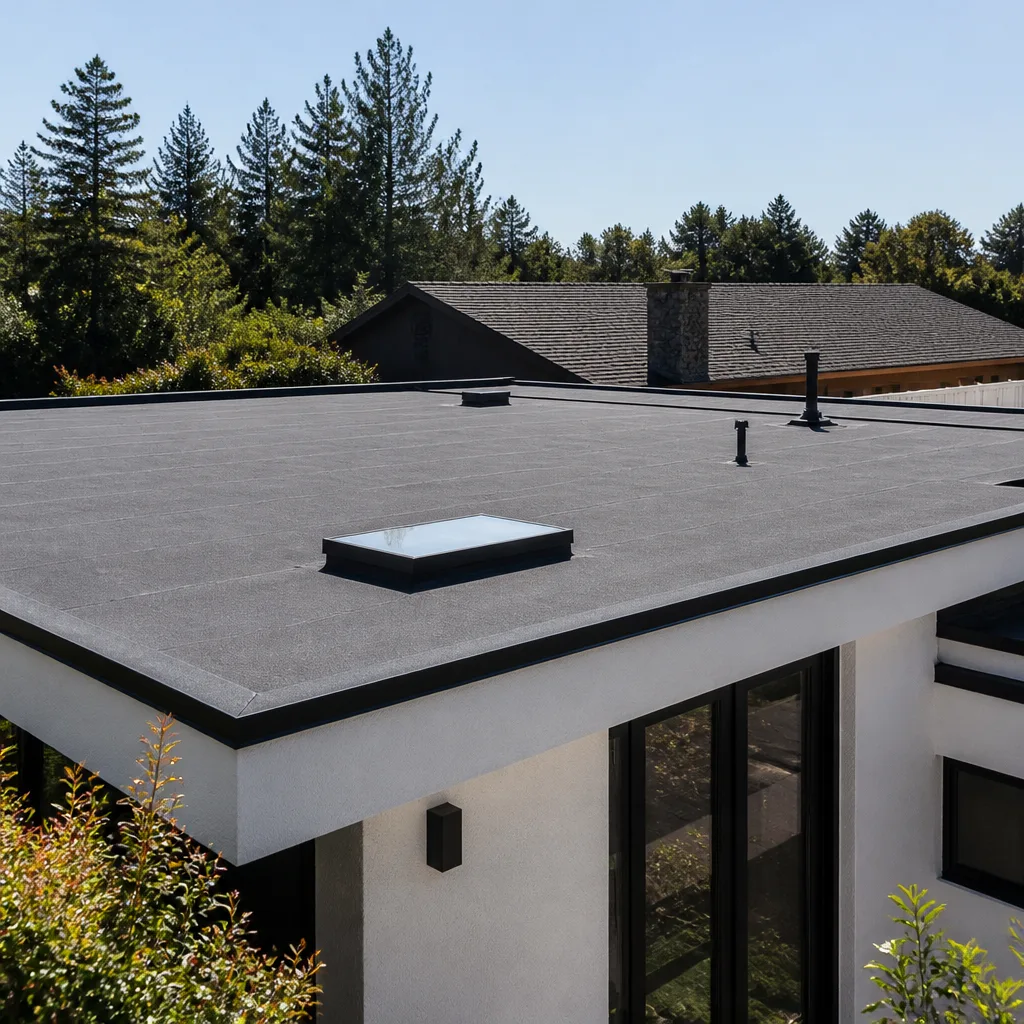 Flat & low-slope
Free roof inspection with deck photos before we talk money - GAF and Owens Corning certified installation
Atlas Underlayment & Deck Repair: The Miami Owner’s Guide
We stock and install Atlas-compatible underlayment and decking repair materials across Miami, with most jobs running $1,400 to $3,800 installed depending on deck damage and the underlayment series your roof needs. Our trucks carry Atlas WeatherMaster and Atlas Acrylic underlayment, plus 1/2″ and 5/8″ CDX plywood decking matched to Atlas installation specs, so we can usually handle a repair in one visit. Homeowners typically find out their underlayment or deck has failed after a heavy South Florida downpour, when water spots appear on the ceiling or a soft spot shows up underfoot.
Here’s the reality of Miami roofing: your shingles or tiles get all the attention, but the underlayment and deck beneath them are what actually keep water out of your house. Atlas underlayment is a good product, but Miami’s heat and humidity test it harder than almost any climate in the country. When it fails, you’ll know fast.
Key Takeaways
- Atlas underlayment and deck repair in Miami typically runs $1,400 to $3,800 installed
- We carry Atlas WeatherMaster and Atlas Acrylic underlayment on our trucks, plus Atlas-spec decking
- Free written estimate before any work starts, every time
- Written guarantee on every repair, covered by the 365-Day Done Right Promise
- Live person answers the phone 24/7 at (850) 613-1762
Which Atlas Models This Applies To
Atlas underlayment runs under two main roofing systems: the Atlas Pinnacle and Atlas StormMaster asphalt shingle lines, and Atlas roof tiles on heavier residential jobs. The underlayment itself comes in two common Atlas series we see in Miami: Atlas WeatherMaster, a fiberglass-reinforced asphalt base sheet, and Atlas Acrylic, a synthetic underlayment that handles higher heat without sticking or buckling. They’re not interchangeable, and that compatibility detail matters more than most people realize.
The quickest way to identify what you have is to look at the selvage edge (the printed strip along the roll) or check the original installation paperwork if you kept it. WeatherMaster rolls are 36″ wide and run about 2 squares per roll. Acrylic runs 48″ wide. If your roof was installed in the last decade and you see a white or gray synthetic-looking layer under the shingles, it’s Acrylic. If it’s black and feels like tar paper with fiberglass threads, you’ve got WeatherMaster. One Miami-specific gotcha: Atlas WeatherMaster underlayment can bond to the deck in our summer attic heat, which means removing it to inspect the deck often destroys the underlayment. We plan for full underlayment replacement on any deck repair where WeatherMaster is present, rather than trying to save the old material and leaving you with a patch job that leaks inside a year.
As for aftermarket equivalents: they exist, and some are fine, but Atlas has a specific nail-holding spec for their underlayment that generics don’t always match. We install OEM Atlas underlayment when it’s available, and a proven equivalent like GAF Deck Armor or Owens Corning Pro Armor when the Atlas roll isn’t on the shelf. You’ll know which one we’re quoting before work starts. Tilehurst Roofing Miami is an independent roofing company, not affiliated with Atlas, so our recommendation is based on what holds up in Miami weather, not a brand loyalty contract.
Styles & brands we work with
Signs Your Atlas Underlayment & Deck Repair Is Failing
Here’s what we see most often on Miami homes with Atlas roofing systems, and what each symptom actually means:
- Water stains on the ceiling after rain. This means underlayment has a tear or seam failure somewhere above that spot, and water has made it through to the interior. Waiting turns a small underlayment patch into a full deck replacement because the wood starts rotting.
- Soft or spongy spots when you walk the roof. This is deck rot. The plywood has absorbed enough moisture to lose its structural integrity. Atlas underlayment can hide early deck damage, so by the time you feel it, the section usually needs replacement, not a local patch.
- Granules from aging Atlas shingles collecting in the gutters. When shingles shed granules, the underlayment becomes the first and only line of defense against water. If you’re seeing heavy granule loss along the drip edge, the underlayment is likely taking on more water than it was rated for.
- Peeling or lifting underlayment visible at the roof edge or in the attic. We regularly see this in Coral Gables and older Miami neighborhoods where homes have been through multiple hurricane seasons. Heat cycling plus humidity causes underlayment to lift at seams, and once a seam opens, water finds it.
- Mold smell in the attic, especially after a humid spell. This points to trapped moisture, which means the underlayment or deck has been holding water long enough to grow something. In Miami’s climate, that process moves fast once it starts.
Replacement Cost & What’s Included
Most Atlas underlayment and deck repair in Miami runs $1,400 to $3,800 installed. Here’s what drives that range:
- Underlayment replacement only (no deck damage): $1,400 to $2,200 for a typical roof section, including tear-off of old material, new Atlas underlayment, new fasteners, and sealing around penetrations.
- Partial deck replacement plus underlayment: $2,200 to $3,800 depending on how many sheets of plywood need replacement and whether the damage spans a roof valley or ridge (where replacement gets more involved).
- Add-ons that show up on our quotes: drip edge replacement ($4 to $7 per linear foot), new pipe boots or vent collars ($45 to $110 each), and ridge cap sealing. We list every one of these as a line item, so you see the parts and labor separately.
Every quote from Tilehurst Roofing Miami includes tear-off, disposal, materials, labor, and a written guarantee on the repair. Before we touch the roof, you have the full price in your hands, in writing. That’s how Greg Holloway runs every job: no numbers changing at the door, no surprise change orders once the plywood comes up. Know the price before we touch the roof – that’s the only way I know how to work.
See the difference
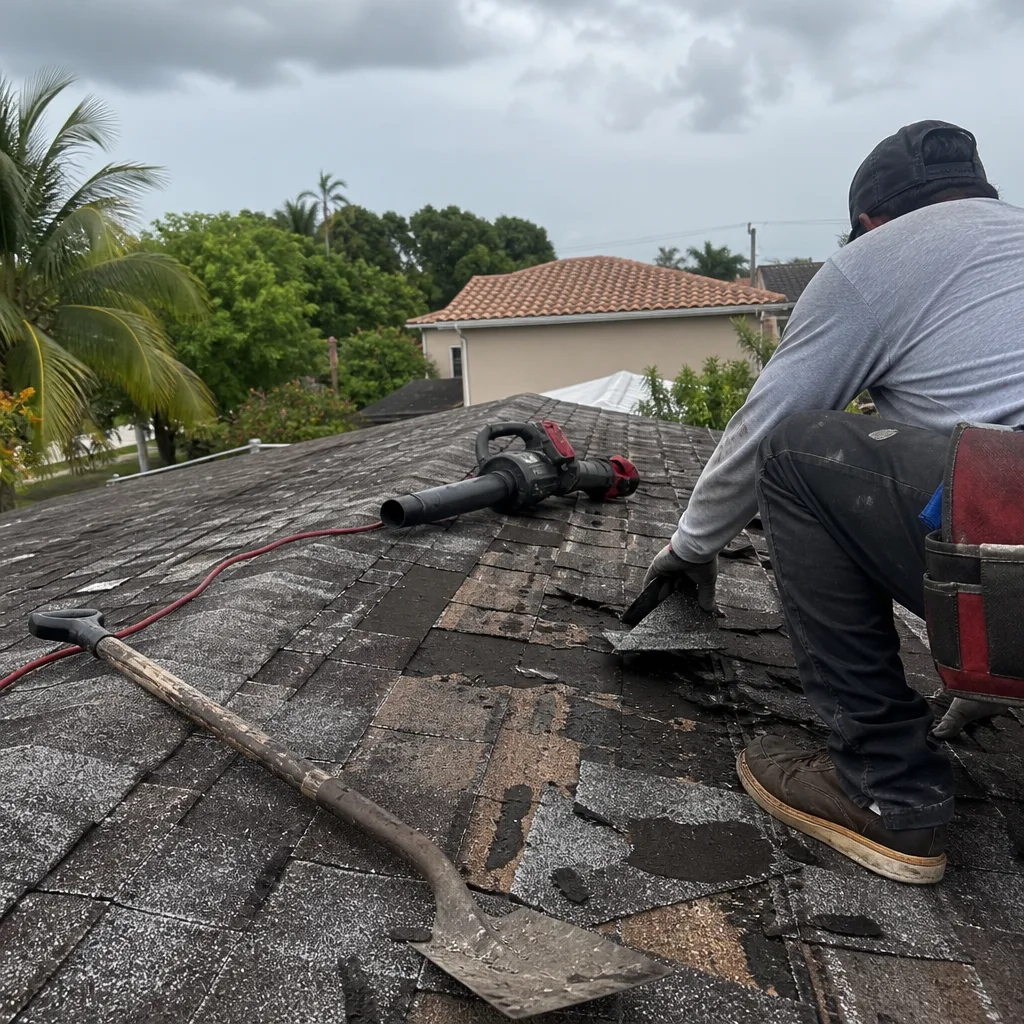 Before
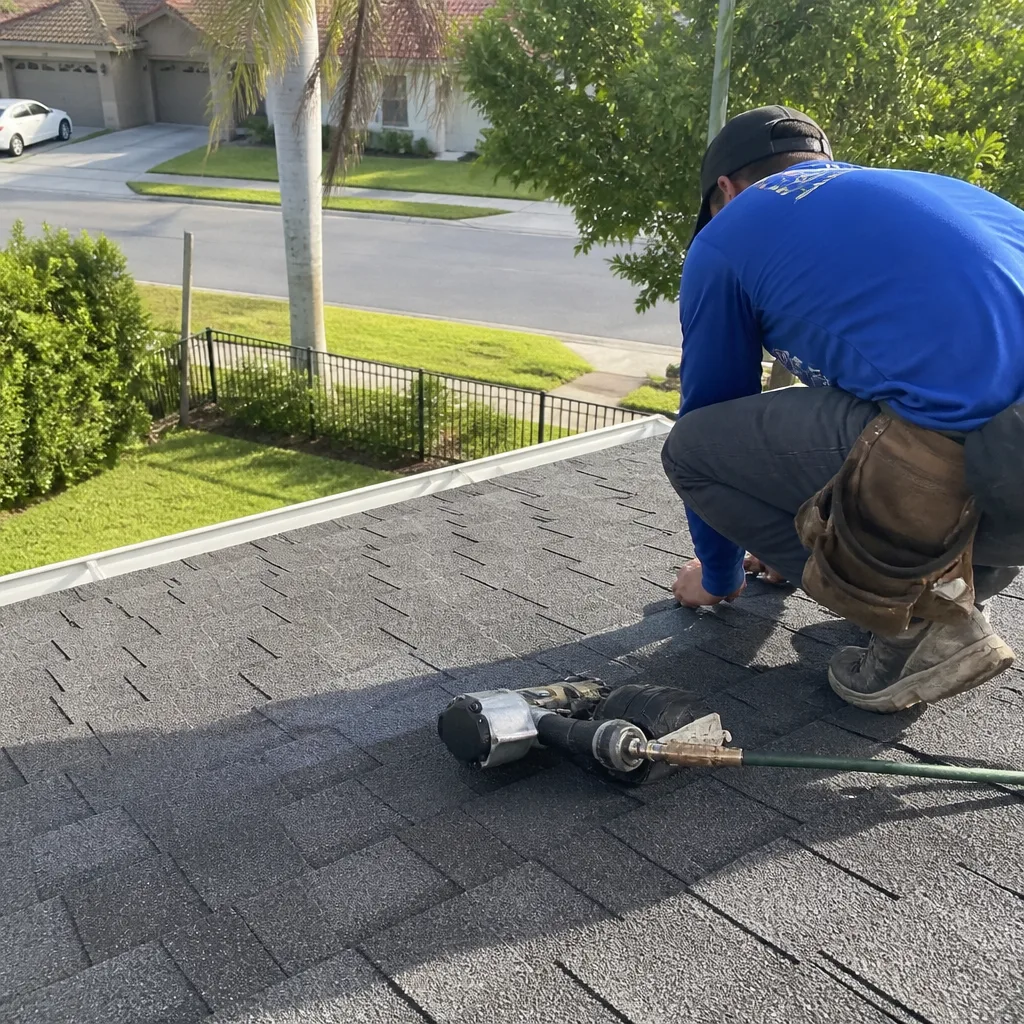 After
After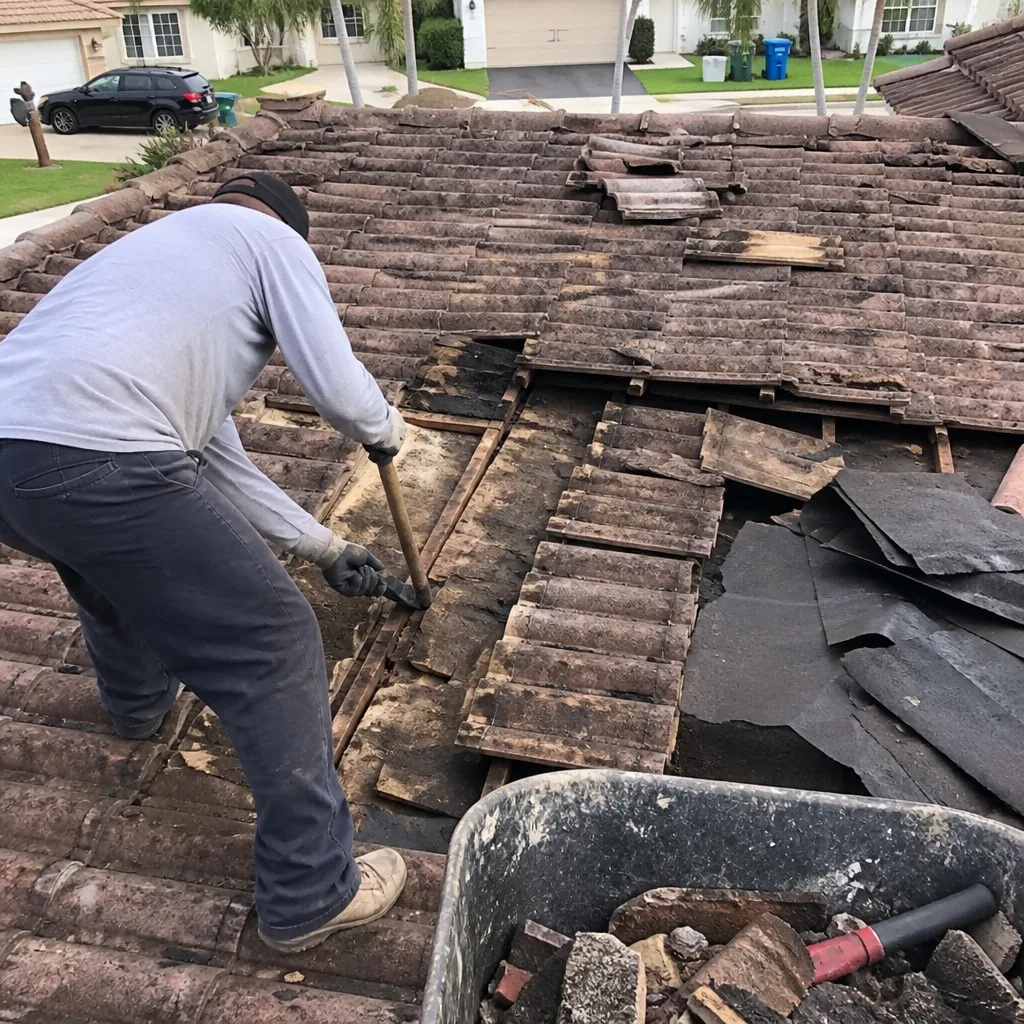 Before
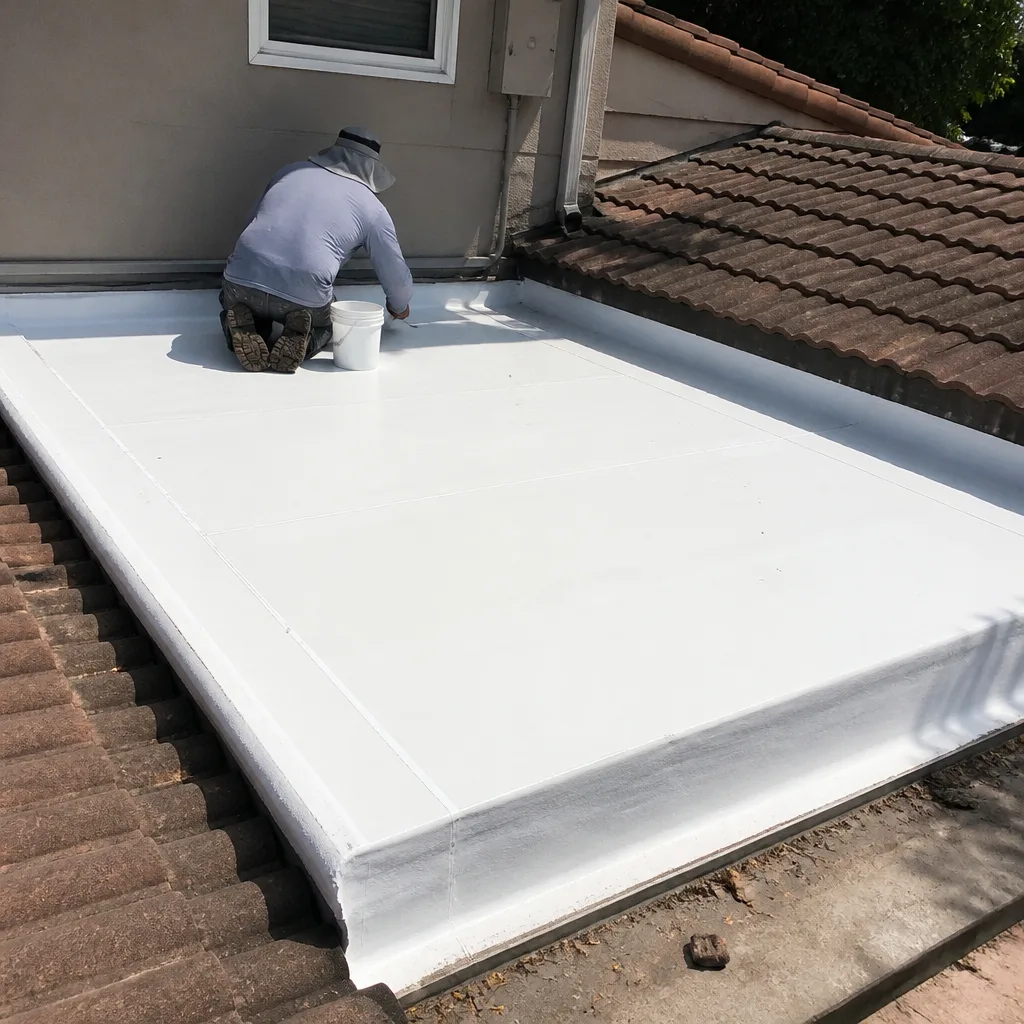 After
After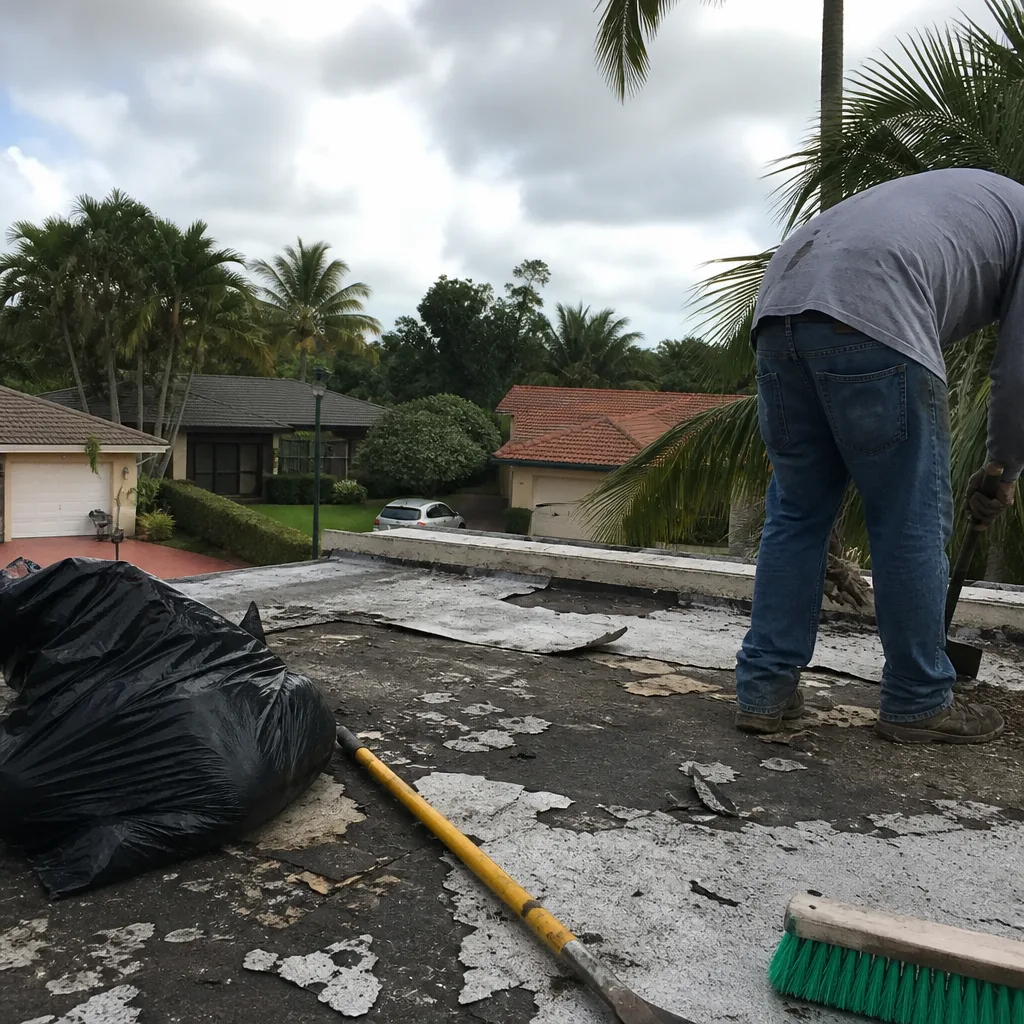 Before
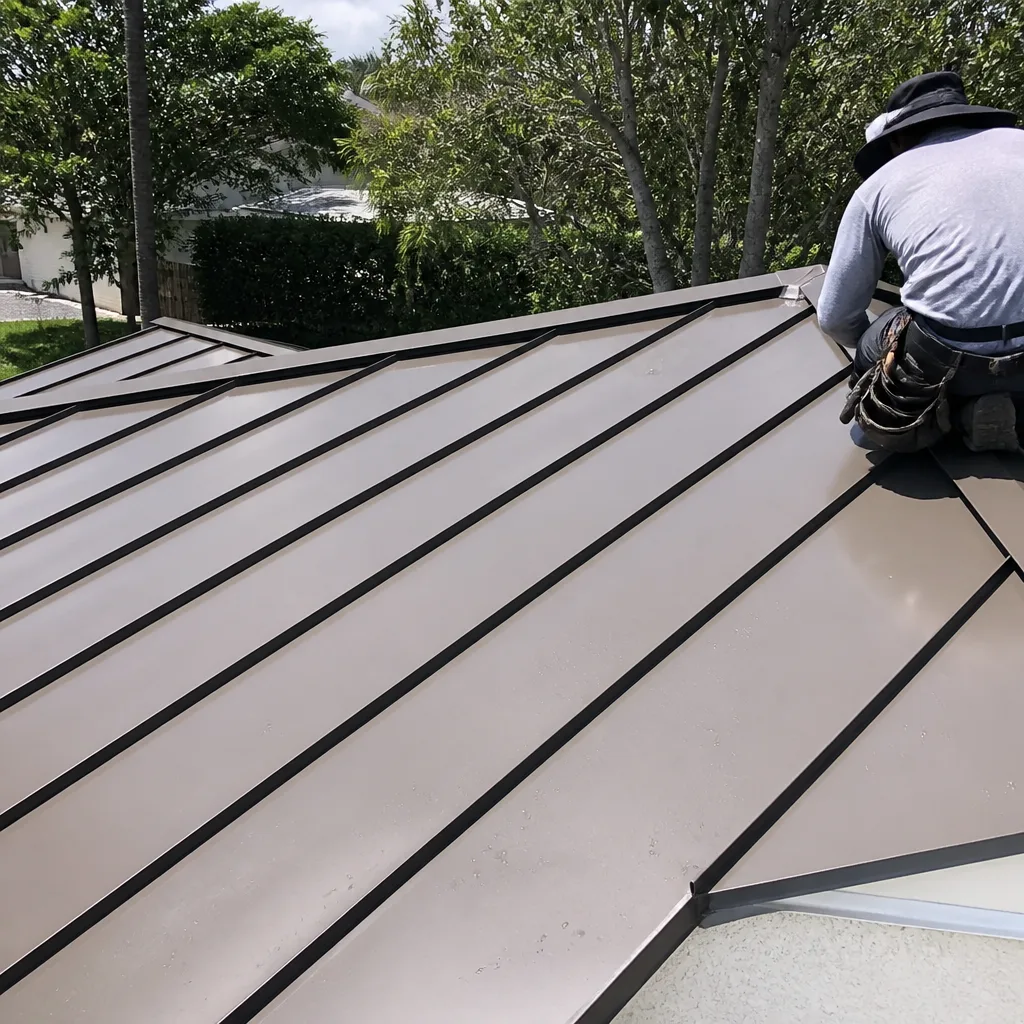 After
AfterDIY or Call Us?
Walking your roof to look for obvious damage is reasonable and safe if you do it from the ground or a ladder held at the roofline. You can check for missing granules, curling shingles, and lifted underlayment at the edge without stepping onto the deck. That inspection helps you decide whether to call us at all.
What you shouldn’t DIY is any underlayment replacement or deck repair. Here’s why: once you pull up shingles, you’re exposed to Miami weather, and a half-finished repair that gets rained on is worse than the original problem. Plus, walking a deck with hidden rot means you’re one step away from a foot through the roof, and a fall from any roofline is a hospital visit. We’ve had to fix more than a few DIY repairs gone wrong where the homeowner stripped the old underlayment, got a late-afternoon Miami thunderstorm, and ended up with water in the living room. If you’re uncertain about what you’re looking at, call (850) 613-1762 and we’ll send someone out for a free estimate – no charge, no pressure, and the written price comes before any work starts.
FAQs
Atlas WeatherMaster and Acrylic underlayment are engineered for a 25- to 30-year service life in ideal conditions, but Miami’s humidity, UV exposure, and hurricane-season wind loads cut that to roughly 15 to 20 years in real-world conditions. If the deck underneath was already damp at installation or the underlayment was exposed to weather during construction, failure can come much sooner. Call (850) 613-1762 for a free inspection if you suspect yours is tired.
Small, isolated tears in Atlas underlayment can sometimes be sealed with a compatible patch, but in our experience, any underlayment that has lifted at the seams or been exposed to months of South Florida heat is best replaced as a section. A patch is a short-term fix; a section replacement gives you a waterproof surface again. The written estimate shows both options and prices before you decide.
A typical single-section underlayment replacement with no major deck damage takes one full day for a two-person crew, assuming weather cooperates. If deck replacement is involved and the damage runs into a valley or ridge, expect two days. We schedule around the forecast and give you a clear arrival window before we start, not after.
Yes. Our trucks carry Atlas WeatherMaster and Atlas Acrylic rolls, plus GAF, Owens Corning, and CertainTeed underlayment as alternatives when the Atlas product isn’t the right match for your specific roof assembly. We also carry the decking, fasteners, and sealants needed first thing in the morning, so we’re not leaving your roof open while we run to a supply house.
Get Your Free Estimate
If your Atlas underlayment or deck needs attention, don’t wait for the next storm. Call (850) 613-1762 and a live person will answer, day or night. We’ll walk you through what we’re seeing, schedule a visit at a time that works, and hand you a written price before any work begins. Free estimate. Written guarantee. Done right, or we return.
Written by Greg Holloway, Owner, Tilehurst Roofing Miami at Tilehurst Roofing Miami, serving Miami and nearby areas.