
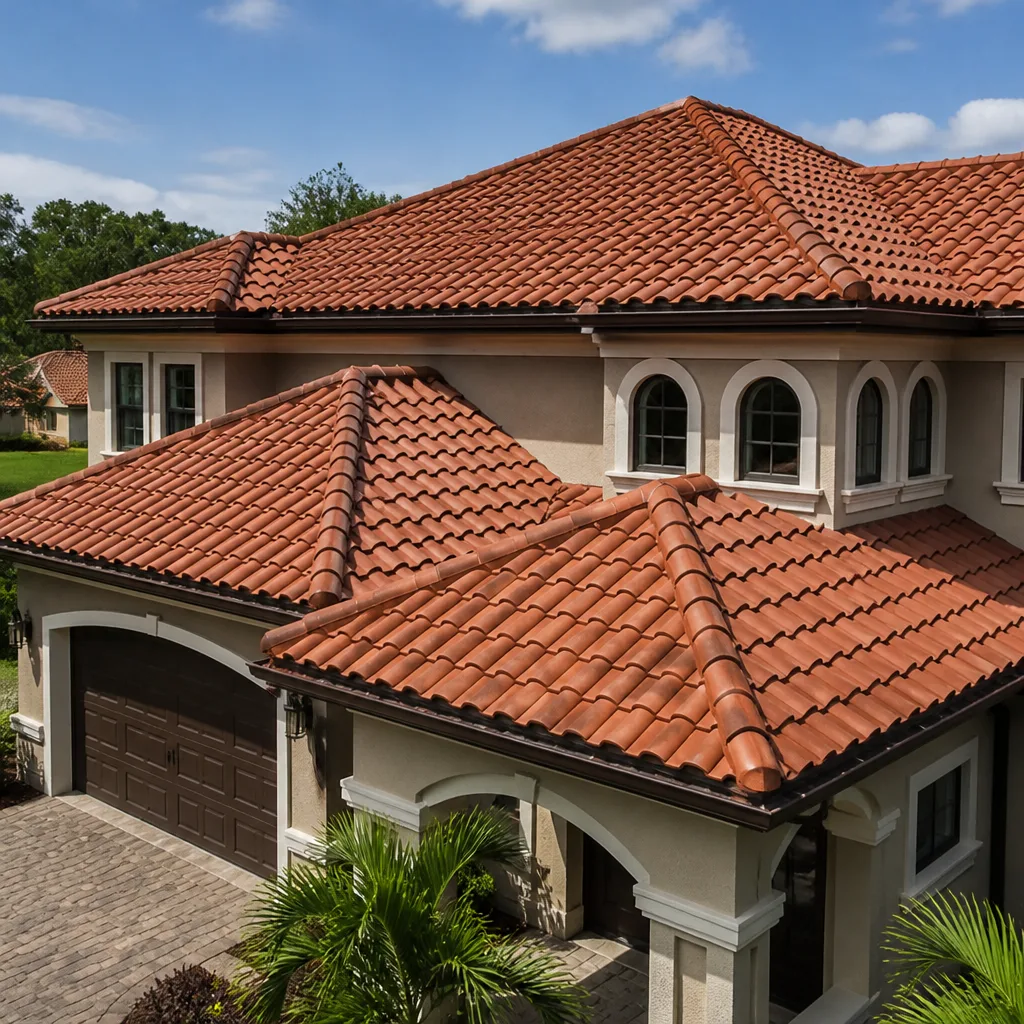
 Tile roofing
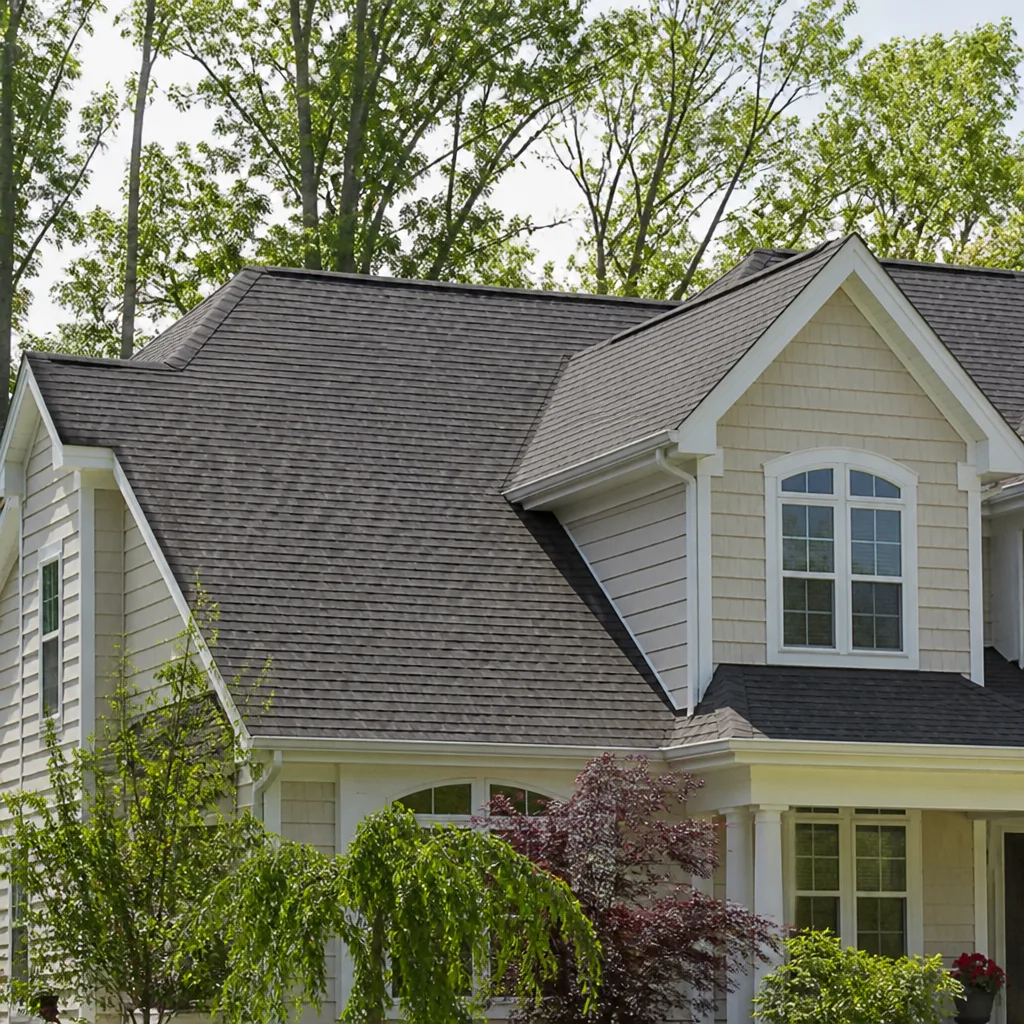 Architectural shingles
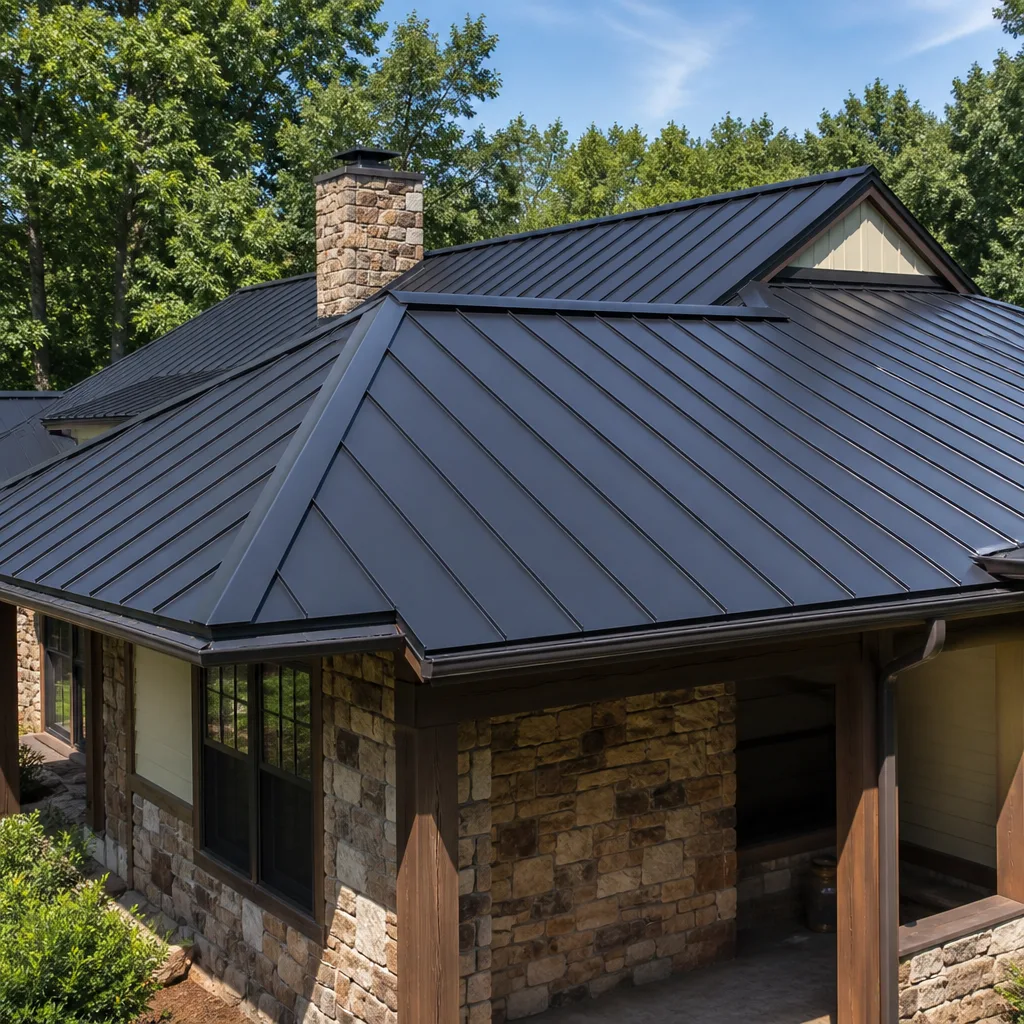 Metal roofing
 GAF
GAF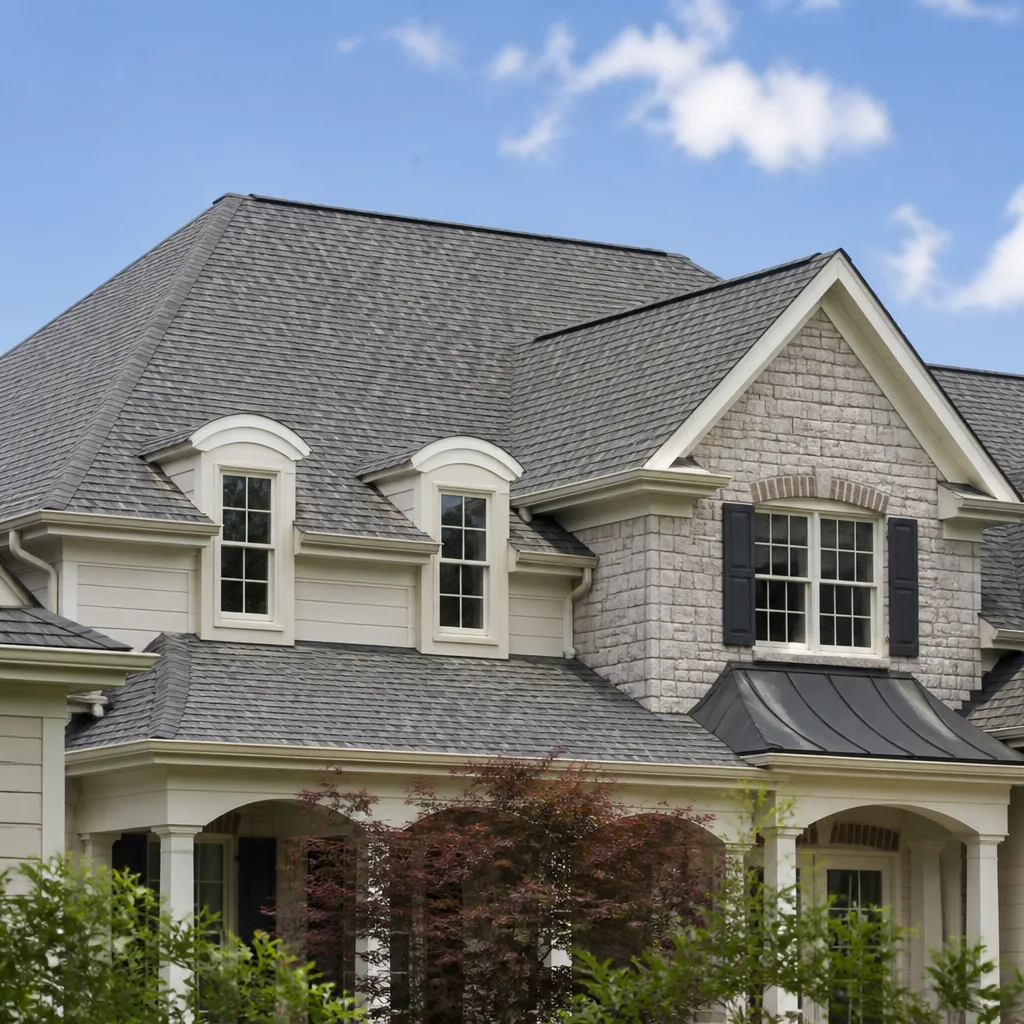 Owens Corning
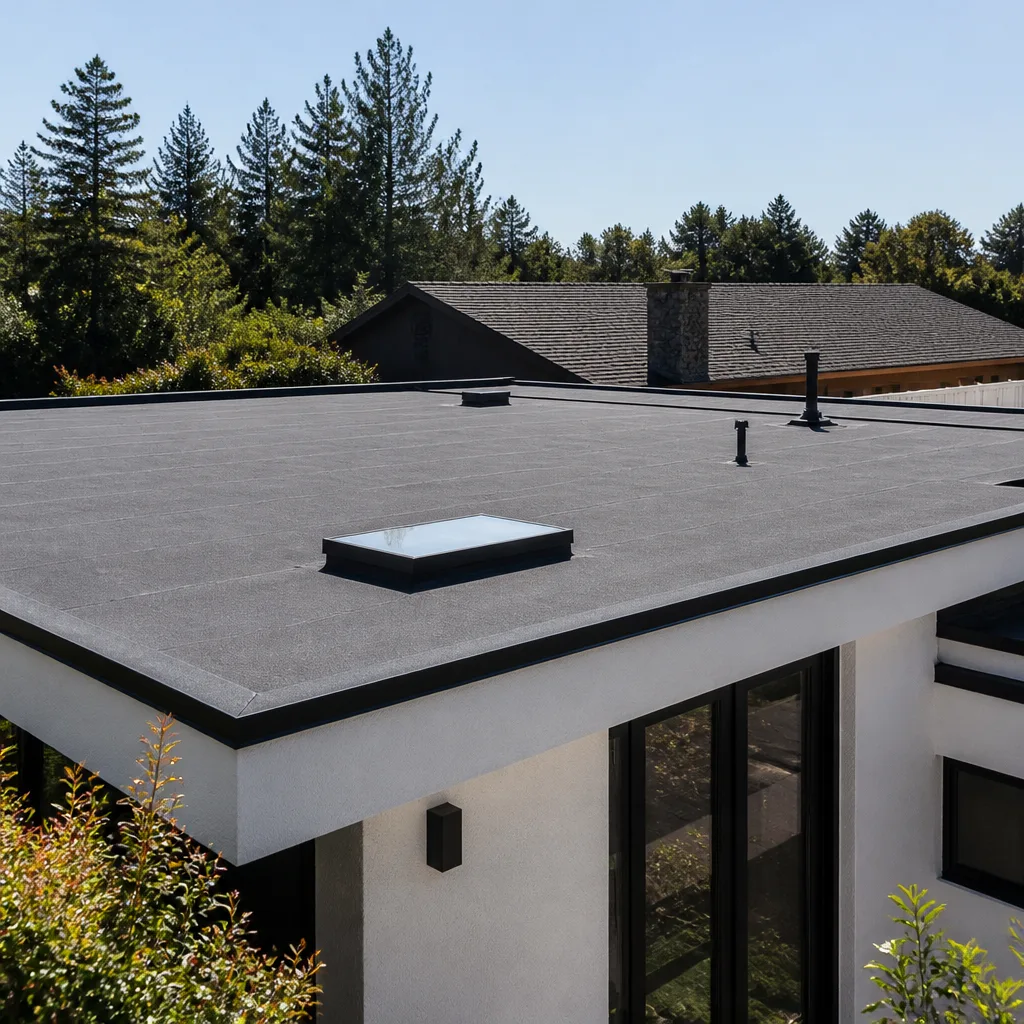 Flat & low-slope
Free roof inspection with deck photos before we talk money - GAF and Owens Corning certified installation
Styles & brands we work with
See the difference
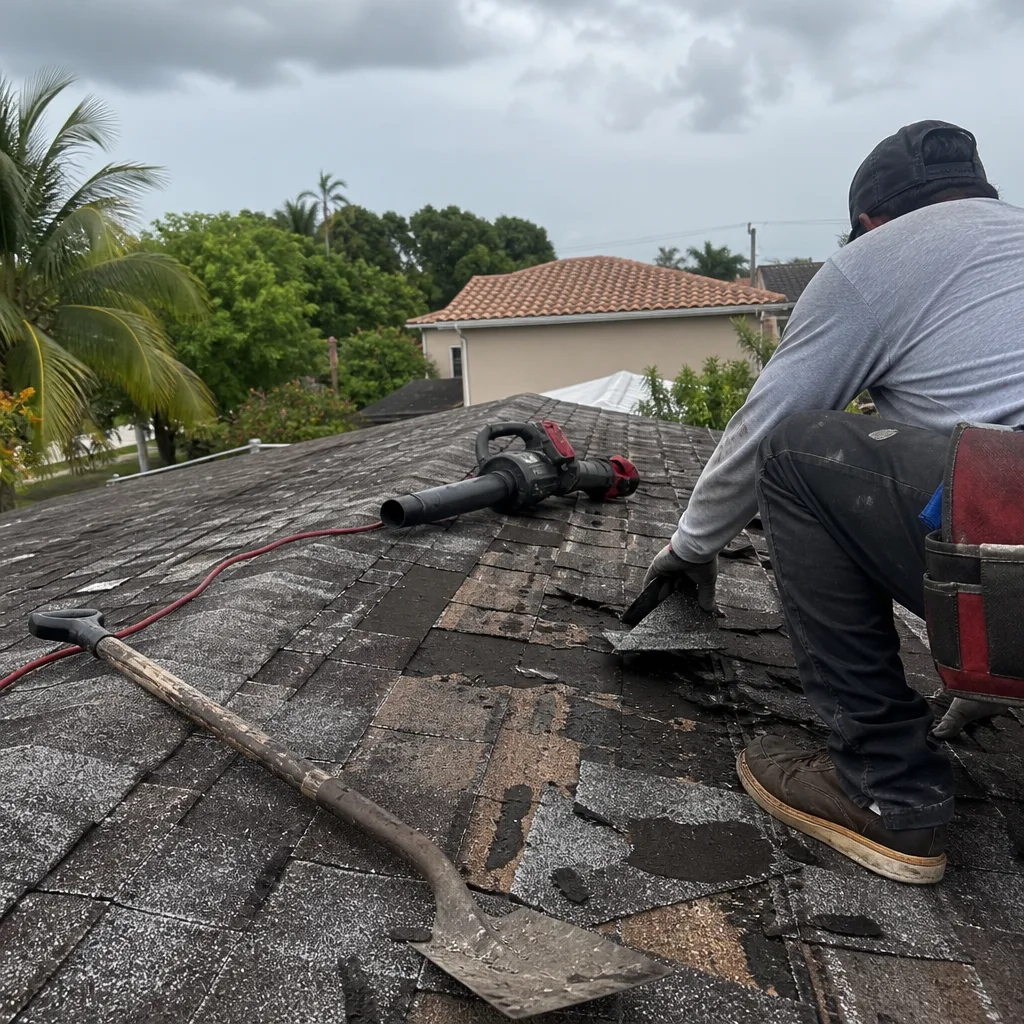 Before
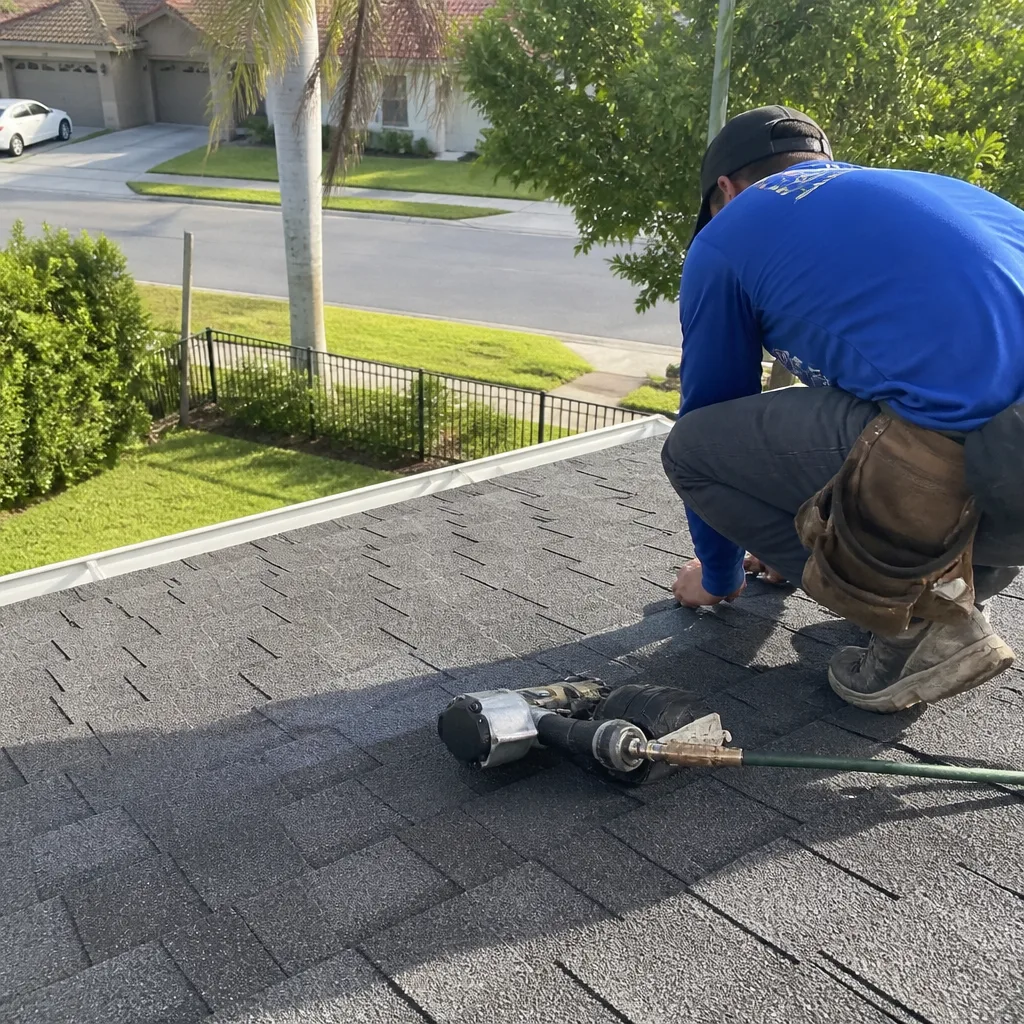 After
After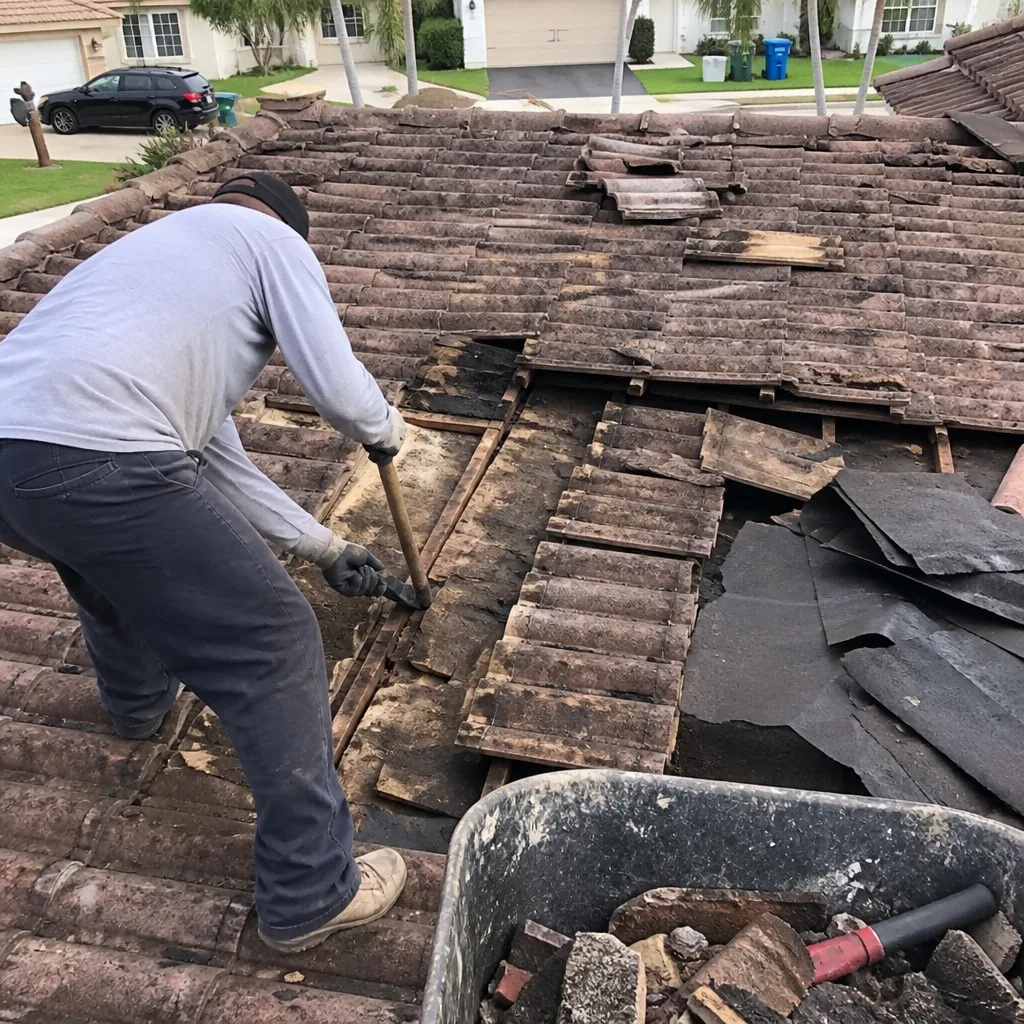 Before
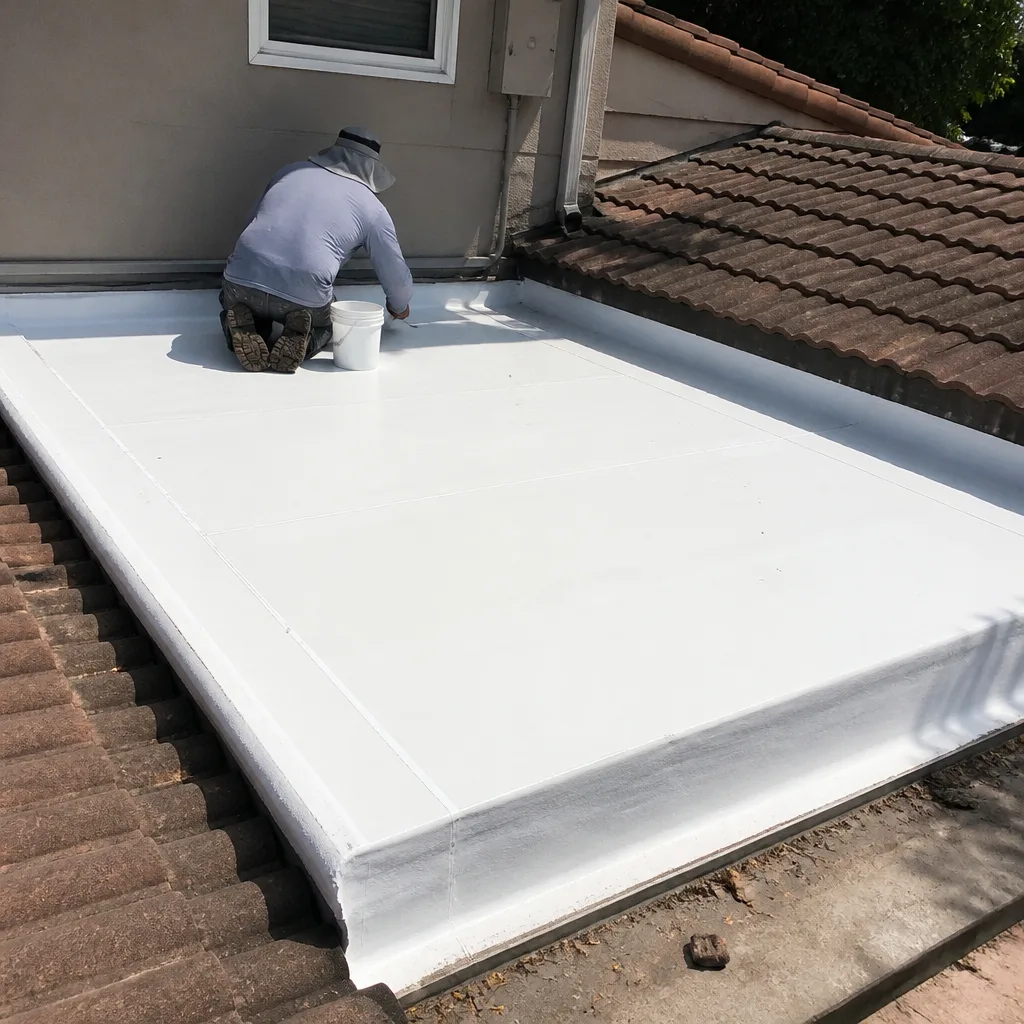 After
After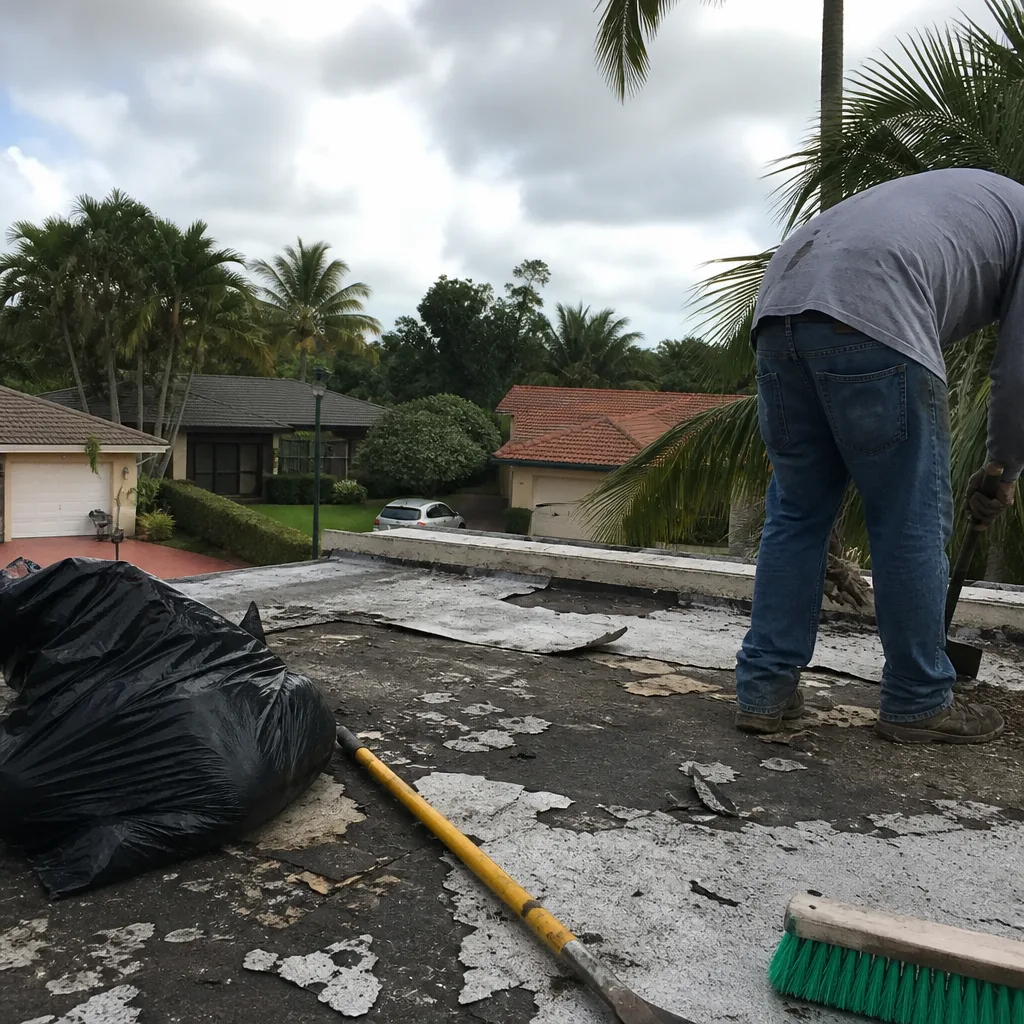 Before
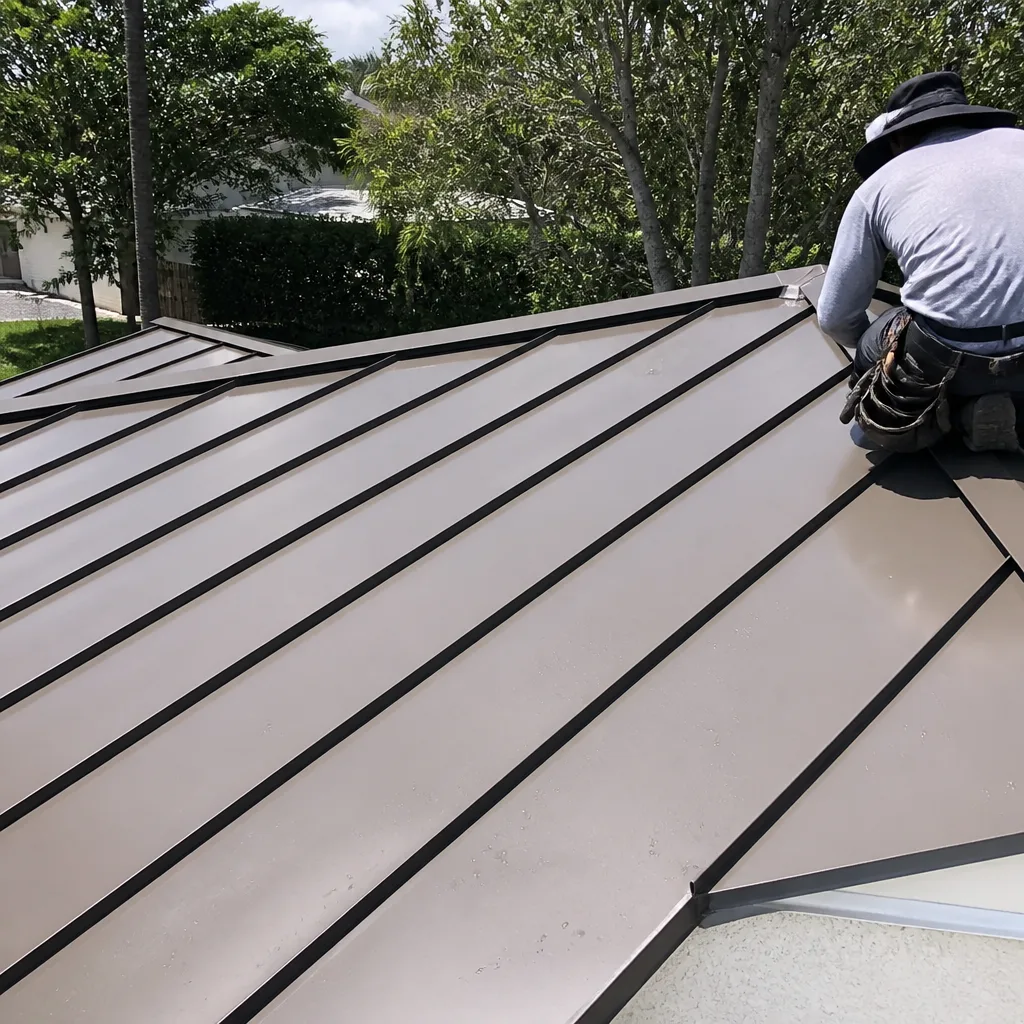 After
AfterFlat Roof Patch in Miami, FL
A flat roof patch in Miami typically costs $350 to $900 for most residential repairs, and smaller fixes around vents, seams, or flashing can often be completed in a single visit. The price depends almost entirely on the size of the damaged area, the roofing membrane you have, and whether the decking underneath has begun to rot. Tilehurst Roofing Miami gives you a written price before any work starts, so you’ll know the exact number before we touch the roof. If you’re looking at a leak right now, our Leak Repair team is available-call (850) 613-1762 and a live person will answer, day or night.
Flat roofs are common across Miami’s mid-century homes, carports, and additions. While they’re practical for our climate, they need a different kind of attention than sloped shingle roofs. Water doesn’t run off as quickly, and small punctures or failed seams tend to turn into interior stains faster than homeowners expect. This page explains how flat roof patching works, what it costs here in Miami, and how we approach it. For a broader look at leak repairs, flashing, and shingle work, see our Roof Repair in Miami page. And if you just want the short version: we answer the phone, we show up in the window we give you, and the repair is covered by a written guarantee.
When You Need Flat Roof Patch
Most flat roof problems in Miami start small. A hairline split near a seam, a loose vent boot, a spot where a palm frond scuffed the membrane during a summer storm. Left alone, these small openings let water in every time it rains, and Miami gets about 61 inches of rain a year. That’s a lot of moisture finding its way through a quarter inch of roofing material. Here’s what usually tells us a patch is needed:
- Water stains on ceilings or walls directly under the flat roof section. If the stain appears after rain and grows over time, water is entering somewhere above. In flat roof construction, the water doesn’t always enter directly above the stain; it can travel along the decking before dripping through.
- Bubbles or blisters in the roofing membrane. Miami’s heat and UV exposure causes trapped moisture to expand under the roof surface. These blisters eventually crack open, and that crack becomes an entry point for rain.
- Ponding water that stays for 48 hours or more after a storm. Flat roofs should drain within a day or two. Water that sits longer degrades the membrane faster, especially in salty coastal air like we get in neighborhoods near Biscayne Bay.
- Splits or cracks around roof penetrations. Things that pass through the roof, like vent pipes, HVAC curbs, and exhaust fans, are sealed with flashing. Miami’s heat cycles cause that flashing to expand and contract, and the sealant eventually fails.
- Loose or lifted seams at the edge of the roof. Where the roof meets a parapet wall or the edge metal, the membrane can peel back. This is common after high winds off the Atlantic or from summer squalls that roll through Coral Gables and Kendall.
- Granule loss from modified bitumen or cap sheet surfaces. If you see dark patches where the mineral surface has worn away, the membrane underneath is exposed and aging faster than the rest of the roof.
If you spot any of these, a patch now is far cheaper than a full roof replacement later. The moment water gets under the membrane, it starts breaking down the decking. That’s when a $500 patch becomes a $4,000 structural repair.
Our Flat Roof Patch Process
We follow the Kingswell Way on every job, whether it’s a small patch or a full replacement: say the price before the work, show up in the window we gave, leave the place cleaner than we found it, put the guarantee in writing, and come back if it fails. Here’s how a flat roof patch with Tilehurst Roofing Miami goes:
- You call, a person answers. No voicemail, no callback queue, no waiting until Monday. Call (850) 613-1762 and tell us what you’re seeing. We’ll ask a few questions about the roof section, where the leak is showing inside, and how long it’s been happening.
- We schedule a visit and show up in the window. A background checked, uniformed technician arrives at your Miami home at the time we agreed on. You’ll know exactly who is on your roof before they climb the ladder.
- We inspect the roof and find every affected area. The technician walks the entire flat roof section, not just the obvious damage. We check seams, flashing, penetrations, and the edge details. We also look at the underside of the decking if there’s attic or crawl space access, so we can see the full extent of any water damage.
- You get a written price before any work starts. No estimates over the phone, no price changes at the door. The technician writes down exactly what’s wrong, exactly what we’ll do, and exactly what it costs. If you approve it, we typically start the same day.
- We make the patch using materials that match your roof. We carry options from GAF, CertainTeed, Owens Corning, and more, so the patch material matches the existing membrane, whether that’s modified bitumen, TPO, EPDM, or built-up roofing. The patch is not whatever happens to be on the truck; it’s the right product for your roof.
- You get a written guarantee before we leave. The guarantee is in your hands on the day of the repair, not mailed later. If the repair fails inside the guarantee period, we come back and correct it at no charge under the 365-Day Done Right Promise. That includes a free second visit, no questions asked.
Flat Roof Patch Pricing in Miami
Our How Much Does Roof Repair Cost? (2026 Price Guide) - Miami, FL shows that flat roof patch pricing runs from about $350 for a small seam repair or vent boot reseal up to $900 or more for larger membrane sections, multiple penetrations, or repairs that involve replacing damaged decking. Most single issue patches land in the $400 to $650 range. Every job is priced individually, and the written price you approve is the price you pay.
Here’s a straightforward breakdown of what affects the number:
| Repair Type | Typical Range in Miami | What Affects the Price |
|---|---|---|
| Small seam split or puncture patch | $350 to $500 | Membrane type, roof accessibility |
| Vent boot or pipe flashing reseal | $300 to $450 | Number of penetrations, condition of existing flashing |
| Blister repair (multiple spots) | $400 to $700 | Number of blisters, underlying moisture level |
| Corner or edge metal repair with membrane patch | $500 to $800 | Parapet height, edge metal condition |
| Patch plus decking replacement section | $700 to $1,200+ | Size of rotted decking, structural access |
What drives the cost most is whether water has already gotten to the decking. If the plywood or OSB underneath is soft, we have to cut out and replace that section. That’s more labor and more material. The roofing membrane itself also matters. An EPDM rubber roof patches differently than a TPO or modified bitumen roof, and the materials cost is not identical. Older Miami homes sometimes have built up gravel roofs, and those require more prep work.
You won’t get a vague number from us. The technician writes the price down before any work starts, and that number doesn’t change. No door knocking games, no mid job surprises. And every patch, regardless of size, carries the written guarantee and the 365 Day Done Right Promise. If you want an exact quote for your roof, call (850) 613-1762.
Why Flat Roofs Fail Faster in Miami
This is not a generic problem. Miami’s climate works against flat roofing in specific, predictable ways, and knowing this helps you understand what the repair actually needs to address. We see the same patterns over and over in neighborhoods like Shenandoah, The Roads, and North Miami.
The first factor is UV exposure. We’re at 25.8 degrees north latitude, which means intense sun nearly year round. A flat roof takes that sun directly, with no slope to reduce the angle of attack. Over time, the UV breaks down the chemical bonds in the membrane, making it brittle. Brittle membranes crack. Cracks leak. This is why a flat roof in Miami ages faster than the same roof in, say, Atlanta or Nashville.
The second factor is the rain volume combined with drainage issues. Miami gets heavy, short duration downpours, and flat roofs are designed to shed water slowly through drains or scuppers. When those drains clog with leaves, palm debris, or Spanish moss, water ponds. Ponding water magnifies UV damage and degrades the membrane. It also adds weight. If your roof has been ponding consistently, the patch we install needs to be applied to a sound, dry surface, and we may need to address the drainage issue as part of the repair.
The third factor is the coastal salt air. Homes within a few miles of Biscayne Bay or the Atlantic get a constant film of salt on exposed roof edges, flashing, and metal components. Salt accelerates corrosion on metal flashing and fasteners. A flat roof patch near the coast often involves replacing corroded edge metal, not just the membrane itself. We choose patch materials accordingly, including membrane and flashing options from brands like GAF, CertainTeed, Owens Corning, IKO, Atlas, Tamko, and Boral. The product has to fit the home’s specific exposure, not just whatever is convenient to bring to the job.
Finally, there’s the wind. Summer squalls and hurricane season bring sustained winds that lift and peel membrane edges along parapet walls and roof corners. A patch that doesn’t properly address the lifted edge will fail again in the next storm. We take the time to inspect the entire perimeter, not just the obvious leak site.
Types of Flat Roofs We Patch in Miami
Not all flat roofs are the same, and the patch method depends on what material you have. Here’s what we work with most often in Miami:
Modified Bitumen (Mod Bit)
This is one of the most common flat roof systems on Miami homes built in the 1970s through 1990s. It’s an asphalt based material that comes in rolls and is applied with heat or cold process adhesive. Patches on mod bit typically involve cleaning the area, applying a primer, and then heat welding or adhering a patch that matches the existing cap sheet. The repair bonds to the roof chemically, so it becomes part of the roof, not just a sticker on top of it.
TPO (Thermoplastic Polyolefin)
TPO is a single ply white membrane that reflects heat, which is why it became popular in South Florida. TPO is heat welded at the seams, and patches are done the same way. The technician cleans the area, applies a patch of matching TPO, and heat welds the edges so the patch is fully fused. This is not a job for a handyman with a caulk gun. It requires the right heat welding equipment and the right technique, which our technicians have.
EPDM (Ethylene Propylene Diene Monomer)
EPDM is a black rubber membrane, less common on Miami homes than on commercial buildings, but it appears on some residential additions and carports. EPDM patches use a special adhesive and primer, plus seam tape on the edges. The patch material has to be compatible with the roof’s existing age and flexibility.
Built Up Roofing (BUR)
Older Miami homes, especially those with flat roof sections over garages or patios, sometimes have built up roofs made of alternating layers of asphalt and felt, topped with gravel. Patching a BUR roof means removing the gravel, cutting out the damaged section, and rebuilding the layers. It’s more labor intensive, which is reflected in the price bracket above.
We carry patch materials from all the major manufacturers, including GAF, CertainTeed, Owens Corning, IKO, Atlas, Tamko, and Boral, so the repair matches your roof. You should never have to accept a patch that’s “close enough” because that’s all the contractor had in the truck.
Patch vs. Replacement: How to Know
Most flat roof leaks in Miami can be addressed with a patch. But there’s an honest threshold where patching stops making sense. We’ll tell you if you’ve crossed it. Here’s how to think about it before we even come out:
A patch makes sense when: the leak is localized, the membrane around it is still flexible and in decent shape, the decking underneath is dry and solid, and the roof is less than about two thirds through its expected lifespan. A single split, a failed vent boot, or a few blisters here and there are textbook patch situations.
Replacement starts making sense when: you have multiple active leaks, the membrane is cracked everywhere, ponding has been an ongoing problem for years, or the decking is wet in multiple areas. If a patch on one section is just going to be followed by a patch on another section next month, the math favors replacement. We’ll show you the evidence in plain language and give you written prices for both options. No pressure. The decision is yours, and we’ll stand behind whichever one you choose.
If it’s a patch, the repair carries the written guarantee and the 365-Day Done Right Promise. If the patch fails inside the guarantee period, we return at no charge and correct it. If the roof is too far gone for a patch, we’ll be straight with you about that too.
Safety on Flat Roof Repairs
Flat roof work involves specific risks that homeowners should understand before anyone climbs up. A flat roof that has been leaking for a while may have soft decking underneath that membrane, and soft decking can give way under a person’s weight. That’s a serious fall hazard. There’s also the heat issue: in Miami’s summer, roof surfaces can exceed 140 degrees, and working on hot materials requires the right gear and the right pace. And if the repair involves heat welding, as mod bit and TPO patches do, there’s an open flame or hot air tool on the roof. That’s not something to improvise with.
We want you to know what you’re paying for. Our technicians are background checked, uniformed, and trained on fall protection and heat related safety. We’d rather you not climb up there yourself to “take a look.” If you suspect a leak, call (850) 613-1762, describe what you’re seeing from the ground or inside the house, and let us do the walking. It’s safer, and it protects whatever remaining life your roof has left.
FAQs – Flat Roof Patch
How much does a flat roof patch cost in Miami?
A flat roof patch in Miami typically costs $350 to $900, with most single issue repairs landing between $400 and $650. Simple seam splits and vent boot reseals run on the lower end, while repairs that require multiple patches or decking replacement run higher. The exact price depends on the membrane type, the size of the damaged area, and whether the decking underneath has been compromised. If you need Roof Repair Near Me in Miami, FL, call (850) 613-1762 for a free written estimate; the price we quote is the price you pay, and it’s in your hands before any work starts.
Can you patch a flat roof the same day in Miami?
Yes, in most cases we can patch a flat roof in Miami the same day we inspect it. We keep patch materials from manufacturers like GAF, Owens Corning, CertainTeed, and Atlas on the truck, so the technician can often complete the repair in a single visit. If the damage is extensive or the decking needs replacement, we may need to schedule a follow up with additional materials. When you call (850) 613-1762, tell us what you’re seeing and we’ll give you a straight answer about timing.
Is it cheaper to patch or replace a flat roof?
Patching is almost always cheaper than replacement in the short term, at $350 to $900 for a patch versus $8,000 to $15,000 or more for a full flat roof replacement on a typical Miami home. But patching only makes financial sense if the rest of the roof has life left in it. If the membrane is brittle and cracking in multiple areas, repeated patches add up quickly. We’ll inspect the whole roof, not just the leak, and show you the evidence for either choice.
How long does a flat roof patch last in Miami’s climate?
A properly installed flat roof patch in Miami should last 5 to 10 years when applied to a sound membrane and matched with compatible materials. The patch material matters as much as the installation technique. A patch that bonds to the existing membrane through heat welding or proper adhesive lasts far longer than a quick caulk and go fix. Every Tilehurst Roofing Miami patch is covered by a written guarantee, and if it fails inside that period, we return at no charge under the 365-Day Done Right Promise.
Do you guarantee flat roof patch repairs?
Yes. Every flat roof patch from Tilehurst Roofing Miami is covered by a written guarantee that’s placed in your hands before the crew leaves, not mailed later. If the repair fails inside the guarantee period, we return at no charge to correct it. The 365-Day Done Right Promise covers a full year of documented accountability on every job, with a free second visit if the repair doesn’t hold. That’s the standard, not an add on.
Can you come out today if my flat roof is actively leaking?
We’ll do everything we can to get a technician to your Miami home the same day you call. A live person answers our phones 24 hours a day, 7 days a week, including evenings and weekends, and they can get you scheduled fast. We know Miami rain doesn’t wait, and neither should your Roof Repair services. Call (850) 613-1762 right now; if we can’t get there today, we’ll tell you honestly and get you the earliest available window.
Why Miami Homeowners Call Tilehurst Roofing for Flat Roof Patches
We know a lot of Miami homeowners come to us after a bad experience. A contractor who no showed. A price that changed at the door. A repair that failed within weeks. That’s frustrating, and it’s not how we work.
Tilehurst Roofing Miami is part of the Kingswell family of roofing companies, founded in 2000. Each location is independently owned and operated under the Kingswell Guarantee, which means we agree to the same standard everywhere: written price before the work starts, written guarantee on every repair, live person answering every call, and a full year of accountability through the 365-Day Done Right Promise. It’s a simple set of rules, and we follow them on every patch, no matter how small.
A flat roof patch is not a small thing when it’s your ceiling that’s stained and your drywall that’s swelling. We treat it with the same care we’d give a full roof replacement. Background checked, uniformed technicians on the roof. The right material for your membrane. A clean job site when we leave. And a guarantee in writing, so the promise is real.
If your flat roof is leaking, or if you’ve noticed any of the warning signs above, call (850) 613-1762. Tell us what you’re seeing. We’ll get you a straight answer, a written price, and a repair that holds. That’s the Kingswell Way, and it’s the only way we work.
Written by Greg Holloway, Owner at Tilehurst Roofing Miami, serving Miami.