
Last updated October 17, 2026
 Metal roofing
 Architectural shingles
 Tile roofing
 GAF
GAF Owens Corning
 Flat & low-slope
Free roof inspection with deck photos before we talk money - GAF and Owens Corning certified installation
Roofing Company Maintenance Checklist for Miami Homeowners
The six weeks after hurricane season ends are the most dangerous stretch of the year for a Miami roof. Not because storms are still coming, but because homeowners exhale, look up once, see no missing shingles or cracked tiles, and assume the roof did its job. It usually did. What they’re missing is the slow damage already underway: lifted flashing, hairline cracks in ridge mortar, underlayment that’s been wet for weeks and is now quietly delaminating. This guide is built around those silent failure points. You’ll learn what to check monthly, what to check seasonally, and what to leave to a professional before a $400 repair becomes a $14,000 replacement.
Styles & brands we work with
Quick Answer
A Miami roof maintenance checklist should follow the city’s actual weather pattern, not the four seasons: monthly visual checks during wet season (May through October), a thorough inspection and cleaning during the dry-season window (November through April), and immediate post-storm checks after any named system passes within 50 miles. The five critical zones are mortar ridge caps, hip ends, valley underlayment edges, pipe boot collars, and parapet wall step flashing. For a detailed look at what drives these numbers, see our Roofing Cost Breakdown: The Miami Homeowner’s Reference for 2026. Most asphalt-shingle repairs in Miami run $350 to $800, while tile repairs typically cost $450 to $1,200 depending on access and underlayment condition.
Table of Contents
- The Miami Maintenance Calendar: Wet Season, Dry Season, and the Two Dangerous Transition Windows
- The Five Places Water Gets In Without Breaking a Single Tile
- Biological Growth: When Algae and Lichen Stop Being Cosmetic
- Your Monthly DIY Check: What to Look For From the Ground and the Eaves
- What a Legitimate Professional Maintenance Visit Should Include
- The Insurance-Maintenance Connection: Documenting to Protect Your Claim
- Common Mistakes to Avoid
- When to Call a Professional
- Frequently Asked Questions
- The Bottom Line
Before we get into the month-by-month work, know this: a well-maintained Miami roof should last 20 to 25 years if it’s asphalt shingle and 40 to 50 years if it’s tile. The difference between hitting those numbers and replacing a decade early is rarely the roof itself. It’s the maintenance schedule you keep or skip. Our team at Tilehurst Roofing Miami home has walked thousands of roofs in this city, and the pattern is consistent: the homes with documented maintenance histories have roofs that age gracefully. The ones without them have roofs that fail suddenly.
The Miami Maintenance Calendar: Wet Season, Dry Season, and the Two Dangerous Transition Windows
Miami doesn’t have four seasons. It has two: the wet season from May through October, when afternoon thunderstorms arrive like clockwork and hurricane threats peak in August and September, and the dry season from November through April, when the sun beats down relentlessly and temperatures swing enough to stress roofing materials. But the real damage happens in the two transition windows: May, when the first heavy rains hit roofs that have been baking and expanding for months, and October into November, when the last storm systems move through and leave behind damage nobody investigates because the season is “over.”
Here’s the month-by-month rhythm we recommend for roofing company in Miami homeowners:
January through March: Dry Season Inspection Window
- Full roof inspection from the ground and, if safe, from a ladder at the eaves. Dry season is when cracks and gaps are most visible because the roof isn’t wet and swollen.
- Gutter cleaning after winter winds drop leaves and debris. Clogged gutters in Miami back water up under the eaves and into the fascia, which is a slow-rot problem most homeowners don’t notice for years.
- Check pipe boots and flashing around vents, skylights, and chimneys. The dry-season heat causes sealants to shrink and crack; by March, the damage is visible if you know where to look.
- Schedule any needed repairs now. Contractors are less slammed than during storm season, and materials aren’t in short supply. You’ll get better pricing and faster scheduling.
April through May: Pre-Wet-Season Preparation
- Deep clean the roof surface. Remove all organic debris before the daily rains start. Debris holds moisture against the roof surface, and moisture accelerates underlayment breakdown.
- Re-seal any gaps or cracks found during the dry-season inspection. This is the single most important window for preventive work in Miami.
- Test drainage. Run a hose on the roof (or wait for the first big May thunderstorm) and watch where water flows. If it’s not moving toward the gutters and downspouts, you’ve got a ponding problem that will accelerate any existing weakness.
- Trim overhanging branches. Foliage rubbing against tile or shingles during windy wet-season afternoons causes pitting, granule loss, and tile cracking.
June through September: Wet Season Monitoring
- Monthly visual checks from the ground after the heaviest storms. Look for shifted tiles, exposed underlayment, and new staining on ceilings or walls inside the home.
- Check the attic monthly for dampness, dark staining on the underside of decking, or a musty smell. Attic moisture in Miami during wet season is often the first sign of a roof leak before it shows on a ceiling.
- Keep gutters clear through the summer. Afternoon thunderstorms dump water fast, and a single clogged downspout can turn a minor issue into water intrusion.
- Document everything. Photos, dates, what you observed. This becomes your maintenance record, and we’ll explain why that matters in the insurance section below.
October through December: Post-Storm Assessment
- Walk the perimeter and photograph the roof after any named storm passes within 50 miles of Miami. Even if the roof looks fine from the ground, document it.
- Look for lifted edges on shingles, tiles, and flashing. Wind gets under edges and creates lift that doesn’t show as a “missing piece” but allows water in during the next storm.
- Check attic spaces again before the dry season starts. If water got in during a storm, the attic will show it within days.
- Schedule any storm-related repairs before January, when the next dry-season inspection rolls around. The six weeks after hurricane season are when undetected Miami roof damage compounds fastest.
The Five Places Water Gets In Without Breaking a Single Tile
Here’s the thing most generic roof checklists miss: on a Miami tile roof, the tile itself is almost never the problem. Tile is tough. It’s not waterproof, but it’s designed to shed water onto the underlayment beneath it, which is the actual waterproof barrier. Leaks happen where the underlayment fails or where water gets channeled behind the tile through a gap. Here are the five infiltration points we see over and over again on Miami roofs, including in neighborhoods like Coral Gables, Pinecrest, and Kendall:
- Mortar ridge caps. The ridge is the highest point of the roof, and in Miami, the mortar holding ridge cap tiles in place takes a beating from wind, rain, and relentless sun. When that mortar cracks or falls away, the ridge tile shifts or lifts, and every rainstorm sends water underneath. On tile roofs, cracked ridge mortar is the single most common source of leaks we see.
- Hip ends. Where two roof slopes meet, hip tiles cover the seam. The end cap of that hip is a vulnerable point because it’s often the first tile to catch wind. Once it loosens, water travels along the hip line, under the tiles, and onto the underlayment, where it spreads. You won’t see it until the underlayment fails completely and staining appears inside.
- Valley underlayment edges. Valleys are the channels where two roof planes meet and direct water toward the eaves. Underlayment in valleys is doubled or reinforced, but its edges are notorious failure points. If the underlayment edge lifts, tears, or simply degrades after years of Miami sun and rain, water gets between it and the decking. By the time you see a dark spot on the ceiling below, the decking itself may already need repair.
- Pipe boot collars. Every plumbing vent that pokes through your roof has a rubber or neoprene boot around it, sealed at the base. In Miami’s UV-heavy climate, these boots crack and dry-rot in as little as five years. The boot is a $25 part. The repair is a few hundred dollars. Ignored, the water it lets in rots decking and stains ceilings, and suddenly you’re replacing a section of roof structure.
- Parapet wall step flashing. Many Miami homes, especially in older neighborhoods like Shenandoah and Silver Bluff, have flat or low-slope sections behind parapet walls. The step flashing where the wall meets the roof is a series of metal pieces that direct water away from the joint. If the flashing is bent, corroded, or improperly installed, water gets behind it and into the wall cavity. This kind of leak can run for years without showing on a ceiling because the water is trapped inside the wall.
If you check nothing else on this entire list, check these five points. They account for the majority of “mystery leaks” on Miami roofs. And if you or your maintenance provider isn’t looking at these specifically, you’re not getting a real inspection.
Biological Growth: When Algae and Lichen Stop Being Cosmetic
Miami’s heat and humidity are a perfect incubator for biological growth on roofs. You’ve seen it: black streaks on shingles, green patches on tile, gray crusty spots that look like they’re just sitting there being ugly. The homeowner assumption is that this is a cosmetic problem, something to pressure-wash off when the HOA sends a letter. That assumption is wrong in ways that matter to your wallet.
The black streaks on asphalt shingles are almost always Gloeocapsa magma, a cyanobacteria that feeds on the limestone filler in shingles. It doesn’t just sit on the surface. It penetrates the granule layer and accelerates granule loss over time. Granule loss means UV damage to the asphalt beneath, which means premature shingle failure. On tile roofs, algae creates a slippery film that traps moisture against the tile surface, and that trapped moisture promotes the growth of lichen. Lichen sends microscopic root-like structures into tile surfaces and underlayment edges, physically degrading both. In Miami’s climate, a roof that goes five or more years without a professional cleaning often shows measurable underlayment degradation at the edges where growth concentrates.
Here’s the part most cleaning companies won’t tell you: pressure washing a tile or shingle roof will void most manufacturer warranties. The force strips granules from shingles and micro-fractures the glazing on tile. It drives water up and under edges, which is exactly what you’re trying to prevent. The proper method is a soft wash with a solution rated for roofing materials, applied at low pressure, and followed by a rinse. If you’re using a cleaning company, ask them what solution they use and what pressure they apply. If they can’t answer both clearly, find someone else.
For shingle roofs, many manufacturers approve of zinc or copper strips installed at the ridge to prevent algae regrowth. For tile, a properly applied soft wash once every two to three years typically keeps growth manageable. And if you have a newer roof, check your warranty before anyone touches it with a pressure washer. We’ve seen homeowners in Miami void 30-year warranties with one afternoon of aggressive cleaning.
Your Monthly DIY Check: What to Look For From the Ground and the Eaves
You don’t need to be on your roof every month. In fact, we’d prefer you stayed off it unless you’re comfortable with heights and have the right ladder. But you can do a meaningful monthly check from the ground and from a ladder at the eaves, and here’s exactly what to look for:
- Missing, shifted, or cracked tiles or shingles. From the ground, look for visual interruptions in the roof plane. Miami’s afternoon thunderstorms and tropical wind gusts can shift a single tile enough to expose the underlayment seam beneath it.
- Visible underlayment. Anywhere you see the black or gray layer beneath the roof covering is a problem. It means the outer protection has failed or shifted, and water is one storm away from the decking.
- Granule accumulation in gutters or at downspout bases. Asphalt shingles shed granules as they age. A sudden increase in granules is a sign of accelerated wear or storm damage. If you see a lot of granules after a single storm, document it and call a professional.
- Moss, algae, or lichen growth. We covered this above, but catch it monthly. Growth spreads fast in Miami’s wet season, and early intervention is cheaper.
- Staining on ceilings, walls, or around attic access points. Inside the home, look up. Water travels, so a stain on a bedroom ceiling might be a leak that started at the roof peak and followed a rafter down.
- Sagging or bubbling areas in the roof plane. From the ground, look for areas where the roof line dips or looks uneven. This suggests decking damage beneath the covering, which is a structural issue, not just a roofing one.
- Flashing and boot conditions at the eaves. From a ladder, inspect what’s visible: the base of pipe boots, the edge of chimney flashing, the drip edge at the eaves. Look for gaps, rust, lifted metal, or dried cracked sealant.
If you’re uncomfortable with any of these checks, that’s fine. A roof repair in Miami professional can do a courtesy inspection during a maintenance visit. The important thing is that you’re looking monthly, because in Miami’s climate, a small problem compounds quickly.
What a Legitimate Professional Maintenance Visit Should Include
The phrase “roof maintenance visit” covers a lot of ground in this industry, and not all of it is honest. We’re going to tell you what a legitimate visit looks like so you can compare proposals and reject the incomplete ones. This is the standard we apply to every maintenance visit at our Roofing Company services in Miami:
- Written scope of work before anything starts. You should know exactly what will be checked, cleaned, sealed, and documented before anyone gets on the roof. If the scope is vague, the visit will be vague.
- Full inspection of all five infiltration points we detailed above: ridge caps, hip ends, valleys, pipe boots, and parapet flashing. Not a quick look. A documented, point-by-point check with notes on condition and any necessary follow-up.
- Inspection of underlayment condition wherever it’s accessible. On tile roofs, this means lifting a few tiles at strategic points (ridge, valley edge, eave edge) to check the underlying barrier. If a maintenance provider never lifts a tile, they can’t actually tell you the condition of your roof’s waterproofing.
- Cleaning as needed, including gutter clearing, debris removal from valleys and behind parapet walls, and soft-wash treatment where biological growth is present.
- Documentation with photos. You should receive a photo record of your roof’s condition: what was found, what was done, and what’s being monitored. This is your maintenance record, and it’s worth real money when insurance claims come up.
- A written summary and any recommended repairs, with pricing. Not a verbal “you might want to think about this.” A written list with line-item pricing so you can make an informed decision.
If a maintenance provider can’t or won’t provide this level of documentation, you’re not getting maintenance. You’re getting a quick look and a bill. At Tilehurst Roofing Miami, every maintenance visit follows this protocol because we’re part of the Kingswell family of roofing companies, founded in 2000 on the principle that a written price and a written record are the foundation of every good roofing relationship. Greg Holloway and our team operate every job on what we call The Kingswell Way: say the price before the work, show up in the window we gave, leave the place cleaner than we found it, put the guarantee in writing, and come back if it fails.
The Insurance-Maintenance Connection: Documenting to Protect Your Claim
Here’s a truth most Miami homeowners don’t learn until it’s too late: your roof’s maintenance history directly affects whether your insurance company pays a claim, and how much they pay. For the regulatory side of this, read our guide to Roofing Permits, Codes & Inspections in FL: What You Need to Know. Florida carriers in the post-2022 insurance market are aggressive about denying roof claims, and one of their primary tools is the maintenance gap.
If you file a wind damage claim after a storm and your roof is 15 years old with no documented maintenance history, the carrier’s adjuster has grounds to argue that the damage was pre-existing or that the roof failed due to neglect rather than the storm event. They’ll call it “wear and tear,” and wear and tear is excluded from most policies. This isn’t an exaggeration or a scare tactic. It’s the reality of Florida insurance law after Hurricane Irma and Hurricane Ian, when carriers absorbed massive roof claim losses and responded by tightening underwriting and claims handling.
Your defense is documentation. Keep a simple file (digital or paper) with:
- Dates and photos from every maintenance visit or DIY check, showing the roof’s condition over time.
- Professional inspection reports with photos and written findings from any roofer who’s been on the roof.
- Repair invoices and written guarantees for any work you’ve had done.
- Pre-storm and post-storm photos, especially in the window after hurricane season when damage is most likely to go unrecorded.
If you’ve been doing monthly checks and documenting them, your claim file shows a pattern of responsible ownership. That’s harder for an adjuster to wave away. If you haven’t been documenting, start now. Even a few months of dated photos establishes a baseline you can point to.
One more note: when filing a claim after a storm, get your own professional inspection before the adjuster arrives. An experienced roofer can identify storm-specific damage patterns (wind direction, impact points, lifted edges) that a general adjuster might miss, and having that independent assessment in your hand when the adjuster comes changes the conversation. This is where having a roof replacement in Miami specialist who knows the local claims environment matters.
Common Mistakes to Avoid
- Assuming “no visible damage” means “no damage.” After a storm, Miami homeowners look for missing tiles and shingles. The real damage is usually hidden: lifted edges, underlayment tears, flashing gaps. Get a professional post-storm inspection even if the roof looks intact from the ground.
- Pressure washing a tile or shingle roof. We said it earlier and we’ll say it again: this voids most manufacturer warranties and actively damages the roof. Soft wash only, with roofing-approved solutions.
- Ignoring biological growth because it’s “just cosmetic.” Algae and lichen are actively degrading your roof in Miami’s climate. The longer you wait, the deeper the damage and the more expensive the remediation.
- Skipping maintenance in the dry season because the roof “isn’t leaking.” Dry season is when you prevent wet season leaks. The Miami homeowners who schedule maintenance in January don’t have emergency repair bills in August.
- Filing an insurance claim without your own inspection. The adjuster works for the carrier, not for you. Your own documented professional assessment is the strongest tool you have in the claims process.
- Hiring the cheapest maintenance bid without checking what’s included. A $99 “roof inspection” that doesn’t lift a tile or document anything is worth exactly what you paid. Compare scopes of work, not just prices.
- Deferring small repairs to “next year.” In Miami’s rain-heavy climate, a $300 flashing repair deferred becomes a $3,000 decking replacement. Water doesn’t wait, and 80-plus inches of annual rainfall doesn’t forgive.
These mistakes share a common thread: they all come from assuming the roof will tell you when it needs attention. It won’t. By the time your Miami roof tells you, with a ceiling stain or a water mark, the underlying damage has already happened. Maintenance is the act of finding the problem before the roof has to announce it.
When to Call a Professional
Some roof work is appropriate for a careful homeowner with a ladder and good judgment. A lot of it isn’t. Here’s when to stop and call someone who does this every day: any time you can see underlayment, any time you have water intrusion inside the home, any time after a named storm passes within 50 miles, any time you notice biological growth that’s been there more than a few months, and any time you’re simply not comfortable being on a ladder. Roof work is dangerous, and tile roofs in particular are unforgiving if you slip. The goal of this guide is not to turn you into a roofer. It’s to help you know enough to spot problems early and know when to bring in experienced eyes. Tilehurst Roofing Miami offers free estimates in Miami, with a written price before any work starts. Call (850) 613-1762 to schedule yours. A live person answers 24/7, not a voicemail queue.
Frequently Asked Questions
Twice a year is the right rhythm for Miami: once during the dry season (December through February) and once after hurricane season ends (November). The post-storm inspection catches damage before it compounds, and the dry-season inspection gives you a clean maintenance window before the daily rains return. If you’re diligent about monthly DIY checks, twice a year professionally is plenty.
Professional roof maintenance visits in Miami typically run $200 to $450 for a full inspection with documentation and minor sealing work, and $450 to $800 when a soft-wash cleaning is included. Tile roofs trend toward the higher end because access is more careful and the inspection involves lifting tiles at multiple points. Call (850) 613-1762 for an exact quote. Estimates at Tilehurst Roofing Miami are always free, and the price is in writing before any work starts.
You can absolutely do ground-level checks, gutter maintenance, and monthly visual inspections yourself, and you should. What you shouldn’t do is get on the roof, lift tiles, reseal flashings, or attempt any repair. Roof work is physically dangerous, and the inspection points that matter most (underlayment edges, valley conditions, parapet flashing) require being on the roof with professional context. The best approach is DIY monitoring paired with professional maintenance twice a year.
An asphalt shingle roof in Miami typically lasts 18 to 22 years with proper maintenance, a bit less than the 25 to 30 years common in cooler climates because of UV intensity and humidity. Tile roofs in Miami routinely reach 40 to 50 years on the tile itself, though the underlayment beneath typically needs replacement at the 20 to 25 year mark. The tile isn’t the limiting factor; the waterproof barrier underneath is.
No. Homeowner’s insurance covers sudden, accidental damage like a storm tearing off shingles or a tree falling on the roof. It does not cover routine maintenance, cleaning, or wear-and-tear repairs. However, documented maintenance strengthens your position when you do file a claim, because it removes the carrier’s argument that the damage resulted from neglect rather than the covered event.
An inspection answers the question “what condition is my roof in?” Maintenance answers “what does my roof need to stay in good condition?” A good maintenance visit in Miami includes an inspection as its first step, but goes further: cleaning where needed, sealing small gaps, clearing debris, documenting everything with photos, and giving you a written report with any recommended follow-up work. An inspection without the maintenance step leaves you informed but unprotected.
The Bottom Line
Miami roofs fail in patterns, and those patterns follow the weather. The wet season pounds and the dry season bakes, and the transitions between them are where damage compounds fastest. A real maintenance checklist for this city is built around those rhythms: monthly checks during the wet months, comprehensive work during the dry window, and immediate attention after every storm. The five infiltration points we detailed (ridge caps, hip ends, valleys, pipe boots, and parapet flashing) are where most Miami roof leaks actually start, not at the broken tile. Document everything, because your maintenance record is your insurance claim’s best friend. For more guides & resources on protecting your home, explore our blog. And when the job calls for professional eyes, get a written price before any work starts and a written guarantee before the crew leaves. That’s how maintenance protects you, and that’s the standard we hold ourselves to at Tilehurst Roofing Miami.
Written by Greg Holloway, Owner at Tilehurst Roofing Miami, serving Miami since 2000.
See the difference
 Before
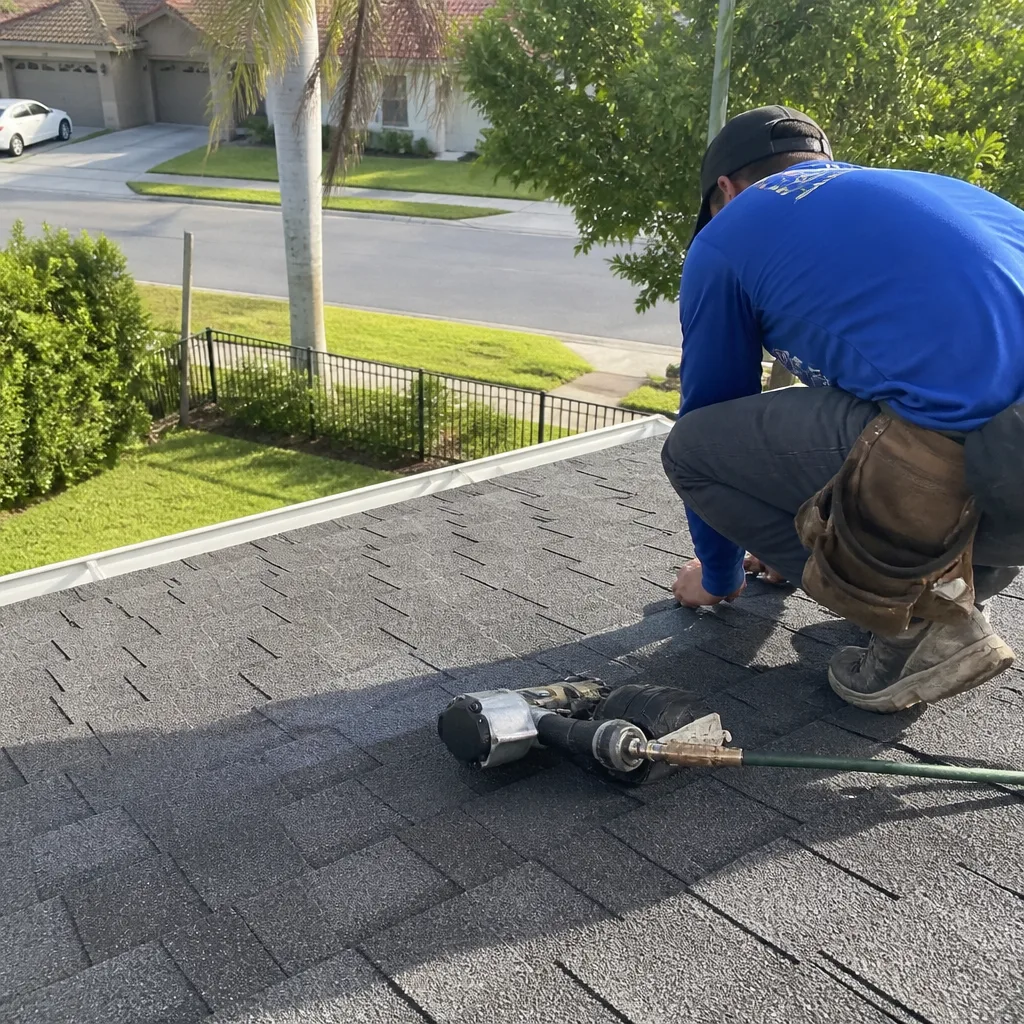 After
After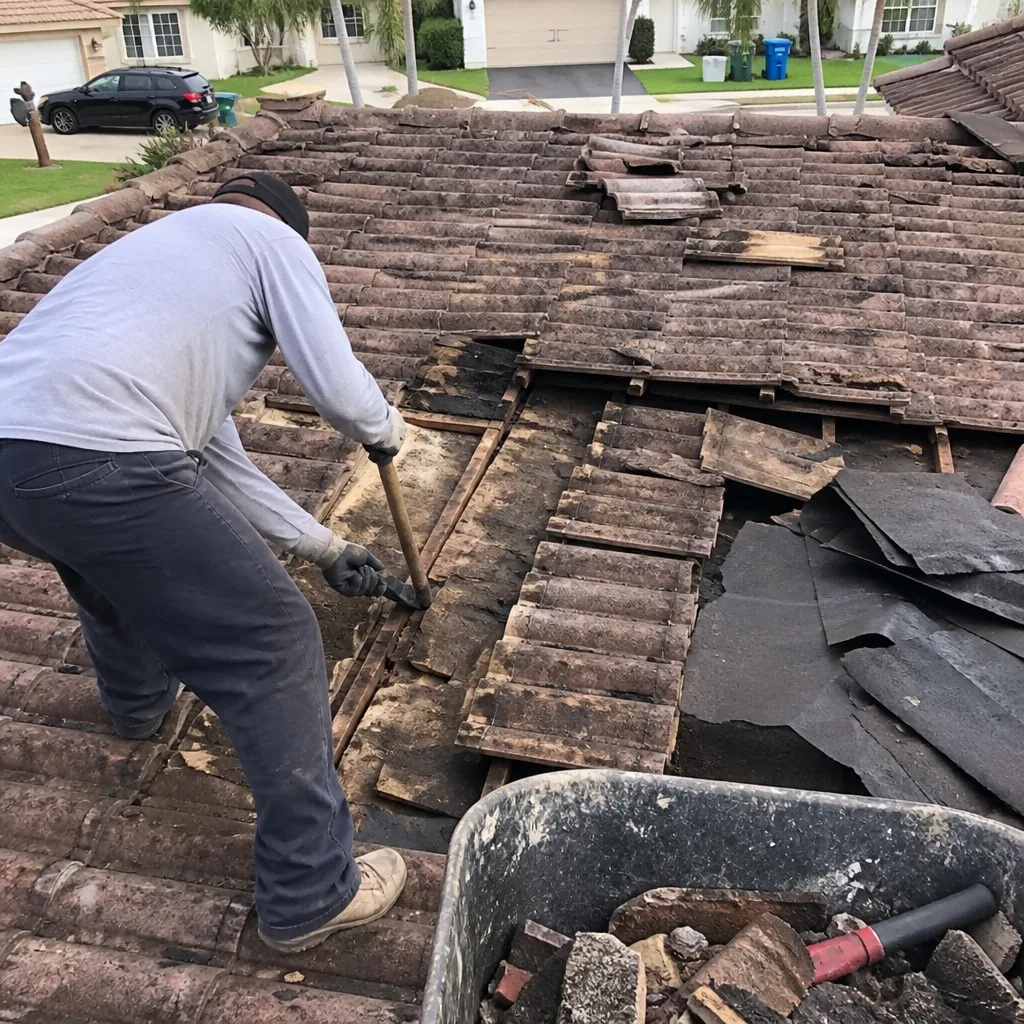 Before
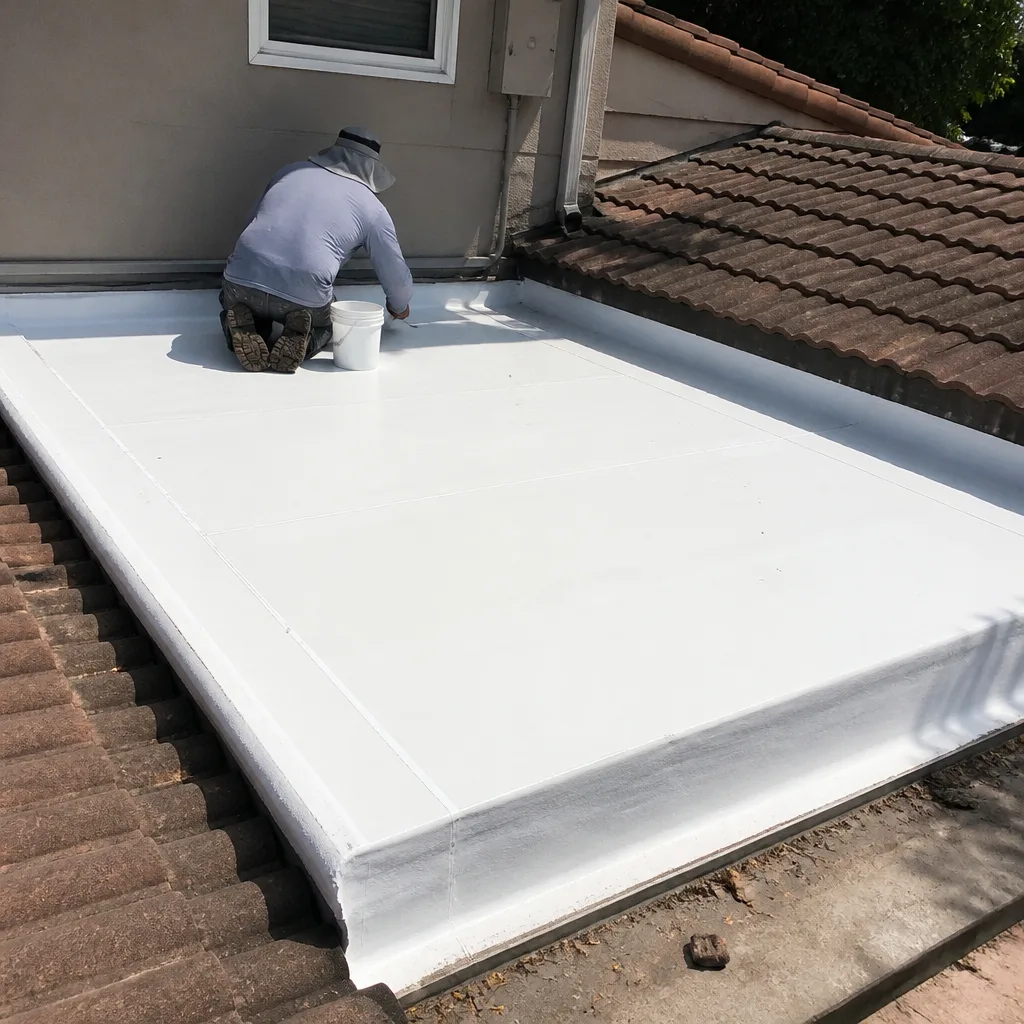 After
After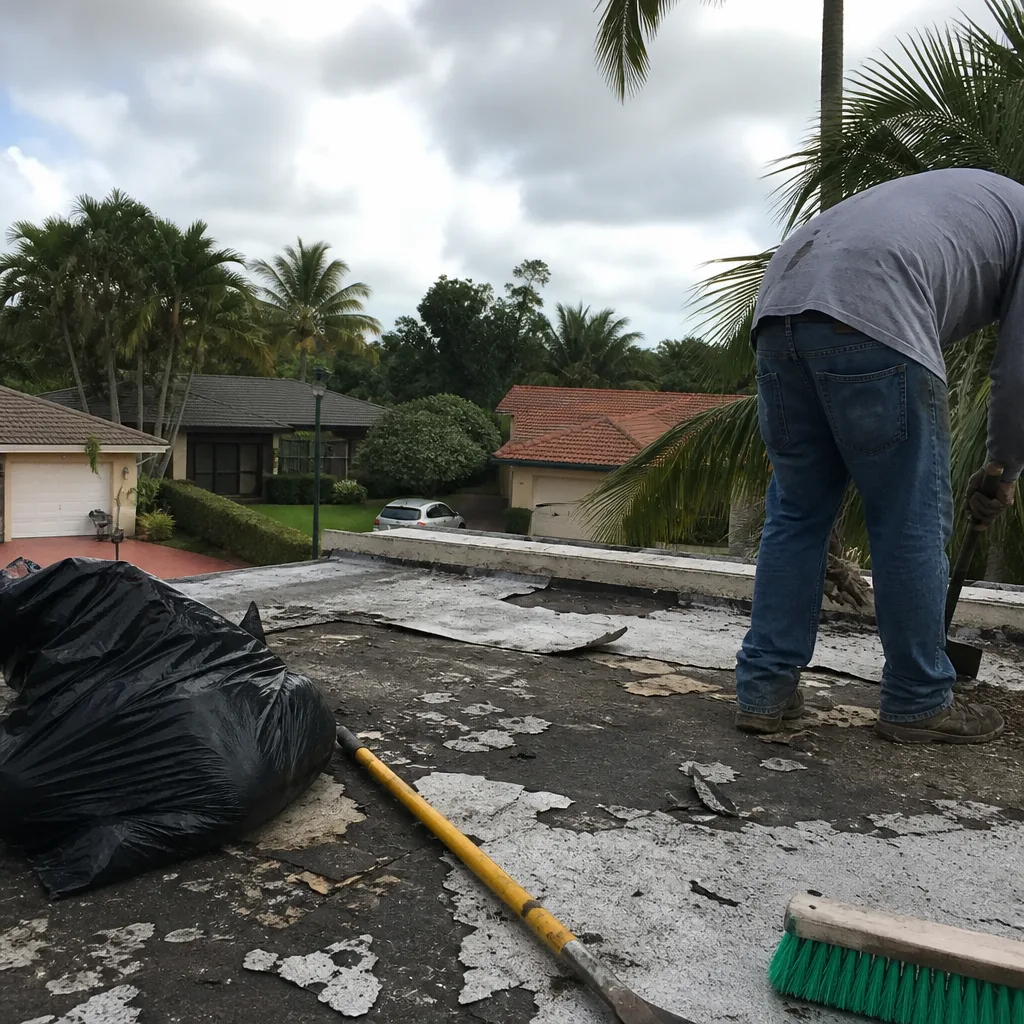 Before
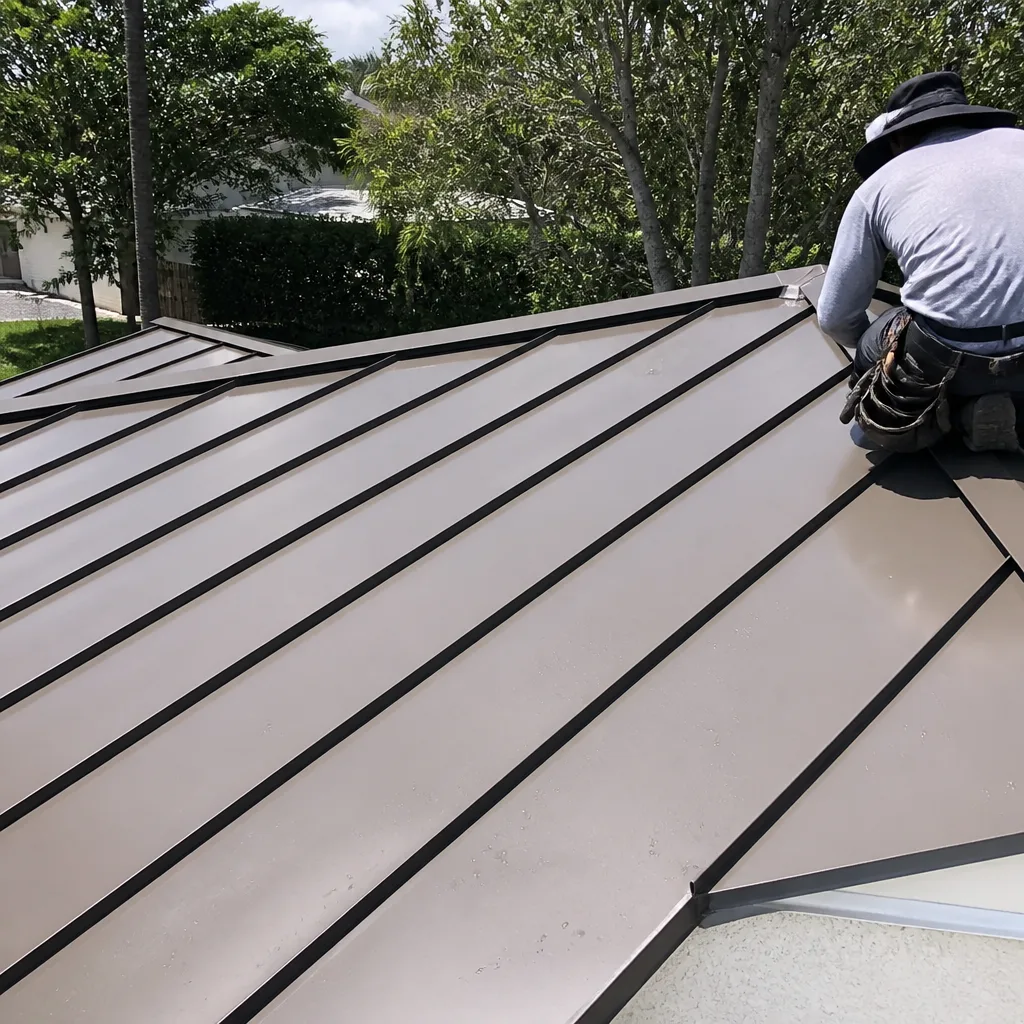 After
After