
 Tile roofing
 Architectural shingles
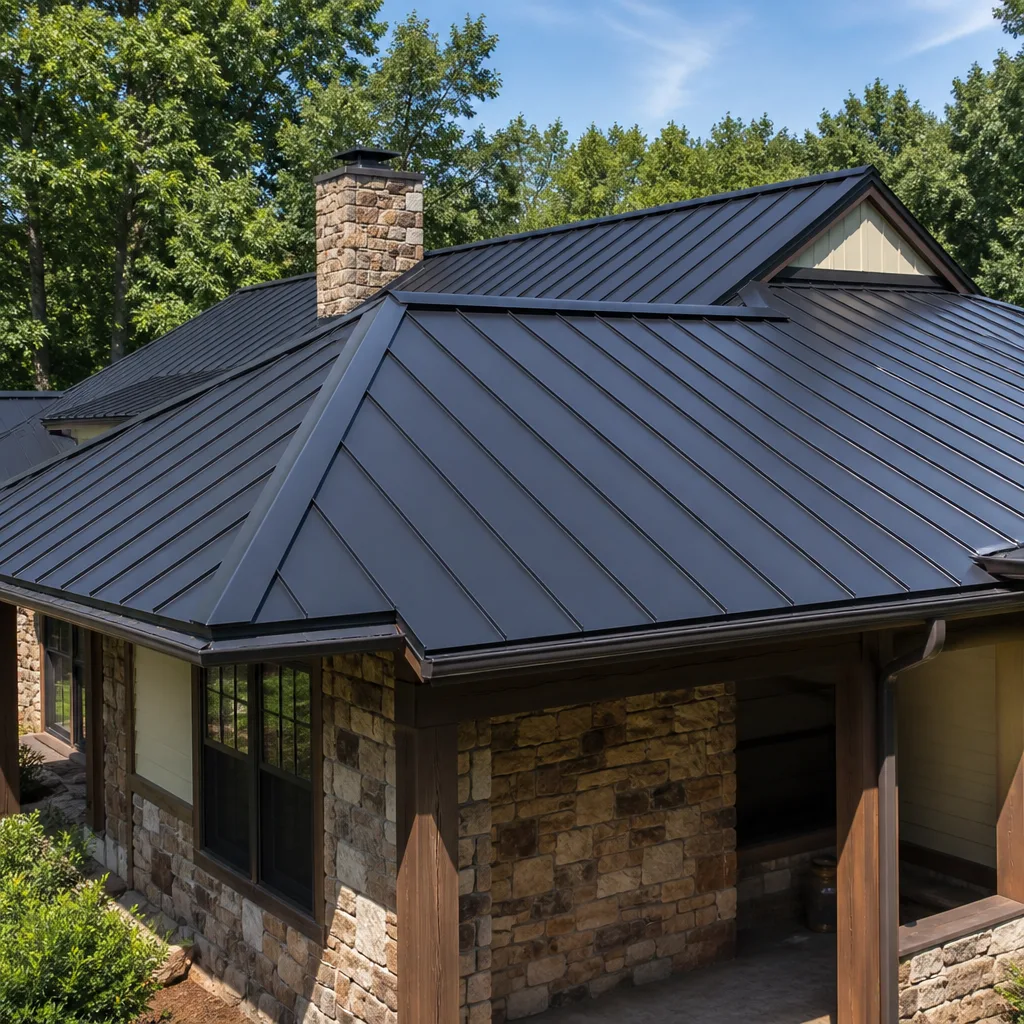 Metal roofing
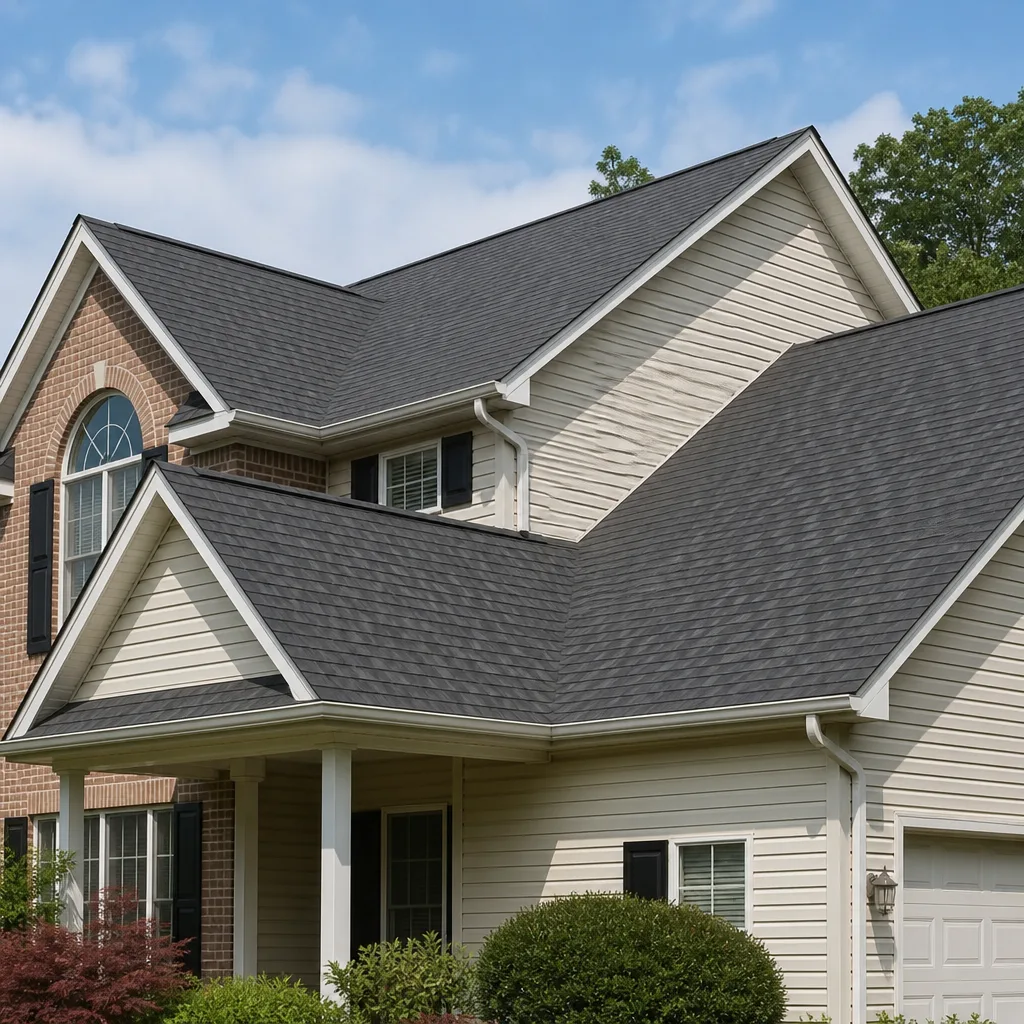 GAF
GAF Owens Corning
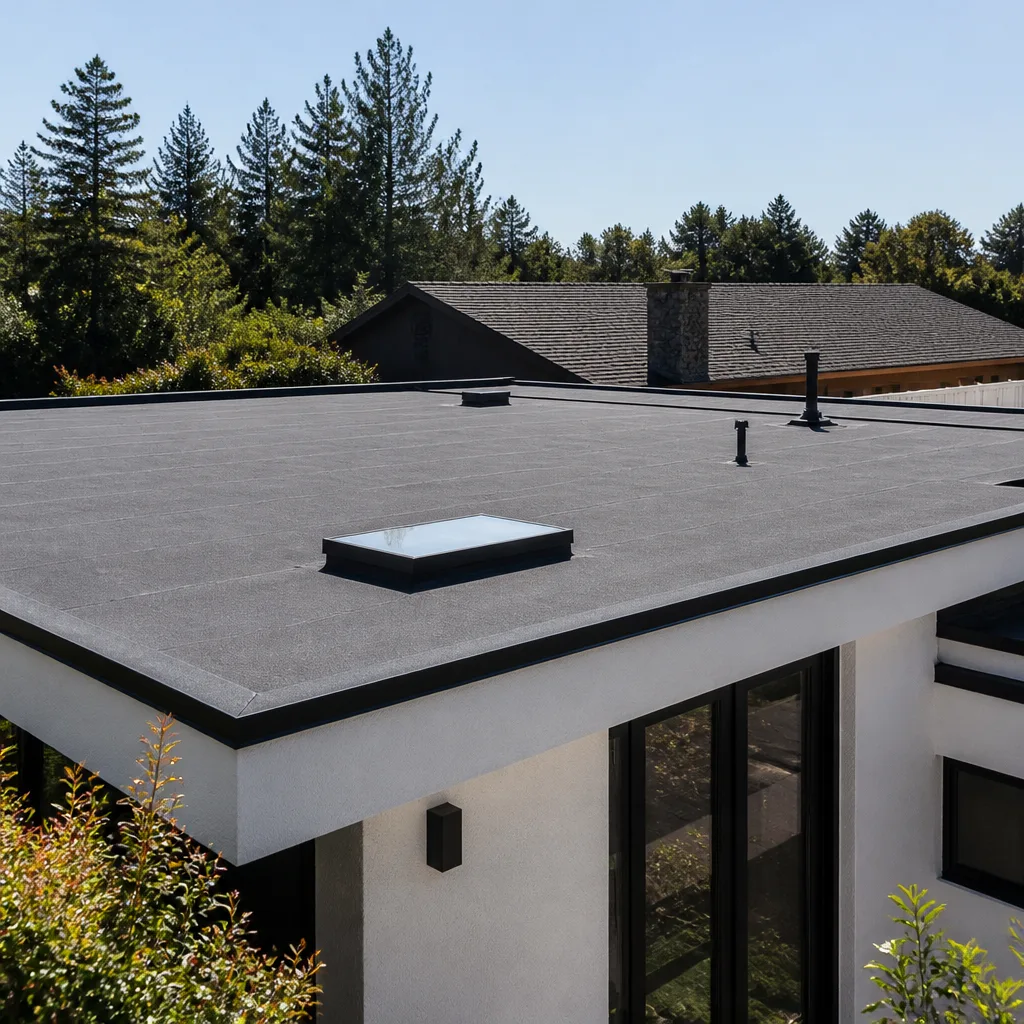 Flat & low-slope
Free roof inspection with deck photos before we talk money - GAF and Owens Corning certified installation
IKO Flashing Replacement: The Miami Owner’s Guide
IKO flashing replacement in Miami typically runs $350 to $900 installed, depending on the flashing type, roof pitch, and how much of the surrounding shingle or tile has to come up. We stock IKO-compatible flashing on our trucks and can usually complete the swap the same day we diagnose it. Most Miami homeowners find out their flashing has failed the same way: a brown ceiling stain appears after a heavy downpour, or they spot daylight peeking through a gap where the roof meets a wall, chimney, or skylight.
Flashing is the metal material, usually aluminum or galvanized steel, that seals the seams where your roof changes direction or meets a vertical surface. IKO’s product line relies on standard-profile flashing, but the exact gauge, width, and bend pattern matters more than the brand name stamped on it. In Miami’s salt air and hurricane season, flashing takes a beating: wind-driven rain, UV exposure, and thermal expansion all work against it. When it fails, water gets into places you won’t see until the damage is already done.
Which IKO Models This Applies To
The flashing on an IKO roof isn’t a single IKO-branded part in most cases. IKO manufactures the shingles and underlayment, while the flashing is supplied as a compatible component that meets IKO’s installation specifications. That’s the first thing to understand: your flashing replacement needs to match the profile and function of the original installation, not a specific IKO part number.
Here’s where it matters. IKO’s Cambridge, Dynasty, Nordic, and Crowne Slate architectural shingle lines all install over the same standard flashing profiles: step flashing for sidewalls, L-flashing for headwalls, pipe boot flashing for plumbing vents, and a single-piece apron or cricket flashing for chimneys. What differs is the material thickness. Miami-Dade County code requires a minimum 26-gauge metal for most flashing applications, and in coastal exposure zones, 24-gauge is the safer bet. IKO’s own installation bulletins call for corrosion-resistant metal, which puts aluminum and galvanized steel on equal footing, provided the gauge is right.
Aftermarket flashing that meets the same gauge and profile performs just as well as anything labeled OEM. What you should not do is let someone install lighter, thinner flashing to save a few dollars. In Miami’s humidity and afternoon thunderstorms, thin flashing corrodes and warps in three to five years, and you’ll be paying for the same repair again.
Tilehurst Roofing Miami is an independent service provider and is not affiliated with IKO. We install IKO-compatible flashing, and we also stock flashing profiles matched to GAF, Owens Corning, and CertainTeed systems for homes that have mixed materials.
How We Identify the Right Part
On the roof, we measure the existing flashing’s gauge, width, and bend angle, then match it against what the IKO installation manual specifies for that roof transition. We also check the lap pattern. IKO’s instructions call for a minimum four-inch step flashing lap, and a lot of Miami roofs we inspect have flashing lapped at two inches or less because the original installer cut corners. That’s the kind of detail that matters more than any brand label.
Styles & brands we work with
Signs Your IKO Flashing Replacement Is Failing
- Ceiling stains or water spots near a wall, chimney, or skylight. Water travels along the roof deck, so the stain rarely lines up with the actual leak. The staining you see is usually several feet from the failed flashing. By the time the stain shows, water has been getting in for weeks or months.
- Visible gaps or lifted flashing. Miami’s afternoon sun heats metal flashing until it expands, and evenings cool it until it contracts. That cycle eventually works fasteners loose, and the flashing lifts away from the wall or pipe. If you can see a gap from the ground or a ladder, water is already getting through.
- Rust or white corrosion powder on metal flashing. Salt air near the coast accelerates corrosion on galvanized steel. Aluminum-resists rust but develops a chalky white oxidation. Either one is a sign the metal is thinning, and I’ve seen flashing in Coral Gables so thin you could push a fingernail through it.
- Granules collecting in gutters directly below a flashing point. When flashing fails, it doesn’t just leak. It channels water under the shingle edge, which erodes the shingle sealant and washes granules down the roof. Heavy granule loss in one spot often traces back to a flashing problem above it.
- Damp insulation or wet wood in the attic after rain. Run your hand along the roof deck near any chimney or wall junction after Miami’s next downpour. If it feels damp, that’s active water intrusion. Flashing is the most common cause at these transition points.
Replacement Cost & What’s Included
For a standard IKO-compatible flashing replacement in Miami, expect to pay:
- Pipe boot flashing: $175 to $325 per boot, installed
- Step flashing along a sidewall: $350 to $650 for a typical eight-to-ten-foot run
- Chimney flashing (full replacement with counter-flashing): $550 to $900 depending on chimney size and accessibility
- Skylight flashing replacement: $400 to $750 depending on the skylight brand and curb condition
What drives the cost in Miami: roof pitch, the condition of surrounding shingles, whether we’re matching existing flashing with a custom bend, and access. A two-story chimney on a steep pitch in Coconut Grove costs more than a single-story vent pipe in Kendall. Every quote is a written line-item price before any work starts. That includes the flashing material, fasteners, sealant, any shingle or tile reset needed, and disposal of the old metal. You’ll also get our written guarantee on the repair before the crew leaves.
Know the price before we touch the roof, that’s the only way I know how to work.
See the difference
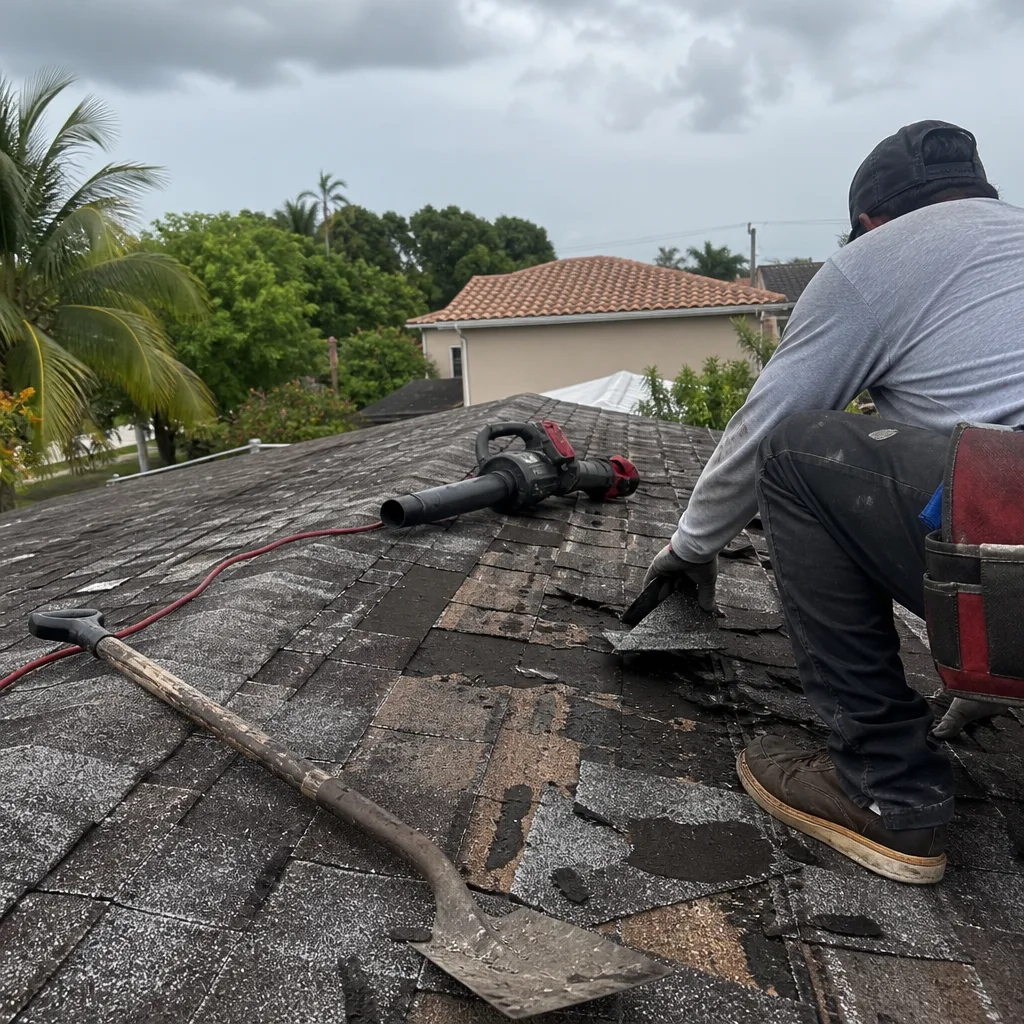 Before
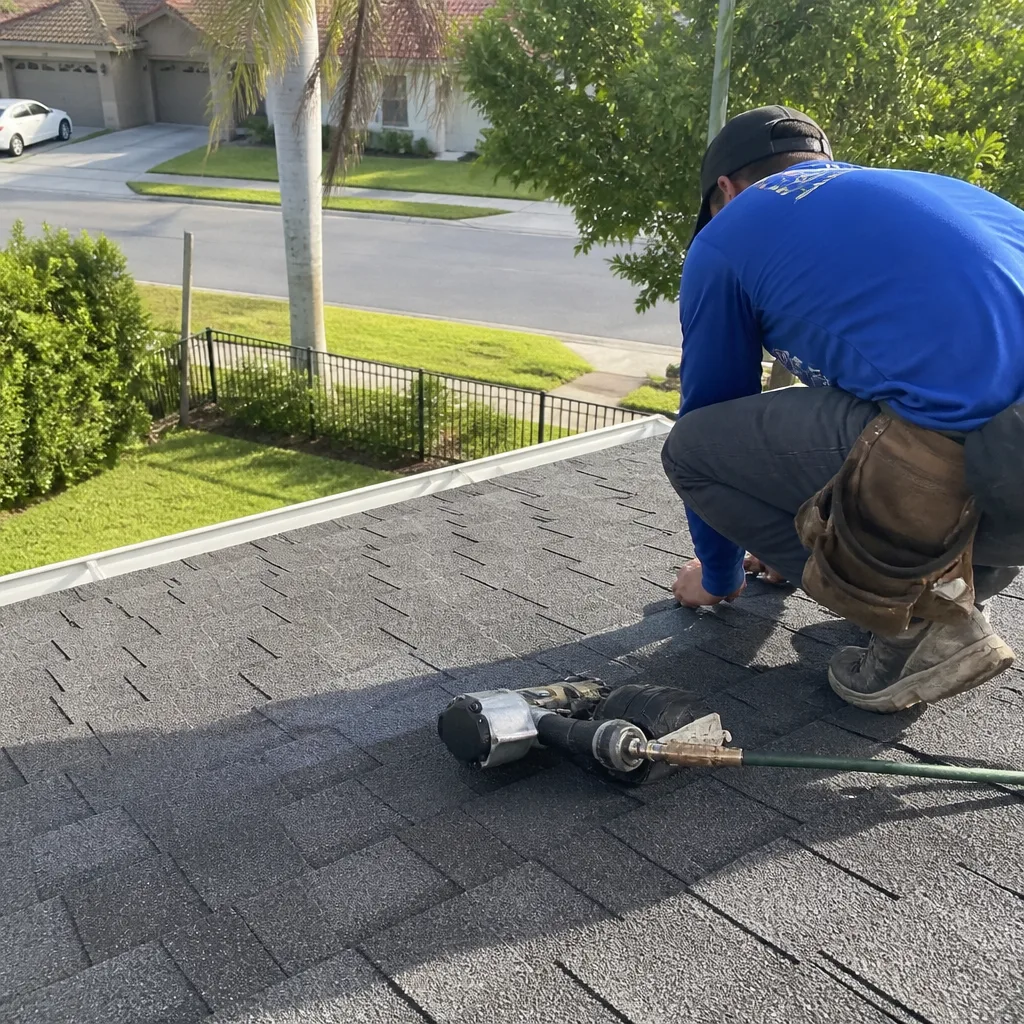 After
After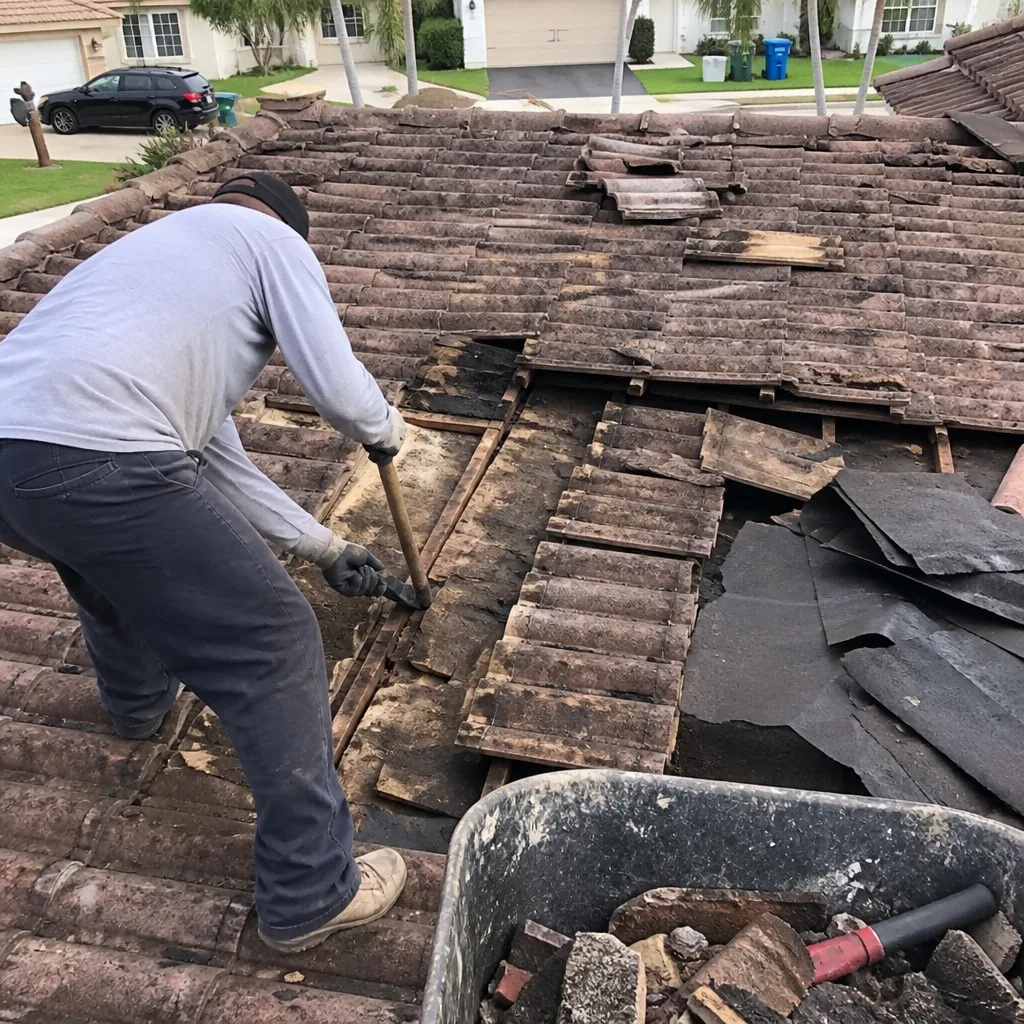 Before
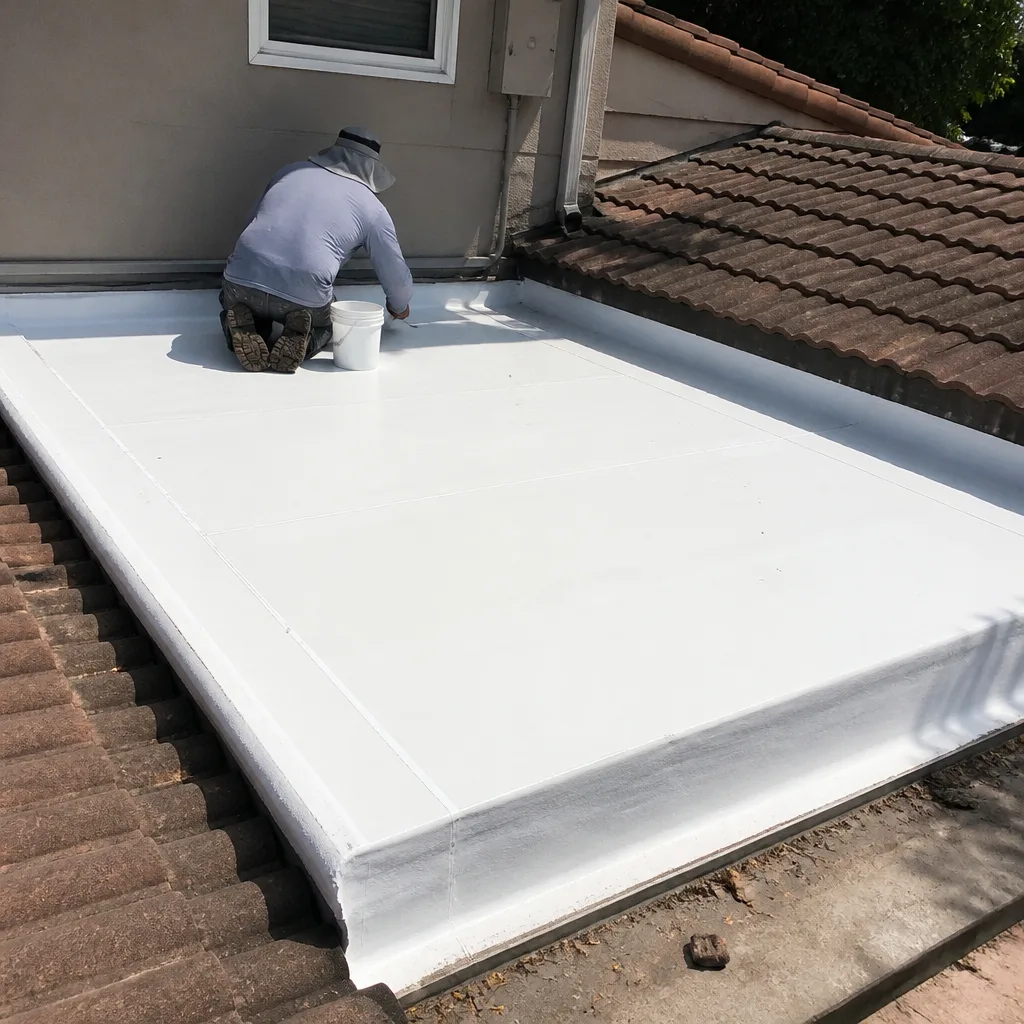 After
After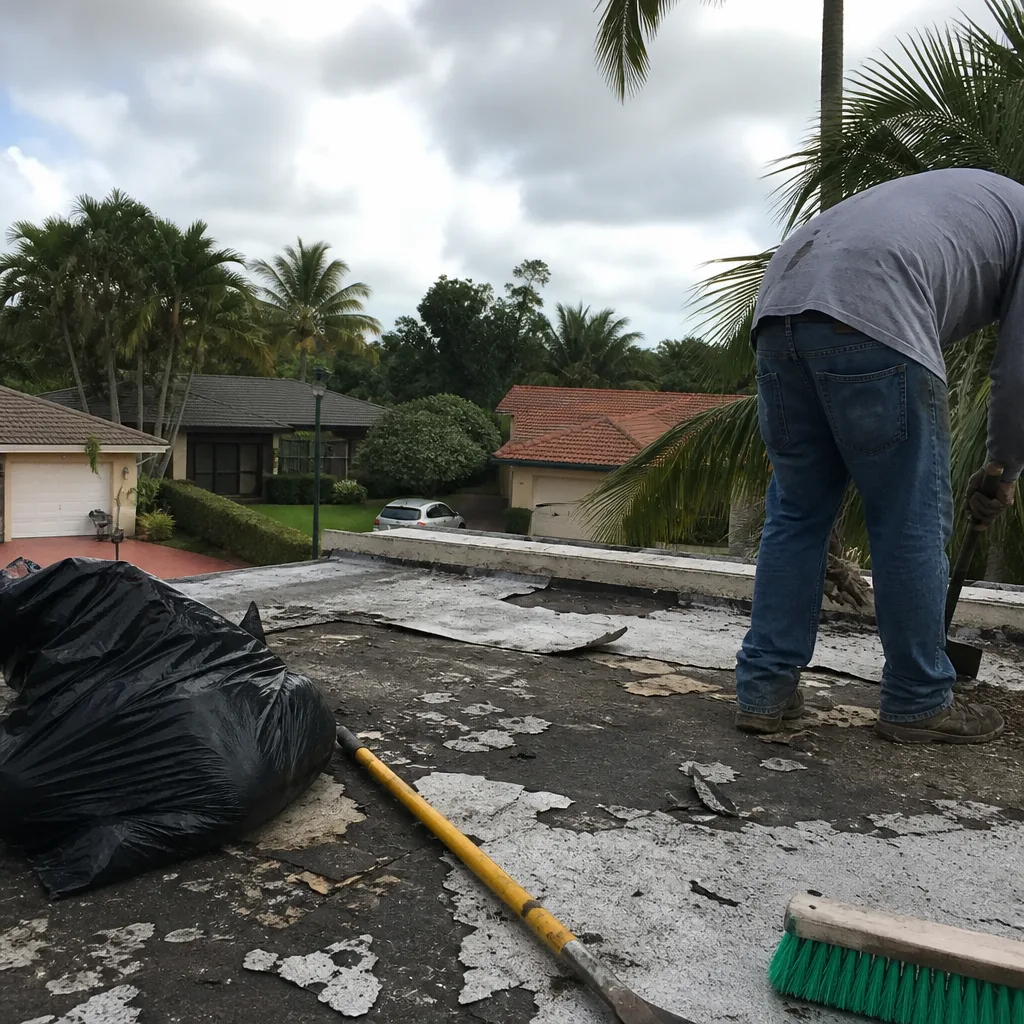 Before
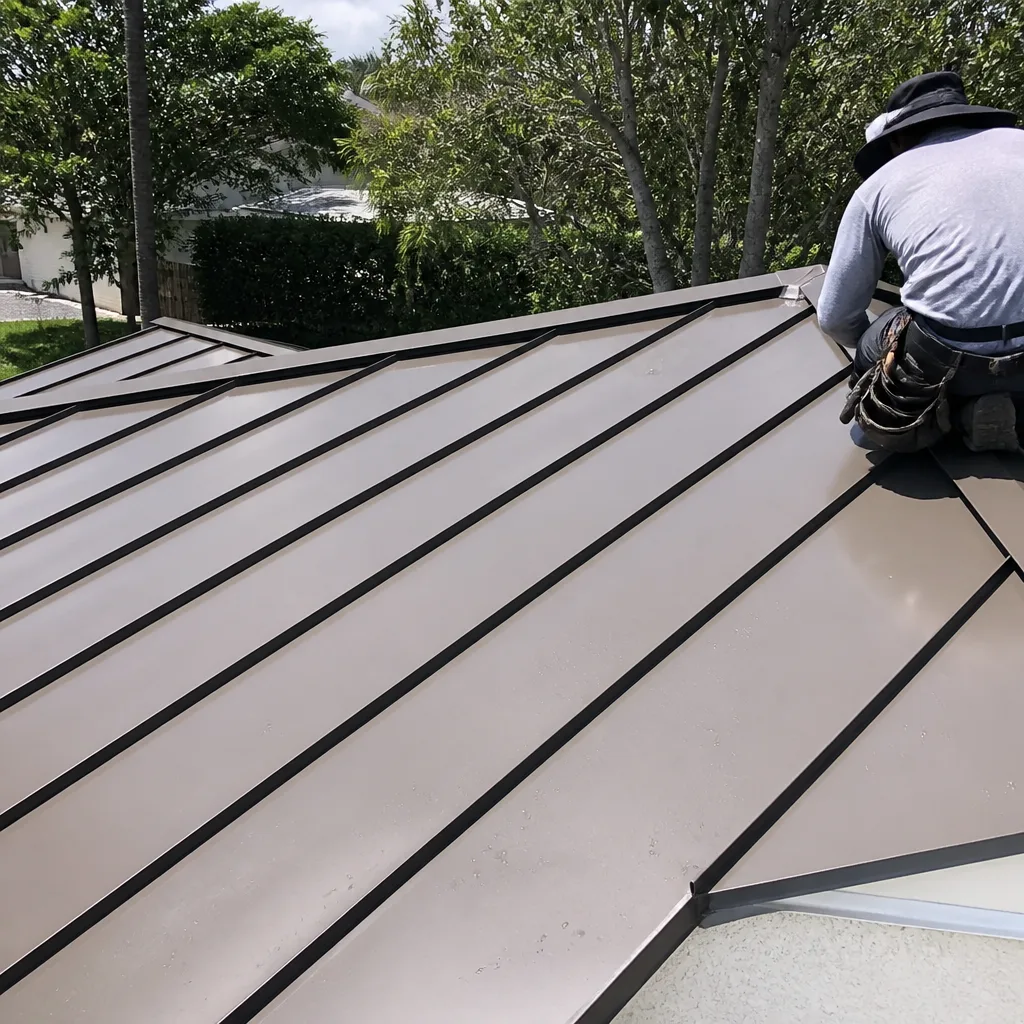 After
AfterDIY or Call Us?
There are things you can safely check from the ground: look for lifted flashing, rust streaks, or missing caulk beads at pipe penetrations. That tells you where the problem probably is. What you should not do is climb onto a Miami roof in July with a tube of roofing cement and hope it holds. Most flashing failures are structural: the metal is corroded through or the lap pattern was wrong. Caulk is a bandage, not a fix, and on a bad flashing joint, it fails after one or two storms.
If the flashing is on a single-story roof with a walkable pitch and you have the tools, a pipe boot swap is straightforward. But for sidewall step flashing, chimney flashing, or anything at height, the risk of a fall outweighs the money saved. We see homeowners every month who tried the repair themselves, slipped, or sealed the wrong seam, and the leak came back. Call (850) 613-1762 for a free estimate, and we’ll give you the written price before any work begins.
FAQs
Aluminum flashing typically lasts 15 to 20 years in Miami’s climate, and galvanized steel lasts 10 to 18 years depending on salt exposure and gauge thickness. Coastal homes in areas like Key Biscayne or Coral Gables near the water tend to land on the shorter end of both ranges because salt accelerates corrosion.
Small gaps at pipe boot seams can sometimes be resealed, but most flashing failures require replacement because the metal itself is corroded, bent, or improperly lapped. A sealant patch on failing flashing usually buys you one rainy season at most. Replacement is cheaper than repairing water-damaged ceilings and roof decking. Call (850) 613-1762 for an honest assessment, and the estimate is free.
A single pipe boot takes thirty to forty-five minutes once we’re on-site. Sidewall step flashing usually runs two to four hours, and a full chimney flashing job can take half a day including tear-off of the surrounding shingles and custom cutting the counter-flashing. We’ll give you the timeline in writing when we quote the job.
Yes. Our trucks carry standard-profile step flashing, pipe boots, and headwall flashing in 26- and 24-gauge aluminum and galvanized steel, so most IKO flashing replacements are completed the same day we diagnose the leak. For unusual profiles or skylight-specific flashing, we’ll source it and schedule the swap as soon as it arrives.
Call Tilehurst Roofing Miami for IKO Flashing Replacement
If you’ve got a ceiling stain, lifted flashing, or water where it shouldn’t be, call our office at (850) 613-1762. A live person answers, day or night, and we’ll schedule a free estimate on your schedule. Greg Holloway and the crew have been working Miami roofs long enough to know exactly what salt air, humidity, and hurricane season do to flashing, and we’ll give you the written price before any metal comes off the roof. If it’s not done right, we make it right under the 365-Day Done Right Promise. That’s how the Kingswell family of roofing companies has done it since 2000, and it’s the only way we know how to work.
Written by Greg Holloway, Owner, Tilehurst Roofing Miami at Tilehurst Roofing Miami, serving Miami and nearby areas.