
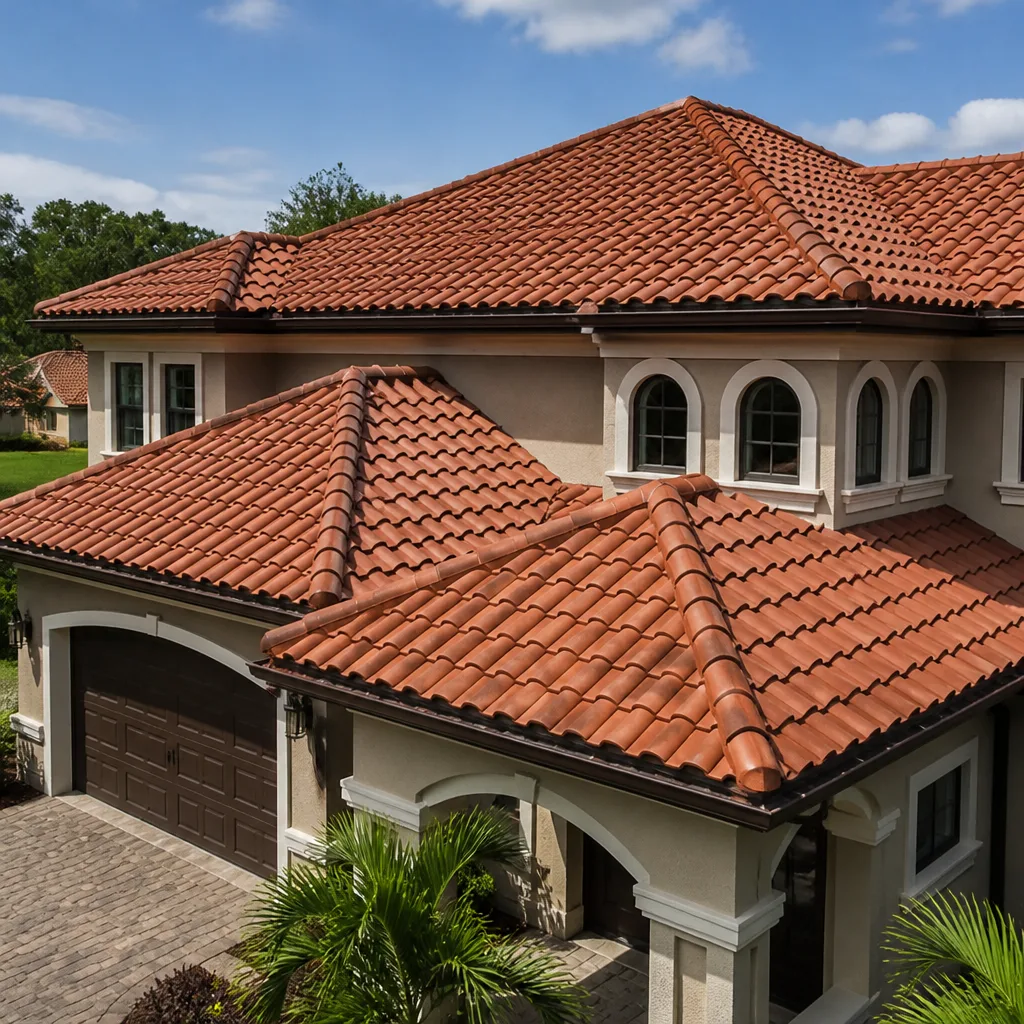
 Tile roofing
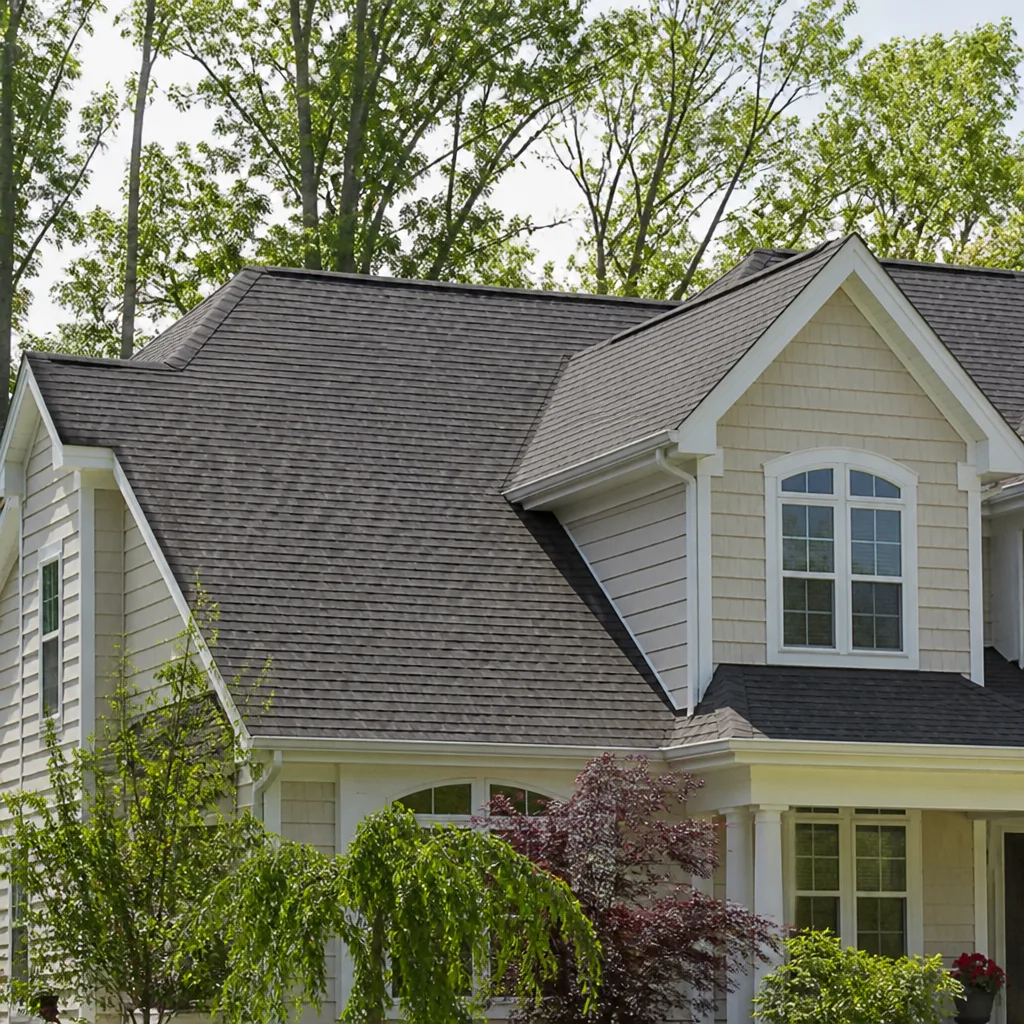 Architectural shingles
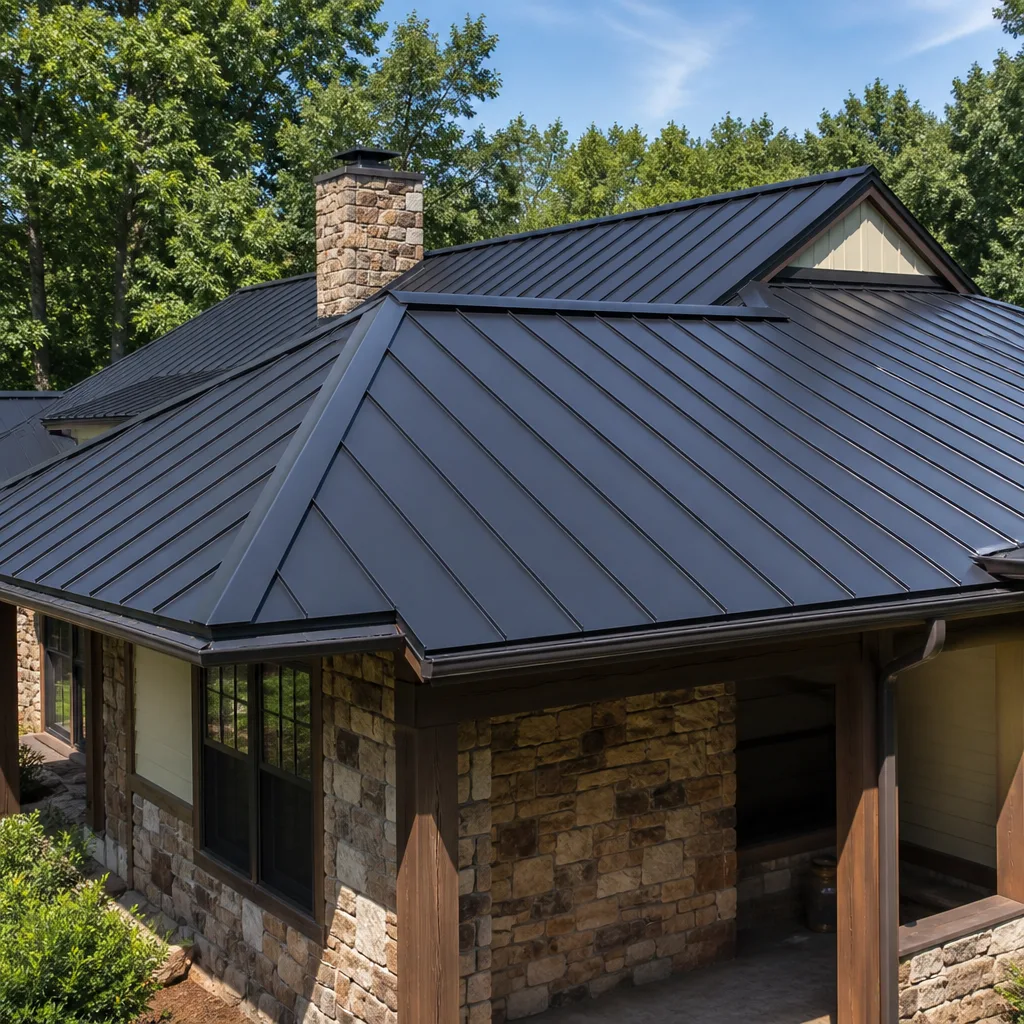 Metal roofing
 GAF
GAF Owens Corning
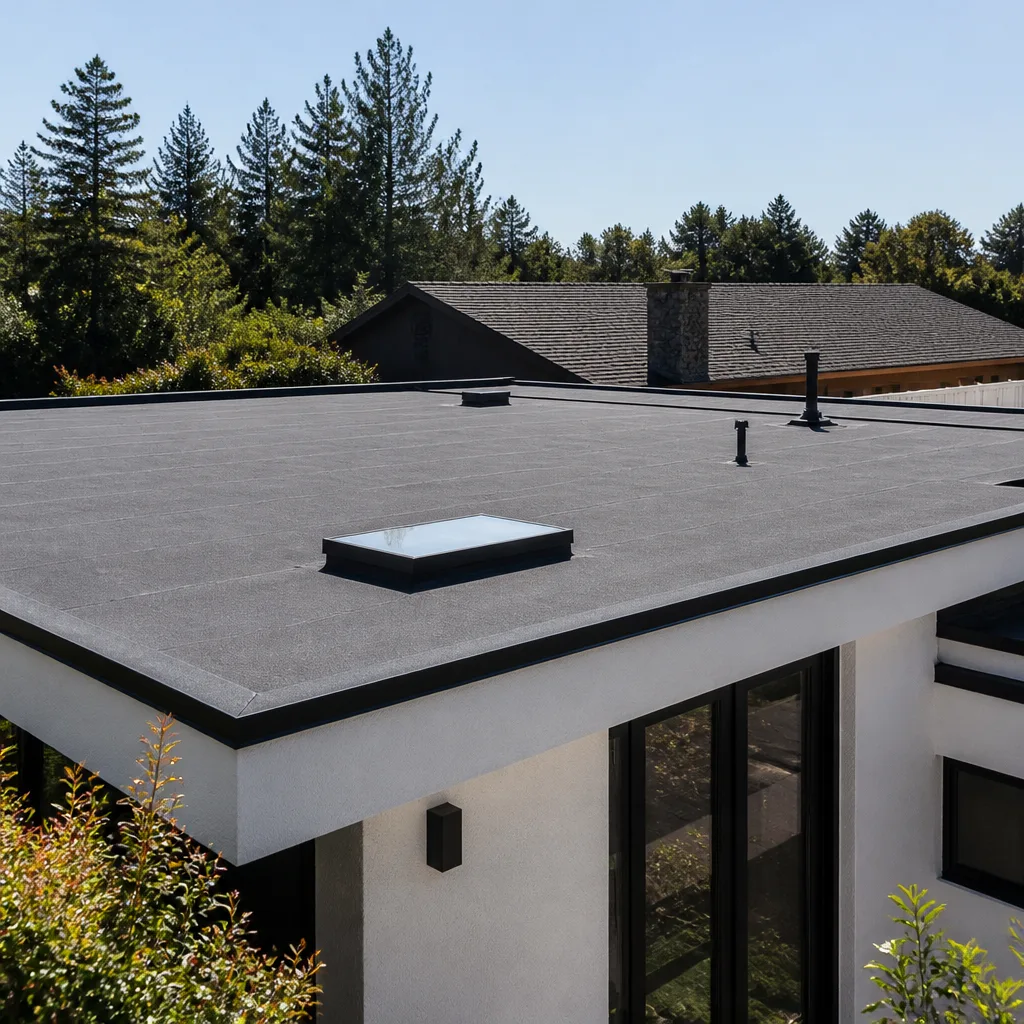 Flat & low-slope
Free roof inspection with deck photos before we talk money - GAF and Owens Corning certified installation
Tamko Flashing Replacement: The Miami Owner’s Guide
Tamko flashing replacement in Miami typically runs $380 to $850 installed, depending on the flashing location and how much surrounding shingle work is needed. We stock Tamko-compatible flashing on our trucks and can complete most flashing replacements the same day we inspect. You’ll usually discover the problem after a hard South Florida rain, when a water stain appears on the ceiling or along a wall, and the trail leads back to a rusted or lifted piece of metal at a chimney, wall, or valley.
Flashing is the thin metal that bridges the gap between your shingles and anything that interrupts the roof plane: chimneys, skylights, side walls, vent pipes, and valleys. Tamko shingles do their job well, but flashing is the first thing Miami’s salt air, humidity, and hurricane-season downpours break down. When it goes, water gets behind the shingles and into places it was never meant to be.
We’re an independent Miami roofing contractor. We install and replace flashing on Tamko roofs regularly, but we’re not affiliated with Tamko. That independence means we’ll tell you plainly when OEM is the right call and when a quality aftermarket piece does the same job for less.
Which Tamko Models This Applies To
Tamko’s flashing needs don’t change much across their Heritage, Elite Glass-Seal, or Titan XT lines because flashing is a roof-system component, not a shingle component. The piece that matters is the flashing itself: step flashing, counter-flashing, pipe boot flashing, valley flashing, or drip edge. What changes is the material and dimensions you need for the specific penetration.
Here’s the compatibility gotcha Miami homeowners run into: Tamko shingles are thicker than some budget brands, which means step flashing pieces need to be at least 4 inches by 4 inches by 8 inches to seat properly under the shingle course. If a previous contractor used smaller 2-inch step flashing, the shingle won’t lay flat, and water finds its way behind the flashing within a season or two. That’s one of the most common failures we see in Coral Gables and Coconut Grove, where older barrel-tile and shingle homes coexist.
OEM vs aftermarket for Tamko specifically: Tamko sells flashing accessories through their supply chain, but the truth is that flashing metal is a commodity product. A 26-gauge galvanized steel step flashing from a quality manufacturer will perform identically to what Tamko ships, and cost less. Where we recommend matching the OEM or its exact spec is on pipe boot flashing for Tamko’s larger vent collars, because the rubber boot diameter needs to match the pipe exactly. Getting that wrong means a gap, and a gap in Miami means water inside your ceiling by the next afternoon storm.
If you’re trying to identify what you have, check the metal for a stamped gauge. Most Tamko-compatible flashing is 26-gauge steel, sometimes 28-gauge aluminum near the coast where salt corrosion is worse. We’ll measure it on the inspection and match or upgrade the gauge.
Styles & brands we work with
Signs Your Tamko Flashing Replacement Is Failing
- Water stains on ceilings or walls after rain. This is the one that gets most people on the phone. The stain usually appears below a chimney, skylight, or where a wall meets the roof. The flashing has lifted or rusted through, and water is tracking along the underside of the roof deck before showing up inside.
- Granules or rust-colored streaks near the flashing. When step flashing corrodes, rust runs down the shingles below it. You’ll see dark orange or brown streaks on the shingle face, sometimes mixed with shingle granules that have washed loose.
- Visible lifting or gaps at the flashing edge. After Miami’s temperature swings, the caulk holding counter-flashing in place cracks and separates. If you can see daylight or a gap between the flashing and the chimney or wall, water is getting in.
- Shingles curling or lifting near a wall or chimney. Flashing that was installed incorrectly actually pries the shingle up, which breaks the seal and lets wind-driven rain push underneath. This is the tell on a lot of repair work done by less careful crews.
- Musty smell in an upstairs room or attic. By the time you smell it, water has been sitting somewhere it shouldn’t. That means flashing has been failing for a while, even if you haven’t seen a visible stain yet. Call sooner rather than later; the repair bill only grows while water sits.
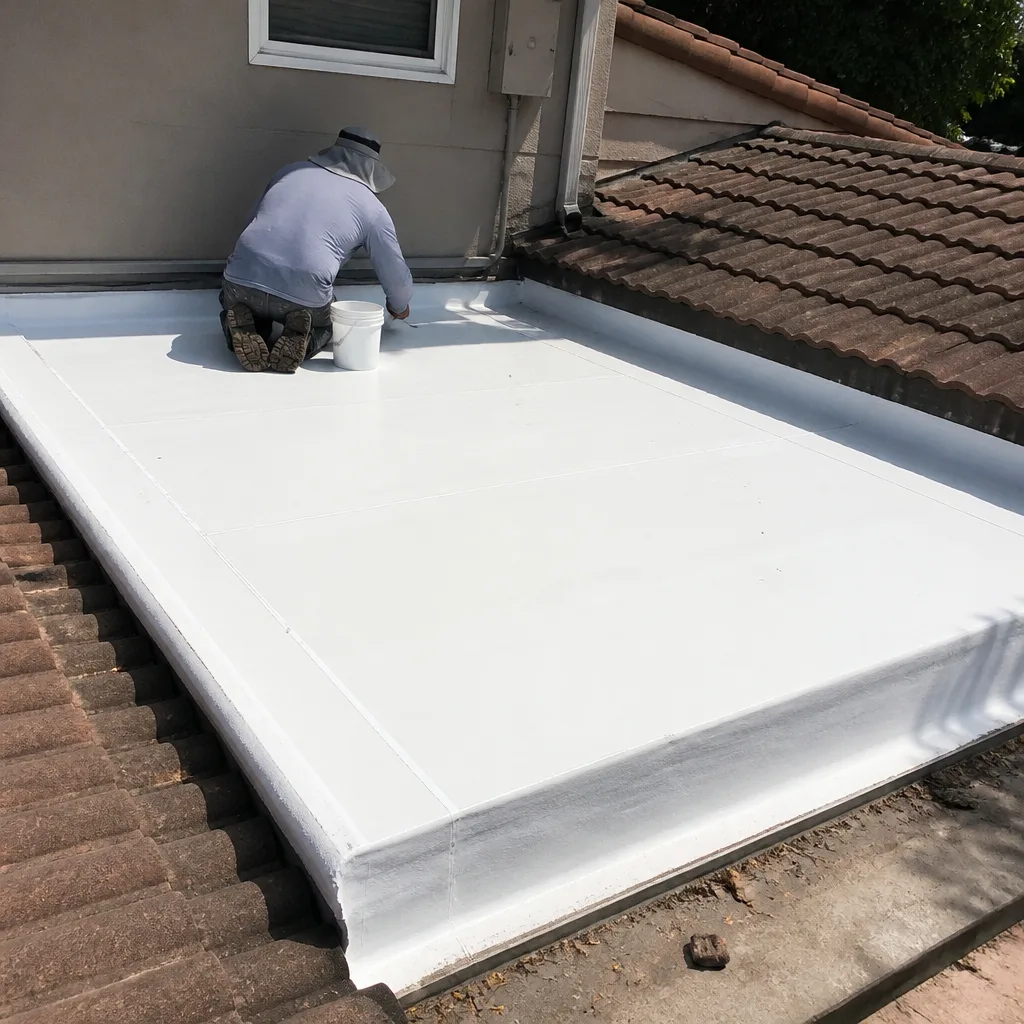
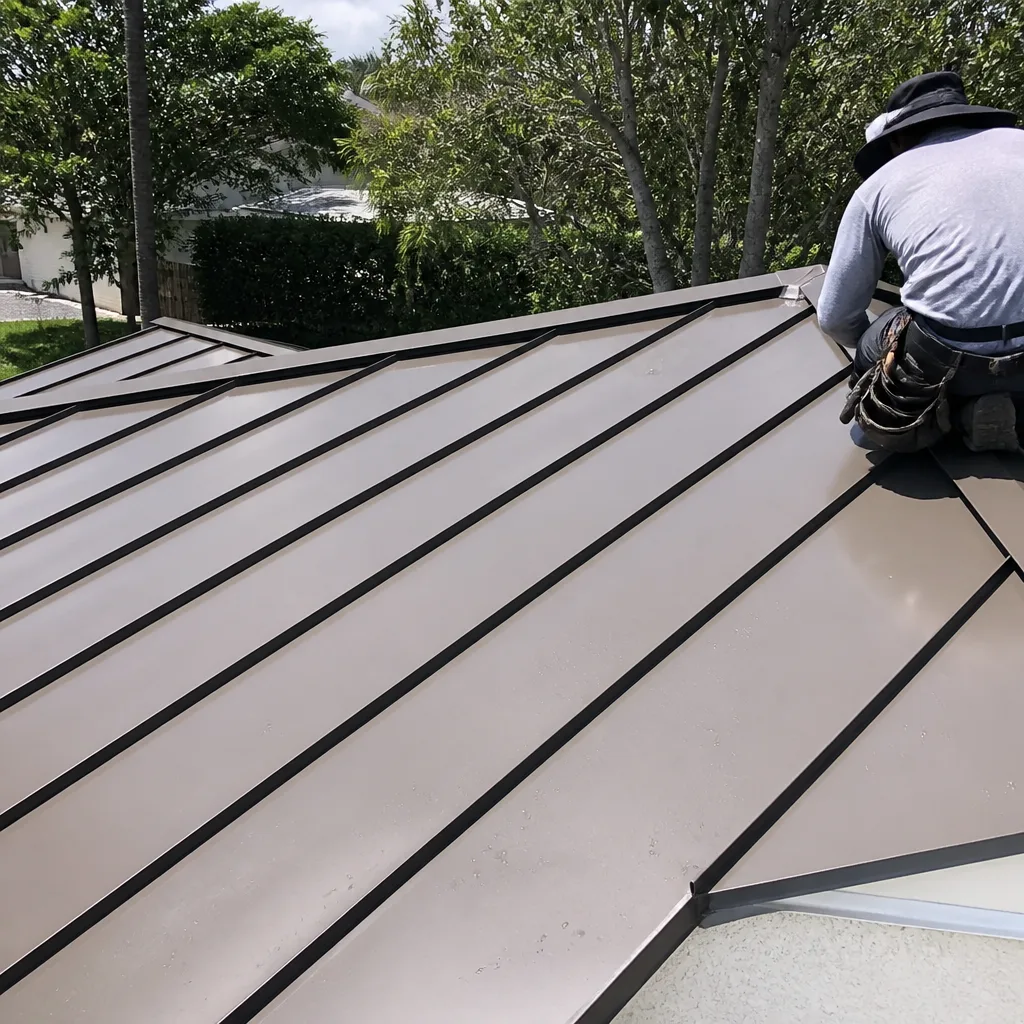
See the difference
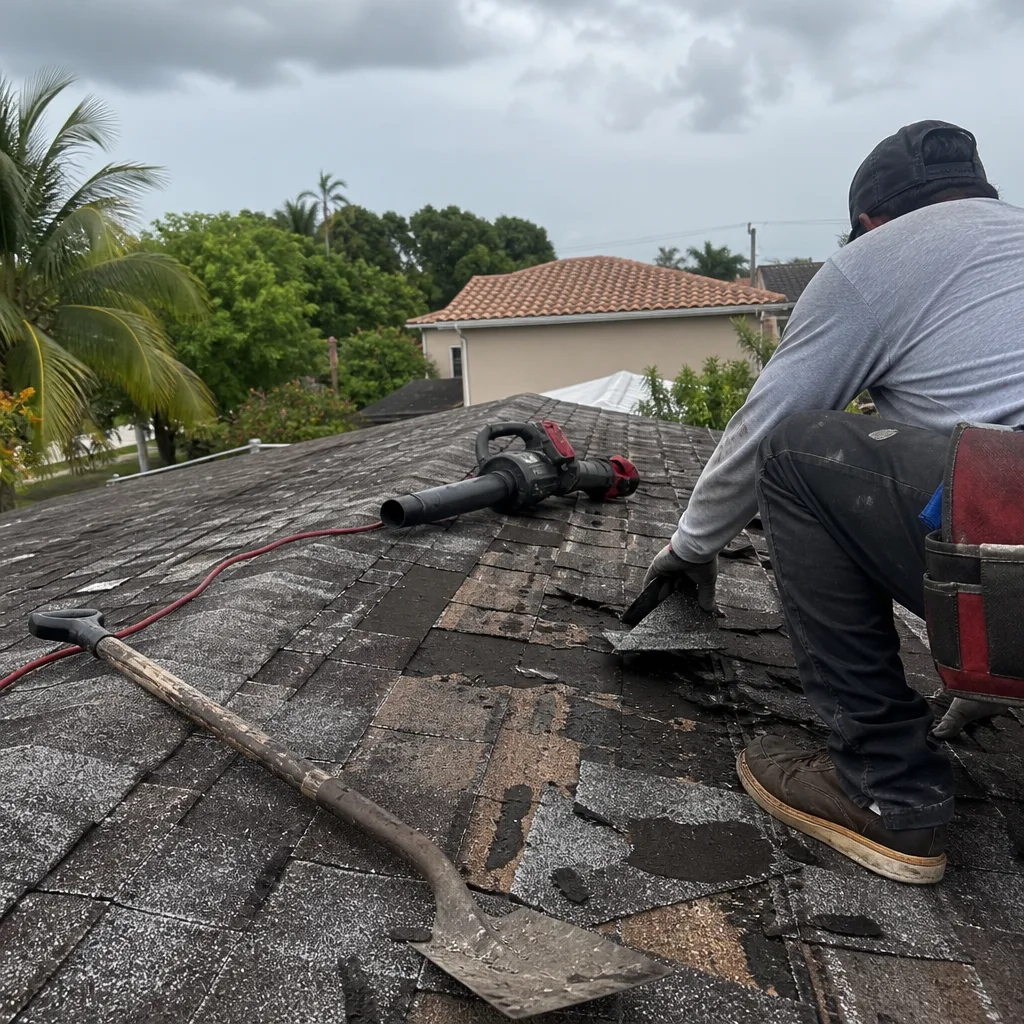 Before
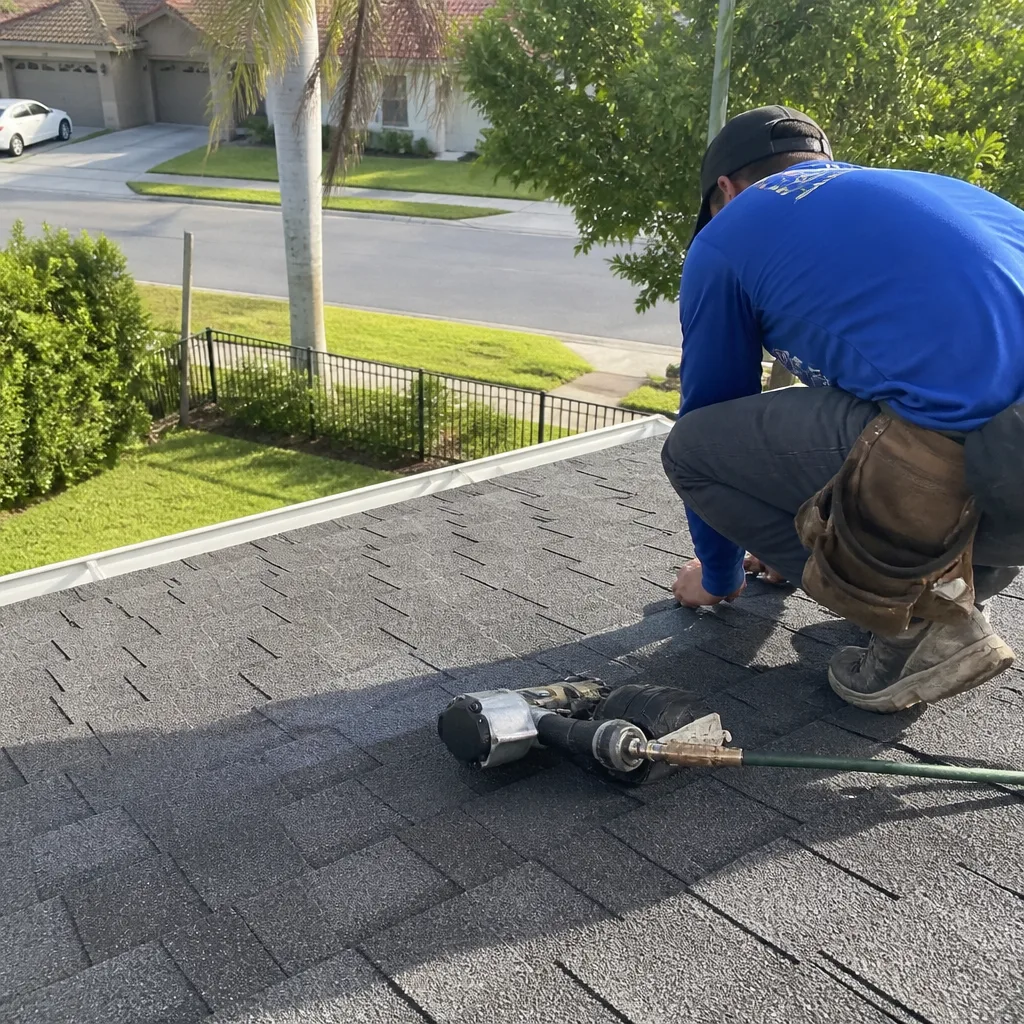 After
After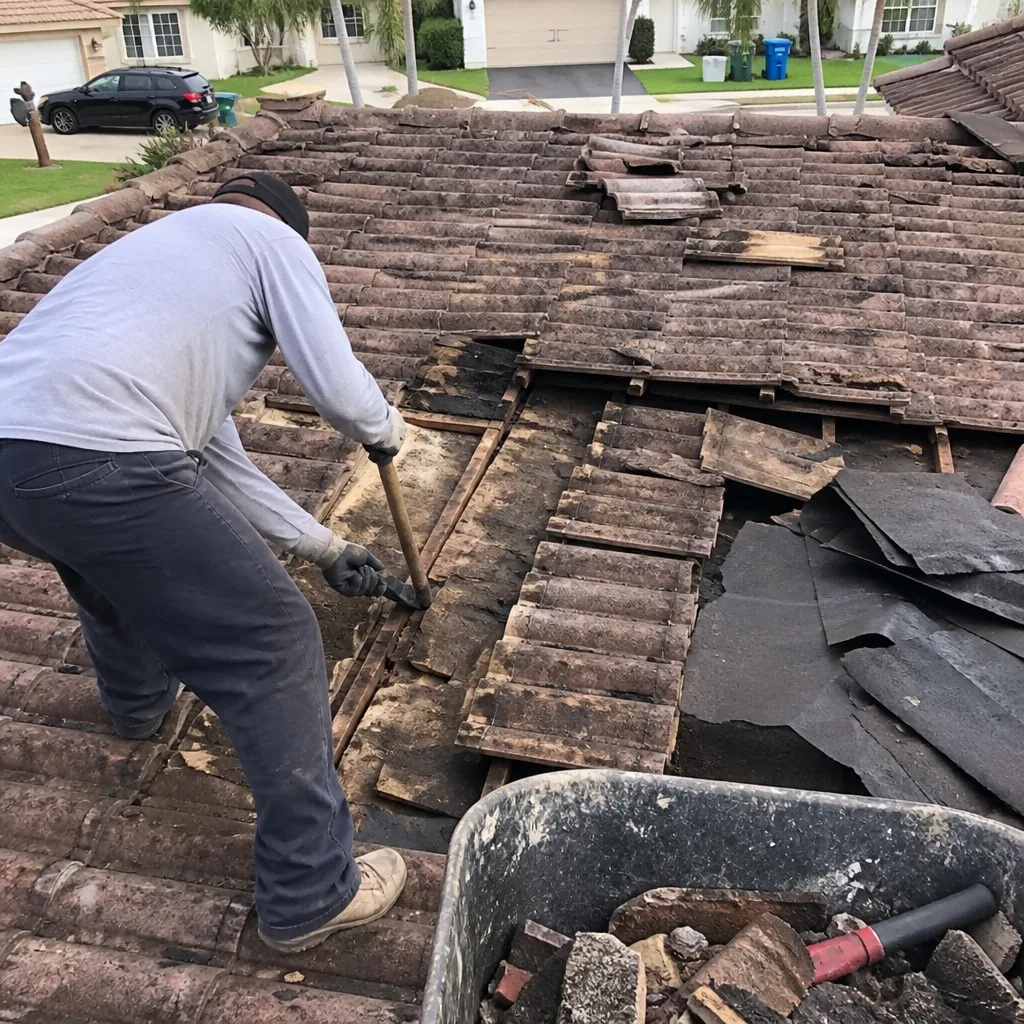 Before
 After
After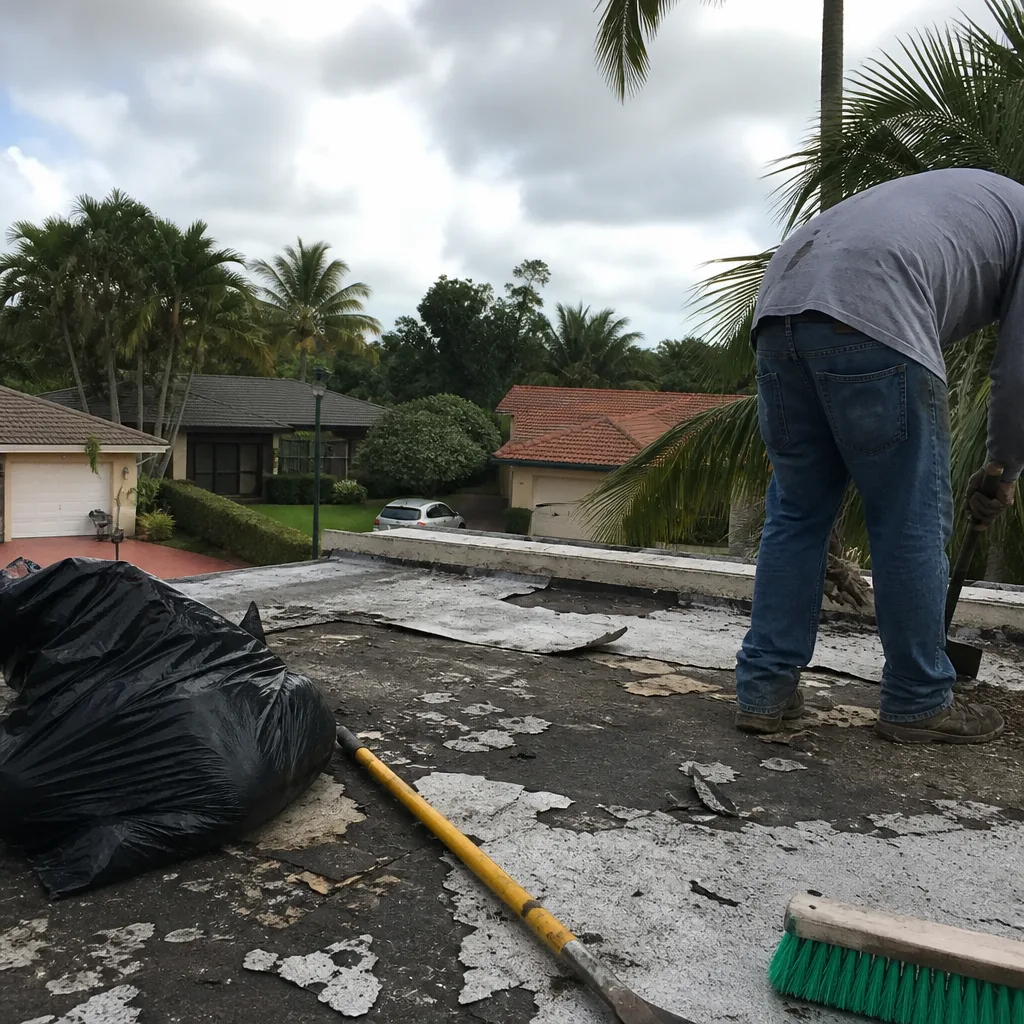 Before
 After
AfterReplacement Cost & What’s Included
Most Tamko flashing replacement jobs in Miami run between $380 and $850, installed. The spread comes down to location and access: pipe boot flashing at a simple roof penetration runs on the low end, while full chimney re-flashing with new counter-flashing and a cricket runs toward the top of that range or slightly beyond if brick work is involved. Valley flashing replacement lands in the middle, usually $450 to $650.
Here’s the breakdown for a typical step flashing replacement at a sidewall:
- Materials: $60 – $140 (step flashing, new underlayment strip, corrosion-resistant fasteners)
- Labor: $320 – $520 (removing the affected shingle courses, installing and lapping the flashing correctly, re-sealing, clean-up)
- Written guarantee: Included, delivered before the crew leaves
We price the job before we touch the roof, in writing, with no change orders that surprise you at the end. If we open up the area and find decking damage from the leak, we’ll show you what we found and price the repair separately, before doing it. No sneaky additions.
DIY or Call Us?
Here’s the honest answer: flashing replacement is one of the more forgiving roof repairs in dry weather, but Miami isn’t known for dry weather, and the consequences of getting it wrong are immediate and expensive. You can safely check your flashing from the ground with a pair of binoculars; look for lifted metal, cracked caulk, and rust streaks. What you shouldn’t do is get on a roof with a tube of caulk and hope. Flashing that’s rusted through needs to come out, not be painted over.
The other thing to know: improperly installed flashing fails faster than the old flashing did. We see it repeatedly, where a handyman slaps a piece of metal over the old rusted flashing, caulks the edges, and calls it done. It leaks again by the next storm. Flashing replacement means pulling the shingles, lifting out the old metal, and re-lapping everything in the right sequence so water sheds down and out rather than finding a seam. That’s the job. If you’re not set up to do it right, call us at (850) 613-1762 and we’ll get you a written price.
FAQs
Quality galvanized steel flashing lasts 20 to 30 years in Miami if it was installed correctly, though coastal salt air within a mile of the water can cut that to 15 or 20 years for lower-gauge metal. Aluminum flashing lasts longer near the coast but dents more easily during installation and in hail. If your flashing is failing before the 10-year mark, it was usually installed wrong, not manufactured poorly. Call (850) 613-1762 and we’ll tell you what we see when we get on the roof.
Small caulk failures can sometimes be re-sealed, but rusted-through flashing, lifting step flashing, and bent valley flashing should be replaced, not patched. A patch over rusted metal is a temporary fix that costs more in the long run when the leak returns. We’ll always tell you if a repair will hold or if replacement is the honest call.
Most flashing replacements take 2 to 4 hours for a typical pipe boot or step flashing run. Full chimney re-flashing with counter-flashing and a cricket runs a full day. We give you a written time estimate along with the written price before work starts, so there’s no confusion about when the crew arrives and when they finish.
Yes. Our trucks carry 26-gauge galvanized step flashing, pipe boots in the common sizes, Valley flashing, and drip edge, along with Tamko-compatible underlayment and fasteners. If your specific penetration needs a custom bend or an uncommon size, we fabricate it or order it same-day from our Miami supplier. We also stock parts for GAF, Owens Corning, and CertainTeed roofs, so if you have a mixed-material roof, we can usually handle the whole job in one visit.
Know the price before we touch the roof, that’s the only way I know how to work. Call (850) 613-1762 for a free flashing inspection and a written estimate. A live person answers, day or night.
Written by Greg Holloway, Owner, Tilehurst Roofing Miami at Tilehurst Roofing Miami, serving Miami and nearby areas.