
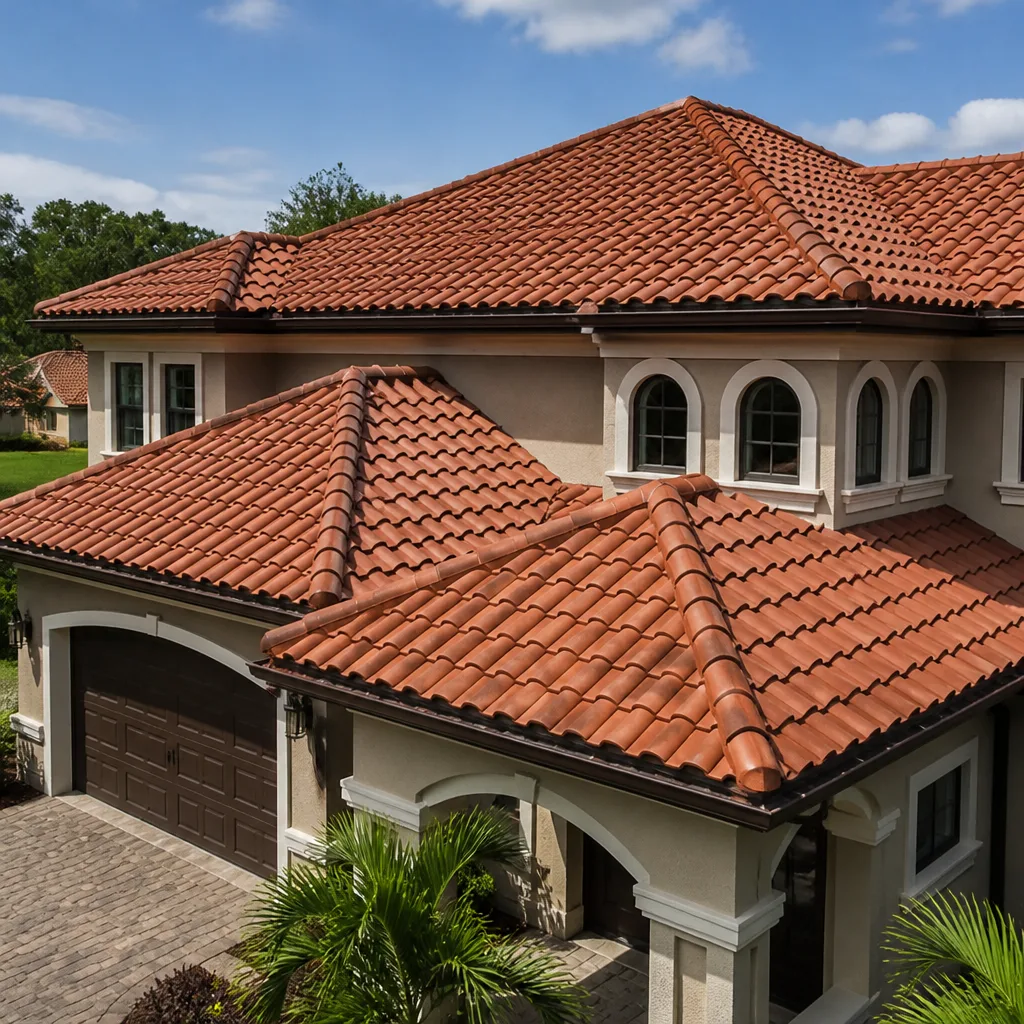
 Tile roofing
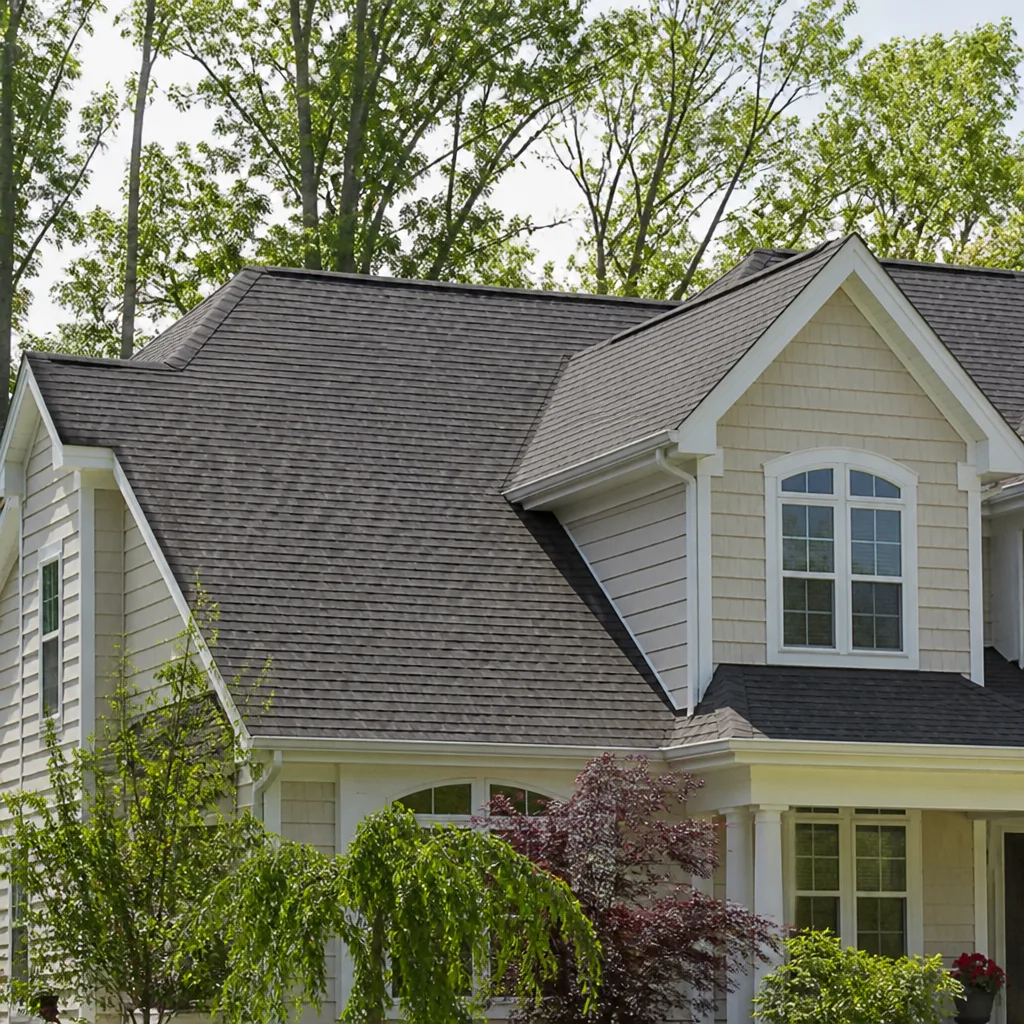 Architectural shingles
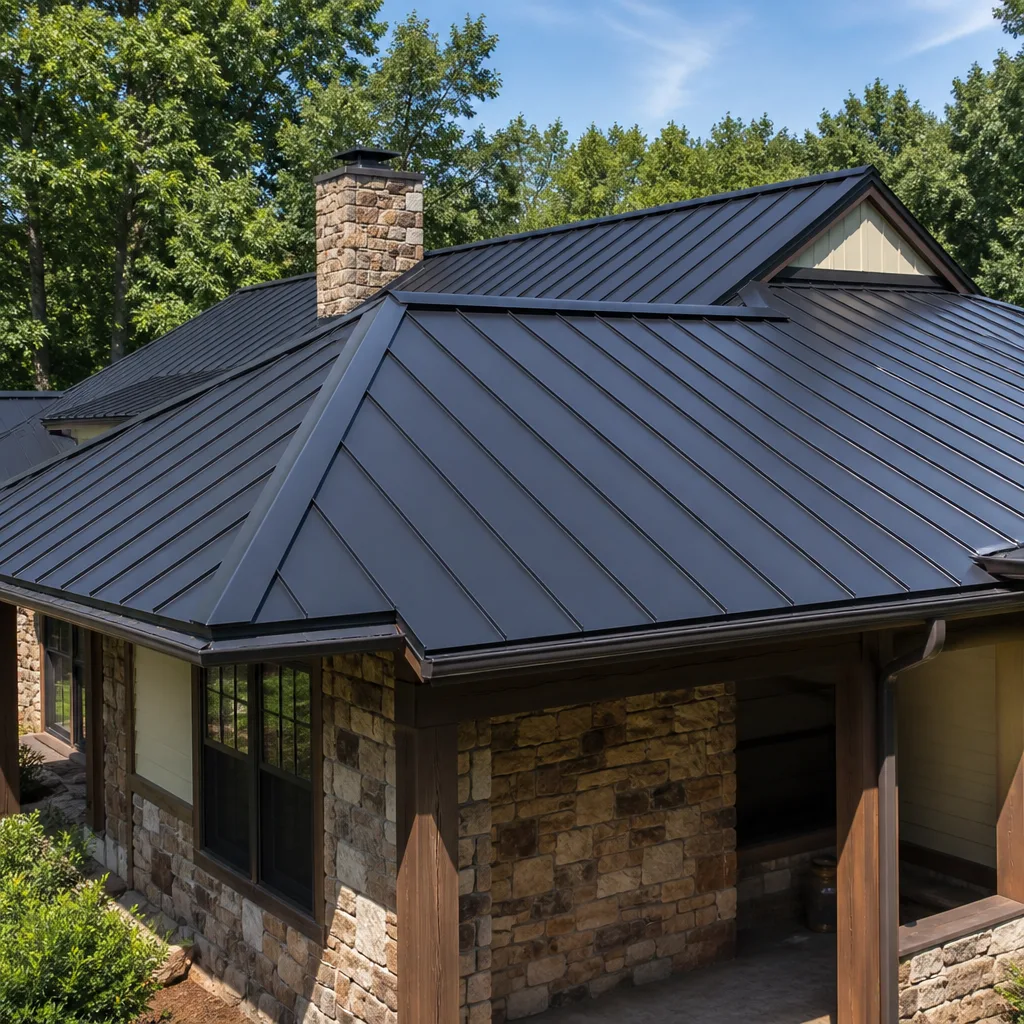 Metal roofing
 GAF
GAF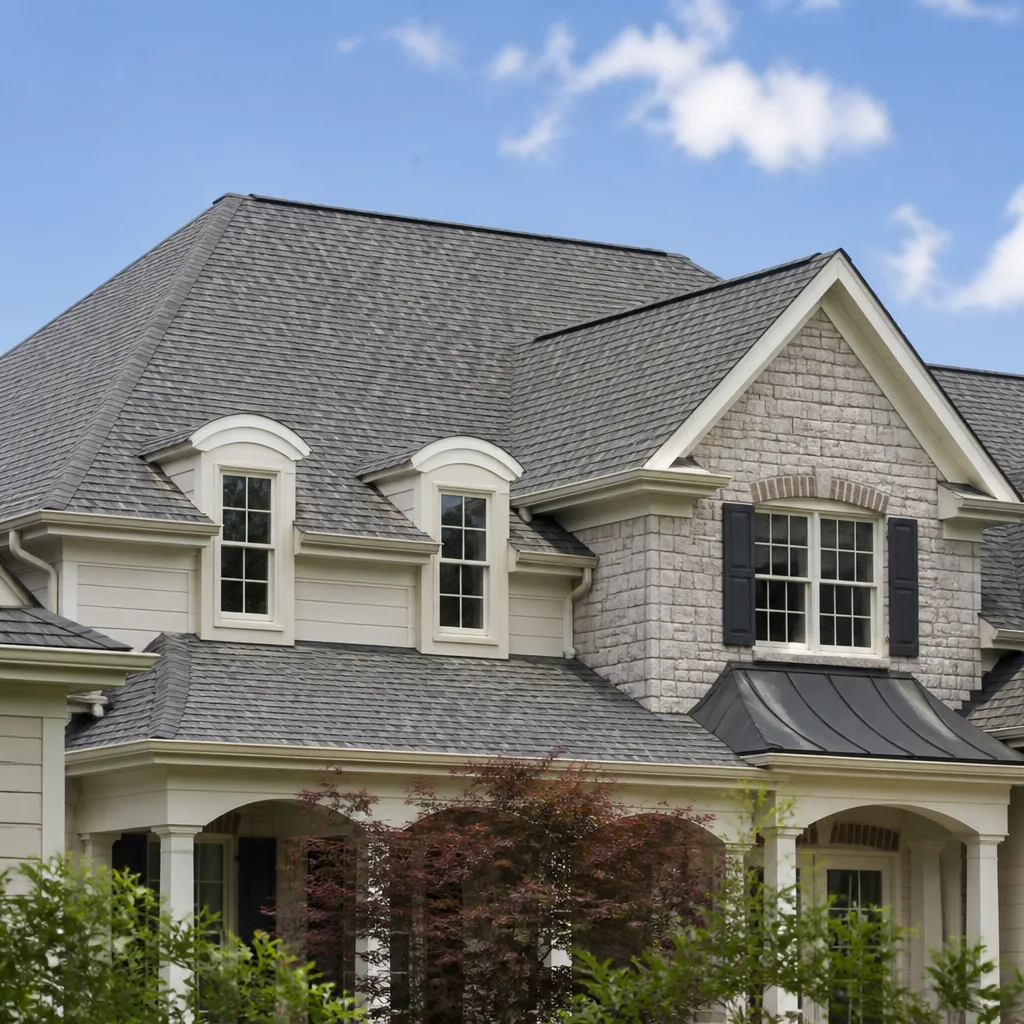 Owens Corning
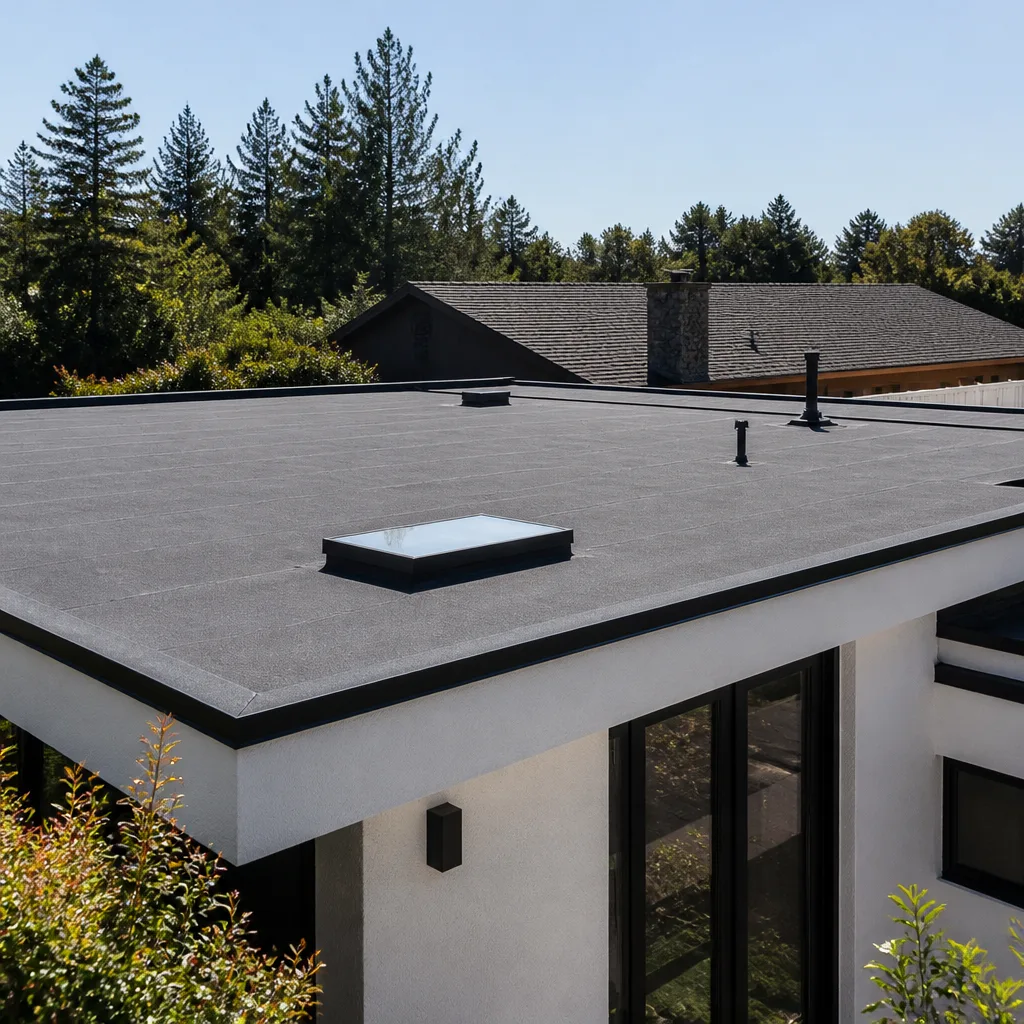 Flat & low-slope
Free roof inspection with deck photos before we talk money - GAF and Owens Corning certified installation
Tamko Ridge Vent Installation: The Miami Owner’s Guide
Tamko ridge vent installation in Miami typically costs $380 to $720 for a standard single-story home, including the vent material, underlayment, and full labor. We stock Tamko-compatible ridge vent on our trucks most weeks, and we can usually get your roof breathing again within a day or two of your call. Most Miami homeowners discover their ridge vent has failed when they notice ceiling stains near the top of interior walls, hear a whistling sound on windy days, or see the vent material lifting at the ridge line during hurricane-season gusts.
If you’re reading this, you likely already know something is wrong up there. A ridge vent is the long, low-profile cap that runs along the peak of your roof. When it works, it lets hot, humid air escape from your attic continuously. When it fails, that trapped Miami moisture starts working against you: higher AC bills, musty attic smells, and eventually, wood rot in the decking. Greg Holloway has walked more Miami roofs than he can count, and the ridge vent is one of the first things he checks on every inspection because it’s one of the most common failure points on local homes.
Which Tamko Models This Applies To
Tamko makes several ridge vent products, and the exact one your roof needs depends on the shingle profile and the type of roof deck you have. The most common Tamko vent line is the Tamko Proline Ridge Vent, which comes in a standard 4-foot length and works with most Tamko architectural shingle lines, including Heritage, Heritage Premium, Proline, and Elite Glass-Seal. These vents are also compatible with many non-Tamko shingle systems, which matters because plenty of Miami homes have a mixed-material roof: original barrel tile in the front from Coral Gables construction, with an asphalt-shingle addition or a repair section from a hurricane-season patch job.
Here’s a compatibility gotcha that most homeowners don’t know: Tamko’s venting system is designed to work with their shingle thickness and nail pattern. If you pair a Tamko ridge vent with a shingle from a different manufacturer, the vent shoulders may not seat properly against the shingle surface. This creates small gaps that wind-driven rain can exploit. During Miami’s summer thunderstorm season, that gap becomes a water entry point. That’s why we prefer to match the vent system to the shingle system, not just grab whatever is in the truck. We stock OEM Tamko ridge vent and a proven aftermarket equivalent that matches the Tamko profile exactly, so you have a real choice: original equipment at a moderate premium, or an aftermarket vent that performs the same for less money.
Tilehurst Roofing Miami is an independent service provider. We are not affiliated with Tamko, and we don’t present ourselves as a manufacturer rep. What we are is a roofing company that has installed Tamko ridge vents across Miami long enough to know the product’s strengths and its failure patterns in our specific climate.
Styles & brands we work with
Signs Your Tamko Ridge Vent Installation Is Failing
- Persistent attic heat even after “cooling down” the house. A functioning ridge vent lets hot air escape continuously. When the vent is blocked, cracked, or collapsed, your attic can sit 20 to 30 degrees hotter than it should. You’ll feel it as warm ceilings and a living space that never quite cools off on summer afternoons, no matter how low you set the thermostat.
- Water stains near the peak, not the eaves. Leaks near the top of a wall or ceiling almost always point to a ridge vent or ridge cap failure. Water is entering at the highest point of the roof and travelling downward. If you see discoloration near the ceiling line on an upper floor, have the ridge inspected before the next big rain.
- The vent material is visibly lifting or separating. Walk to the street and look at the peak of your roof. If you can see the vent material rising at the edges, cracked, or peeling away from the shingle line, the seal is compromised. In Miami’s wind and UV exposure, a ridge vent that starts lifting in March will be gone by August.
- Whistling or rattling during storms. A properly installed ridge vent is quiet. Wind noise, rattles, or a high-pitched whistle when storms blow through means the vent is loose, the fasteners are failing, or the vent is partially detached. That’s not just an annoyance; it’s an opening for wind-driven rain.
- Musty or humid smell in the upstairs closet or hallway. When a ridge vent fails, moisture doesn’t just sit in the attic; it works its way into the living space. A musty smell in an upper-floor closet or at the top of the stairs often traces back to a ridge vent that stopped venting.
In Miami, ridge vent failure rarely happens all at once. It starts small: a few cracked shingles at the peak, a nail that backed out, or a section of vent that shifted in a storm. Then months of heat and humidity do the rest. By the time you notice the symptom, the damage is usually already underway. That’s one reason we recommend an inspection the moment you suspect a problem, not after the next rain proves it.
See the difference
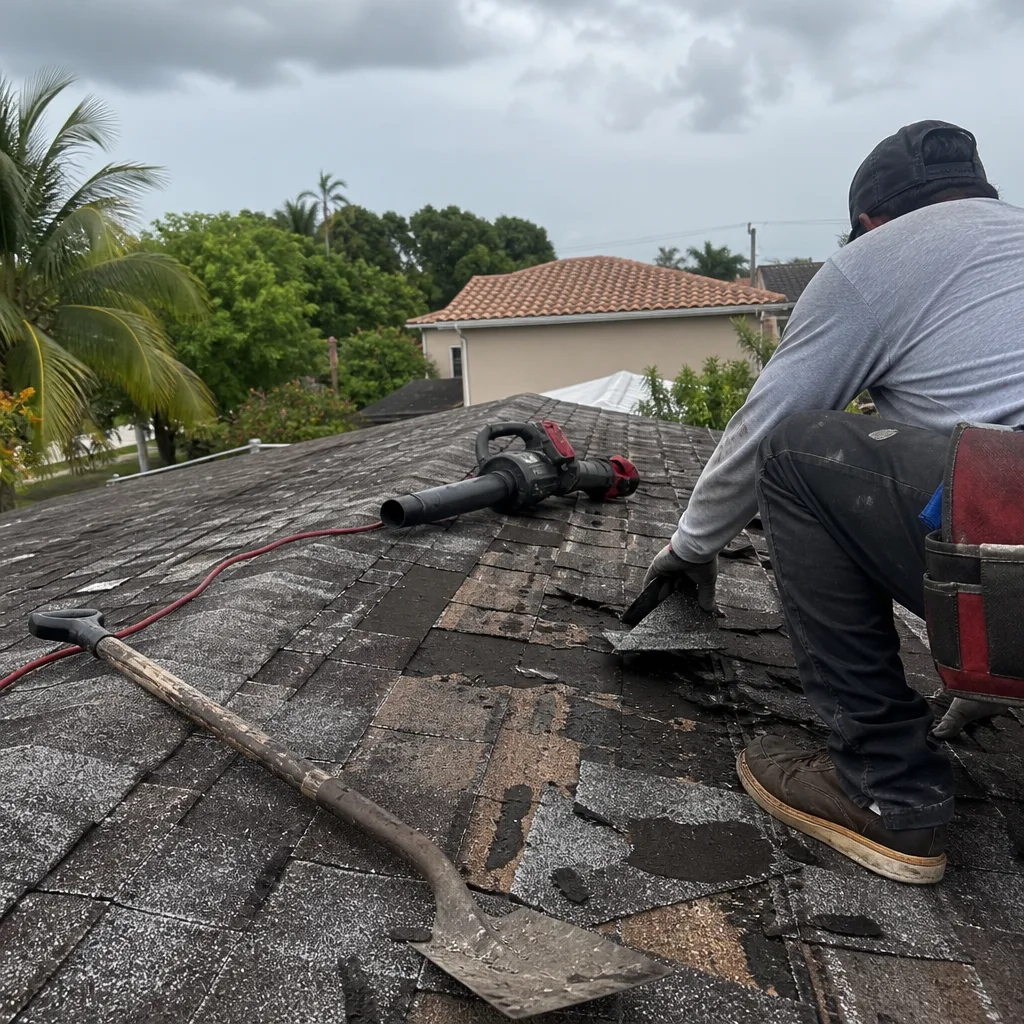 Before
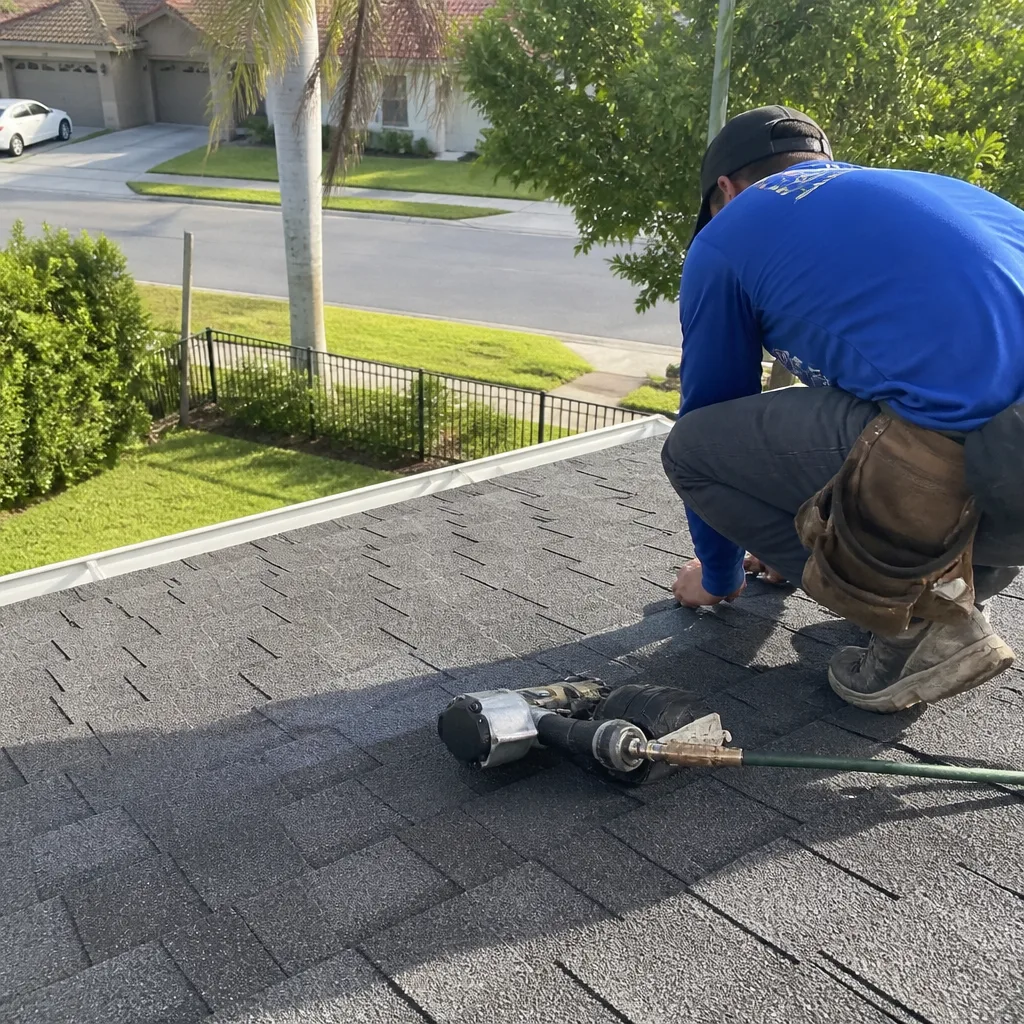 After
After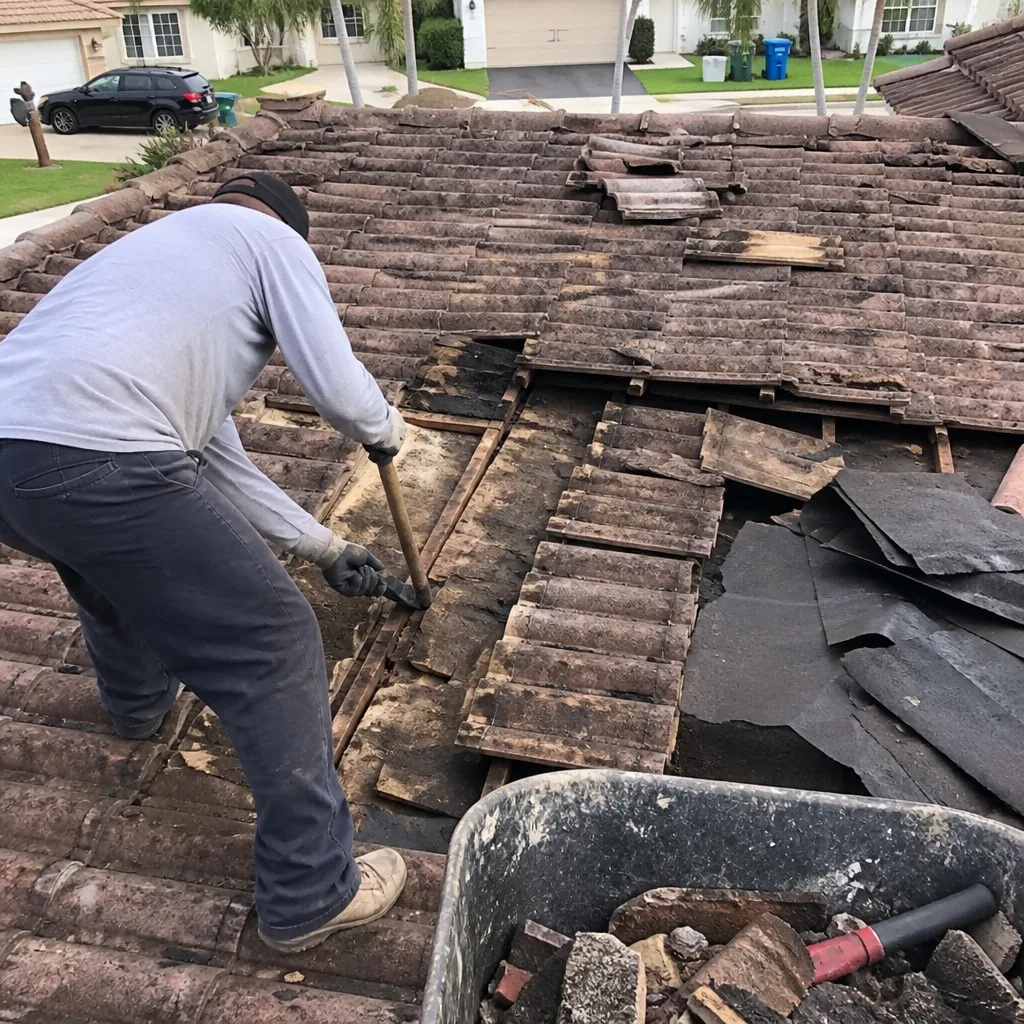 Before
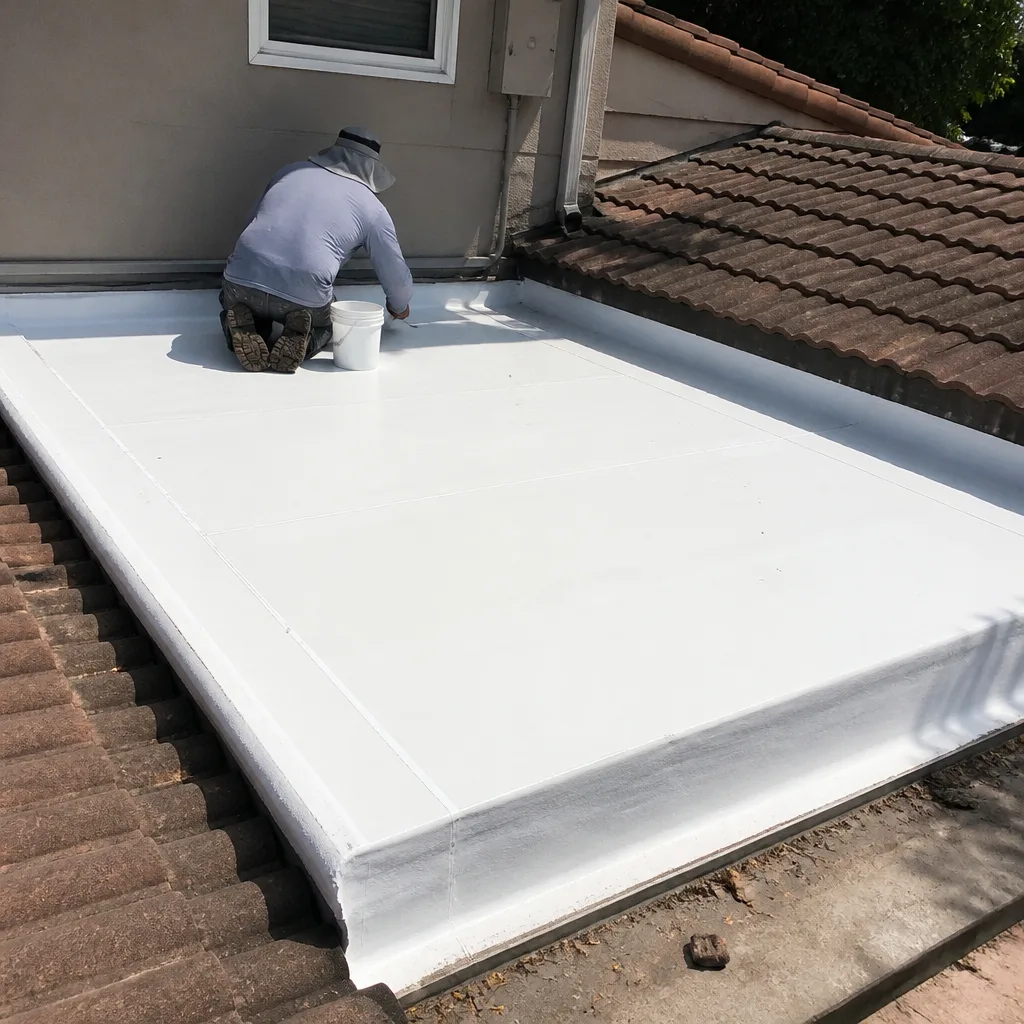 After
After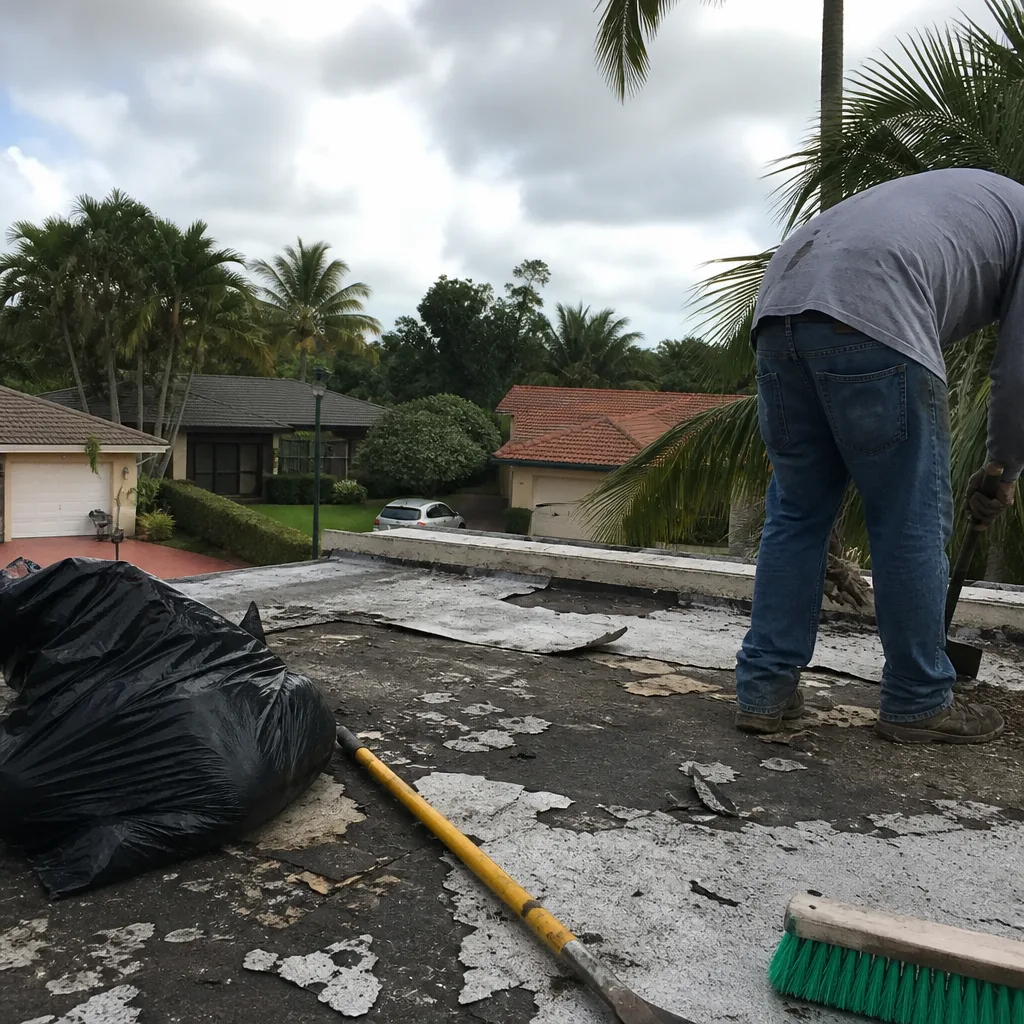 Before
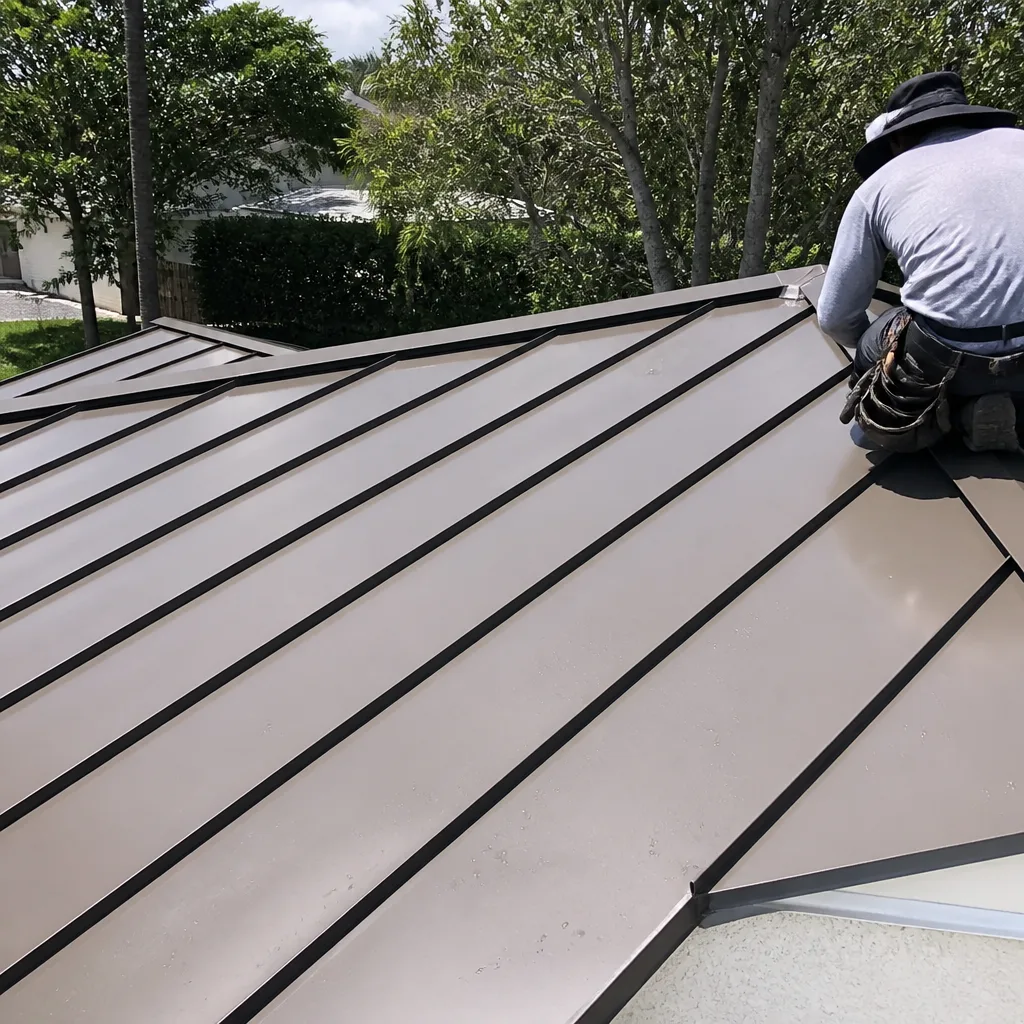 After
AfterReplacement Cost & What’s Included
For most Miami homes, Tamko ridge vent installation runs between $380 and $720. That includes the vent material itself, the fasteners, any ridge cap shingles needed to blend the new vent into the existing roof line, and all labor. If your roof has a complex ridge line, multiple peaks, or the existing vent was installed incorrectly and requires correction, the price moves toward the top of that range. If your home is a simple single-story with a straight ridge, you’ll land closer to the bottom.
Here’s the breakdown of what you’re paying for: the vent material is $90 to $160 for a standard 20 to 30 foot ridge line. Labor runs $250 to $450, which includes removing the old vent, inspecting the decking underneath, replacing any compromised fasteners, and securing the new vent. The remainder covers new ridge cap shingles, if needed. We give every Miami homeowner a written line-item price before any work starts. No estimate that turns into a higher quote at the door. No vague “we’ll see what we find” pricing. You’ll know the number before a single nail moves.
Every ridge vent installation we do carries our written guarantee. If the vent fails inside the guarantee period, we return at no charge under our 365-Day Done Right Promise and correct it. That’s not a premium add-on. It’s how every Tilehurst Roofing job works.
DIY or Call Us?
Here’s the honest split. You can safely inspect your ridge vent from the ground or from a ladder that never touches the roof. Look for lifting, cracking, or gaps along the peak. Take photos if you can. What you should not do is climb onto a Miami roof in July with a hammer and a handful of nails. Ridge vent installation looks simple, but it requires working on a slope, often near the very top of the roof, and getting the alignment and fastening right. A ridge vent that isn’t seated properly will fail within months, and you’ll be paying for the same repair twice.
Greg Holloway grew up in Los Angeles and picked up his first roofing tools as a teenager, later completing trade training at Los Angeles Trade-Technical College before making roofing his full-time career. He’s done enough ridge work in Miami to know that a vent installed wrong is worse than no vent at all, because it creates a false sense of protection while letting water in at the peak. If you’re uncertain about the condition of your Tamko ridge vent, call (850) 613-1762 and we’ll put eyes on it. If it turns out you don’t need a replacement, we’ll tell you that and leave. If you do need one, you’ll have a written price before we touch the roof. That’s the only way Greg knows how to work.
FAQs
A correctly installed Tamko ridge vent typically lasts 15 to 18 years in Miami’s climate, which is slightly shorter than in drier regions because our UV exposure, humidity, and storm cycles stress the material faster. Some vent sections fail earlier if the fasteners were improperly placed at the original installation. Call (850) 613-1762 for a free ridge vent inspection.
In some cases, yes: a small section of lifted vent or a few backed-out nails can be corrected without replacing the full run. However, if the vent material shows cracking across multiple sections or the decking underneath has water damage, a full replacement is the more dependable fix. We’ll inspect it and tell you honestly which path makes sense for your roof.
Most Tamko ridge vent installations take 2 to 4 hours on a standard Miami home, including removal of the old vent, decking inspection, and securing the new vent with proper fasteners. Complex ridge lines or multiple peaks can push the job into a full day.
We carry Tamko-compatible ridge vent on our trucks most weeks. We also work with GAF, Owens Corning, and CertainTeed vent systems, so if your roof uses a different shingle brand, we can match the vent to it. If the specific Tamko vent you need is not in stock the day you call, we can usually have it within a day or two.
Call (850) 613-1762 to schedule your free estimate. Tilehurst Roofing Miami serves Miami and nearby areas with written prices, written guarantees, and a live person answering every call, day and night.
Written by Greg Holloway, Owner, Tilehurst Roofing Miami at Tilehurst Roofing Miami, serving Miami and nearby areas.