
Last updated October 17, 2026
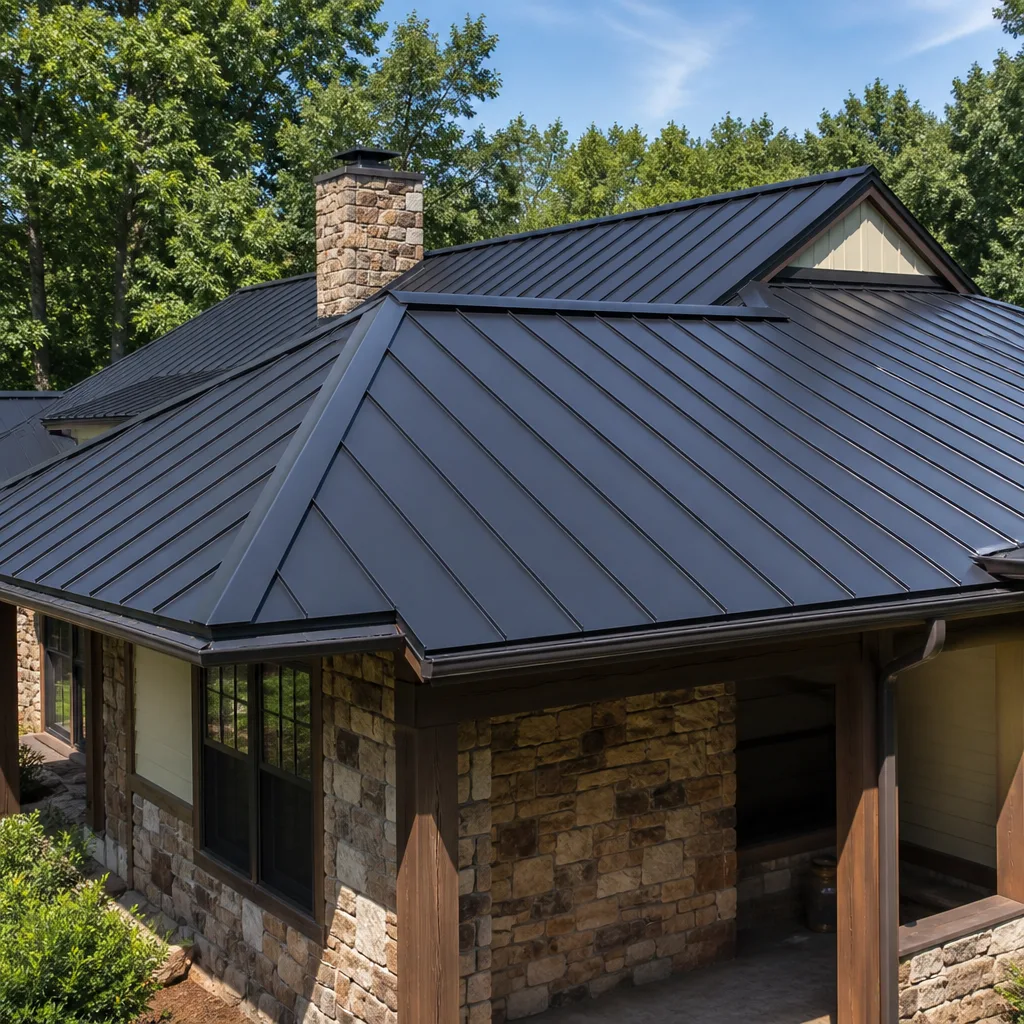 Metal roofing
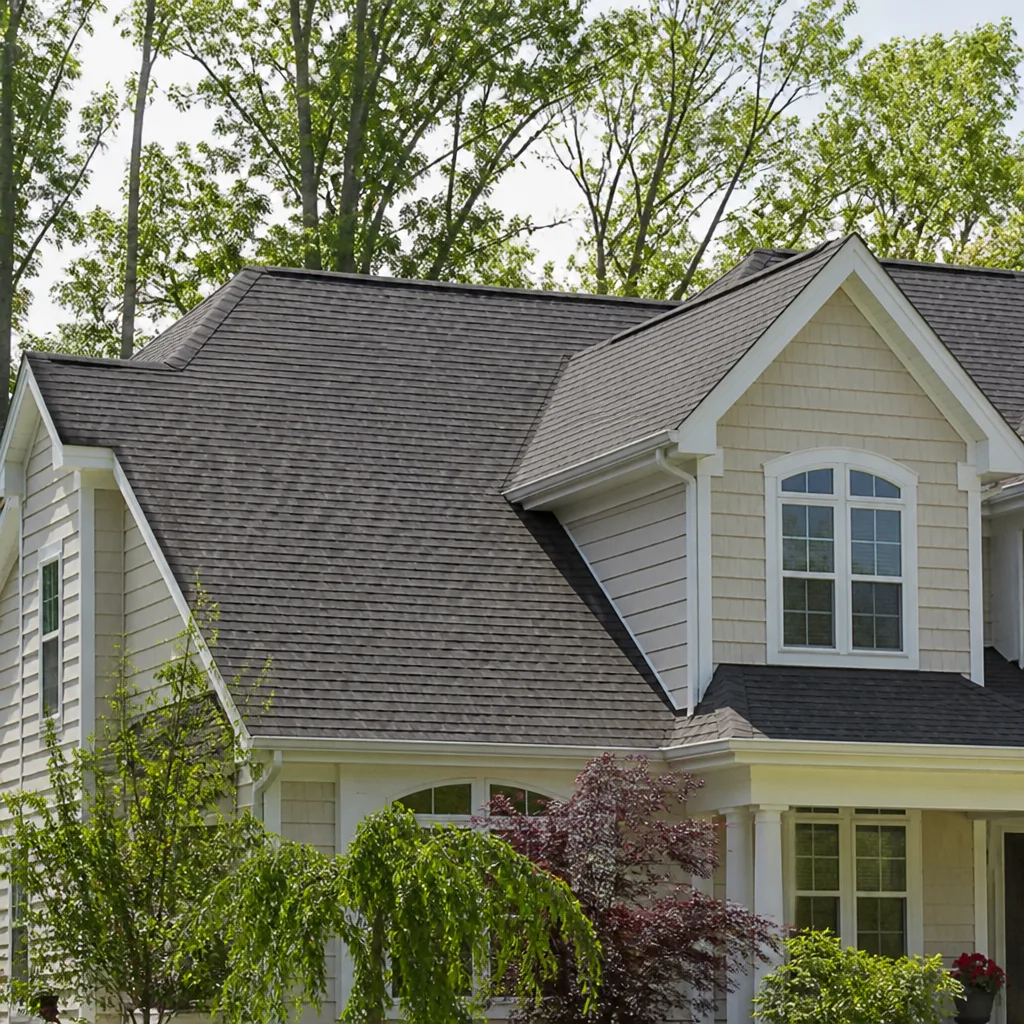 Architectural shingles
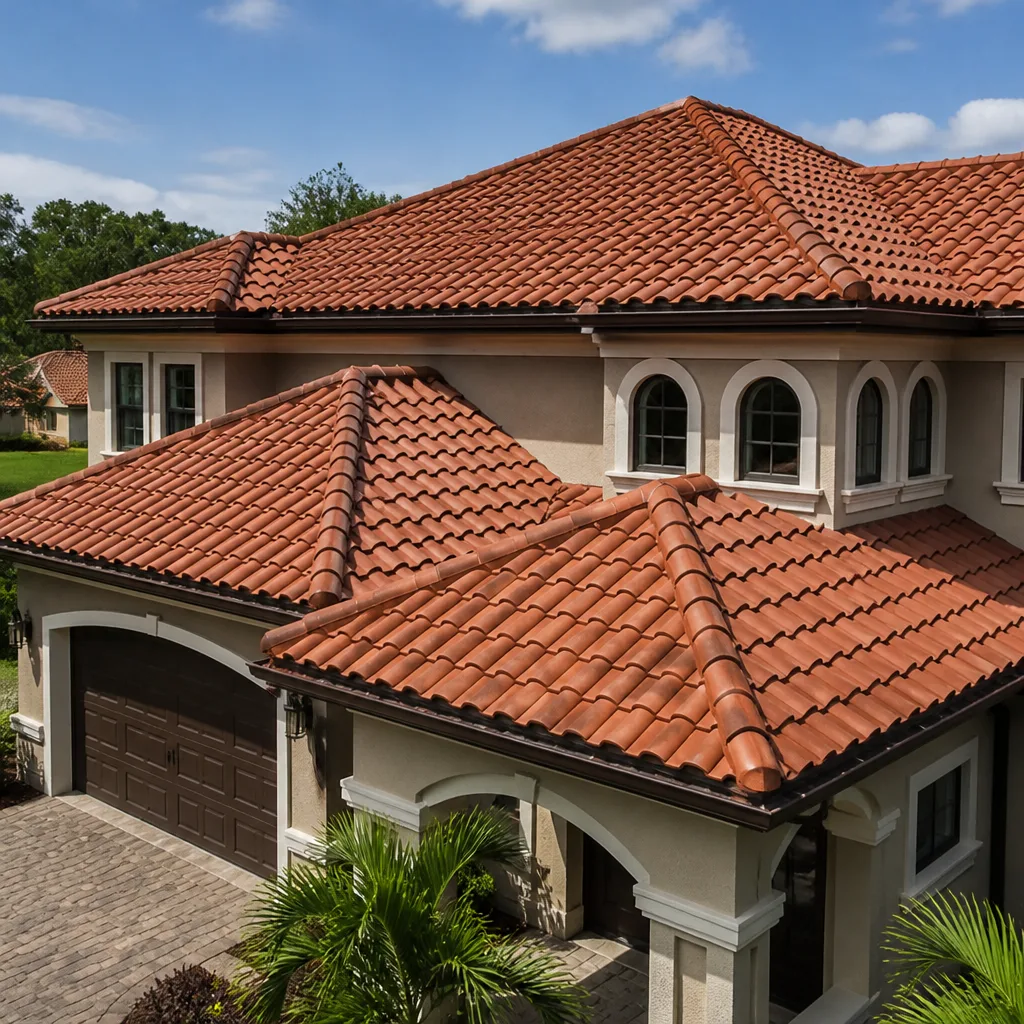 Tile roofing
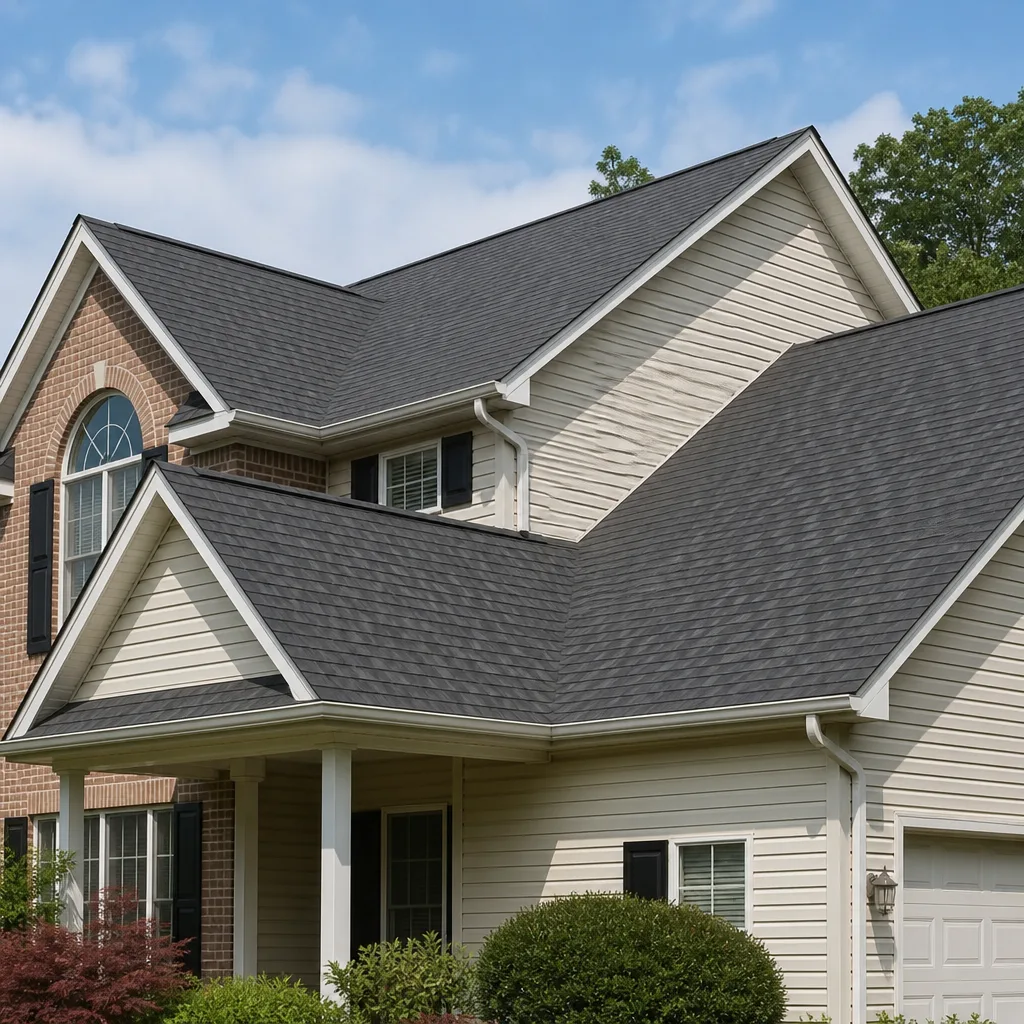 GAF
GAF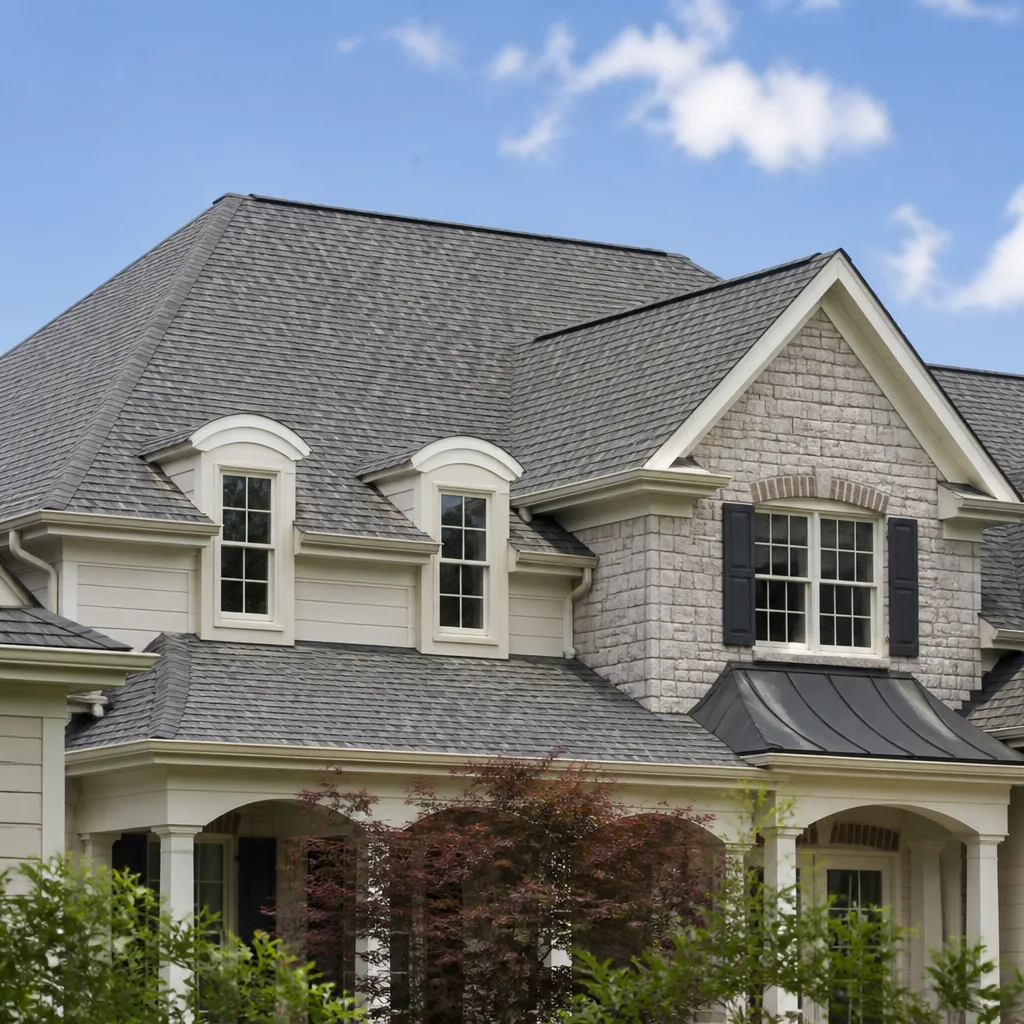 Owens Corning
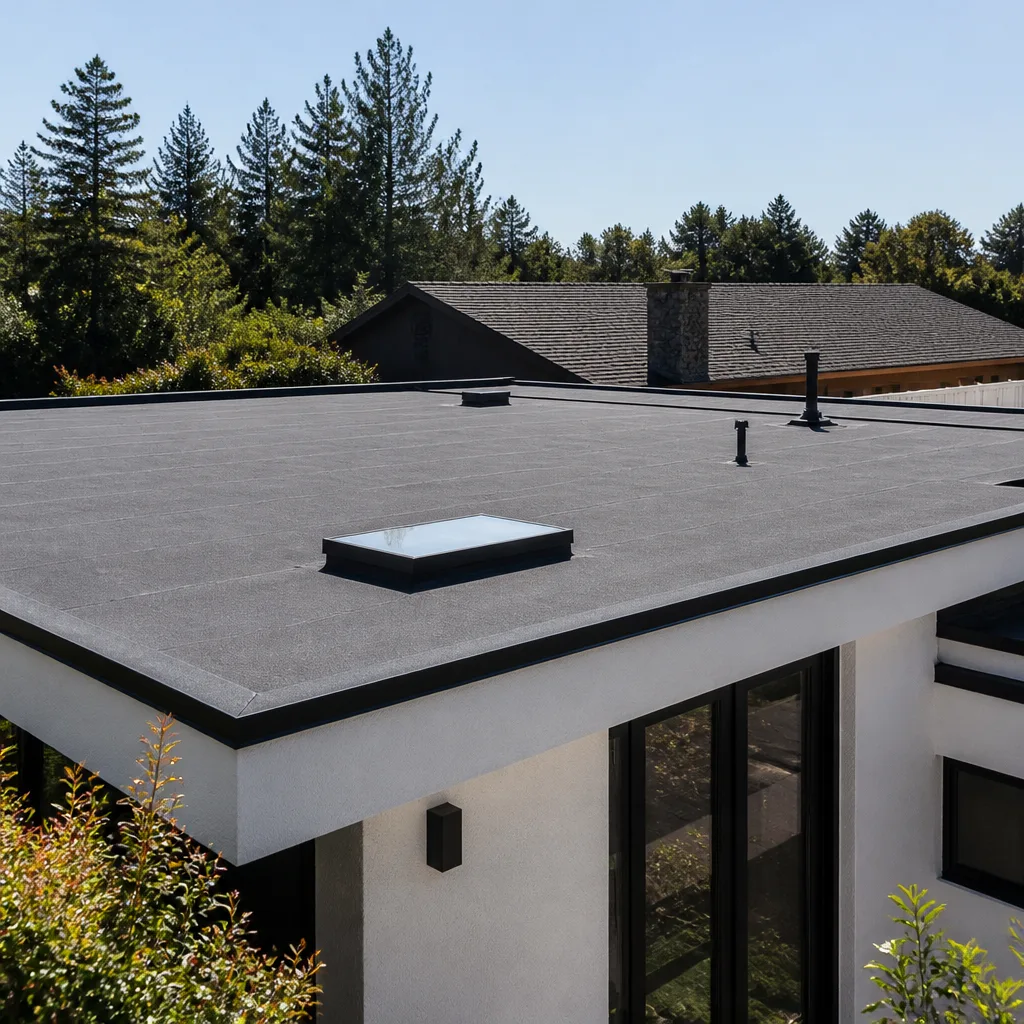 Flat & low-slope
Free roof inspection with deck photos before we talk money - GAF and Owens Corning certified installation
Roofing Cost Breakdown: The Miami Homeowner’s Reference for 2026
Here’s a number most Miami roofing companies won’t tell you up front: the gap between the lowest and highest bid for the same roof replacement in this city averages $4,200. The cheapest bid is wrong roughly half the time, usually because it quietly leaves out permit fees or specifies materials that don’t meet Miami-Dade’s High Velocity Hurricane Zone code. This guide walks through every line item on a real Miami roofing proposal, what each one should cost in 2026, and where contractors hide the problems that turn a cheap roof into an expensive one. For Roofing Warning Signs: A Miami Homeowner’s Reference Guide, see our earlier coverage.
Quick Answer
A full roof replacement in Miami costs between $9,500 and $34,000 in 2026, with most asphalt shingle re-roofs on average single-family homes landing between $12,000 and $18,000 and tile roofs running $22,000 to $34,000. The Miami premium over Orlando or Tampa is $1.50 to $2.80 per square foot, driven by Miami-Dade permit fees, NOA-compliant material requirements, and mandatory two-ply underlayment under tile. Roof repairs in Miami typically run $350 to $1,400 depending on the leak source and roof type.
Styles & brands we work with
Table of Contents
- Line-Item Breakdown of a Miami Re-Roof
- Why Miami Costs More Than Orlando or Tampa
- How to Read a Roofing Proposal for Hidden Cost Exposure
- Permitted vs. Unpermitted: The Real Cost Difference
- How Insurance Claims and Financing Affect Your Out-of-Pocket Cost
- Miami Roofing Materials: What Holds Up and What Gives Out
- Common Mistakes to Avoid
- When to Call a Professional
- Frequently Asked Questions
Line-Item Breakdown of a Miami Re-Roof
If you’ve ever stared at a roofing proposal and felt like you were reading a foreign language, you’re not alone. Most contractors count on that confusion. Here’s what every major line item on a legitimate Miami tear-off and replacement should look like in 2026, with real price ranges for a standard 1,800 to 2,200 square foot single-story home.
Tear-Off and Disposal: $1,800 to $3,200
Before a single new shingle goes down, the old roof has to come off. In Miami, that means removing the existing material down to the decking (the plywood or board layer beneath everything), loading it into a dump trailer, and hauling it to a landfill or recycling facility. Some homes in neighborhoods like Shenandoah or Coral Gate still have original cement tile from the 1960s, which is heavier and costs more to remove and haul than asphalt shingles. A second layer of old shingles adds $600 to $900 in labor and disposal fees because code requires both layers to come off before a new roof goes on.
Decking Repair or Replacement: $2.50 to $4.00 per Square Foot (as Needed)
The decking is the wood surface the roofing material attaches to. After tear-off, the crew will find rotted or water-damaged sections, particularly around chimneys, skylights, and valleys where water collects. In Miami’s humidity, decking rot is more common than in drier climates because moisture gets trapped under old underlayment. A typical Miami re-roof replaces 2 to 6 sheets of plywood decking at $65 to $90 per sheet including labor. A contractor who quotes $0 for decking replacement is either planning to surprise you later or planning to roof over rot, which will fail a Miami-Dade inspection and shorten the roof’s life by years.
Underlayment: $0.45 to $1.10 per Square Foot
Underlayment is the water-resistant barrier that goes between the decking and the visible roofing material. It’s the last line of defense when wind-driven rain gets past the shingles or tile, which happens routinely in Miami thunderstorms. This is also where Miami-Dade code diverges sharply from the rest of Florida. Under tile roofs, the county requires a two-ply system: a base layer plus a cap sheet in hot-mopped or self-adhered form. Under shingles, a single synthetic underlayment layer generally meets code, but many Miami roofers now recommend a peel-and-stick base layer in valleys and around penetrations as a leak-proofing upgrade. The brand matters here: materials from Owens Corning and Atlas carry Miami-Dade Product Control approvals, which means they’ve been tested for the specific wind and rain conditions of this region.
Flashing: $800 to $1,600
Flashing is the metal, usually aluminum or galvanized steel, that directs water away from the places where the roof meets a wall, chimney, skylight, or vent pipe. Cheap flashing jobs reuse old metal or use thin gauge material that corrodes in Miami’s salt air within a few years. A proper Miami flashing job replaces every piece with new metal, uses corner pieces at transitions, and includes a drip edge (the metal strip along the roof’s edge that keeps water from curling back under the shingles). Drip edge alone runs $1.50 to $2.50 per linear foot installed, and it’s a code requirement in Miami-Dade. If a proposal doesn’t list drip edge, ask why.
Ridge Caps and Hip Caps: $3.00 to $5.00 per Linear Foot
The ridge cap covers the peak where two roof slopes meet; hip caps cover the angled joints on a hip roof (the most common roof shape in Miami’s mid-century neighborhoods like Westchester and Kendall). These are not cosmetic. A failing ridge cap is one of the most common entry points for wind-driven rain in a hurricane. Miami code specifies that ridge caps must be installed with the same high-wind fastening pattern as the field shingles, and on tile roofs, the caps are often set in a mortar or adhesive system approved for HVHZ conditions.
Permit and Inspection Fees: $1,200 to $2,800
Miami-Dade County and the City of Miami each charge permit fees based on the project valuation, and roofing permits are not cheap here. For a deeper breakdown, read Roofing Permits, Codes & Inspections in FL: What You Need to Know. A typical re-roof permit runs $1,200 to $2,800 depending on the municipality, the roof size, and whether you’re in an incorporated city like Coral Gables (which has its own building department and fee schedule) or unincorporated Miami-Dade. This line item also covers the required inspections: a mid-roof inspection for underlayment fastening and a final inspection after the roof is complete. A contractor who quotes a suspiciously low permit fee will usually hit you with a change order once the permit is actually pulled.
Labor: $2.50 to $5.50 per Square Foot
Labor is the line item that varies most between bids, and it’s where the $4,200 spread comes from. A Miami roofing crew costs $350 to $600 per worker per day, and a full tear-off and replacement takes 3 to 5 days with a 5 to 8 person crew. Crews that are properly licensed, insured, and background-checked cost more per hour than day-labor crews picked up outside a home improvement store, and that difference shows up in the final price. It also shows up in the quality of the work and in what happens if something goes wrong six months later.
Why Miami Costs More Than Orlando or Tampa
Homeowners who’ve had roofs replaced in other parts of Florida often do a double take when they see a Miami quote. The same job that runs $10,000 in Tampa can easily hit $13,500 in Miami, and it’s not because Miami roofers are greedier. Four specific factors add a documented $1.50 to $2.80 per square foot to every re-roof in Miami-Dade County.
1. HVHZ Building Code Requirements
Miami-Dade is part of the High Velocity Hurricane Zone, the strictest wind-resistance standard in the United States. Every roofing product installed in Miami must carry a Notice of Acceptance from the Miami-Dade Product Control Division. That approval requires manufacturers to submit their products to wind-tunnel testing, uplift testing, and real-world storm simulation. Approved products cost more than their non-approved equivalents because they’re built to a higher standard and because manufacturers pass the testing costs through to buyers. When you see a “Miami-Dade approved” stamp on a shingle bundle, that’s what you’re paying for: proof that the product survived simulated hurricane conditions in a testing facility, not just a marketing claim.
2. Mandatory Two-Ply Underlayment Under Tile
In Orlando or Tampa, a tile roof can go over a single layer of underlayment. In Miami-Dade, code requires two layers under tile: a base sheet mechanically fastened to the deck, plus a cap sheet adhered on top. The second layer adds $0.35 to $0.65 per square foot in materials and another $0.25 to $0.45 per square foot in labor. It exists because Miami’s wind-driven rain during tropical storms and hurricanes pushes water under tile laps more aggressively than anywhere else in the state. Skip it, and a failed inspection is the best outcome; a roof that leaks through the tile during the first strong storm is the worst.
3. Permit Fees and the 40-Year Recertification Pipeline
Miami-Dade’s permit fees are the highest in Florida for residential roofing. The county’s building department is also one of the most stringent in the state, requiring multiple inspections before a roof is signed off. That inspection rigor is a feature, not a bug: it’s why Miami roofs have some of the lowest failure rates in the state after major storms. But it does add cost. Additionally, Miami’s unique 40-year building recertification program means many older Miami roofs are being replaced at the same time as the rest of the building’s electrical and structural systems are being scrutinized, which tends to surface decking and framing repairs that other cities’ projects don’t encounter.
4. Salt Air and Humidity Accelerate Hidden Damage
Miami’s coastal environment corrodes flashing, rots decking, and degrades underlayment faster than inland Florida. A roof in Orlando might have decking in serviceable condition after 15 years; the same age roof in Coconut Grove or Brickell is more likely to have moisture damage around penetrations because the air itself holds more water and the wind pushes that water into every gap. That means Miami re-roofs more frequently include decking replacement, more frequently include new flashing, and more frequently uncover problems that weren’t visible from the attic. Those aren’t padding. They’re the real condition of roofs in this climate.
How to Read a Roofing Proposal for Hidden Cost Exposure
Most roofing proposals in Miami are written to look complete while leaving enough ambiguity for the contractor to raise the price later. Here’s how to read one like an inspector reads a permit application, and what the specific language signals about how the contractor actually plans to run the job.
The “Allowance” Trap
An allowance is a stated dollar figure that covers a category of work without specifying what’s included. A line that reads “Decking allowance: $500” means the contractor has budgeted $500 for decking repair, but the actual cost could be $1,200 if the tear-off reveals more rot than expected. Allowances are sometimes legitimate; the tear-off is the first time anyone sees the decking in ten years. But a proposal with multiple allowances, especially for materials like underlayment or flashing, is a red flag. It means the contractor is deferring pricing decisions until after you’re financially committed, which is exactly when you lose negotiating leverage. In our experience in Miami, clear proposals list specific unit prices: “$75 per sheet of decking replaced, if needed.” That gives you a real cost picture and a way to verify the final invoice.
“Time and Material” Clauses
A time and material clause means the contractor charges you for labor hours and materials as they’re consumed, with no fixed ceiling. In Miami, where a surprise afternoon thunderstorm can halt a roofing crew for two hours, T&M clauses can add thousands to the final bill. A legitimate Miami roofing proposal prices the job as a fixed scope: the contractor bears the risk of weather delays and crew inefficiency, not the homeowner. If a proposal includes a T&M clause for anything other than specifically identified unknown conditions, that’s a signal that the contractor isn’t confident in their own estimate, or worse, is planning to monetize the uncertainty.
Unspecified Underlayment Brands
Some Miami proposals say “synthetic underlayment” without naming the manufacturer. That matters because the difference between a premium self-adhered underlayment from GAF and an economy synthetic from an import house can be $0.30 per square foot in material cost and a much bigger gap in real-world performance. In Miami’s HVHZ environment, the underlayment is doing more work than it does in most of the country. It’s the layer that keeps water out of your home when the shingles above it are already compromised. Ask for the specific product names. If the contractor can’t or won’t name them, they’re either planning to use whatever is cheapest on the truck that day or they don’t know their own material spec, which tells you something about the depth of their operation.
Permitted vs. Unpermitted: The Real Cost Difference
Unpermitted roofing work happens in Miami more than most homeowners realize, and it’s almost never disclosed at the point of sale. The pitch is usually something about saving $1,500 to $2,800 in permit fees, which sounds appealing until you understand what you’re actually buying.
The Insurance Claim Problem
If your roof is damaged in a storm and you file a claim, your insurance company will ask for proof that the roof was permitted and inspected. An unpermitted roof is a policy exclusion waiting to happen. Insurers in Florida have become increasingly aggressive about denying claims on unpermitted work because they have no way to verify the roof met code. You can fight the denial, but you’ll spend more on a public adjuster and attorney than the permit would have cost, with no guarantee of winning. The permit fee is the cheapest insurance policy you’ll ever buy for your roof.
The Resale Inspection Failure
When you sell a home in Miami, the buyer’s inspector will check for open permits and compare the roof condition to the county records. An unpermitted roof is a disclosure requirement: you must tell the buyer the roof was replaced without permits, which typically means the buyer demands a price reduction equal to the cost of a full permitted re-roof. In Miami’s real estate market, where buyers are already skittish about hurricane exposure, an unpermitted roof can kill a deal entirely. We’ve seen sellers in suburbs like Palmetto Bay have to drop their asking price by $15,000 to $20,000 to compensate for an unpermitted roof a previous owner installed.
The Re-Roof Requirement at Point of Sale
Some lenders, including many FHA and VA programs, will not finance a home with an unpermitted roof. That means your pool of potential buyers shrinks to cash buyers only, and cash buyers in Miami know exactly what unpermitted work costs to remediate. They’ll price it in. The $1,800 you saved on the permit fee becomes a $12,000 to $18,000 re-roof discount at closing, and you get to explain to the buyer’s agent why the county has no record of the roof ever being replaced.
How Insurance Claims and Financing Affect Your Out-of-Pocket Cost
Miami homeowners rarely pay for a full roof replacement entirely out of pocket. Insurance claims and financing programs cover a meaningful share of most re-roofs, and understanding how both work can change the math on what you can afford.
Insurance Claims: ACV, Depreciation, and Holdback
Most Florida homeowners policies are written as Actual Cash Value policies for roofs over 10 years old, which means the insurer pays the replacement cost minus depreciation. A 15-year-old roof with a 25-year expected life has depreciated 60%, so a $15,000 replacement triggers a $9,000 check, not $15,000. That $6,000 gap is your out-of-pocket responsibility, unless your policy has a recoverable depreciation clause, in which case the insurer releases the holdback once the work is complete and you’ve submitted proof of payment. The contractor you choose affects this process directly: an insurer is far more likely to accept a claim and release depreciation holdback when the work is documented properly, with photos, line-item invoices, and a Miami-Dade permit number attached.
Financing and Special Assessment Programs
Roof financing in 2026 typically comes through a home equity line of credit, a dedicated roofing loan from a specialty lender, or a PACE program if available in your municipality. PACE financing in Miami has been restricted for residential roofing in recent years due to concerns about lien priority, so verify current availability before counting on it. A fixed-rate roofing loan on a $14,000 replacement typically runs $130 to $190 per month over 10 years, which is a useful anchor when you’re comparing the cost of repairing an aging roof repeatedly versus replacing it once. Every year you defer a needed replacement in Miami costs you more in storm-related risk and insurance premium pressure.
Miami Roofing Materials: What Holds Up and What Gives Out
Miami is not a city where you can roof your house with whatever was on sale at the supply yard. The material choices that work in most of the country fail here, and the ones that last here cost accordingly. Here’s what a Miami homeowner needs to know about the realistic options.
Asphalt Shingles: The Workhorse
Architectural asphalt shingles remain the most common Miami roofing material because they balance cost, weight, and wind performance. A quality architectural shingle from Owens Corning, IKO, or Atlas carries a Miami-Dade NOA and a 130 mph wind warranty, which covers all but the strongest hurricanes. In Miami’s salt air, shingle roofs last 15 to 22 years depending on exposure, and they’re the most economical to replace when the time comes. The key specification in Miami is the wind rating: don’t install a shingle that isn’t NOA-approved for HVHZ conditions, regardless of the warranty language on the package.
Concrete and Clay Tile: The Long Game
Tile roofs are the signature look of Miami’s older neighborhoods, and for good reason: a properly installed tile roof lasts 40 to 50 years and shrugs off salt spray and UV exposure that would degrade a shingle roof in half that time. Boral concrete tile and clay tile from several manufacturers carry Miami-Dade approvals and are the standard for tile re-roofs. The catch is weight: tile roofs require the roof structure to support the load, which means a tile re-roof on a home that previously had shingles may require structural reinforcement. Tile installations also require the two-ply underlayment system discussed earlier, which adds cost up front but keeps the home dry for decades when the tile itself remains intact.
Metal and Membrane: Niche Roles
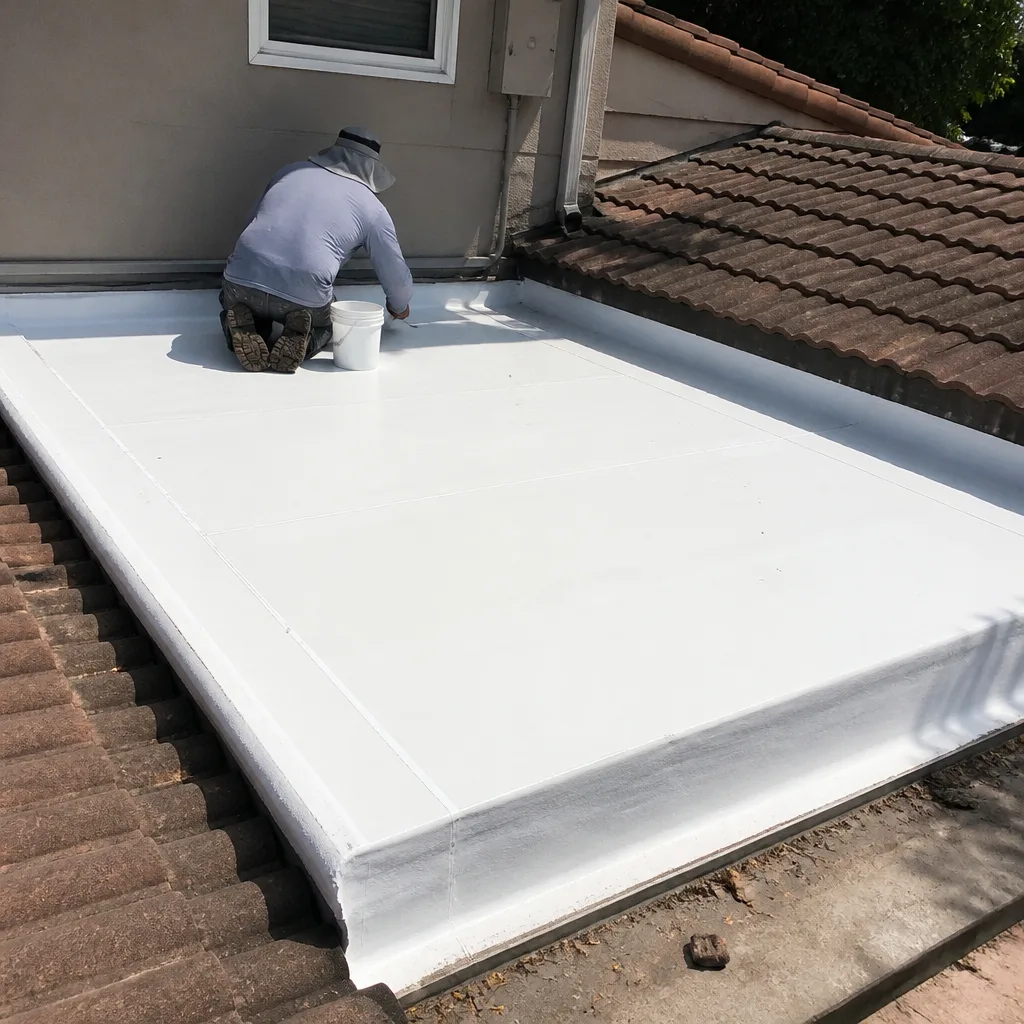
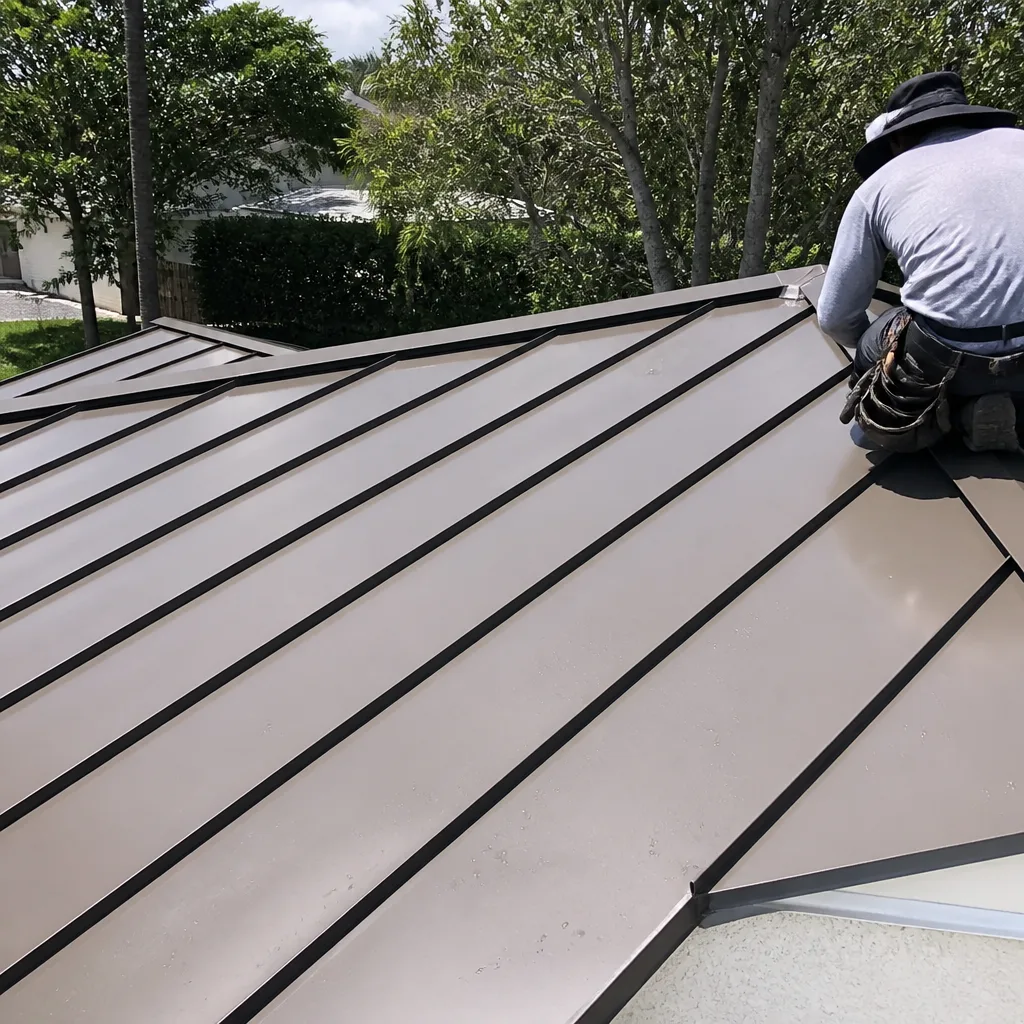
Standing seam metal roofs are a small but growing segment in Miami, primarily on modern and contemporary homes in areas like North Bay Village and parts of Coral Gables. A Miami-Dade approved metal roof runs $18 to $30 per square foot installed and carries a 40-plus year service life, but it’s a specialty product that requires careful flashing detailing to prevent galvanic corrosion in the salt air. Membrane systems like TPO or PVC are mainly used on flat-roof sections, which are common on mid-century homes and additions: any low-slope area under 2:12 pitch needs a membrane system rather than shingles or tile because water doesn’t run off fast enough for lapped materials to work.
Common Mistakes to Avoid
- Accepting a bid that omits permit fees. Miami-Dade permits are not optional, and any contractor who says they are is either lying or planning to do illegal work. The permit fee is a fixed cost of the job; write it into your comparison spreadsheet as a mandatory line item.
- Comparing bids on total price instead of line items. Two $14,000 proposals can be wildly different roofs if one includes new flashing, two-ply underlayment, and drip edge while the other assumes the old metal is reusable. Compare line by line, not bottom line to bottom line.
- Choosing a contractor based on the fastest start date. In Miami, a roofing crew that can start tomorrow is a crew without other work, and there’s usually a reason. The right contractor sometimes has a two to four week lead time; that wait is a small price for a roof that passes inspection and lasts 20 years.
- Recovering the same roof instead of tearing off. A recover, where new shingles go over old ones, is legal in some Florida municipalities but not in Miami-Dade, and it’s a false economy even where allowed because it traps moisture and doubles the replacement cost later. Always specify tear-off.
- Ignoring the decking until it’s too late. Once the underlayment starts trapping moisture against rotted decking, the repair cost compounds quickly. If the tear-off reveals rot, replace it immediately. Roofing over compromised decking in Miami’s humidity guarantees a premature failure.
- Skipping the written guarantee. A verbal promise means nothing when a repair fails six months later. In Miami, where the roofing season is year-round and storms are always around the corner, the warranty belongs in writing before the first nail is driven.
- Choosing materials by price instead of by Miami-Dade approval. Every NOA-approved product costs more than its unapproved equivalent for a reason: it survived testing that simulates a hurricane. The unapproved product saves money now and may not survive the next named storm.
When to Call a Professional
Some roofing problems announce themselves with a ceiling stain or a missing shingle after a storm. Others hide in the attic, in the flashing around a chimney, or in the underlayment beneath perfectly intact tile. If you see water staining on ceilings or walls, notice granules from shingles collecting in gutters, spot loose or missing flashing, or hear wind-driven rain tapping against the underside of the roof deck, it’s time for a professional inspection. Roof work in Miami involves real safety hazards: steep pitches, high temperatures, and hurricane-rated fastening patterns that require training and the right equipment. Tilehurst Roofing Miami offers free estimates in Miami, with a written price before any work starts and a written guarantee on every repair. Browse more guides & resources on protecting your home. Call (850) 613-1762 to schedule yours.
Frequently Asked Questions
A full roof replacement in Miami ranges from $9,500 to $34,000 in 2026, with most asphalt shingle re-roofs on average single-family homes falling between $12,000 and $18,000 and tile roofs running $22,000 to $34,000. The final number depends on roof size, material choice, decking condition, and whether the home requires structural reinforcement for heavier tile. For an exact quote on your home in Miami, call (850) 613-1762; estimates are free and include a written line-item price.
Miami roofing costs $1.50 to $2.80 per square foot more than Orlando or Tampa because of Miami-Dade’s High Velocity Hurricane Zone code, which requires NOA-compliant materials, two-ply underlayment under tile, multiple inspections, and higher permit fees than anywhere else in the state. Salt air and humidity also accelerate decking and flashing deterioration, which means more repair work gets done during a typical re-roof. Learn more about how a roofing company in Miami navigates these requirements.
Most Miami roof repairs run $350 to $1,400, with small flashing or shingle repairs at the low end and underlayment replacement or leak remediation at the high end. Tile roof repairs tend to cost more than shingle repairs because tile requires specialized handling and often involves resetting the underlayment beneath the broken tiles. For a written repair estimate, see our roof repair services in Miami or call (850) 613-1762.
With a properly written fixed-scope proposal, the price should not change unless the tear-off reveals hidden decking damage or structural issues that could not have been seen beforehand. A legitimate Miami contractor writes specific unit prices for decking replacement and discloses them up front, so you know exactly what a surprise will cost before it happens. If a proposal includes vague allowances or a time-and-material clause, expect the price to move. At Tilehurst Roofing Miami, the written price in your hands before work starts is the price you pay, with any decking work priced per sheet at a rate you’ve already approved.
Yes, a legitimate Miami roofing contractor pulls all required permits and schedules the necessary inspections, and the permit fees are listed as a line item on your proposal. In Miami-Dade, a re-roof typically requires at least two inspections: a mid-roof underlayment check and a final roof inspection. Any contractor who suggests skipping permits is putting your insurance coverage and future home sale at risk. If you’re considering a full roof replacement in Miami, the permit process is included in our written quote.
A standard asphalt shingle tear-off and replacement on a typical Miami home takes 3 to 5 days of active work, with tile roofs running 5 to 8 days depending on the roof complexity and crew size. Weather delays are common in Miami, particularly during the June-to-November rainy season, so factor in additional calendar days beyond the actual working time. Your proposal should state the expected start and completion window in writing before you sign.
The Bottom Line
A Miami roof is not a place to hunt for the lowest number. The code requirements are real, the climate is unforgiving, and the difference between a properly built roof and a cheap one shows up in the first strong storm. Learn to read a proposal line by line, insist on Miami-Dade approved materials, never skip the permit, and get every guarantee in writing. The contractors who welcome that scrutiny are the ones worth hiring. Tilehurst Roofing Miami provides written pricing before any work starts, a written guarantee on every repair, and a live person answering every call at (850) 613-1762, 24 hours a day.
Written by Greg Holloway, Owner at Tilehurst Roofing Miami, serving Miami since 2000.
See the difference
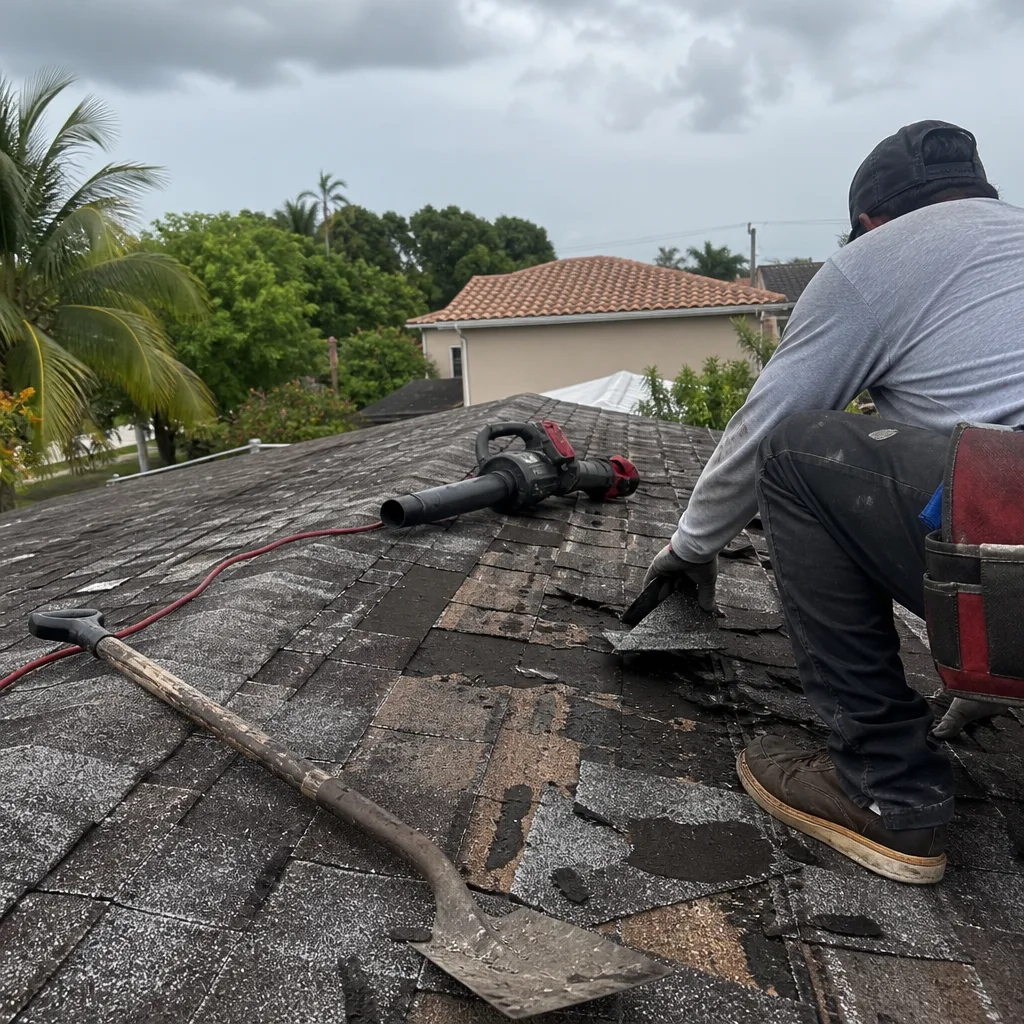 Before
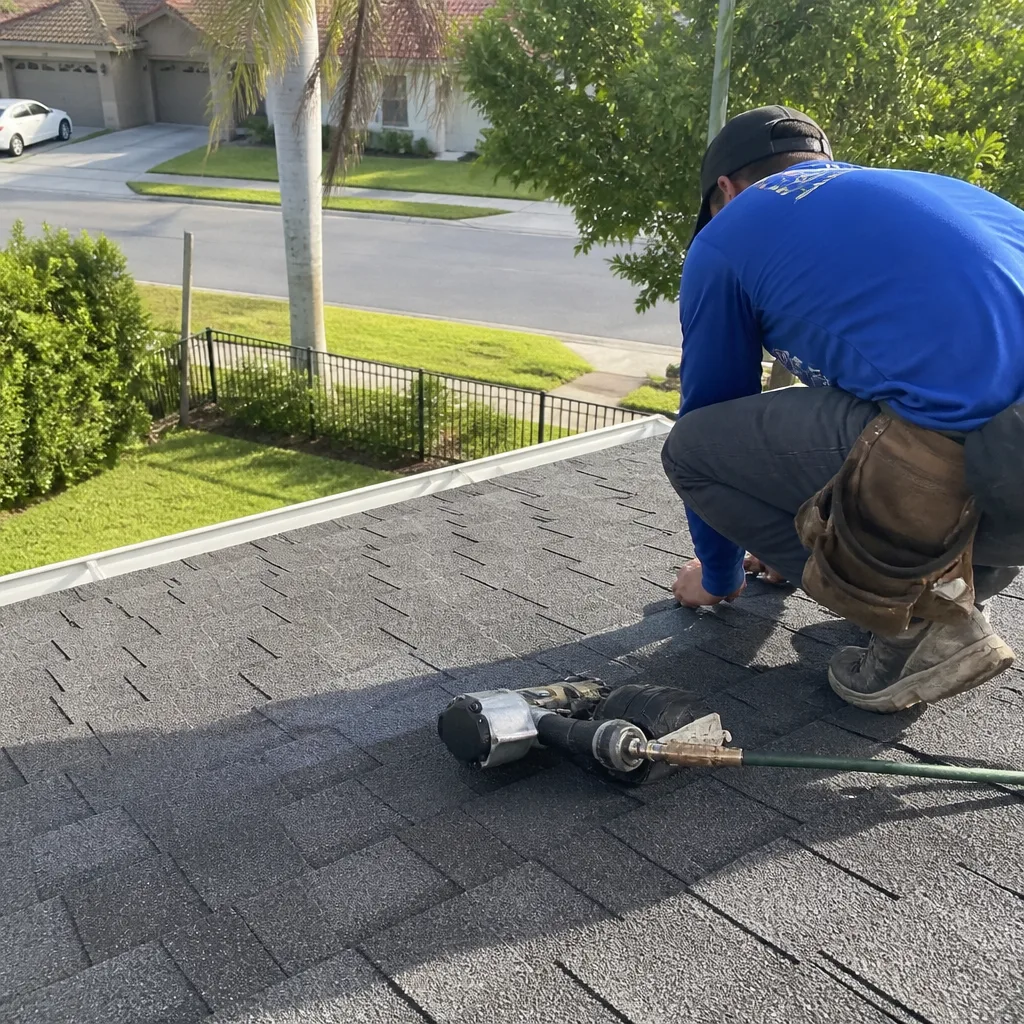 After
After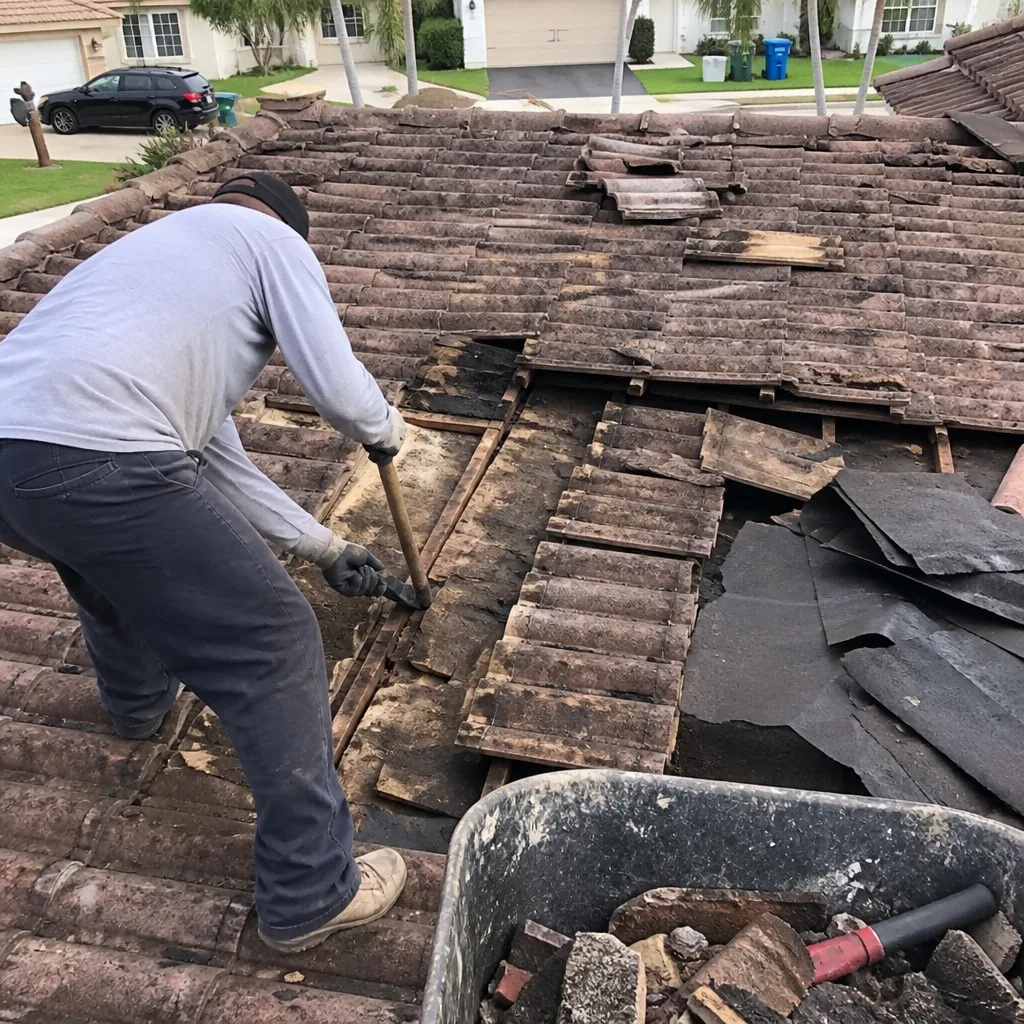 Before
 After
After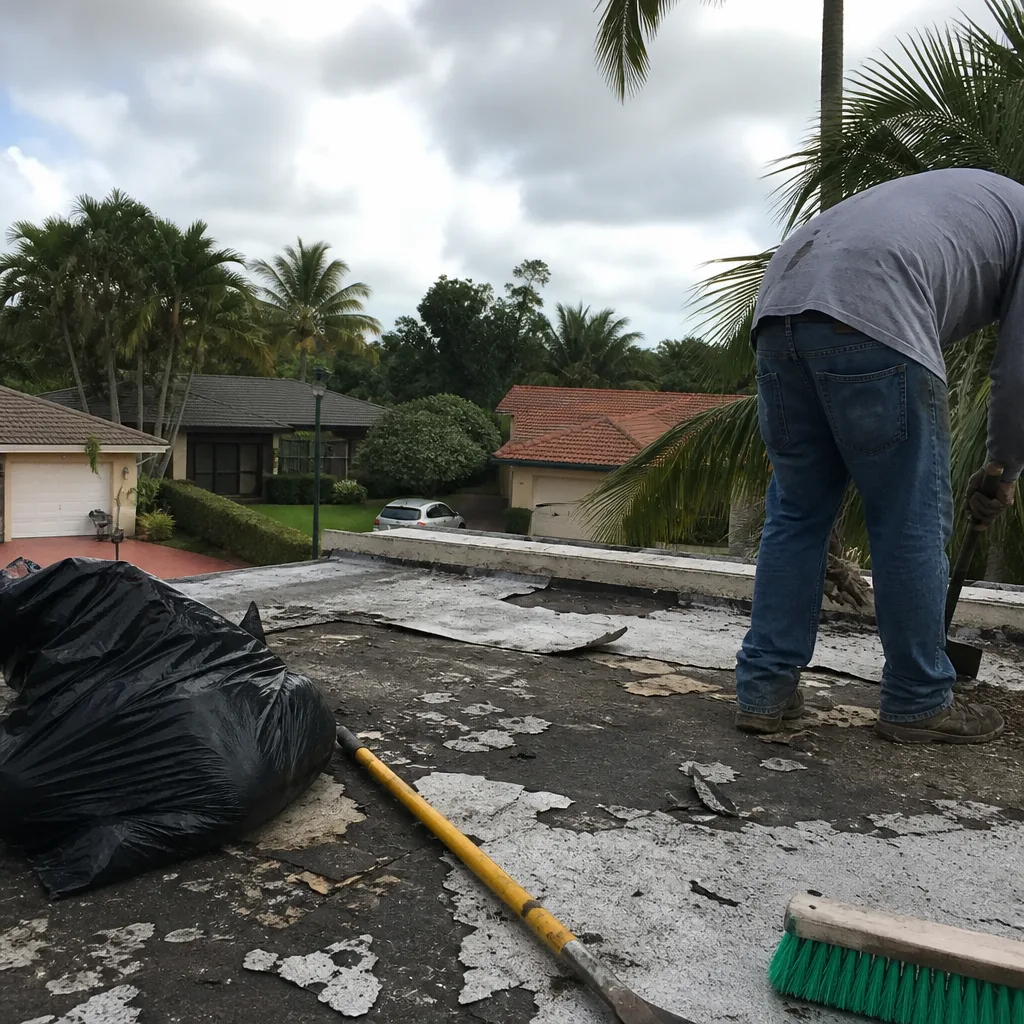 Before
 After
After