
Last updated October 17, 2026
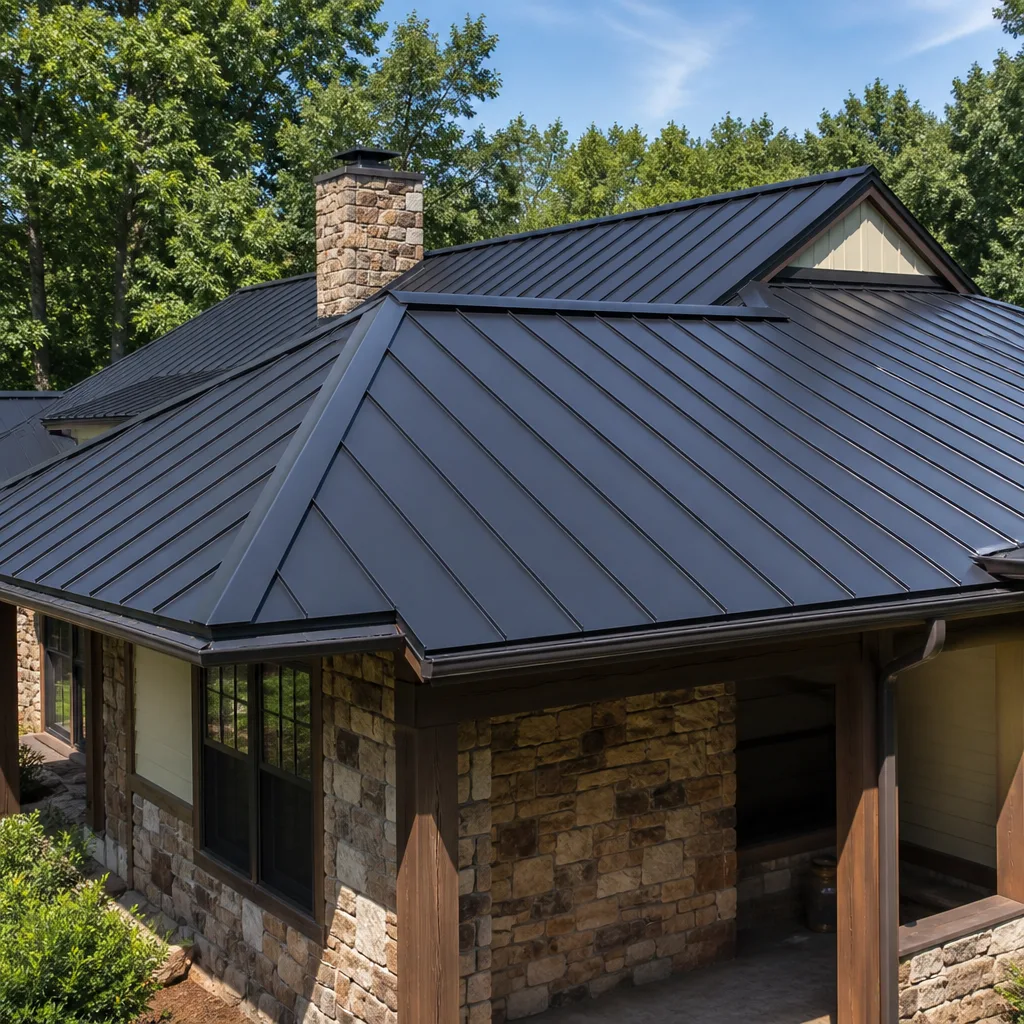 Metal roofing
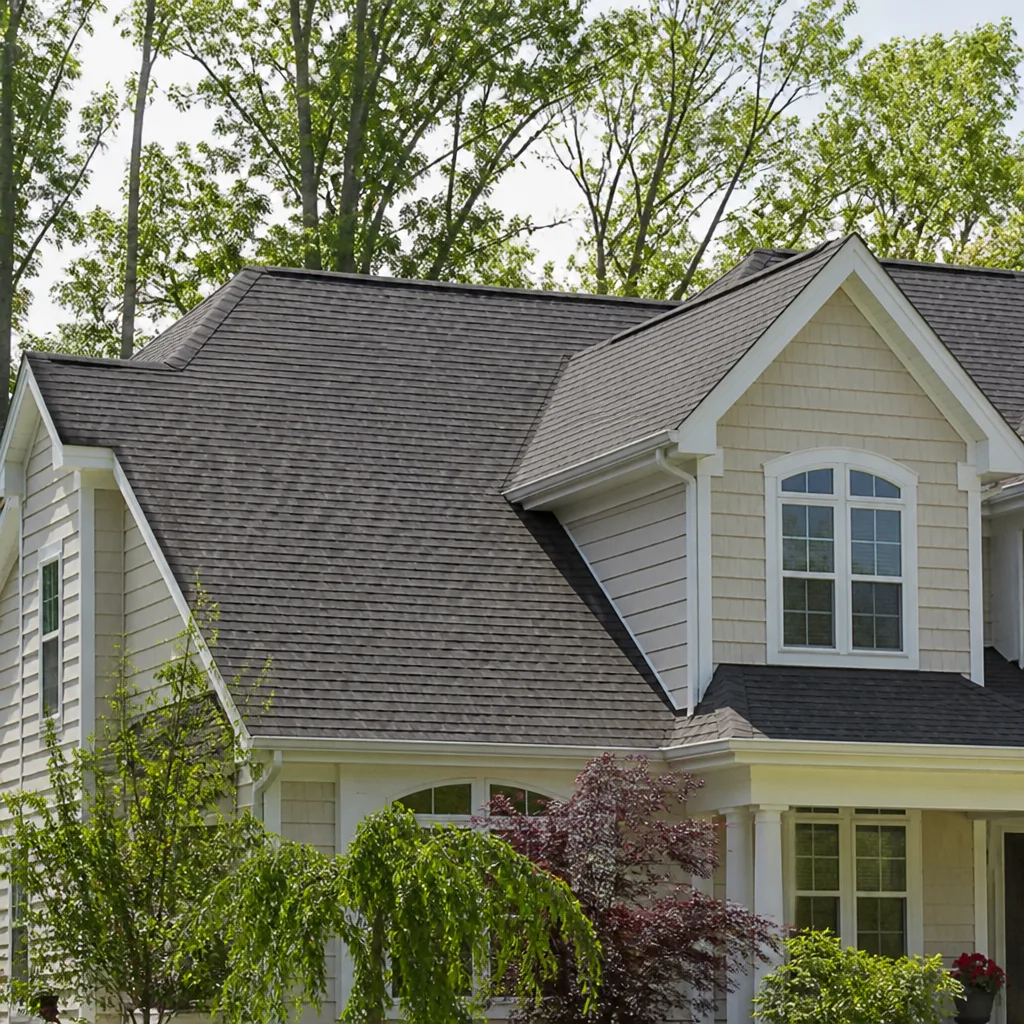 Architectural shingles
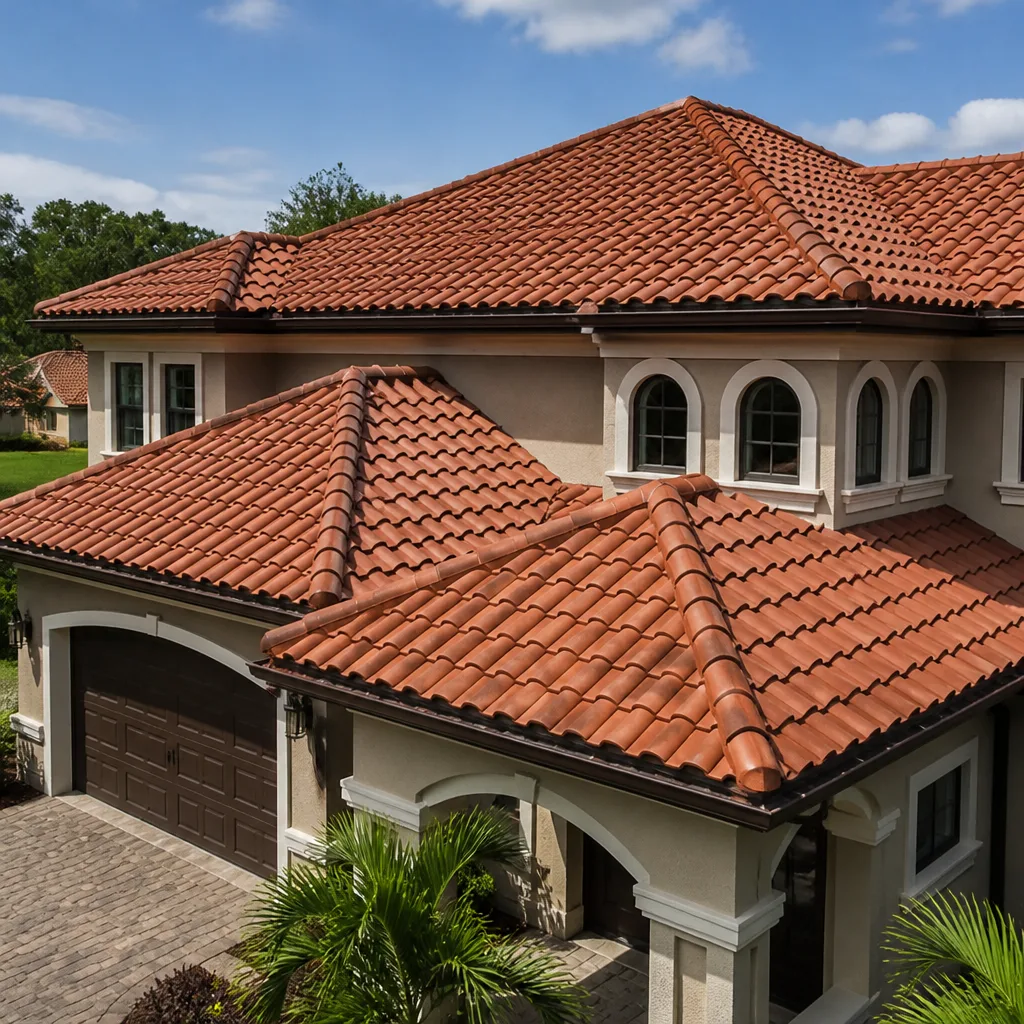 Tile roofing
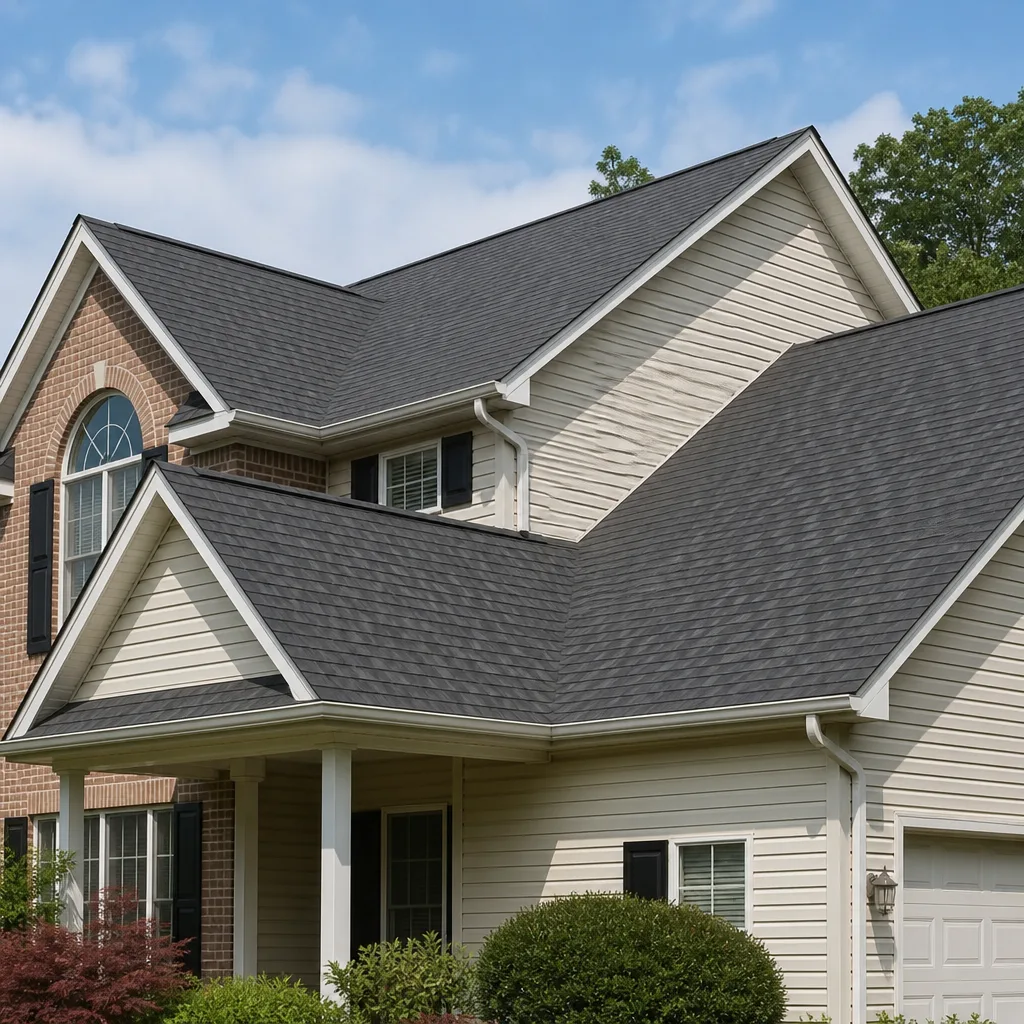 GAF
GAF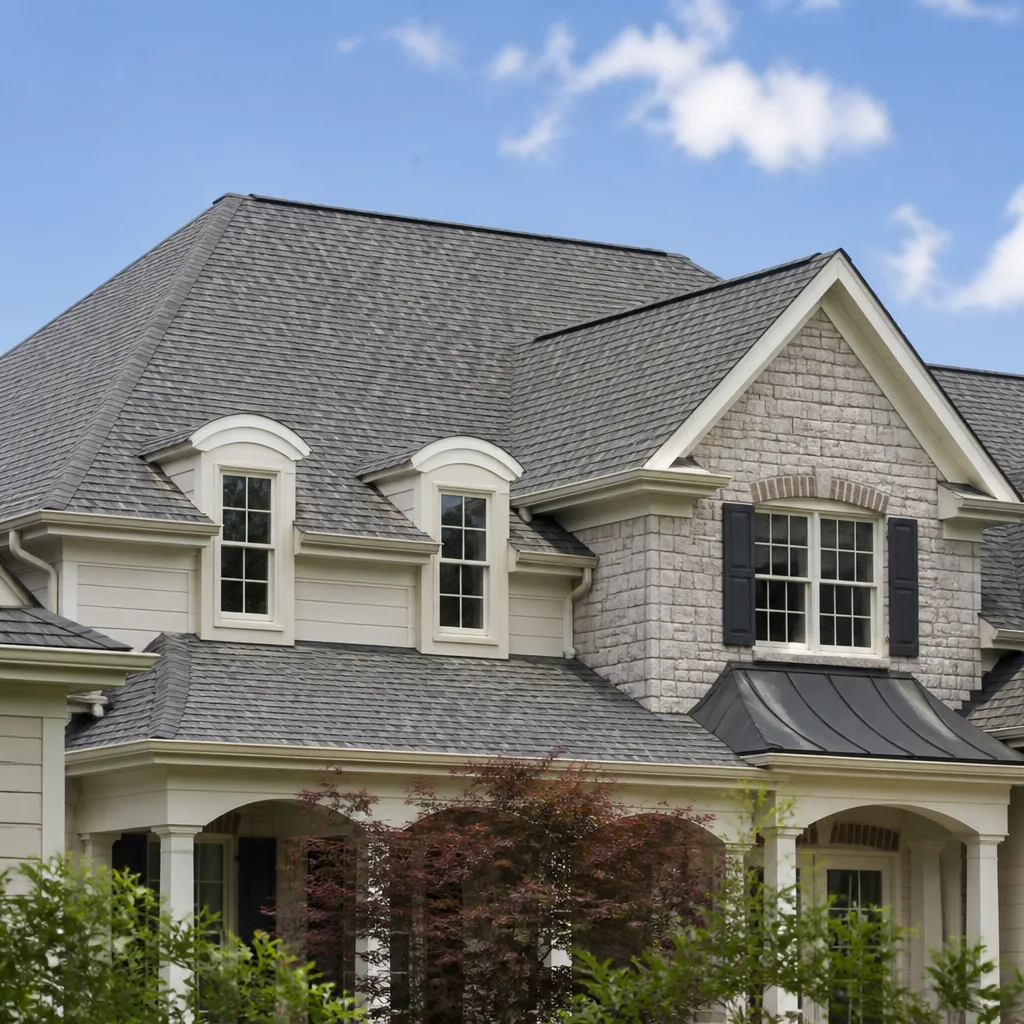 Owens Corning
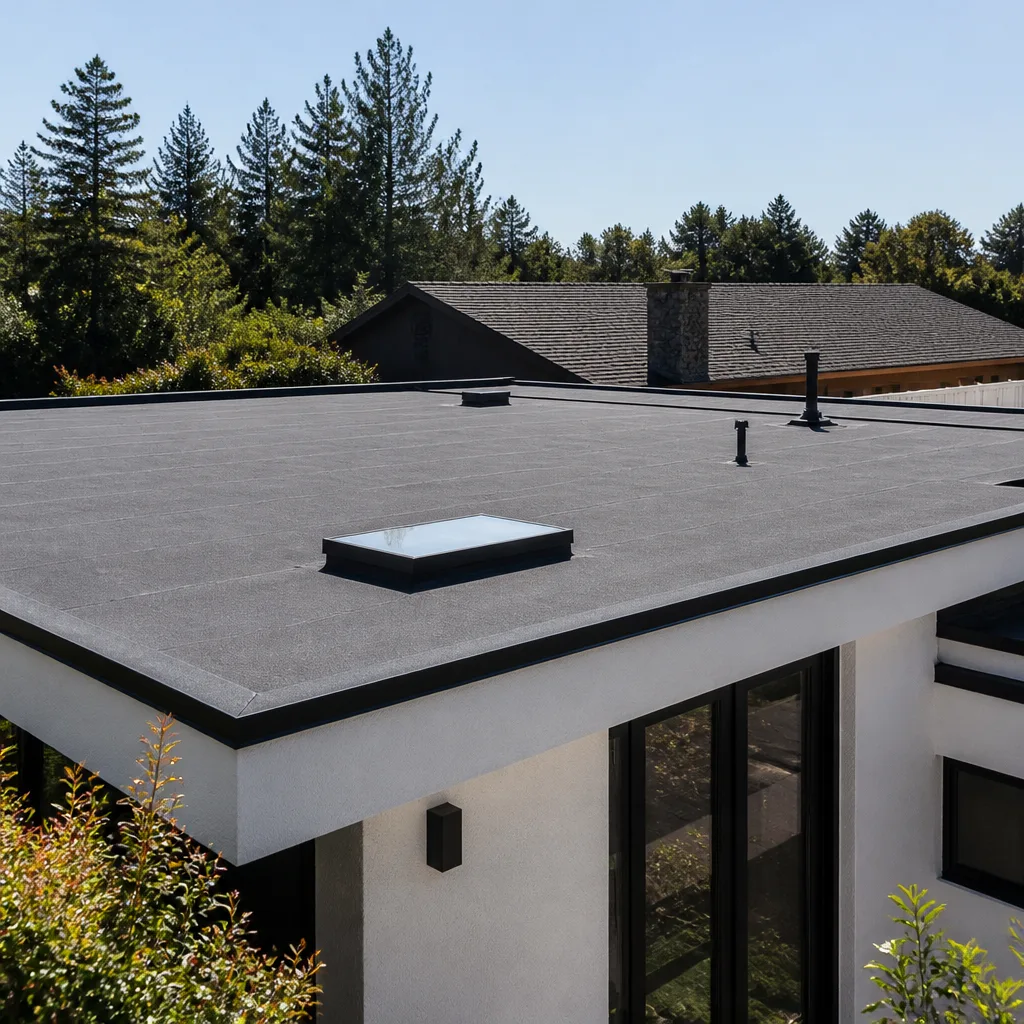 Flat & low-slope
Free roof inspection with deck photos before we talk money - GAF and Owens Corning certified installation
Seasonal Roofing Care for Miami: Year-Round Homeowner’s Guide
Most homeowners in Miami assume the rainy season is when roofs fail. That assumption is wrong, and it’s an expensive mistake. The truth is more counterintuitive: Miami’s driest month, March, is when roof decks experience their highest thermal expansion stress. Wait, what? Here’s the thing. Month after month of dry-season sun heats the roof deck, and the wood expands and contracts daily. By March, that deck has been baking for months without rain to cool it. The damage that accumulates during Miami’s so-called “good” weather is what turns a $400 repair in April into a $14,000 partial re-roof by August. This guide walks through the two seasons and two transition windows that actually matter for Miami roofs, and what to do in each one. For a deeper dive, see The Complete Guide to Roofing in Miami.
Quick Answer
Seasonal roofing care in Miami means treating the year as two seasons (wet and dry) plus two critical transition windows (April – May and October – November). The most important tasks are: a pre-wet-season inspection in April focused on flashing, valleys, and penetration seals; a post-storm documentation pass after any named tropical event; dry-season ventilation and mortar work; and year-round gutter maintenance. Most asphalt-shingle repairs in Miami run $380 – $750, and a full re-roof on a typical 1,800 sq ft home runs $9,500 – $16,000 depending on material.
Styles & brands we work with
Table of Contents
- Miami Doesn’t Have Four Seasons. It Has Two. Plus Two Windows.
- The Pre-Wet-Season Checklist (April – May): What Actually Leaks in Miami
- After a Named Storm: What to Document, Even With No Visible Damage
- Dry-Season Work (November – April): Ventilation, Mortar, and Wasp Nests
- UV Damage on South-Facing and Flat Sections: Membrane Fatigue Before Leaks
- Gutters in Miami: Why Tile Roofs Still Need Them
- What Roof Care Costs in Miami: Real Numbers
- Common Mistakes to Avoid
- When to Call a Professional
- Frequently Asked Questions
Miami Doesn’t Have Four Seasons. It Has Two. Plus Two Windows.
Miami’s roofing calendar breaks into two seasons and two transition windows. The wet season runs roughly May through October. The dry season runs November through April. The transition windows are April – May and October – November, and most homeowners ignore them entirely. That’s the problem. Here’s how it plays out.
The dry season is when the sun does its slow, cumulative work. Daily UV exposure, day after day, with no rain to cool the roof surface. Roof deck temperatures on an asphalt shingle roof in February can hit 150°F in midafternoon. Tile roofs hold heat differently, but the underlayment beneath the tile still bakes. This is also when humidity is lowest, which means wood decking is at its driest and most contracted. Every nail hole, every seam, every penetration seal is slightly more open than it will be in July.
The wet season is when the accumulated dry-season damage shows up. Miami’s wet season isn’t just rain. It’s sustained rainfall events, the kind where 2 to 4 inches falls in a few hours. Water sits on flat sections. It runs sideways along fascia. It finds every micro-gap that opened up during the dry months. By the time water stains show on the ceiling in July, the leak has often been working through the roof assembly for weeks.
The two transition windows are when a homeowner can actually interrupt this cycle. April and May are the weeks to fix dry-season damage before the heavy rain starts. October and November are the weeks to repair wet-season damage while the roof is dry enough to work on and before the sun starts its next cycle of thermal stress. Ignore these windows and the damage compounds. A cracked tile left unrepaired through one wet season becomes, by the next, degraded underlayment and a soft deck section. That’s the $400-to-$14,000 math.
We’ve worked on roofs in neighborhoods across Miami, from Flagami to Kendall to the Upper East Side, and the pattern repeats every year. The homeowners who call us in April for a pre-season inspection are, by a wide margin, the ones who avoid the emergency calls in August. The ones who wait for the first big storm are the ones paying for deck replacement. This is the single highest-leverage seasonal insight in this entire guide: transition-window maintenance is cheaper than wet-season repair, every single time.
The Pre-Wet-Season Checklist (April – May): What Actually Leaks in Miami
Here’s a direct answer: In Miami’s sustained 2 – 4 inch rainfall events, the failure points that leak first are flashing, valleys, and penetration seals. Not shingles. Not tile. Flashing, valleys, and penetrations. If you only remember three things from this section, remember those three. Here’s the pre-wet-season checklist in order of priority.
- Flashing at walls, chimneys, and skylights. Flashing is the metal (usually aluminum or galvanized steel) that bridges the gap between the roof field and any vertical surface. In Miami’s salt air and high humidity, flashing corrodes faster than it does inland. Look for rust streaks, lifted edges, and deteriorated sealant at the top edge where flashing meets the wall. If the sealant is cracking, that’s a leak waiting for the first big storm.
- Valleys. A valley is the V-shaped channel where two roof planes meet. Water concentrates there during heavy rain. Valley metal wears thin over time, and valley sealant fails. If you see exposed fasteners or missing granules in a valley, that section is on borrowed time.
- Penetration seals. Every pipe boot, vent pipe, and exhaust fan penetration has a rubber or synthetic seal that ages in UV and heat. In Miami, these seals degrade faster than in most of the country because of the year-round sun. A dried-out pipe boot lets water run straight down the pipe and into the attic.
- Ridge cap and hip tiles. On tile roofs, the ridge cap is the tile that runs along the top edge of the roof. The mortar or adhesive that holds ridge cap in place cracks over time. Loose ridge cap is the most common tile-roof failure in Miami, and it’s also the easiest to fix if caught early.
- Underlayment condition at roof edges. Underlayment is the water-resistant barrier beneath the roofing material. At the eaves (the roof edges), underlayment is exposed to the most UV and the most wind-driven rain. If you can see underlayment fraying or pulling away at the edges, that’s the canary in the coal mine for the rest of the roof.
Here’s the thing about this checklist: most of it can’t be done safely from the ground. Flashing condition, valley wear, and penetration seals require getting on the roof or at least onto a ladder at the eaves. If you’re not comfortable on a ladder, or if your roof pitch is steeper than about 6/12, call a roofer. Not sure how to choose one? Read How to Hire a Roofing Contractor in Miami: A Step-by-Step Guide. A pre-season inspection in Miami typically costs $150 – $350, and if it catches one failing pipe boot, it’s already paid for itself.
If you’d rather have a professional handle this, that’s what we do at Roof Repair in Miami. Every inspection comes with a written price before any work starts, and every repair is covered by a written guarantee. No exceptions.
After a Named Storm: What to Document, Even With No Visible Damage
Miami homeowners know the drill: hurricane passes, power’s out, everyone checks for leaks. But here’s what most people don’t do, and it costs them thousands: document the roof condition after every named tropical event, even when there’s no visible interior damage. The reason is insurance. When you file a claim, the adjuster needs to distinguish between storm damage (covered) and pre-existing wear (often disputed). If you have dated photos from before and after every storm, you control that narrative. If you don’t, the insurance company controls it for you.
What to look for after a storm:
- Lifted or displaced tiles. Wind from a tropical event can lift tiles without breaking them. Once lifted, they don’t always reseat. A lifted tile lets wind-driven rain get under the tile field, and that water runs to places far from the original displacement.
- Cracked or missing shingles. Asphalt shingles can crack from wind flexing. Look for shingles that are missing corners, have visible crease lines, or are simply gone.
- Debris impact marks. Palm fronds, branches, and flying debris hit roofs hard during storms. Impact marks on shingles or tiles may not cause immediate leaks, but they compromise the material and shorten its remaining life.
- Fascia and soffit damage. Wind gets under the roof edge and pries at the fascia (the vertical board at the roof edge) and soffit (the horizontal underside). Loose or sagging fascia is a structural issue, not just cosmetic.
- Gutter displacement. If gutters are bent, pulled away, or clogged after a storm, they can’t do their job for the next rain event. Document it and fix it before the next system moves through.
Take photos from the ground with your phone. Take photos of every section of the roof, not just the side that faces the street. Take photos at the eaves with a ladder if it’s safe to do so. Store those photos in a folder with the date and storm name. This is boring, unglamorous work, and it’s the single most valuable thing you can do after a storm that didn’t cause obvious damage. When a leak shows up three weeks later, you’ll know whether it’s storm-related or pre-existing. The Tilehurst Roofing Miami home page has more on how we document roof condition before and after storm events.
Dry-Season Work (November – April): Ventilation, Mortar, and Wasp Nests
Miami’s dry season is the best time for the unglamorous, high-value work that prevents wet-season failures. Here’s what to focus on between November and April.
1. Attic ventilation
Attic ventilation is not a luxury in Miami. It’s the difference between a roof deck that lasts 15 years and one that fails in 10. When attic air can’t move, heat builds up. That heat bakes the underside of the roof deck and the roofing material above it. Shingles age faster. Underlayment dries and cracks. Moisture from daily humidity gets trapped and feeds mold. The fix is simple in concept: intake vents at the soffits (the horizontal underside of the roof overhang) and exhaust vents at or near the ridge. In practice, Miami homes often have soffit vents that are clogged with paint, insulation, or debris. Clear them during the dry season when you can work without fighting afternoon thunderstorms.
2. Resealing tile mortar
Tile roofs in Miami are held in place partly by mechanical fasteners and partly by mortar or adhesive at the ridge and hip lines. That mortar cracks over time. The dry season is when you reseal it, because the mortar needs a dry window to cure properly. If you notice crumbling mortar at the ridge cap or hip tiles, that’s a dry-season job. Waiting until May means trying to cure mortar between rain events, which doesn’t work.
3. Clearing soffit vents of wasp nests and debris
This is the part of roof maintenance nobody talks about, and it’s a genuine Miami issue. Paper wasps and mud daubers love soffit vents. They build nests inside the vent openings, and those nests block airflow. A single wasp nest in a soffit vent can reduce that vent’s airflow by 80%. During the dry season, when wasp activity is lower, clear the vents. If you’re doing this yourself, do it in the early morning when wasps are less active, and use a long tool, not your fingers. If you’re not comfortable with it, this is a quick job for a technician. It should be part of any comprehensive Roofing Company in Miami annual service.
Here’s one more dry-season item most guides skip: check the drip edge. Drip edge is the metal strip at the roof edge that directs water into the gutter instead of letting it run back toward the fascia. In Miami’s salt air, drip edge corrodes. If the drip edge is rusting through, water that should be going into the gutter is instead soaking into the fascia board. That’s a $4-per-linear-foot fix that prevents a much bigger fascia repair down the road.
UV Damage on South-Facing and Flat Sections: Membrane Fatigue Before Leaks
Miami’s UV index is extreme year-round, but it’s most damaging on two specific roof areas: south-facing slopes and flat or low-slope sections. Here’s why, and what to look for.
South-facing slopes get the most direct sun in the northern hemisphere. On a typical Miami home, the south-facing roof plane gets 30 – 40% more cumulative UV exposure than the north-facing plane. That doesn’t show up evenly. Over time, the south-facing side will show signs of material fatigue years before the rest of the roof: granules wearing off shingles, surface cracking on tile coatings, and underlayment drying out beneath. If you’re looking at a roof that’s 15 years old and the north side looks fine but the south side looks tired, that’s normal. It’s also a signal. The south side is the side that will fail first.
Flat and low-slope sections are common on Miami homes built in the mid-century modern style, and on additions, carports, and screened-in patio roofs. These sections typically use membrane roofing: modified bitumen, TPO, or PVC. Membrane roofing takes UV damage differently than shingles or tile. The surface doesn’t lose granules. It develops fatigue cracks, blistering, and seam separation. Here’s what to look for:
- Surface crazing or alligator cracking. Fine cracks that look like an alligator’s skin. That’s the membrane telling you it’s lost flexibility from years of UV exposure.
- Blistering. Raised bubbles in the membrane surface. Blisters form when trapped moisture heats up and expands. A blister that pops becomes an open hole.
- Seam separation. Membrane roofs are installed in sheets, and the seams are heat-welded or adhesive-bonded. UV degrades the seam area faster than the field. If you can see the seam line lifting or peeling, that seam is on its way to opening up.
- Ponding water. After a rain, water that stands on a flat section for more than 48 hours is accelerating membrane degradation at that spot. Flat roofs should drain within 48 hours. If yours doesn’t, the slope or drainage is wrong, and the membrane will fail prematurely at the ponding point.
Here’s the part most homeowners miss: membrane fatigue is visible long before it leaks. The surface signs show up months or years before water actually penetrates. That means a flat-roof inspection during the dry season can catch fatigue cracks when the fix is a patch or coating, not a full membrane replacement. Wait until water is dripping through the patio ceiling, and you’re often looking at replacing the entire membrane plus repairing the wood deck beneath it. We’ve seen this exact pattern in neighborhoods like Shenandoah and the Roads, where flat-roof additions are common and maintenance gets deferred.
Gutters in Miami: Why Tile Roofs Still Need Them
There’s a persistent myth in Miami that tile roofs don’t need gutters. The logic, such as it is, goes like this: tile roofs shed water quickly, so gutters are optional. That logic is wrong, and the fascia boards of Miami prove it. Here’s what actually happens.
Tile roofs do shed water efficiently, but they shed it in a concentrated sheet that hits the ground, the soffit, and the fascia at high velocity. Without gutters, that water splashes back against the fascia and wicks up into the soffit. Over years, the fascia board, which is the vertical board the gutter would hang on, soaks and rots. The soffit, which is the horizontal underside of the roof overhang, soaks and rots. You end up with a deteriorated fascia and soffit that have nothing to do with the roofing material and everything to do with unmanaged water at the roof edge.
The second problem is downspout capacity. Miami rain comes hard. A 1,800-square-foot roof in a 2-inch-per-hour rain event sheds about 2,200 gallons of water per hour. A standard 2×3-inch downspout can handle about 600 gallons per hour. Do the math. The downspouts are undersized by a factor of three for Miami’s heaviest rain events. That’s why you see fascia rot concentrated near downspouts: the downspout overflows during heavy rain, and the overflow runs down the fascia. The fix is either more downspouts, larger downspouts, or both.
Here’s the specific pattern to look for: dark staining or soft spots on the fascia board directly adjacent to a downspout. That’s the signature of chronic overflow. It’s not a roofing failure in the traditional sense, but it’s a roof-edge failure, and it’s one of the most common things we find on homes that have had tile roofs for decades with no gutter maintenance. If your gutters are original to a 20-year-old roof, they’re undersized for Miami’s rainfall. It’s worth having them evaluated, especially if you’re planning a Roof Replacement in Miami. New gutters during a re-roof are far cheaper than retrofitting later.
What Roof Care Costs in Miami: Real Numbers
We believe in giving the price range before you pick up the phone. It’s part of how we operate, and it’s part of why people call us back. Here’s what seasonal roof care and common repairs actually cost in the Miami market as of 2026.
| Service | Typical Miami Price Range | Notes |
|---|---|---|
| Pre-season roof inspection | $150 – $350 | Often credited toward repair if work is done |
| Pipe boot replacement (1 boot) | $180 – $320 | Includes removal, new seal, re-flashing |
| Flashing repair (small section) | $250 – $500 | Wall flashing or chimney flashing, 2 – 6 linear feet |
| Ridge cap re-bedding (per 10 linear feet) | $220 – $450 | Tile roofs only; includes mortar removal and reset |
| Membrane patch (flat roof, per 10 sq ft) | $300 – $600 | Modified bitumen or TPO; depends on accessibility |
| Gutter cleaning (single-story, 50 – 75 linear feet) | $120 – $250 | More for two-story or heavily clogged runs |
| Soffit vent clearing | $85 – $175 per vent | Includes wasp nest removal and airflow check |
| Asphalt shingle re-roof (1,800 sq ft home) | $9,500 – $14,000 | GAF, CertainTeed, Owens Corning, IKO, or Atlas |
| Tile re-roof (1,800 sq ft home) | $16,000 – $28,000 | Includes underlayment replacement, which is mandatory in Miami |
Those numbers are ranges, not quotes. Every roof is different, and Miami’s roof stock varies wildly from neighborhood to neighborhood. A 1920s bungalow in Shenandoah has a different deck condition than a 1990s ranch in Kendall. What we can promise is this: the price we quote is the price you pay, in writing, before any work starts. That’s the Kingswell Way, and it’s non-negotiable.
Material choice also moves the number. We install asphalt shingles from GAF, CertainTeed, Owens Corning, IKO, Atlas, and Tamko, plus tile from Boral. A GAF Timberline HDZ roof and an Owens Corning Duration roof are both excellent products, but they price slightly differently. We’ll walk you through the actual cost difference and what it buys you in warranty terms, not just brand recognition. You can also explore material options in more detail on our Roof Replacement in Miami page.
Common Mistakes to Avoid
- Waiting for a leak to call a roofer. In Miami, by the time water shows up on the ceiling, the roof assembly has been failing for weeks or months. The repair is always bigger than it would have been if caught during a transition-window inspection.
- Skipping the post-storm documentation. No visible damage doesn’t mean no damage. If you don’t document, your insurance claim, if one comes later, will be decided by the insurance company’s narrative, not yours. Photos with dates are your only leverage.
- Putting off mortar and sealant work until the wet season. Mortar and sealant need dry cure time. Trying to reseal ridge cap in June in Miami is a recipe for the repair failing before it’s even cured. Do this work in the dry months.
- Ignoring the fascia and soffit. The roof is more than the shingles or tiles. Fascia rot from gutter overflow is one of the most common structural issues we find on Miami homes, and it’s almost always preventable with proper downspout sizing.
- Replacing a roof without addressing ventilation. If the attic doesn’t breathe, the new roof ages faster than the old one did. A re-roof is the moment to fix ventilation, not after the new shingles start curling in year eight.
- Treating flat-roof sections as an afterthought. Flat and low-slope sections on additions and patios often fail first because they get less attention. The membrane is visible and inspectable. Check it every dry season.
- Choosing a roofer based on the lowest bid without a written guarantee. Every repair should come with a written guarantee. If the guarantee isn’t in writing, it doesn’t exist. The Kingswell Way is a written guarantee on every repair, delivered before the crew leaves. If a repair fails inside the guarantee period, we return at no charge under the 365-Day Done Right Promise.
When to Call a Professional
Some seasonal roof tasks are genuinely DIY: clearing soffit vents of debris, taking post-storm photos from the ground, checking gutters for visible clogs from a ladder. Other tasks are not. If you see any of the following, call a professional: loose or displaced tiles after a storm, visible flashing separation or rust-through at valleys, membrane blistering or splitting on a flat section, water stains on the ceiling or in the attic, or granule loss from shingles that leaves bare asphalt visible. These are not ladder-and-caulk fixes. They’re structural signals. Tilehurst Roofing Miami offers free estimates in Miami. Call (850) 613-1762 and a live person will answer, 24 hours a day, 7 days a week. No voicemail, no callback queue.
Frequently Asked Questions
Twice a year: once in April before the wet season starts, and once in October or November after hurricane season winds down. In Miami’s climate, the roof is under assault from UV and heat during the dry months and from water and wind during the wet months. Two inspections a year catch problems in the transition windows when repairs are cheapest. Call (850) 613-1762 to schedule either inspection. Estimates are free.
Most asphalt-shingle repairs in Miami run $380 – $750 for common issues like pipe boots, small flashing sections, and individual shingle replacement. Tile repairs run slightly higher, $450 – $900, because of material handling and mortar work. The exact price depends on what’s wrong, and it’s always provided in writing before any work starts. Call (850) 613-1762 for a free estimate.
Yes. Tile roofs shed water in concentrated sheets that splash against the fascia and wick into the soffit. Without gutters, that water rots the fascia board over time. With undersized downspouts, the gutter overflows and causes the same damage. Tile roofs need gutters just as much as shingle roofs do, and in Miami’s heavy rain events, they need properly sized downspouts.
Storm damage is caused by a specific weather event: wind lifting tiles, debris impact, or rain entering through a storm-opened gap. Pre-existing wear is deterioration that happened over time: cracked sealant, corroded flashing, granule loss from years of UV. Insurance covers storm damage. It often disputes pre-existing wear. Dated photos taken before and after each named storm are the best evidence to support your claim. If you’re unsure what you’re looking at, call (850) 613-1762 and we’ll help you assess it.
Flat and low-slope roofs in Miami take intense year-round UV exposure, and Miami’s humidity compounds it. Surface crazing, or alligator cracking, happens when the membrane loses flexibility from UV degradation. It’s often visible years before the roof actually leaks. If you see it, document it and have a professional evaluate it during the dry season, when a coating or patch is still possible and much cheaper than full membrane replacement.
No. The written price you receive before any work starts is the price you pay. That’s the Kingswell Way, and it applies to every job, whether it’s a $200 pipe boot replacement or a full re-roof. If the scope changes because of something discovered during the job, you approve that change in writing before any additional work is done. No change orders at the door. Call (850) 613-1762 for an exact quote. Estimates are free.
The Bottom Line
Miami roofing care is a year-round discipline, not a rainy-season reaction. The dry season is for ventilation, mortar work, and UV-fatigue inspections. The wet season is for post-storm documentation and rapid response to any water intrusion. The transition windows in April – May and October – November are when smart homeowners do the work that keeps a $400 repair from becoming a $14,000 partial re-roof. And the single most valuable habit is documentation, photos with dates, every time something changes on the roof. If you do that one thing consistently, you’ll be ahead of 90% of the homeowners in Miami. If you’re not sure where to start, explore our more guides & resources or call us. A live person answers, and the estimate is free.
Written by Greg Holloway, Owner at Tilehurst Roofing Miami, serving Miami since 2000.
See the difference
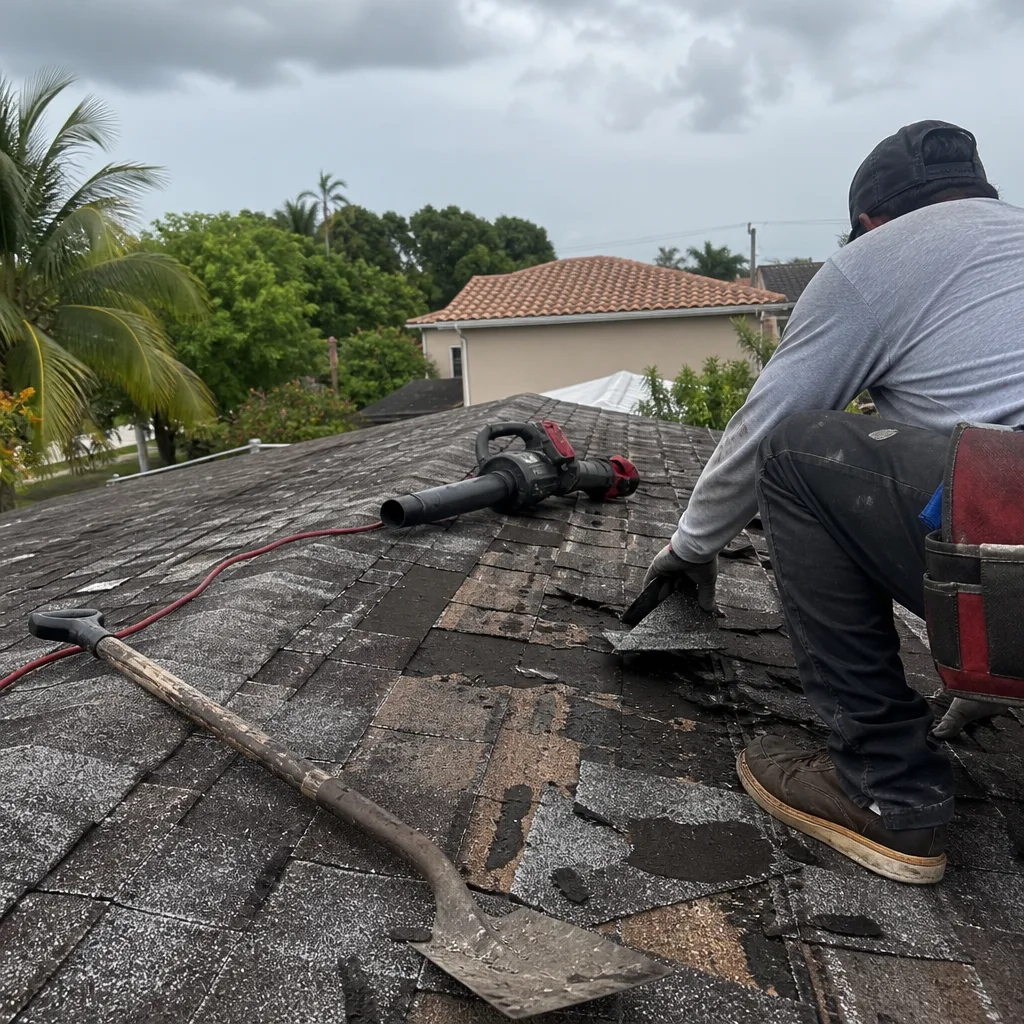 Before
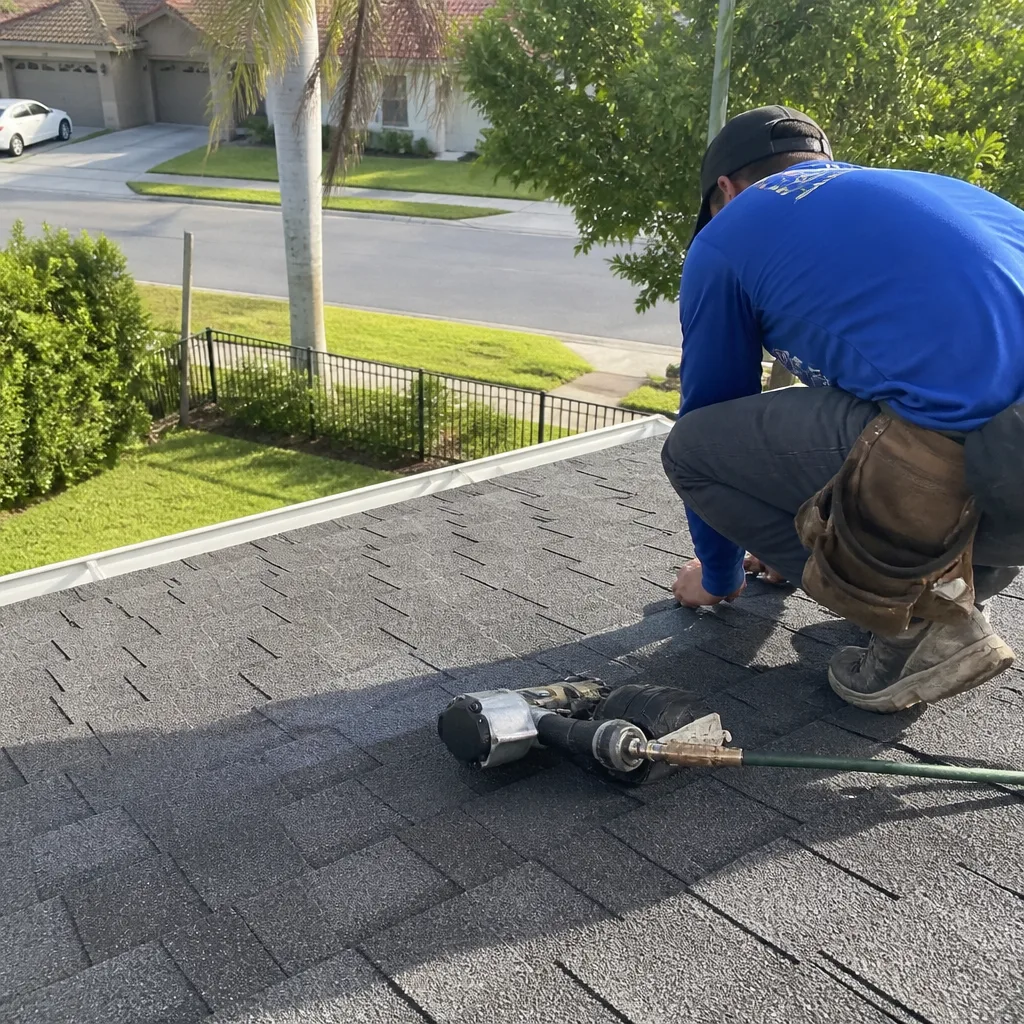 After
After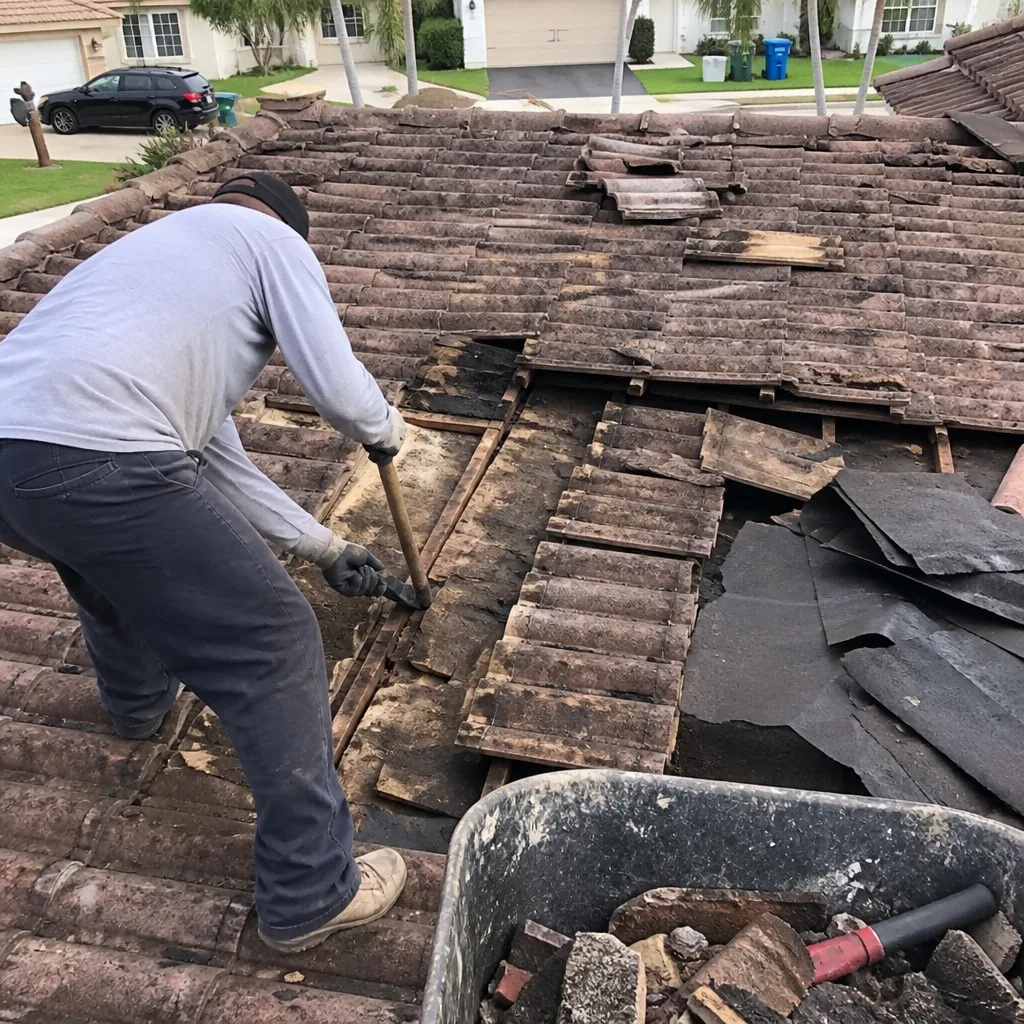 Before
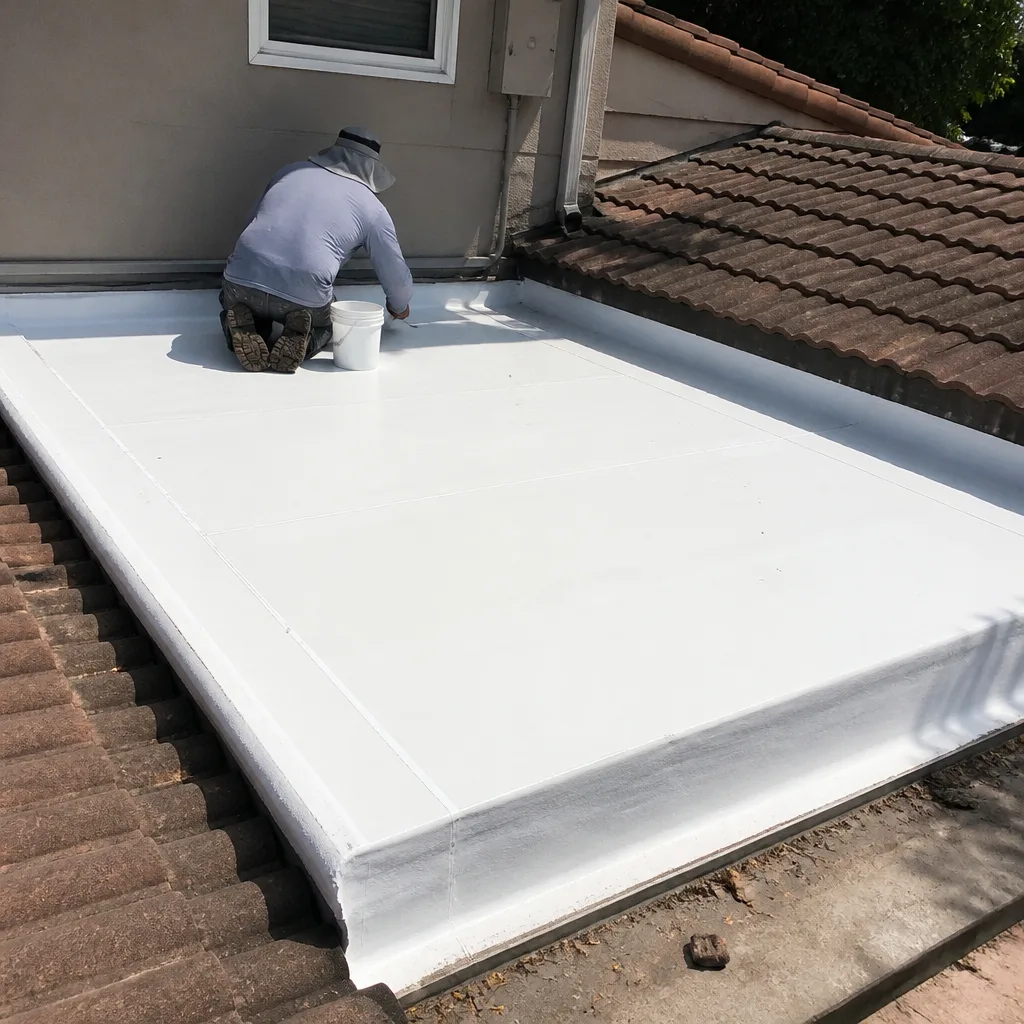 After
After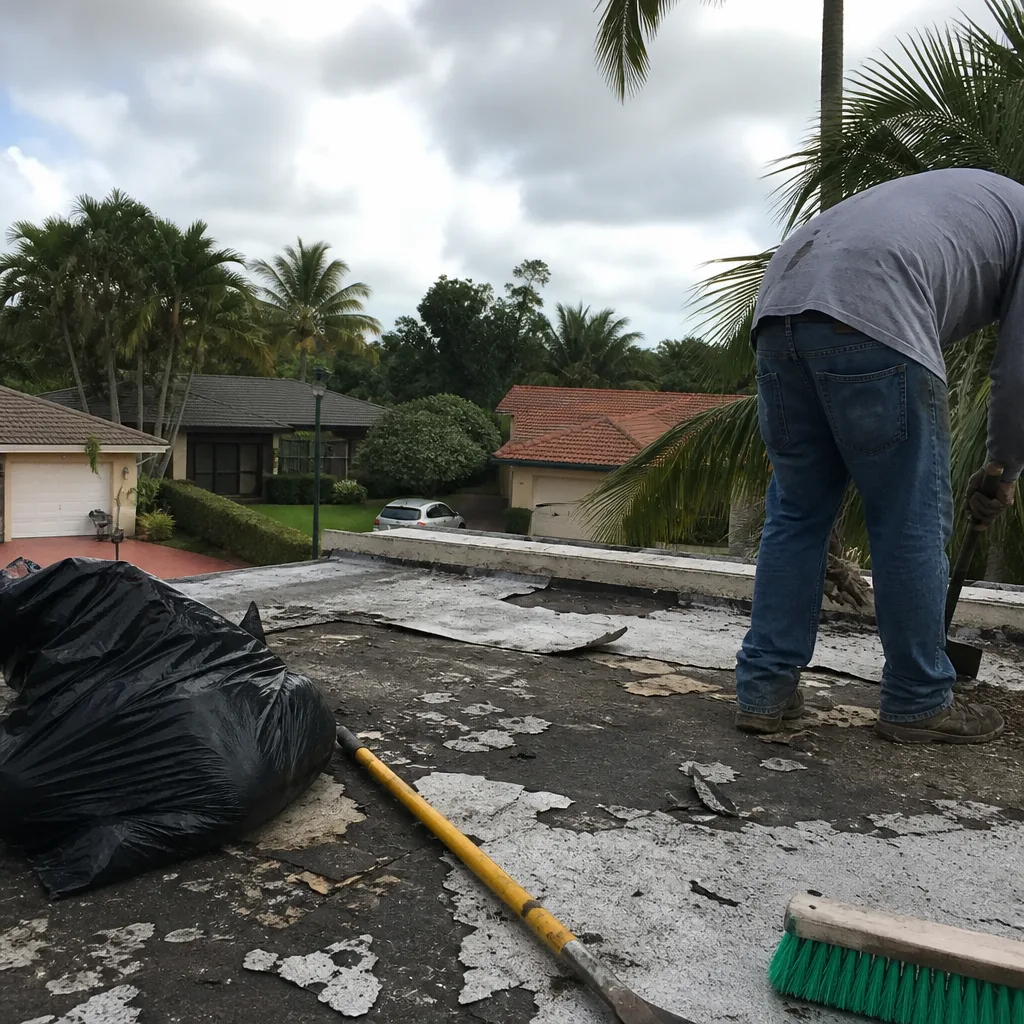 Before
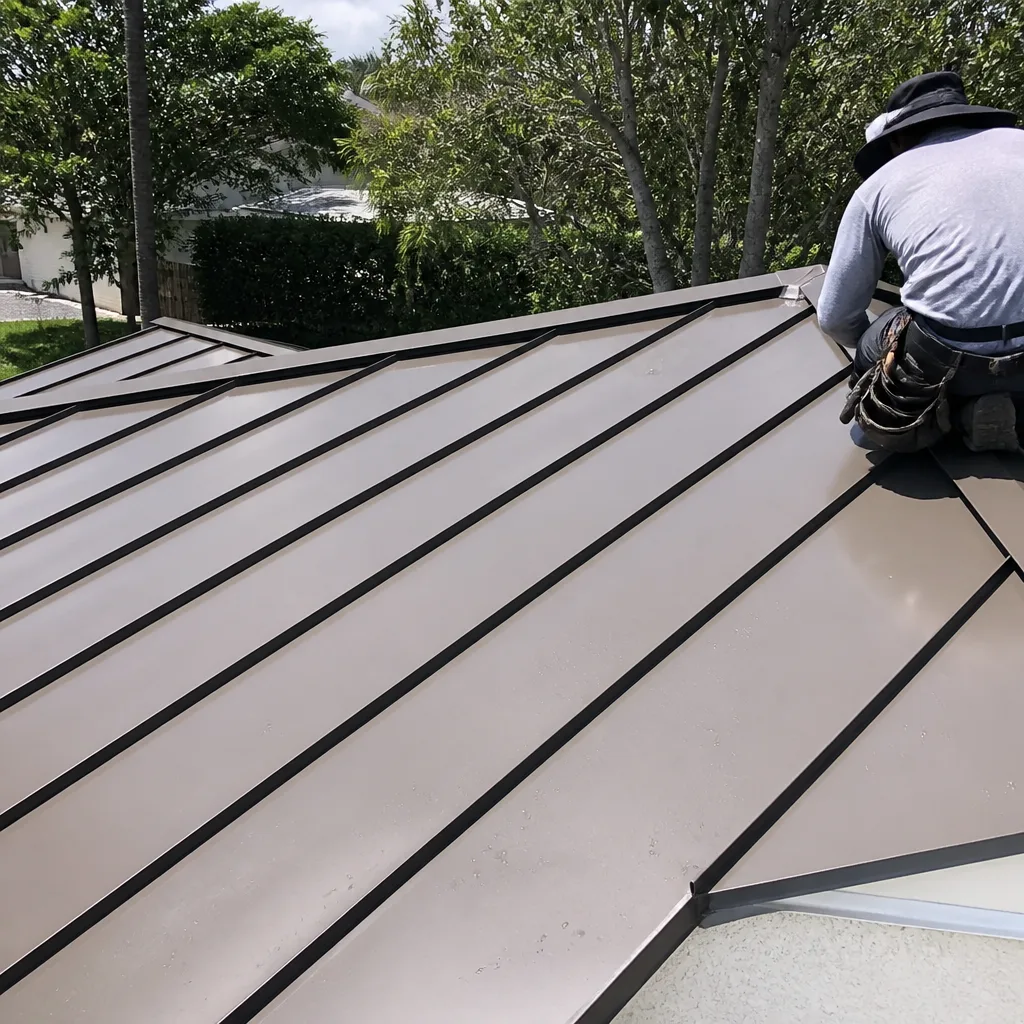 After
After