
Last updated October 17, 2026
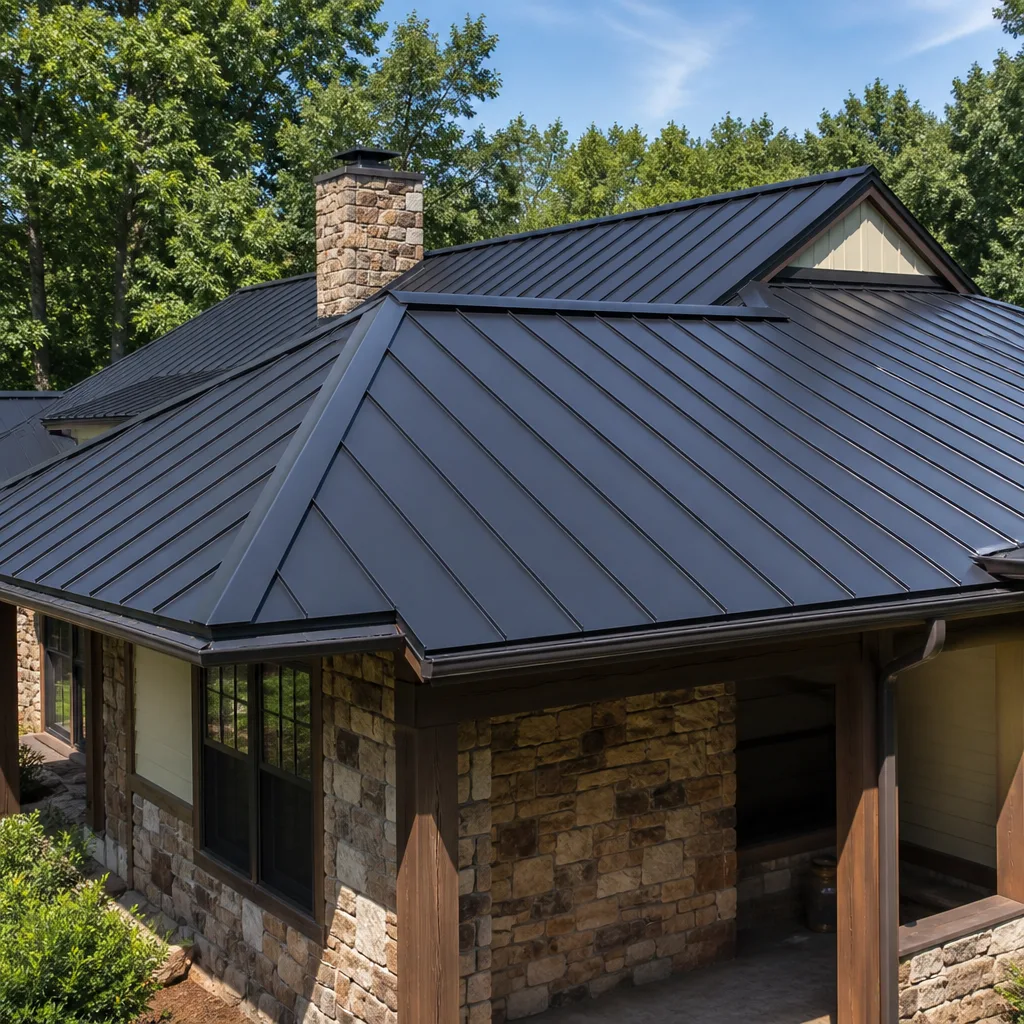 Metal roofing
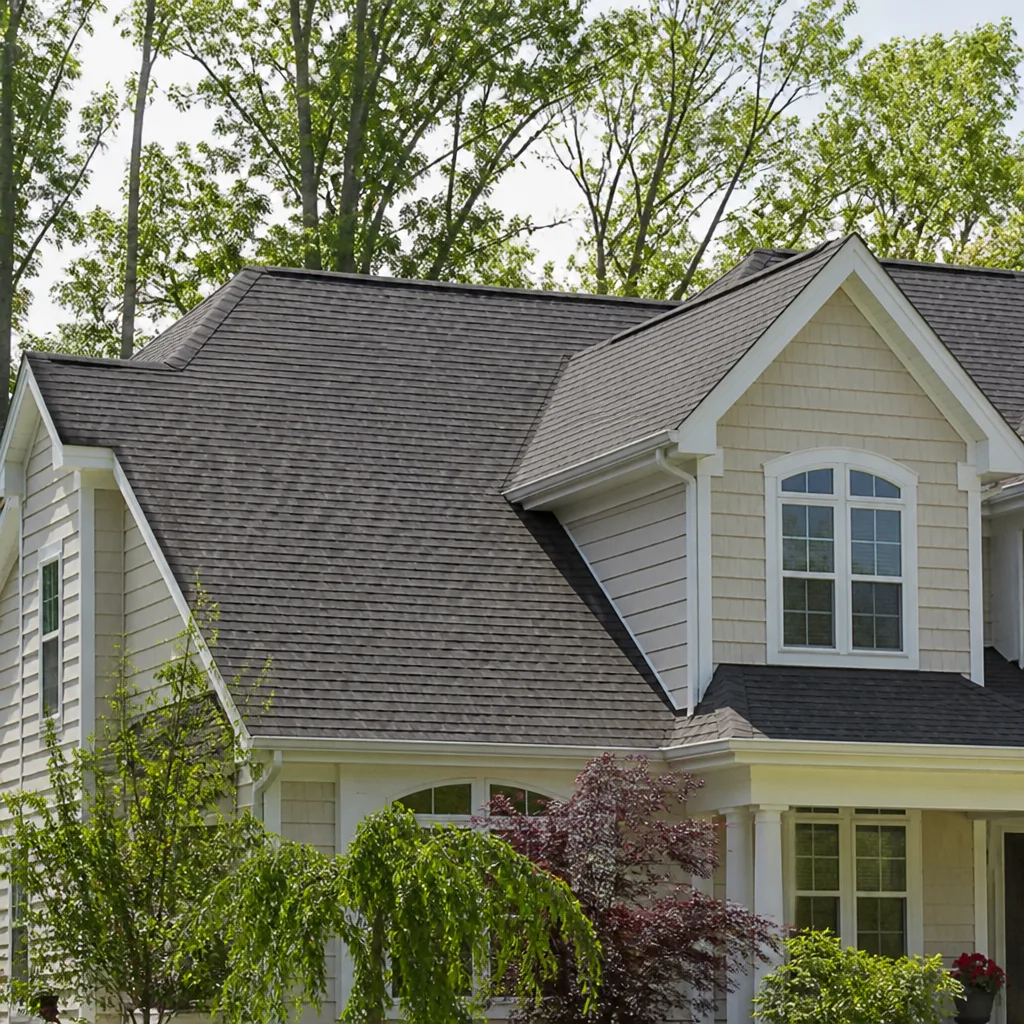 Architectural shingles
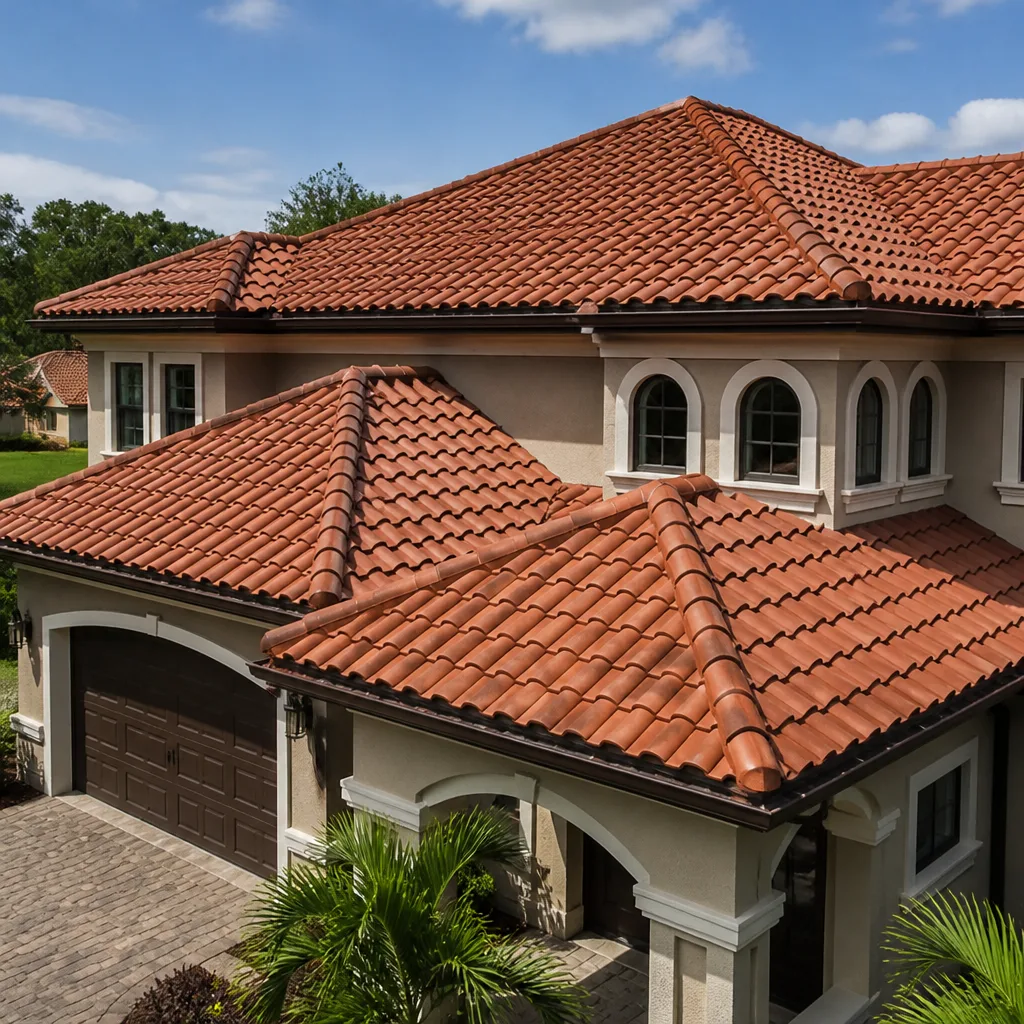 Tile roofing
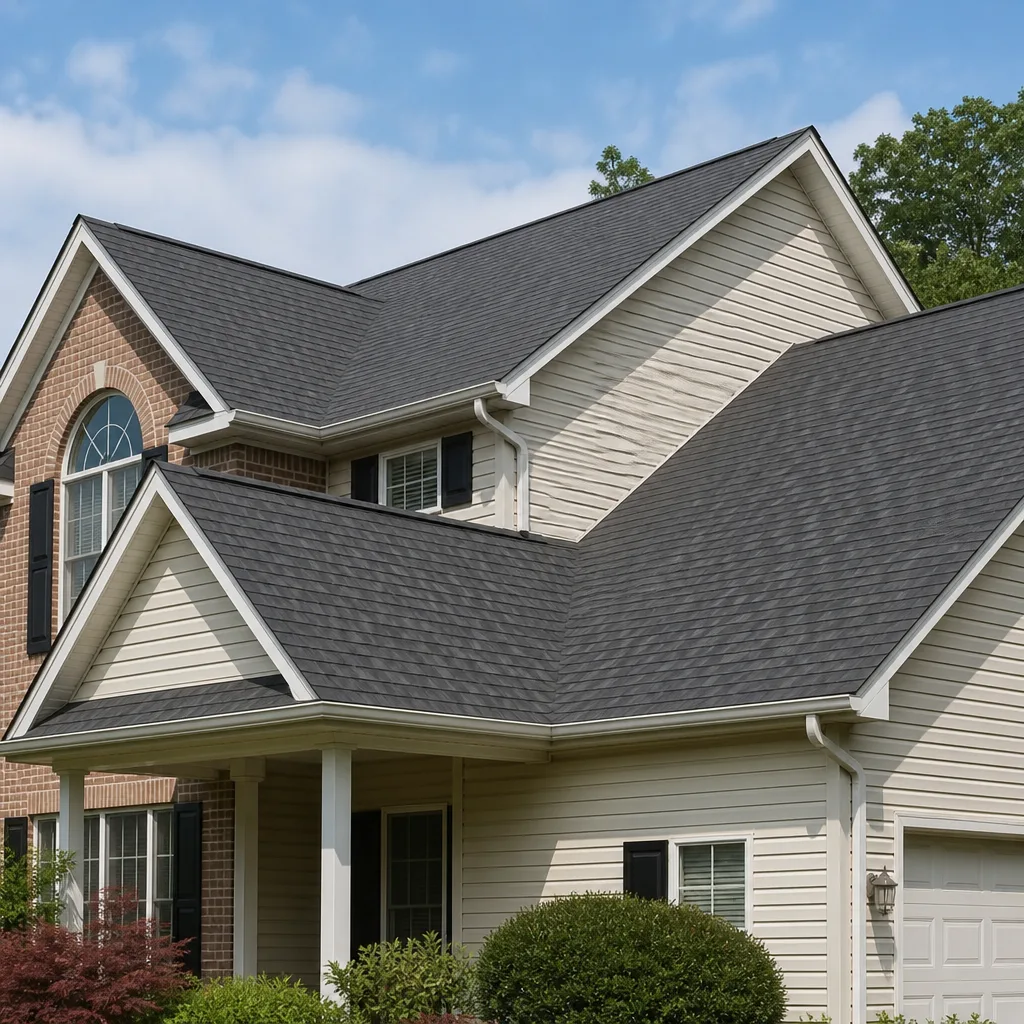 GAF
GAF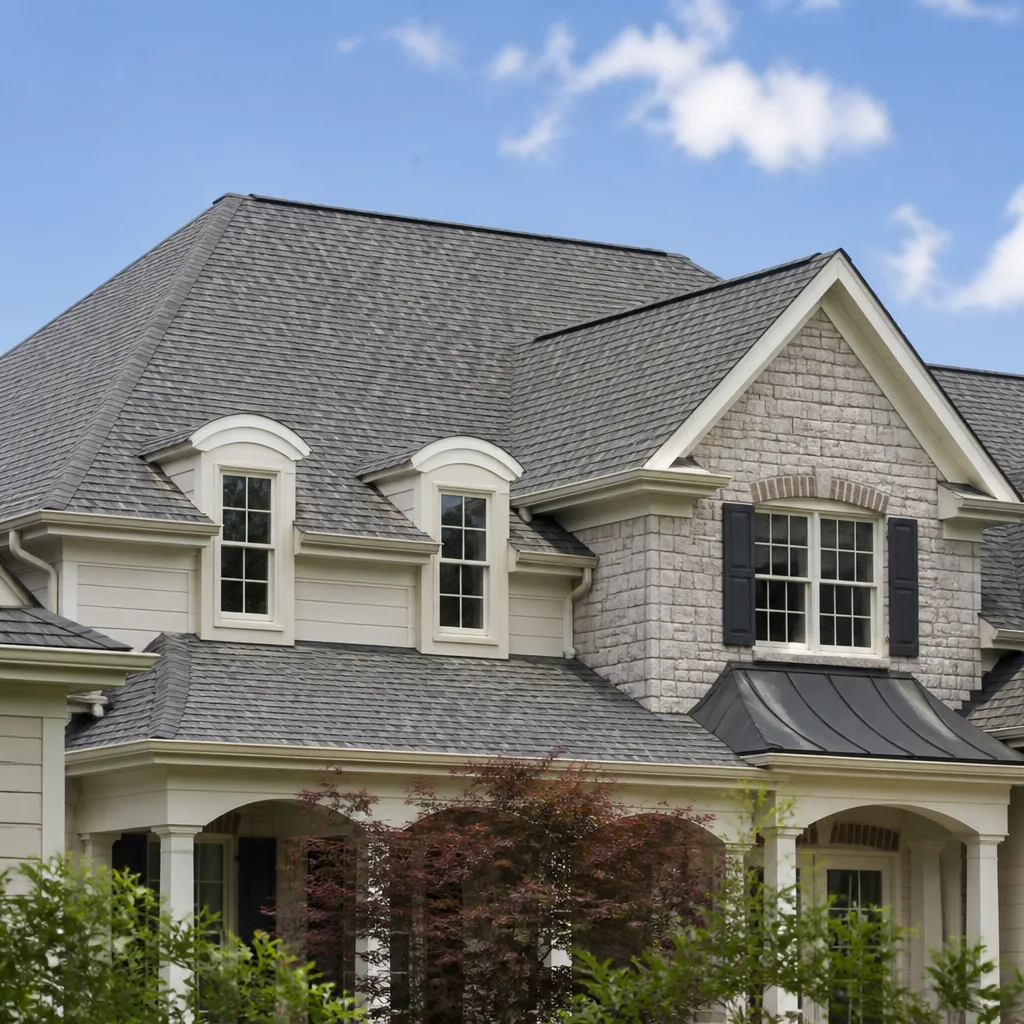 Owens Corning
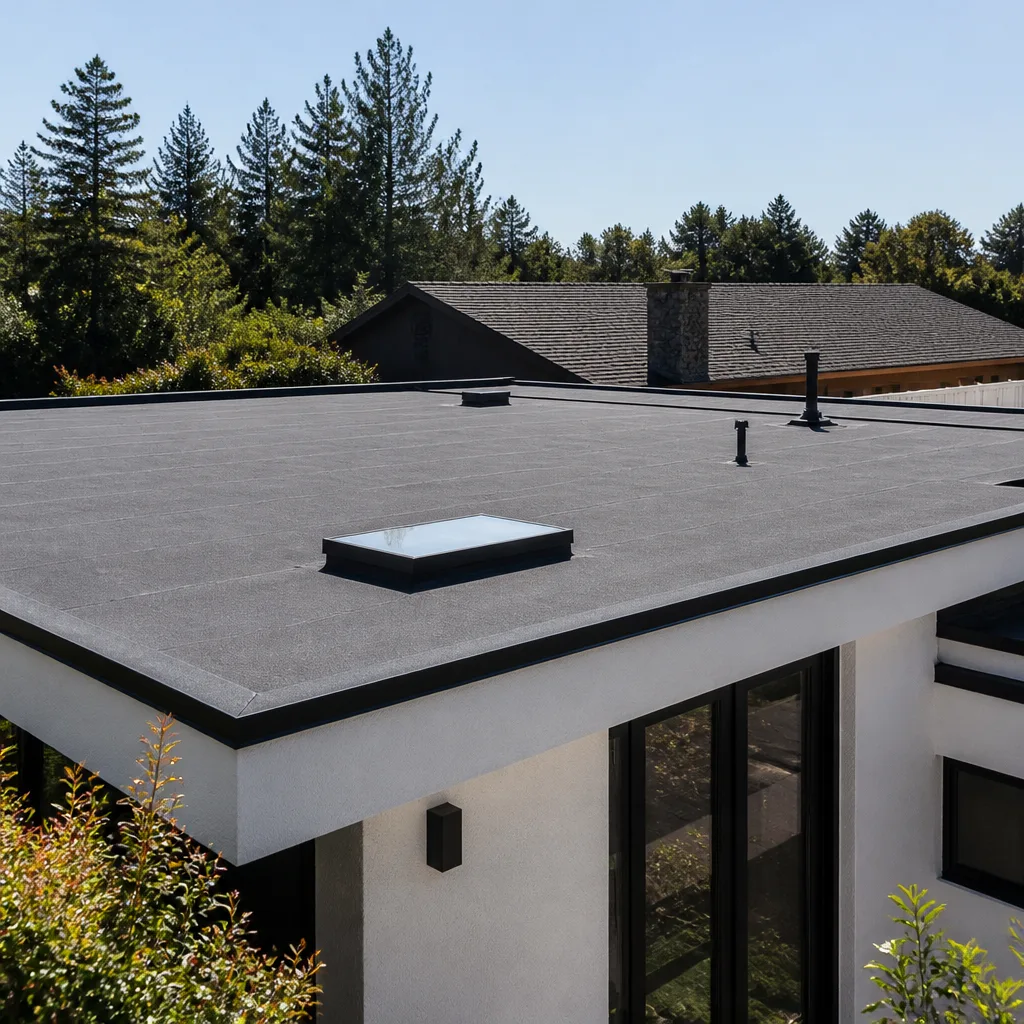 Flat & low-slope
Free roof inspection with deck photos before we talk money - GAF and Owens Corning certified installation
How to Hire a Roofing Contractor in Miami: A Step-by-Step Guide
After Hurricane Irma tore through Miami-Dade, unlicensed roofing contractors pulled an estimated 12% of all storm-repair jobs. The result: homeowners paid thousands for work that failed inspection, voided manufacturer warranties, and left them with zero legal recourse when the roof started leaking six months later. Hiring a roofing contractor in Miami isn’t like hiring a painter. The stakes are structural, the permitting is layered, and the scam rate is real. This guide walks you through the exact verification sequence we recommend at Tilehurst Roofing Miami, in the order that protects you most.
Styles & brands we work with
Quick Answer
To hire a roofing contractor in Miami, verify the Florida state license through the DBPR portal, confirm a separate Miami-Dade County local license, request up-to-date insurance certificates with a certificate holder endorsement naming you, demand an itemized written bid that specifies underlayment type, fastener pattern, drip edge gauge, and permit responsibility, then structure payment so no more than 10% changes hands before the permit is issued. Skip any of these steps and you’re gambling with the largest weather barrier your home has.
Table of Contents
- Step 1: Verify the License (State and County)
- Step 2: Request Insurance Certificates and Call the Carrier
- Step 3: Get One Fully Itemized Bid, Not Three Vague Ones
- Step 4: Read the Contract Like a Roof, Not a Brochure
- Step 5: Structure a Payment Schedule That Protects You
- Step 6: Choose Materials That Fit Your Miami Roof
- Step 7: Put the Warranty in Writing Before the Crew Leaves
- Common Mistakes to Avoid
- When to Call a Professional
- Frequently Asked Questions
- The Bottom Line
Step 1: Verify the License (State and County)
Florida gives every homeowner a free, public verification tool: the DBPR portal at myfloridalicense.com. You type in the contractor’s name or license number, and the database tells you whether the license is active, when it expires, and whether any complaints or disciplinary actions exist. This takes under two minutes. If a roofer in Miami hesitates when you ask for their license number, treat that pause as a hard stop and hang up the phone.
What most homeowners don’t know: Miami-Dade County has its own licensing layer on top of the state license. A contractor can be fully licensed by the state of Florida and still not be authorized to pull a permit in Miami-Dade. The county’s Contractor Licensing Section issues its own certification, and building departments in Coral Gables, Hialeah, Kendall, and Homestead will check for it. Here’s the sequence:
- Ask for the Florida license number (should start with CCC or RC for roofing contractors). Run it through the DBPR portal and confirm the name matches exactly. Confirm it’s active, not suspended or expired.
- Ask for the Miami-Dade local license and verify it through the county’s online permitting system. A roofer who says “state license is all you need” either doesn’t work Miami-Dade often or hasn’t been approved to.
- Cross-check the license holder against the person signing the contract. If a salesperson signs on behalf of a company, verify the company name on the license matches the company name on the contract, not just a similar-sounding DBA.
In our experience at Roofing Company in Miami, the contractors most likely to undercut a legitimate bid are also the ones most likely to be working under someone else’s license, which is a misdemeanor in Florida. Unlicensed work voids manufacturer warranties and, in many cases, your own homeowner’s insurance coverage for roof-related claims.
Step 2: Request Insurance Certificates and Call the Carrier
Every legitimate Miami roofing contractor carries two types of insurance: general liability and workers’ compensation. And both should be verifiable by you, the homeowner, before a single shingle comes off your roof. Asking for a “certificate of insurance” is standard. Accepting that certificate at face value is where homeowners get hurt.
Here’s what to request and what it means:
- General liability insurance with a minimum of $1 million in coverage. This protects your home if the contractor’s team damages your property. Request that you be named as a “certificate holder” so you receive a copy directly from the insurer.
- Workers’ compensation insurance with a current certificate holder endorsement. Florida law requires roofing contractors with employees to carry workers’ comp. If a worker falls off your roof and the contractor doesn’t carry it, your homeowner’s policy could be on the hook, and in Florida, that’s a fast track to nonrenewal.
- Call the carrier directly. The phone number is on the certificate. Call, provide the policy number, and ask if coverage is active as of today’s date. Certificates are routinely forged or altered by uninsured operators. A 90-second phone call is the only way to confirm the policy hasn’t lapsed.
We’ve had homeowners in Palmetto Bay and Pinecrest tell us they never thought to call the insurer because the certificate “looked official.” It takes two minutes. Do it while the contractor is still in the room, and watch their posture. Legitimate companies won’t flinch.
Step 3: Get One Fully Itemized Bid, Not Three Vague Ones
The common advice is “get three bids.” We’ll tell you why that’s less useful than most homeowners think. Three vague bids from three different companies tell you nothing except who’s willing to write the lowest number on a cocktail napkin. One fully itemized bid tells you exactly what you’re paying for, and it gives you a document you can hold a contractor to when the work doesn’t match the paper.
A serious itemized bid for a Miami roof project should include:
- Underlayment type and brand: Peel-and-stick versus synthetic felt, and the exact product name, not just “high-quality underlayment.” Miami’s high-velocity hurricane zone requires specific underlayment ratings, and this line item matters for code compliance.
- Fastener pattern: How many nails per shingle, what length, and what gauge. Miami-Dade wind-load requirements mandate a specific nailing schedule. If the bid doesn’t mention fasteners, the contractor is skipping the most important detail of the whole roof.
- Drip edge gauge and material: Thin 28-gauge aluminum is common. Thicker 24-gauge aluminum or galvanized steel costs a few hundred dollars more but resists Miami’s salt air for decades longer.
- Flashing scope: Which penetrations get new flashing, which existing flashing stays, and what material is specified. Flashing failures are the most common leak source on Miami roofs, and “reuse existing” is a phrase that deserves a second look.
- Permit responsibility: Who pulls the permit, whose name is on it, and who pays the fees. This single line item separates licensed contractors from everyone else.
- Escalation clauses: Language that allows the price to increase if material costs rise between signing and installation. In Miami’s current market, this is a blank check written in the contractor’s favor. Legitimate contractors lock the price at signing.
- “Allowance” line items: Allowances are placeholders, not prices. An “underlayment allowance” or “decking allowance” means the actual cost will be determined after tearoff, which nullifies the point of a written bid.
- No lien waiver commitment: A lien waiver releases you from the risk that a subcontractor or supplier places a mechanic’s lien on your home if the contractor doesn’t pay them. You want a contract that commits to providing lien waivers from every sub and supplier before you release final payment.
- Warranties that reference a manufacturer but exclude labor: A “50-year shingle warranty” covers the shingle material only. If the installation was defective, that warranty pays you nothing. Your contract should state who covers labor and for how long.
- Vague scope language: “Install new roof per local code” is a phrase that means whatever the contractor wants it to mean. The contract should reference the specific Miami-Dade building code section and the specific product installation instructions.
- Deposit: 10% or less, paid only after the permit is issued or at the time of permit application. Releasing more than 10% before a permit is issued is unnecessary. The permit proves the work is authorized and the plans passed review. If a contractor can’t wait for a permit to accept your money, they’re financing their previous job with your deposit.
- Progress payment: 40 – 50% at material delivery or tearoff completion. You should be able to walk outside and see the materials on your lawn or the old roof in the dumpster before releasing this payment.
- Final payment: Remaining balance only after final inspection passes and lien waivers are in hand. Do not release final payment on a verbal “we’re done.” You want the passed inspection document from Miami-Dade County and a signed lien waiver from every sub and supplier.
- A written guarantee on every repair, delivered before the crew leaves. Not mailed later. Not emailed. Handed to you, signed, dated, with a named contact and phone number.
- A free second visit if the repair fails inside the guarantee period. If we fixed a leak and the leak returns, we return at no charge. No argument. No “that’s a different leak” conversation. The guarantee covers it.
- The 365-Day Done Right Promise: a full year of documented accountability on every job. If it’s not done right, we make it right. That’s the floor, not the premium option.
- Hiring based on the lowest bid without comparing scope. A Miami roofer quoting $8,000 for a tearoff and replacement is either using the cheapest possible materials, skipping the permit, or planning to find “unforeseen conditions” once the old roof is off. Low bids in this market are a warning, not a bargain.
- Skipping the DBPR license check. Two minutes on the Florida DBPR portal would have caught the unlicensed operators who took 12% of Miami-Dade storm-repair work after Irma. Two minutes. Do it before you sign anything.
- Releasing a large deposit before the permit is issued. Once the contractor has your money, you’ve lost every piece of leverage you had. Keep the deposit at 10% or less and tie it to the permit.
- Ignoring the Miami-Dade local license requirement. A state license is necessary but not sufficient. Contractors who work Miami regularly will have both. Contractors who bounce between counties will tell you only one matters.
- Failing to call the insurance carrier to verify coverage. A certificate of insurance is a piece of paper. Confirming with the carrier that the policy is active is a verification. Do the verification.
- Accepting a verbal warranty. If it’s not in writing, it didn’t happen. Get the guarantee document in your hand before the crew packs up.
- Signing a contract with an escalation clause. Miami material prices move. That’s exactly why a fixed price at signing protects you. A contractor who won’t lock the price is asking you to absorb their supply-chain risk. Decline.
Our approach at Tilehurst Roofing Miami follows Tilehurst Roofing Miami home standards: written price before any work starts, every time. No allowances, no “we’ll see when we get up there,” no escalation clauses. If the roof decking is rotten when we tear off the old shingles, that conversation happens before you owe a dollar more, and you sign for it in writing.
Step 4: Read the Contract Like a Roof, Not a Brochure
Roofing contracts in Miami hide more risk in the fine print than any other residential trade. A contractor’s sales pitch can be polished while the contract quietly shifts every risk onto you. Here are the red flags we tell every homeowner to look for before signing:
Read the contract before the crew shows up. Read it again before you sign. If the contractor won’t leave the contract with you overnight to review, that’s your answer. A legitimate Miami roofing company wants you to read it. We hand you a written guarantee on every Roof Repair in Miami before the crew leaves, because we want you holding paper that names what we did, what it cost, and what happens if it fails.
Step 5: Structure a Payment Schedule That Protects You
The payment schedule is where homeowners give away negotiating power without realizing it. A contractor who asks for 50% upfront hasn’t earned 50% of your trust, and they haven’t done 50% of the work. Here’s the schedule that a legitimate roofing company in Miami will accept without argument:
If a contractor walks away from this schedule, let them walk. We follow this structure on full Roof Replacement in Miami projects because it’s the only schedule that aligns everyone’s incentives. You’re protected. We’re paid for completed work. Nobody has to threaten a lien.
Step 6: Choose Materials That Fit Your Miami Roof
Miami roofs live in one of the most punishing environments in the continental United States: salt air from the Atlantic, ultraviolet exposure that bakes surfaces to 140 degrees in August, and wind-load requirements that most of the country never has to consider. Your material choice isn’t a style question. It’s a survival question with a price tag attached-see our Roofing Cost Breakdown: The Miami Homeowner’s Reference for 2026 to plan ahead.
The honest price range for a full asphalt shingle roof replacement in Miami runs roughly $12,000 to $35,000 depending on the roof’s square footage, pitch, tearoff layers, and material grade. Architectural shingles from manufacturers like Owens Corning or IKO dominate the Miami market because they carry Class 4 impact ratings and high wind ratings that meet Miami-Dade product approval requirements. Tile from Atlas or Tamko runs higher, often $35,000 and up, and carries its own set of structural load requirements that an older Miami home may need reinforced decking to support.
At Tilehurst Roofing Miami, you’re not locked into one house brand. We carry material options from seven manufacturers: GAF, CertainTeed, Owens Corning, IKO, Atlas, Tamko, and Boral. The right product depends on your roof’s pitch, your neighborhood’s wind exposure, and your budget. A roof in Kendall with mature oak coverage has different needs than a roof in Coconut Grove three blocks from the bay. Your contractor should be able to explain that difference in plain English, not just hand you a sample board.
Step 7: Put the Warranty in Writing Before the Crew Leaves
The most common post-installation complaint we hear from Miami homeowners is some version of “the contractor promised a warranty but when I called about a leak, they said it wasn’t covered and I couldn’t find any paperwork.” A verbal warranty isn’t a warranty. A manufacturer’s brochure isn’t a warranty. Your warranty is the document that names the contractor, the work performed, the date, and what the contractor will do if the work fails.
Here’s what we put in writing on every Tilehurst Roofing Miami job, and what you should require from any contractor you hire:
Many Miami contractors write a warranty that covers materials but excludes labor after 30 days. Read the document. If labor isn’t covered for at least a year, ask why. A roof that’s installed wrong will fail within the first year if it’s going to fail at all. A company that won’t stand behind its labor for 365 days is telling you something about how confident they are in their own work.
Common Mistakes to Avoid
When to Call a Professional
Some roof work is genuinely dangerous, and no amount of YouTube confidence changes the physics of a 6/12 pitch on a two-story Miami home. Walk your roof only if you can do it from the ground with binoculars. If you see granule loss collecting in your gutters, a shingle line that’s no longer straight, daylight through the attic sheathing, or ceiling stains spreading after a South Florida rain, stop diagnosing and start making calls. These are the warning signs of structural or underlayment failure, and the repair requires removing shingles, inspecting decking, and re-sealing flashing at heights no homeowner should climb. Tilehurst Roofing Miami offers free estimates in Miami. Call (850) 613-1762 and a live person answers, any hour, any day.
Frequently Asked Questions
A full asphalt shingle roof replacement in Miami typically runs $12,000 to $35,000 depending on square footage, roof pitch, tearoff layers, and material grade. Tile roofs start around $35,000 and go up from there. The single biggest variable is the material: architectural shingles from manufacturers like Owens Corning or IKO are the most common choice in Miami because they meet hurricane wind ratings without the structural reinforcement tile demands. Call (850) 613-1762 for an exact quote in writing. Estimates are free.
Yes, Miami-Dade County requires a permit for any roof replacement and most repairs beyond minor shingle replacement. The permit must be pulled by a licensed contractor, not by the homeowner, for any work involving structural changes or full re-roofing. Permit fees vary by project valuation, and the passed final inspection is your proof the work meets current code. Your contractor’s contract should state who pulls the permit and who pays the fee.
Go to myfloridalicense.com, the Florida DBPR portal, and search the contractor’s name or license number. The database shows license status, expiration date, and any complaints or disciplinary actions on file. Then separately verify the contractor holds a Miami-Dade County local license through the county’s permitting system, because Miami-Dade requires a local certification in addition to the state license. The whole process takes under five minutes.
A legitimate Miami roofing contractor carries general liability insurance with at least $1 million in coverage and workers’ compensation insurance covering every employee. Both policies should be active and verifiable, with you named as a certificate holder so you receive documentation directly from the insurer. Call the carrier’s phone number on the certificate and confirm the policy is active before work begins. Forged certificates are common enough in Miami that the verification call is worth every second.
Pay no more than 10% upfront, and release that only when the permit is issued or at the time of the permit application. A legitimate Miami roofing contractor carries the early costs of materials through their own operating capital or supplier credit lines. Contractors who demand 30% or 50% before tearoff are typically using your money to pay for the last job. The remainder of the payment should be structured at material delivery and after final inspection passes.
A legitimate Miami roofing warranty covers both materials and labor, in writing, for at least one year, with a named contractor, a specific date, and a defined process if the work fails. Our Roofing Company Maintenance Checklist for Miami Homeowners can help you protect that investment. Manufacturer warranties cover the shingle product only and specifically exclude installation defects. At Tilehurst Roofing Miami, every repair comes with a written guarantee delivered before the crew leaves, and if the repair fails inside the guarantee period, we return at no charge under the 365-Day Done Right Promise. Call (850) 613-1762 for a free estimate and a written price before any work starts.
The Bottom Line
Hiring a Miami roofing contractor comes down to a sequence: verify the state license, verify the county license, confirm insurance with the carrier, demand an itemized bid, read the contract for escalation clauses and allowances, structure payment around the permit and the inspection, and get the warranty in writing before the crew leaves. Skip any step and you’re handing money to someone who hasn’t proven they’ll be here when the first South Florida storm tests the work. For more guides & resources, visit our blog. The good contractors in Miami already do all of this without being asked. That’s the test. If they resist verification, the verification already told you what you needed to know.
Written by Greg Holloway, Owner at Tilehurst Roofing Miami, serving Miami since 2000.
See the difference
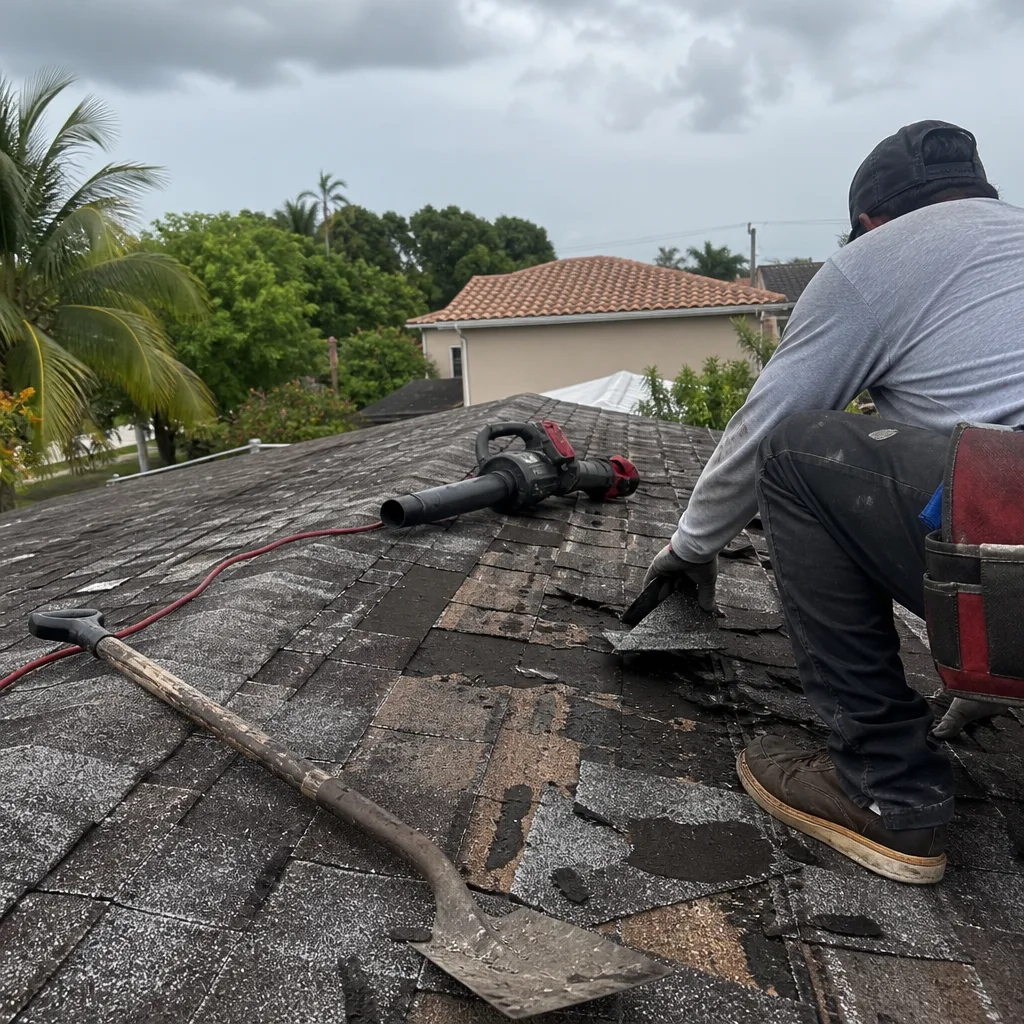 Before
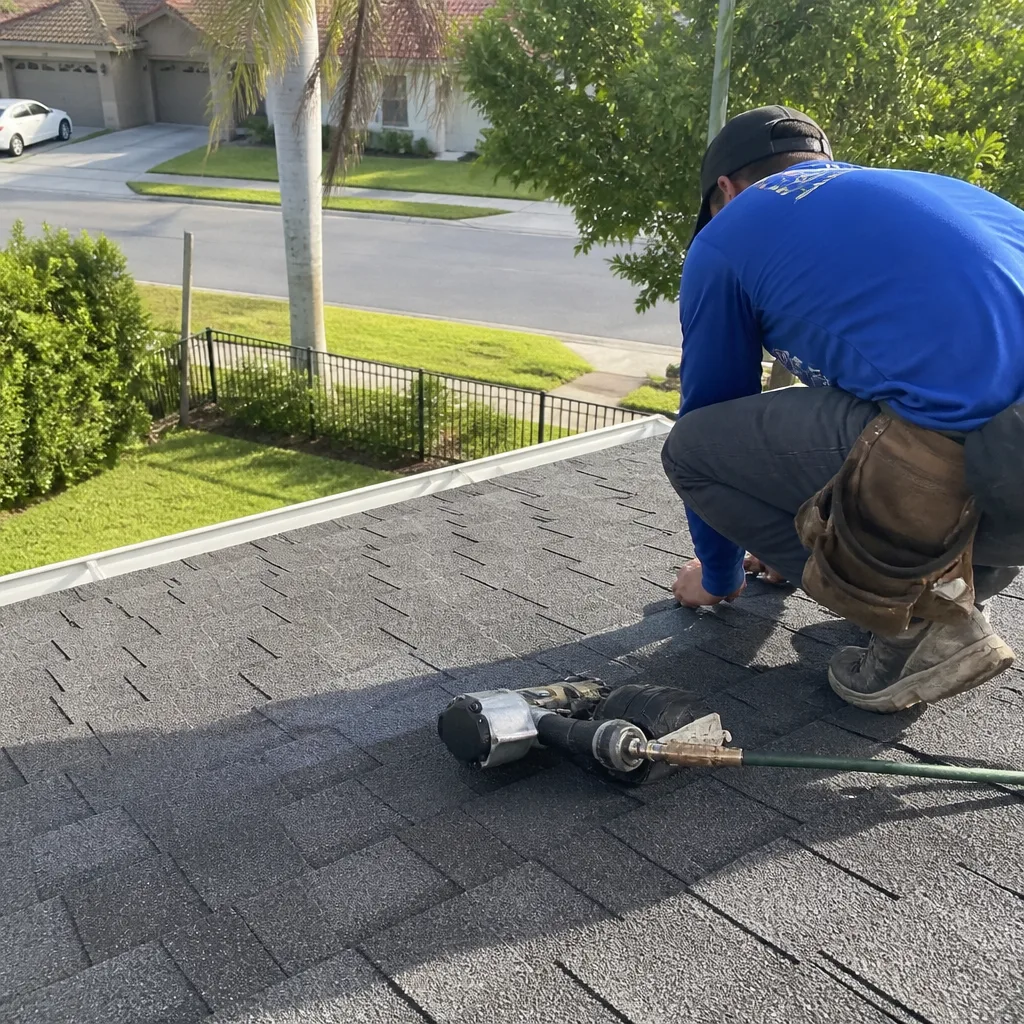 After
After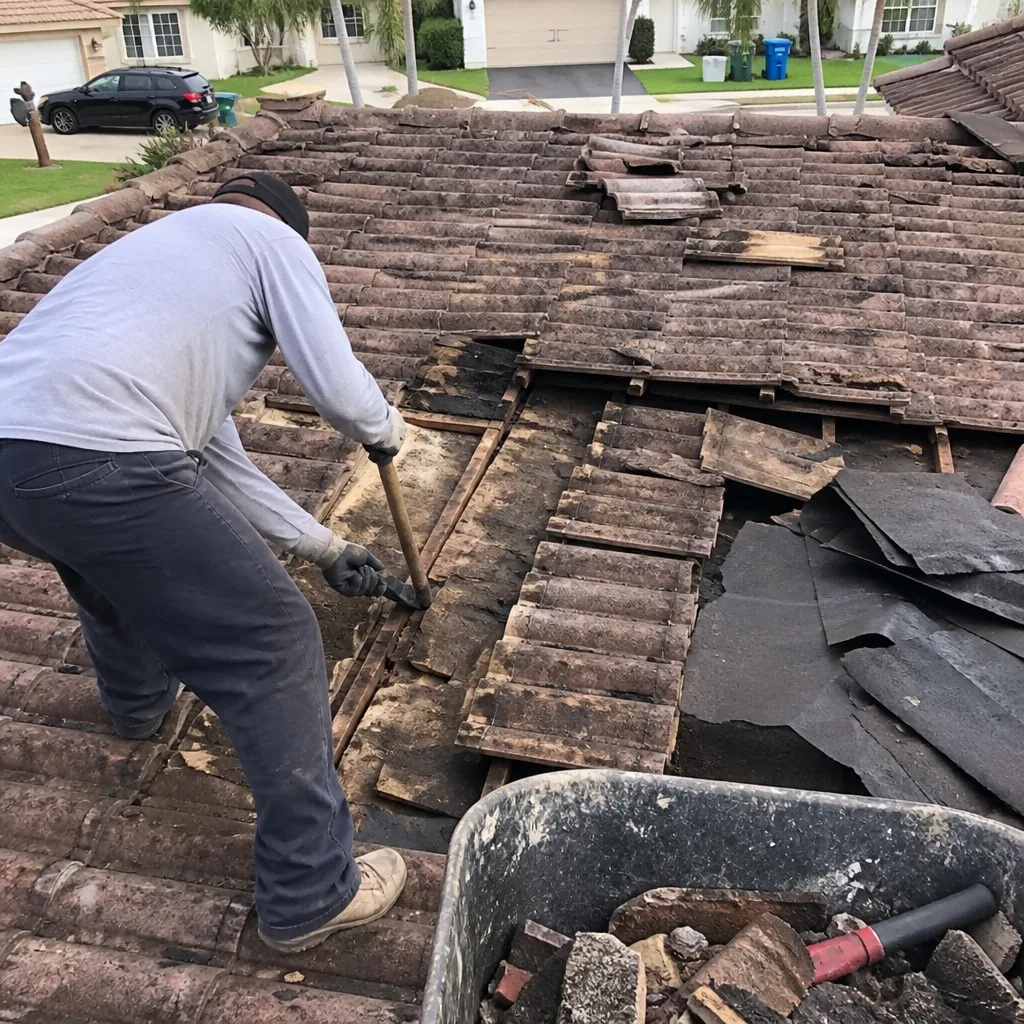 Before
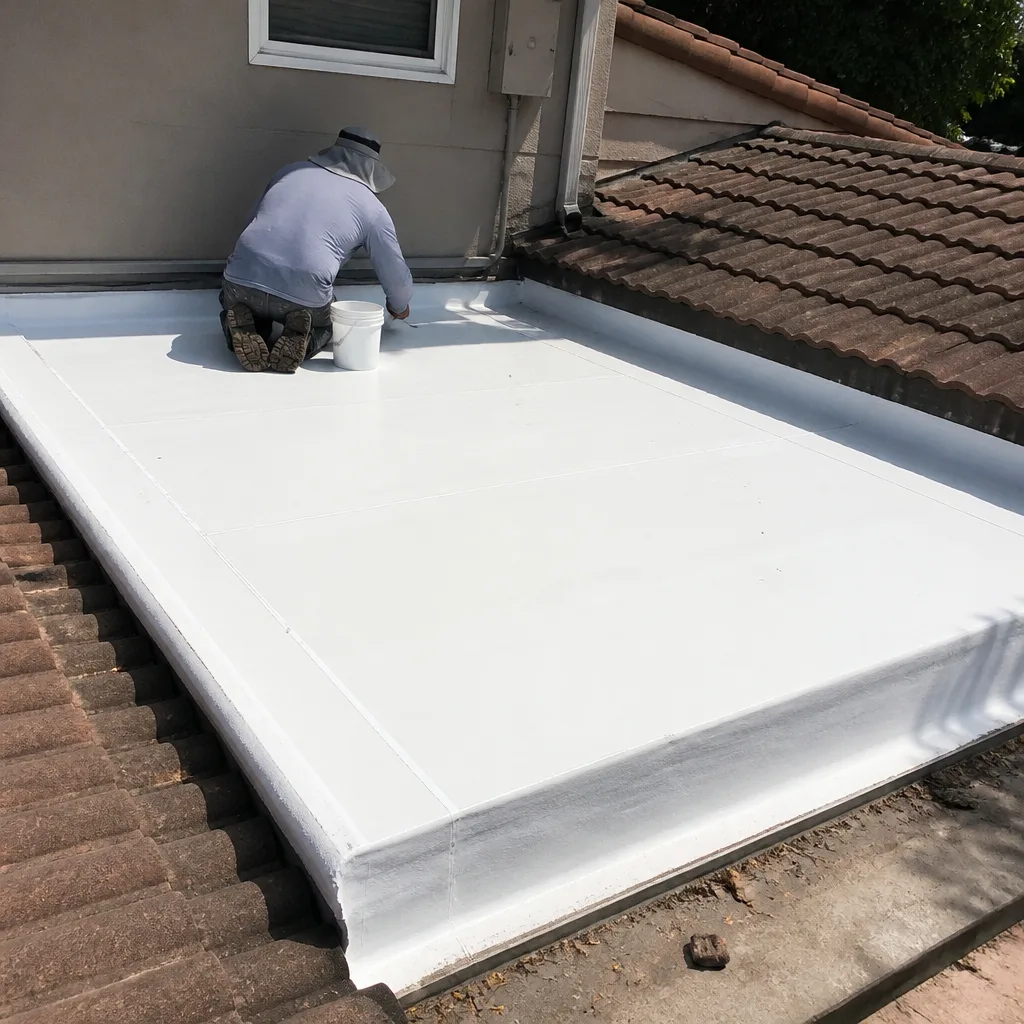 After
After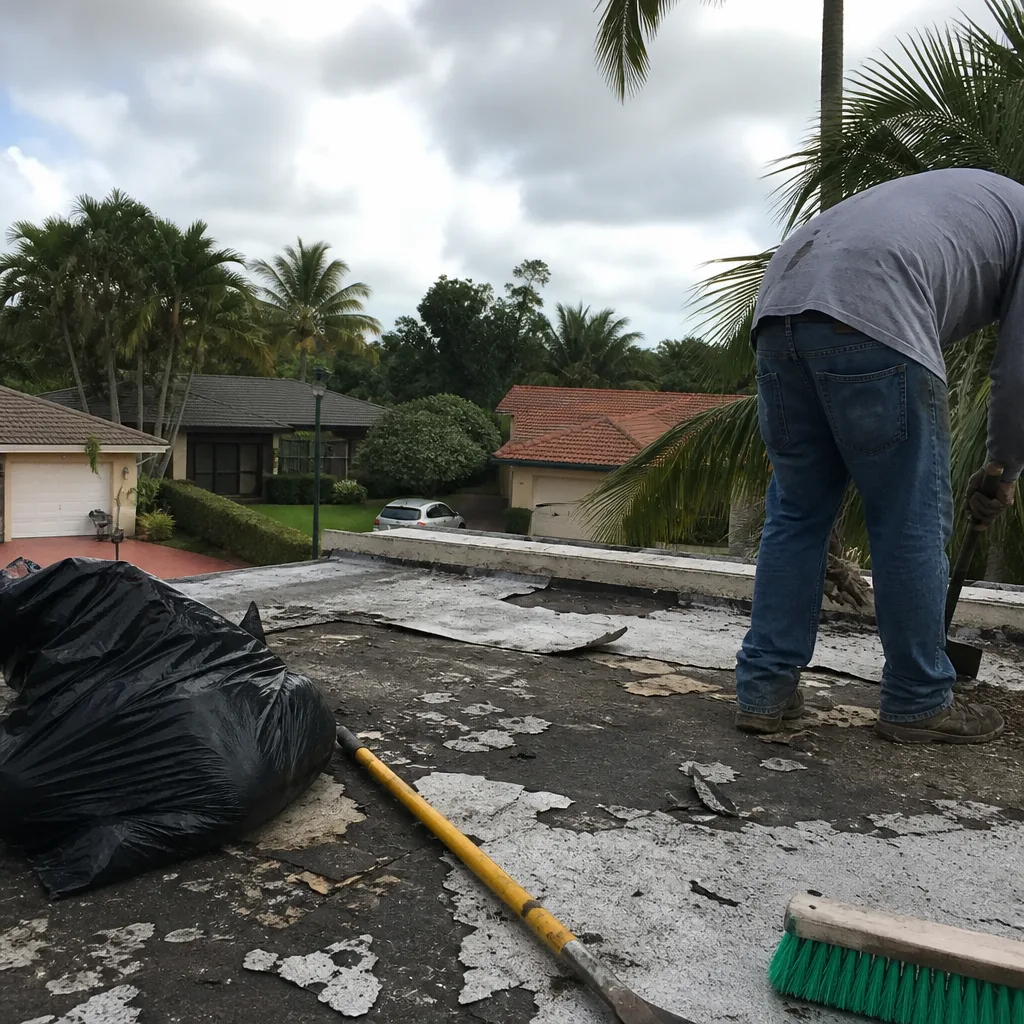 Before
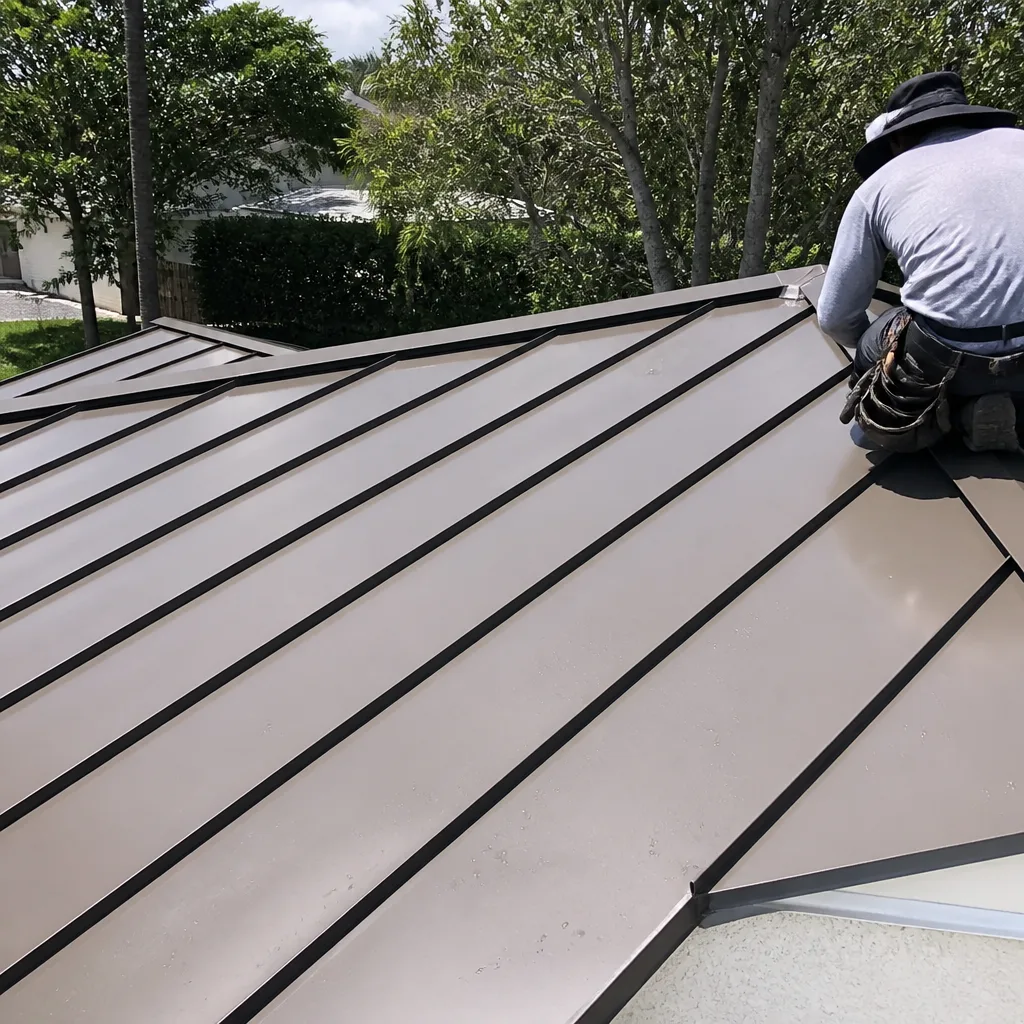 After
After