
Last updated October 17, 2026
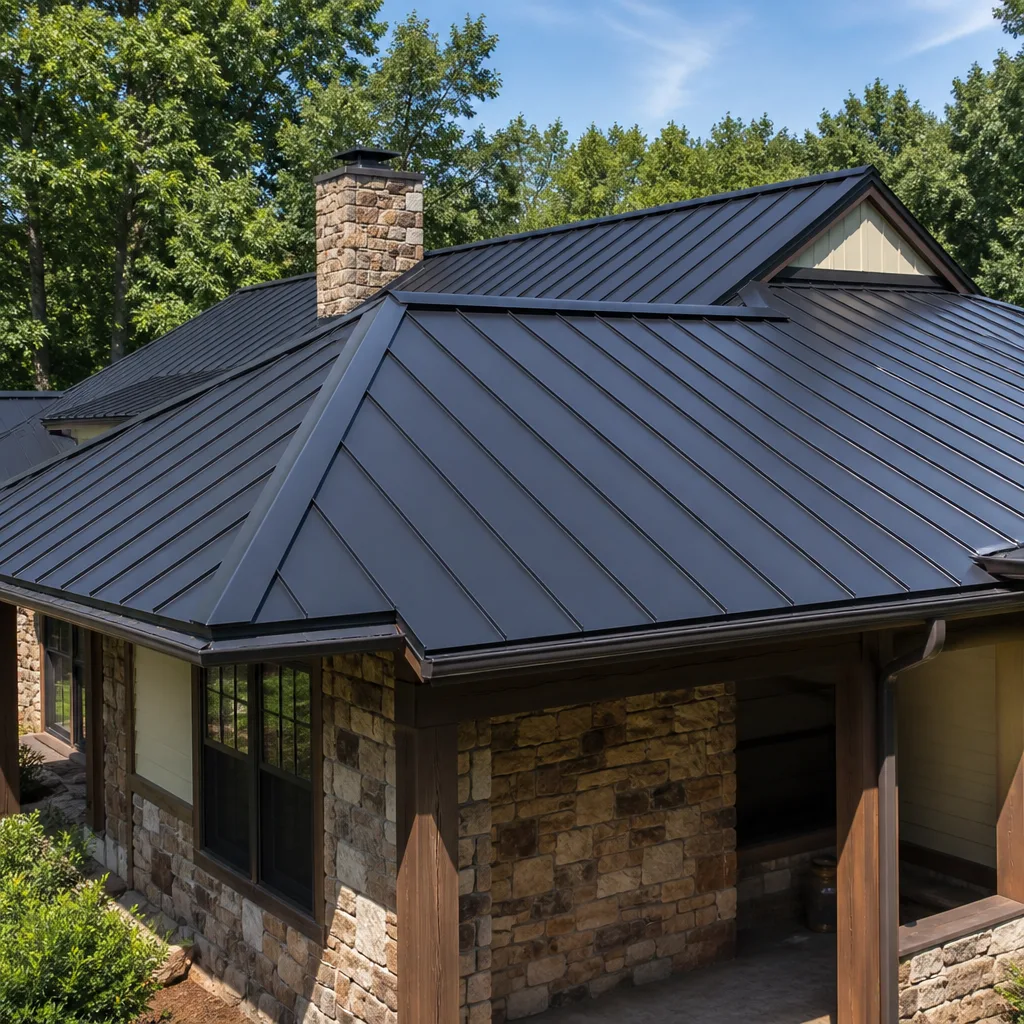 Metal roofing
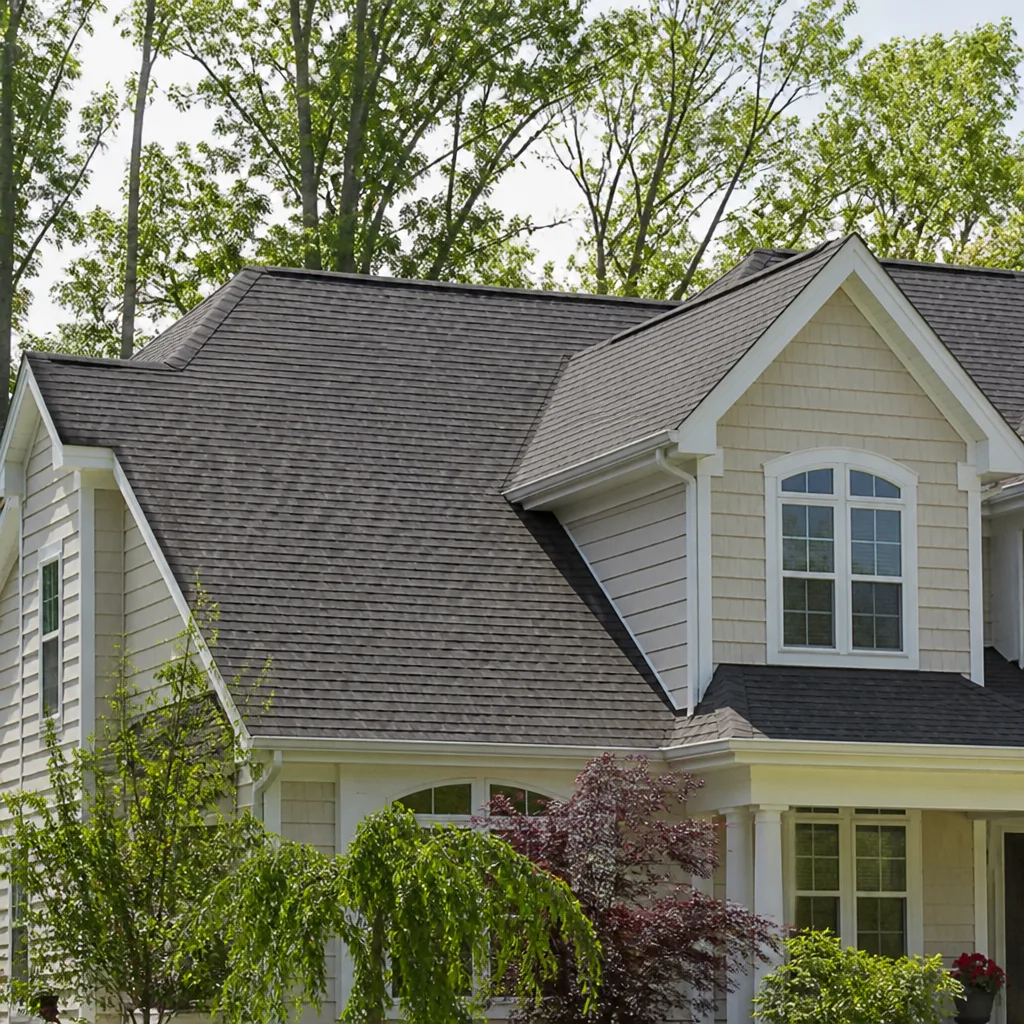 Architectural shingles
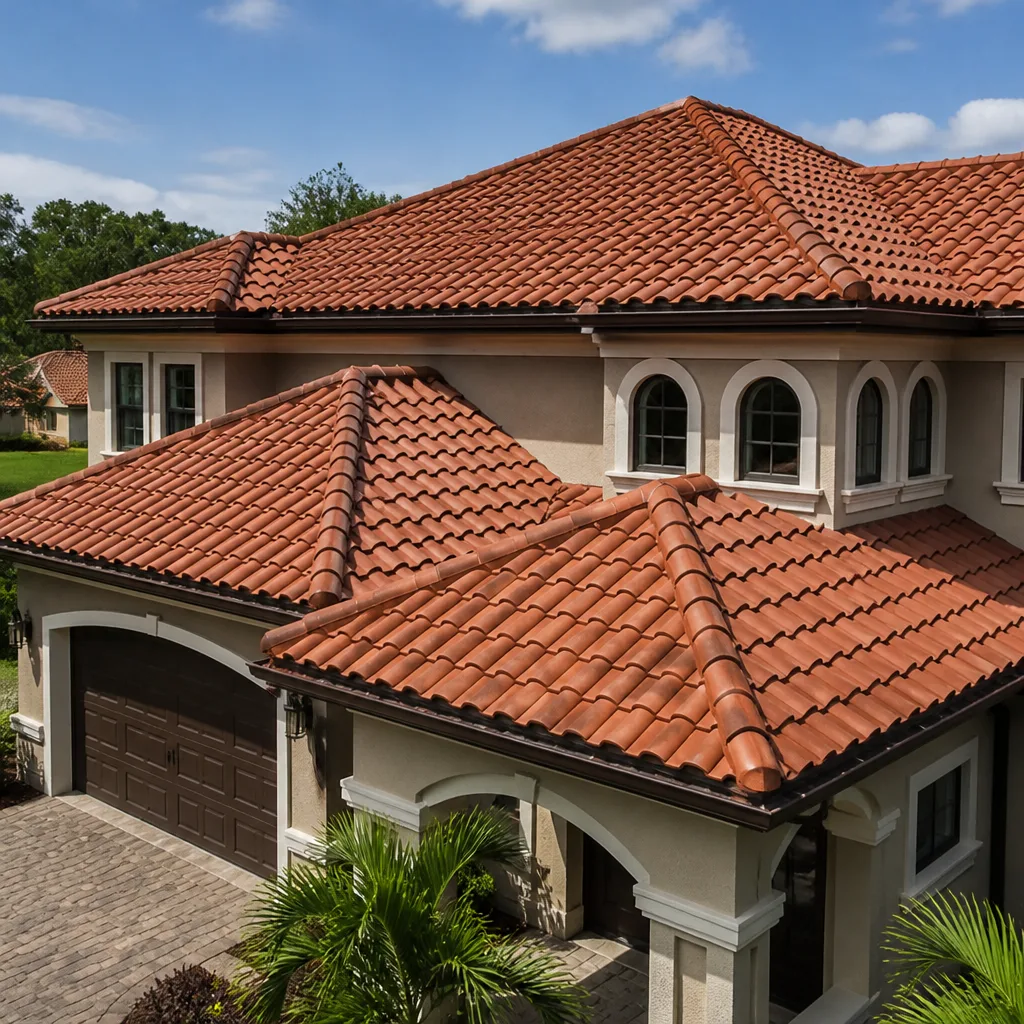 Tile roofing
 GAF
GAF Owens Corning
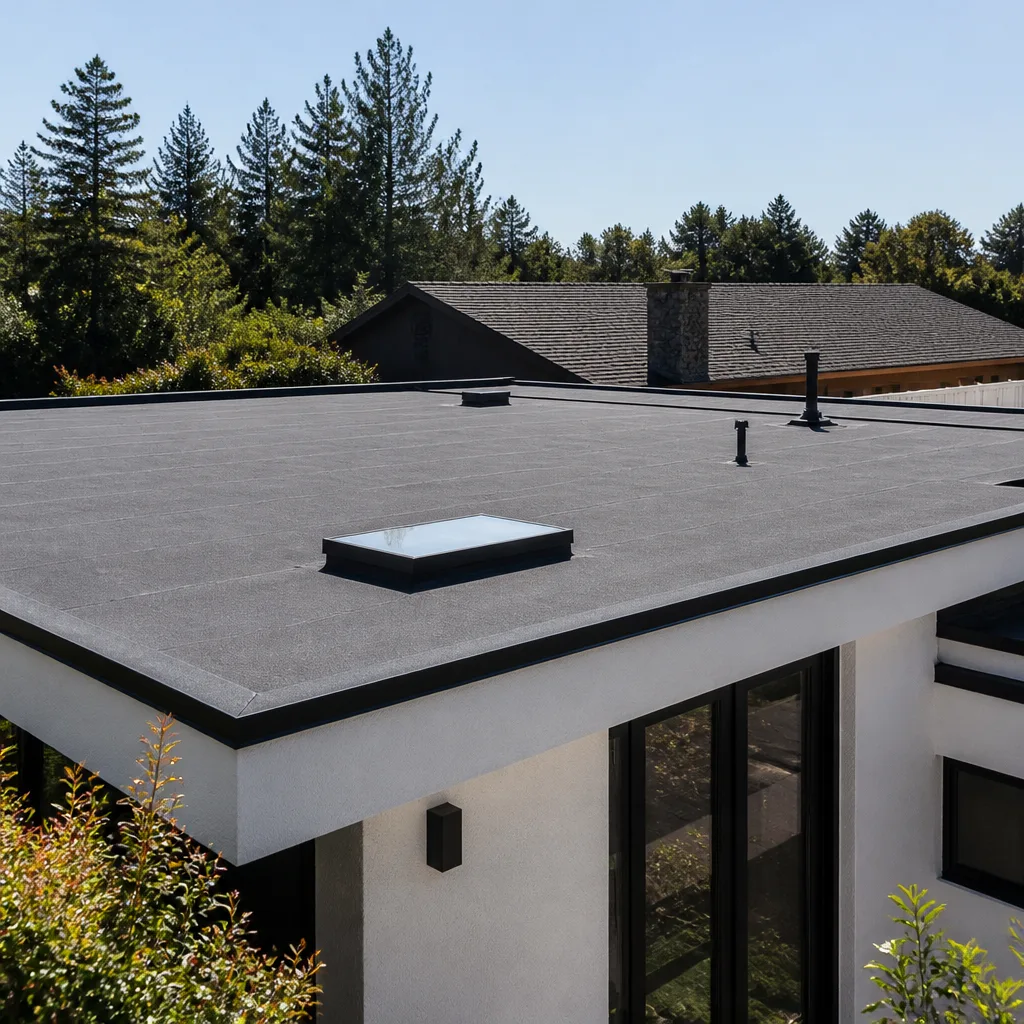 Flat & low-slope
Free roof inspection with deck photos before we talk money - GAF and Owens Corning certified installation
Roofing Warning Signs: A Miami Homeowner’s Reference Guide
Here’s a number that should make every Miami homeowner pause: most of the roofing failures we repair each year were visible for six to eighteen months before anyone called us. The problem is not neglect. It’s that the standard “how to spot roof damage” advice was written for asphalt-shingle homes in Ohio. South Florida roofs are different. They’re concrete tile, flat membrane, and standing-seam metal. They fail in ways that never show up in a northern roofing checklist, and they often signal trouble from inside the attic, not from the curb. This guide is a plain-language reference for what actual failure looks like on Miami’s dominant roof types, what you can safely check yourself, and what genuinely needs a trained eye. For a broader overview, see our Complete Guide to Roofing in Miami.
Quick Answer
The earliest warning signs of roof trouble in Miami are rarely missing shingles. Look instead for tide-line water stains on attic sheathing, chalky white efflorescence on concrete tile, ponding water on flat roofs that lasts more than 72 hours, and pinhole rust forming on metal flashing near the coast. Any of these four signatures means water has already found a path it shouldn’t have, and the repair cost climbs every month it’s left unaddressed.
Styles & brands we work with
Table of Contents
- Concrete Tile Roofs: What Failure Actually Looks Like
- Flat Roofs in Miami: The 72-Hour Ponding Rule
- Salt Air and Metal: The Coastal Corrosion Signals
- Granule Loss in a Miami Climate: Normal vs. Concerning
- Interior Warning Signs You’re Blaming on the Wrong System
- What a Miami Homeowner Can Safely Check
- Common Mistakes to Avoid
- When to Call a Professional
Concrete Tile Roofs: What Failure Actually Looks Like
Concrete tile is the most common roofing material across Miami’s neighborhoods, from Kendall to Coral Gables to Cutler Bay. When tile roofs fail, they don’t fail the way shingles do. The tile itself is remarkably durable. It’s rated to handle 150 mph winds when installed correctly. The problem is almost always what’s underneath: the underlayment. That’s the water-shedding layer that sits between your tile and the roof decking. Most underlayment products have a functional life of 20 to 30 years, even though the tile above them can last 50 or more. In our experience across Miami, underlayment failure is the single most common reason homeowners need a roof repair in Miami before the tile itself shows any visible damage.
So how do you spot underlayment failure without pulling tile? You look for secondary evidence.
Three Visual Signatures of Underlayment Failure
- Efflorescence patterns on tile surfaces. Efflorescence is the chalky white mineral deposit that appears when water moves through porous material. On a concrete tile roof, water that has reached the underlayment and then evaporated leaves mineral residue behind. If you see white staining on the underside of tiles, along the eave line, or streaking down from ridge areas, that’s not cosmetic. It’s evidence water has been where it shouldn’t be.
- Hollow-sounding tiles when tapped. A concrete tile that is still tightly bedded will have a solid feel and a dull sound. A tile that has shifted or lost its bond will sound hollow. This test requires no special tools, but it does require being on the roof, and we don’t recommend homeowners walk tile without knowing where the structural supports are. If you’re not comfortable on a roof, this is exactly the kind of check a roofer should do during an assessment.
- Cracked or separating mortar on the ridge cap. The ridge cap is the mortar or concrete line that runs along the peak where roof slopes meet. On Miami tile roofs, ridge cap mortar takes direct sun, driven rain, and occasional hurricane-force gusts. When it cracks or separates, water gets a straight shot at the underlayment below. Cracked ridge cap mortar is one of the earliest visible warnings on an aging tile roof, and it’s visible from the street or a ladder in most cases.
One more Miami-specific note: tile roofs here have been through multiple re-nailing and retrofit programs following Hurricane Andrew in 1992 and newer code cycles after Wilma and Irma. If your home was built before 1994 and has not had a documented tile re-nail, you should ask about fastener condition. Loose tiles after decades of thermal expansion and storm cycles can slide, crack, or lift enough to expose underlayment, even if nothing looks wrong from ground level.
Flat Roofs in Miami: The 72-Hour Ponding Rule
Flat and low-slope roofs are everywhere in Miami’s mid-century neighborhoods, from the 1950s ranches in Westchester to the modern boxes in the Design District. They’re built for function, not drama, and their biggest ongoing risk is standing water. But here’s the rule every Miami homeowner should know: ponding is only a problem if it doesn’t drain.
Water that sits on a flat roof for up to 48 hours after heavy rain is normal. Miami gets intense, short-duration rainfall. A properly functioning flat roof will hold water temporarily while drains and scuppers work through the volume. There’s even a term for it: temporary ponding. It’s accounted for in roofing standards, and most modern membranes are tested to handle it.
The line between normal and concerning moves at 72 hours. If water is still pooling 72 hours after rain has stopped, something has changed. Either the drains are blocked, the roof deck has deflected, or the slope is no longer doing its job. Standing water beyond that window begins to degrade membranes, attract debris, and create the exact conditions for a leak. That’s the point to call a roofing company in Miami for an inspection.
How to Measure Ponding Like a Pro
- After the next heavy rain, note the time the rain stops. Write it down. Don’t rely on memory.
- Check the roof at 48 hours. If there’s still a visible puddle larger than a dinner plate, mark its location in a photo.
- Check the same spot at 72 hours. If water remains, you have a drainage issue. This is not a maintenance item to defer.
- Look at the shape of the puddle. If it’s in the same low spot every time, even after light rain, that indicates deck deflection. The roof structure itself is sagging. Deflection is a structural conversation, not just a membrane patch.
A side note on scuppers and drains: in Miami, flat roofs commonly drain through internal drains or scuppers, which are the rectangular openings cut through the parapet wall. Leaves, seed pods, and the general organic debris of a subtropical climate clog both. One of the simplest and most valuable maintenance tasks any flat-roof homeowner can do is keep those drain paths clear. Five minutes with a gloved hand after a storm can prevent 72-hour ponding entirely.
Salt Air and Metal: The Coastal Corrosion Signals
If your home sits east of US-1, or within about two miles of Biscayne Bay, your roof lives in a salt-air environment. Salt accelerates corrosion with a consistency that surprises people who move to Miami from inland cities. The warning signs on metal roofing components are specific, visible, and often mistaken for cosmetic issues.
What Salt-Air Corrosion Looks Like
- Pinhole rust on metal flashing. Flashing is the metal material used to seal roof transitions: where walls meet roof, around vents, along chimneys. In Miami’s salt air, the first sign of trouble is a pattern of tiny pinprick rust spots, not large rust blooms. Pinhole rust means the protective coating on the metal has been breached. Once that happens, the metal will fail through from the inside, and you won’t see it coming from street level.
- White oxidation staining on aluminum drip edge. Aluminum doesn’t rust the way steel does. It oxidizes. The result is a white, powdery film that forms along the edges where the aluminum is exposed. On Miami homes, this shows up most often on the drip edge, the metal strip that runs along the roof edge to direct water into the gutter system. White oxidation staining is a sign the aluminum’s protective layer is being consumed. It may still function for years, but it’s no longer protecting anything.
- Fastener bleed-through on exposed metal panels. On metal roofs, particularly standing seam and exposed-fastener panels, you’ll see rust-colored streaks running down from each screw head. That’s the fastener itself corroding. The panel may still be fine. The fasteners are not. In a salt-air environment, once fastener bleed-through starts, the roof’s wind uplift rating is no longer what it was when installed. This matters in Miami, where building codes require specific wind ratings for every roof.
For Miami homeowners with metal roofs, we suggest an annual visual check focused on the roof’s metal components, not the field of the roof itself. The field panels are often the last thing to fail. The flashing, fasteners, drip edge, and any metal-to-metal contact points are the first to go. And on homes east of US-1 in neighborhoods like Coconut Grove, Key Biscayne, and North Bay Village, that timeline compresses significantly compared to inland Miami like Doral or Hialeah Gardens.
Granule Loss in a Miami Climate: Normal vs. Concerning
Asphalt shingles remain a significant part of Miami’s roofing mix, especially on homes built in the 1980s through the early 2000s across communities like Kendall, Country Walk, and The Hammocks. And with asphalt shingles comes the most misunderstood maintenance question we hear: what does granule loss actually mean?
Here’s the short answer. Granule loss in Miami is normal. The granules on an asphalt shingle are the crushed stone coating that protects the asphalt from UV radiation. Miami’s sun is relentless. Our rain comes in bursts. Every storm cycle knocks a small amount of granules loose. Finding granules in your downspouts or at the bottom of a gutter after a storm is a maintenance note, not an insurance claim.
In northern climates, granule loss is often used as evidence of hail damage. In Miami, we don’t get the kind of hail that strips shingles the way they do in Texas or the Midwest. Our granule loss is slower, more diffuse, and tied to age and UV exposure rather than a single weather event. So if a contractor points at granules in your gutter and tells you it’s time for a full roof replacement in Miami, get a second look. Granules alone don’t make that case.
What does indicate a problem? Three things. First, granule loss concentrated in a single area, often below a valley or near a wall, which suggests water is channeling over the same shingles repeatedly. Second, shingles that have lost so many granules that the asphalt substrate is visible: look for dark patches or a shiny, almost glazed appearance. Third, granules accumulating at the bottom of your downspout in the dry season, when no rain has washed them there. That indicates the shingles are shedding granules even without weather, which is an aging signal, not a storm byproduct.
The practical rule: clean your gutters once in the spring and once in the fall. Each time, note roughly how much granule material you remove. If the volume is increasing year over year during the dry season, the shingle coating is degrading. That’s when a closer look makes sense.
Interior Warning Signs You’re Blaming on the Wrong System
Most Miami homeowners never enter their attic. It’s hot, it’s cramped, and it’s full of insulation. But the attic is where roof failure shows up first, often as subtle stains and patterns that get misread as plumbing or HVAC problems. Here’s a useful framework: the shape and location of the stain tell you its source.
Three Interior Signs That Are Roof Problems, Not Plumbing Problems
- Water stains with a clear tide-line ring. A roof leak typically delivers water in bursts. Rain falls, water enters, then the leak dries out until the next storm. This repeated cycle creates a stain pattern with visible rings, like a bathtub mark on the ceiling. Plumbing leaks tend to be continuous and produce a single dark spot that never dries. If you see a ringed stain on a ceiling or attic surface in Miami, it’s almost always roof-related, particularly if it appears only after rain.
- Compressed insulation in one corner. Insulation loses R-value not just when it’s wet, but when it’s been wet and then dried with the weight of water pressing it down. If you look in your attic and notice one corner or bay where the insulation is visibly thinner, flattened, or matted compared to the rest, water has been sitting on it. That’s a roof leak you missed because it never made it to the ceiling drywall.
- Paint bubbling on ceilings that only appears after rain. Ceiling paint bubbles form when water pools on the back of the drywall and pushes the paint film outward. If the bubbling appears in the day following rain and gradually recedes after a dry spell, the water source is the roof. A plumbing leak doesn’t follow weather patterns. A condensation issue from HVAC doesn’t either. Rain-reactive paint bubbling is a roof signal, full stop.
One note for Miami homeowners: we have a long rainy season, from roughly May through October. That’s actually an advantage for diagnosis. For a month-by-month breakdown of what to watch for, see our Seasonal Roofing Care for Miami: Year-Round Homeowner’s Guide. If you suspect a roof leak, pay attention to when stains appear relative to the rain. A leak that only manifests during heavy, wind-driven storms indicates water is being pushed sideways into an opening, which means the issue is likely flashing-related. A leak that appears after light, steady rain points to underlayment or membrane failure, where water is finding a direct path through the roof surface. That distinction helps any roofer diagnose the problem faster, and it helps you understand the quote when it arrives.
What a Miami Homeowner Can Safely Check
You don’t need to climb onto a roof to spot most warning signs. In fact, for concrete tile roofs, we’d rather you didn’t. Tile is strong, but it’s also brittle when loaded incorrectly. Here’s a safe checklist that works from the ground and from inside your attic.
The Ground-Level Check (10 Minutes, Twice a Year)
- Walk the perimeter of your home. Look for tile that appears shifted, cracked, or missing. Use binoculars if you have them. Pay close attention to the ridge line and the tile edges along the eaves.
- Check roof edges for sagging. Stand at each corner and sight down the roof line. In Miami’s heat, sagging is more often structural, not cosmetic. A line that should be straight and isn’t deserves a call.
- Look at the drip edge and gutter system. White oxidation on aluminum, pinhole rust on steel, or gutter seams that have pulled apart are all salt-air or water-path warnings.
- Inspect penetrations. Vents, pipes, skylights: anything that interrupts the roof plane has flashing around it. From the ground, look for lifted flashing edges, missing sealant, or rust streaking.
- Photograph anything that looks off. Date the photos. When you call a roofer, having a current photo and a photo from six months earlier makes the conversation faster and more accurate.
The Attic Check (15 Minutes, Once a Year)
- Go when the light is low, early morning or evening. Daylight streaming through the attic makes water penetration visible as pinpoints of light. Any light you can see through the roof deck is a water entry point waiting to happen.
- Run your eyes along the underside of the roof decking. Look for dark stains, tide-line rings, or any area that looks wetter than the surrounding material. In many Miami attics, the decking is plywood or OSB, and water staining is unmistakably different from wood grain.
- Check the insulation. Look for compressed areas, darkened spots, or material that feels crunchy underfoot (a sign of repeated wet-dry cycles).
- Sniff the air. A musty, earthy smell in a Miami attic is often the first sign of a slow leak, even before visible staining appears. Mold and mildew thrive in our humidity when water has been present for a while.
If any of these checks turn up something questionable, you’re not in emergency territory yet, but you’re in take-it-seriously territory. The next step is a professional assessment, not a wait-and-see approach. Miami’s rainy season punishes deferred roof maintenance.
Common Mistakes to Avoid
These are the patterns we see again and again when homeowners call us after a preventable problem became an expensive one. For more guides & resources on protecting your home, explore our blog. Some of them are Miami-specific. All of them are avoidable.
- Assuming a new-looking roof is a healthy roof. In Miami, a concrete tile roof can look fantastic from the street while the underlayment beneath it is failing. Tile outlives underlayment by decades. If your tile roof is over 25 years old, the question isn’t whether the tile looks good; it’s what’s underneath it.
- Waiting for a leak to show up inside the house. By the time water reaches sheetrock, insulation, or paint, the roof has been failing for months. Water that enters at the roof surface but gets absorbed by insulation or an attic floor may never show up as a leak at all, until the accumulated damage is extensive.
- Treating flat-roof ponding as normal. If your roof ponds for more than 72 hours after rain, that’s not normal. The standard is clear. Homeowners who “just live with it” end up with membrane failure that could have been prevented with a drain-clearing or a small slope correction.
- Using silicone or caulk to patch a roof leak from the inside. We’ve seen this in homes across Miami. It doesn’t work. The water is entering at the roof surface, not at the ceiling. Sealing the inside just traps the water inside the assembly, accelerating rot and mold growth.
- Hiring a roofer based on a door-knock pitch after a storm. Miami gets storm-chasers from out of state every hurricane season. They arrive after a storm, offer a “free inspection,” and pressure homeowners into signing before they’ve had time to think. A reputable Miami roofing company will give you a written price and let you read it before any work starts. No pressure. No same-day signature ultimatum.
- Ignoring fastener condition on pre-1994 tile roofs. If your home predates Hurricane Andrew, and you don’t have documentation that the roof was re-nailed or retrofitted, that’s a conversation worth having. Loose tile is a wind missile risk in Miami, and a building code concern, not just a repair item.
When to Call a Professional
Call a professional if you’ve seen any of the signals in this guide: tide-line stains inside the attic, ponding beyond 72 hours, pinhole rust on flashing, cracked ridge cap mortar, or rain-reactive paint bubbling. Call if your tile roof is over 25 years old and has never had a documented underlayment inspection. Call if you’ve recently bought a home and the seller’s disclosure was vague about the roof’s age or repair history. None of these calls obligate you to anything. A reputable company will assess, explain, and give you a written price before any work begins.
Tilehurst Roofing Miami offers free estimates in Miami. If you’ve spotted a warning sign, or you simply want an experienced set of eyes on a roof you haven’t thought about in years, call us at (850) 613-1762. We’re part of the Kingswell family of roofing companies, founded in 2000. Every job starts with a written price before any work starts. Every repair includes a written guarantee. And if a repair fails inside the guarantee period, we return to correct it at no charge under our 365-Day Done Right Promise. That’s the whole agreement, in writing.
See the difference
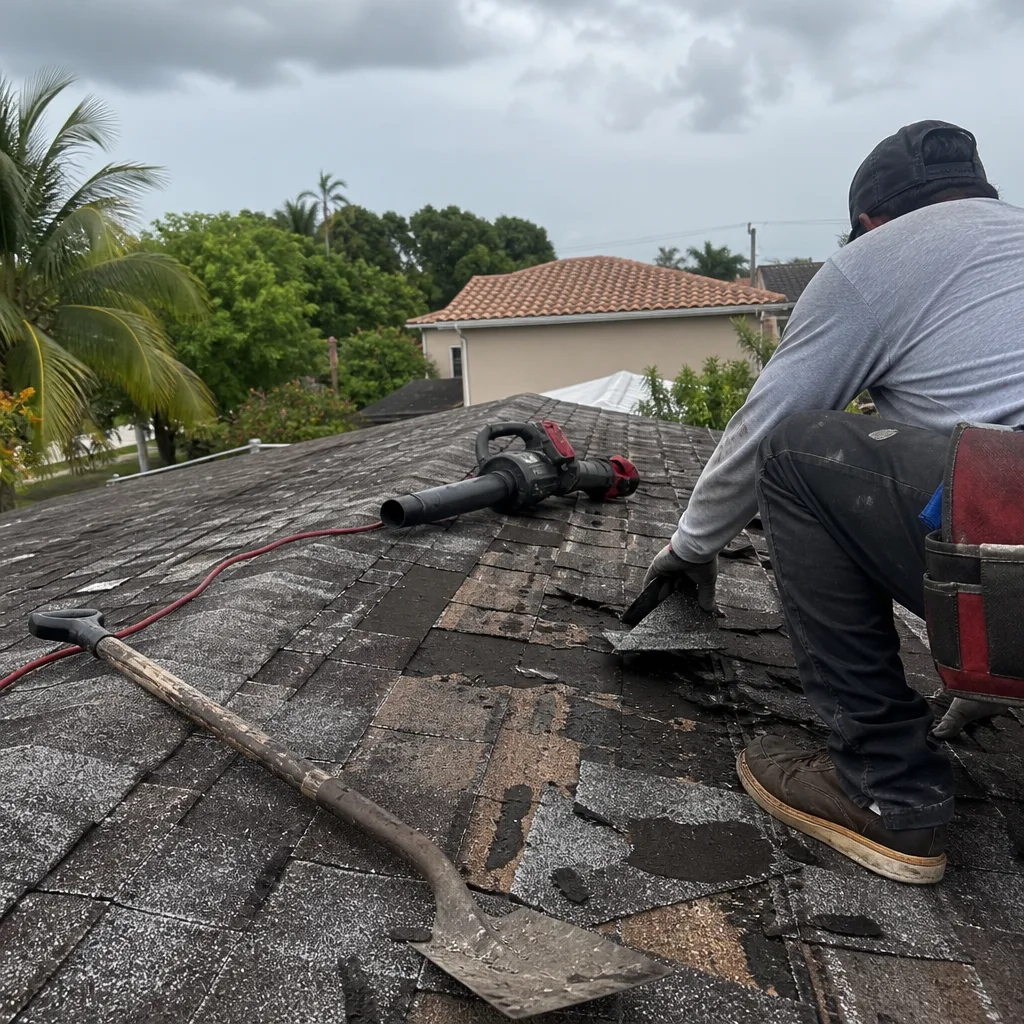 Before
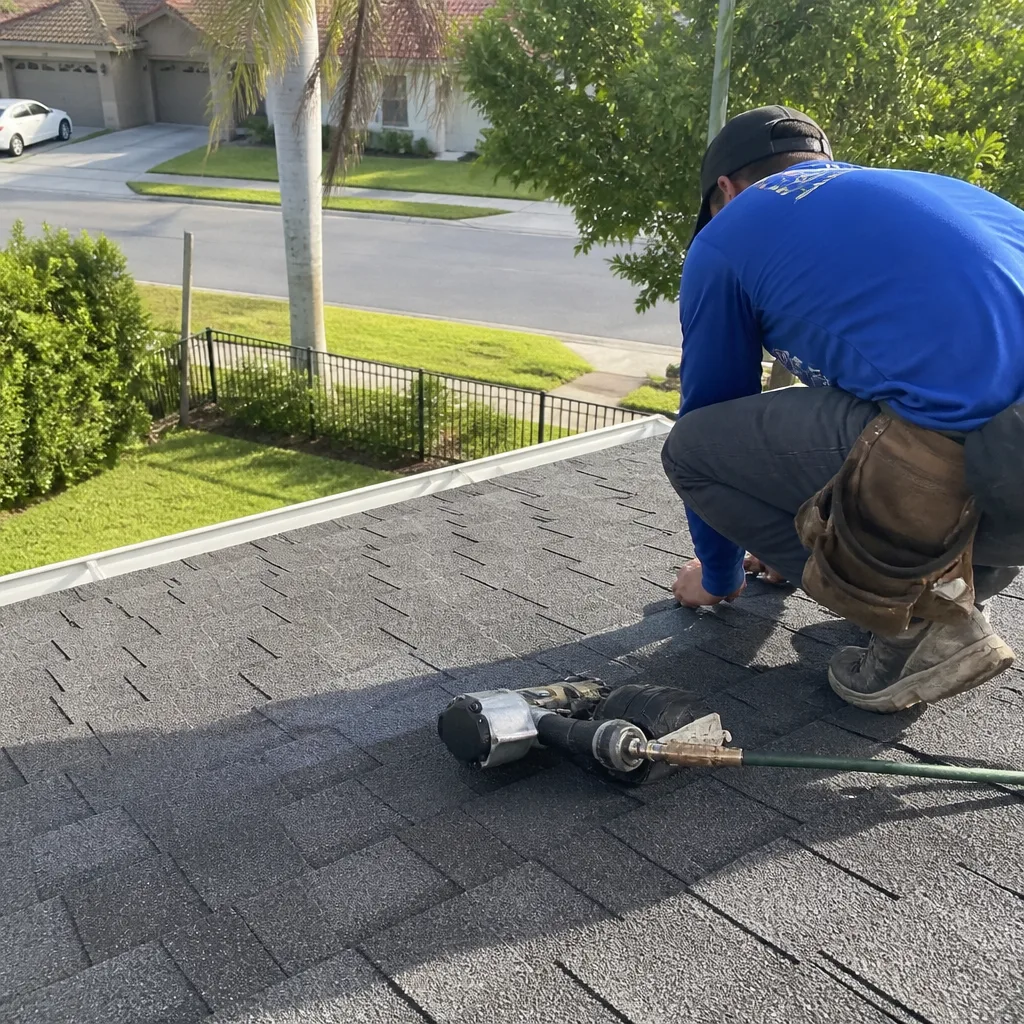 After
After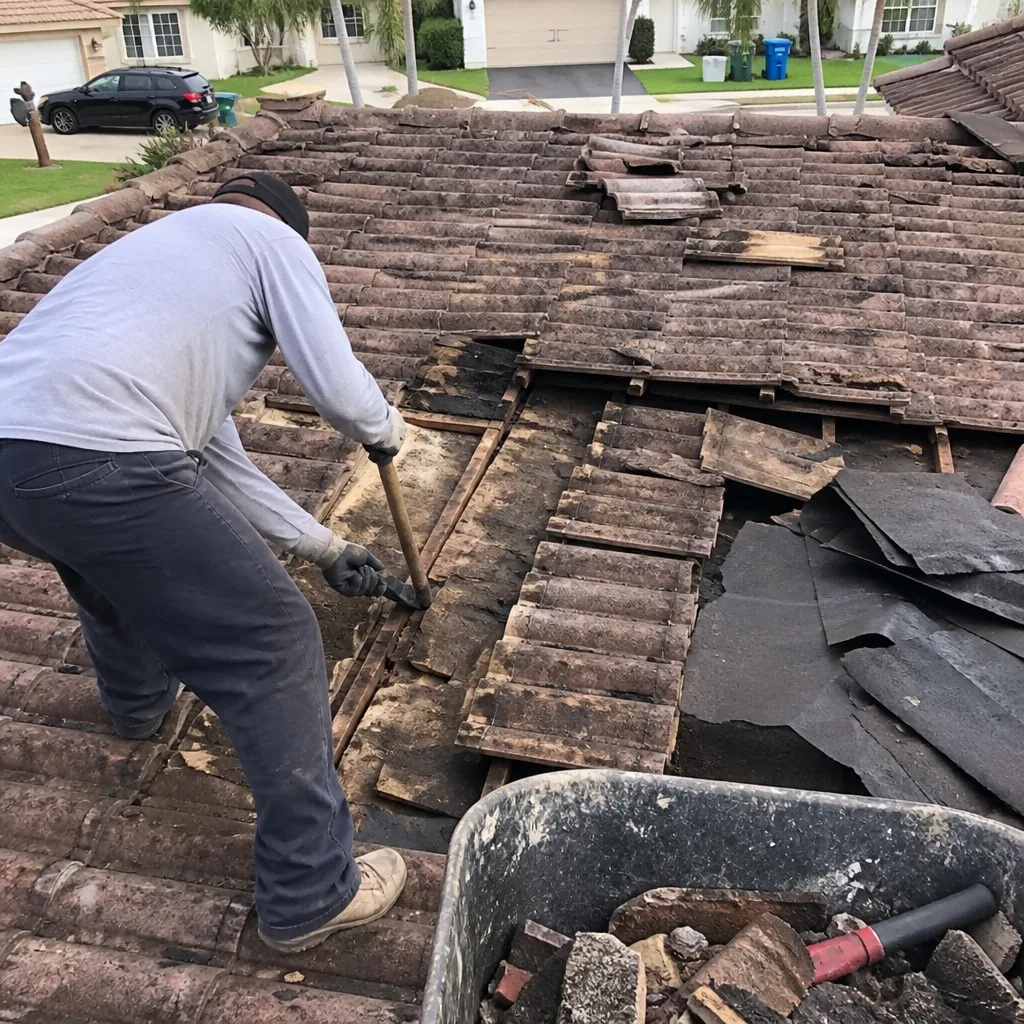 Before
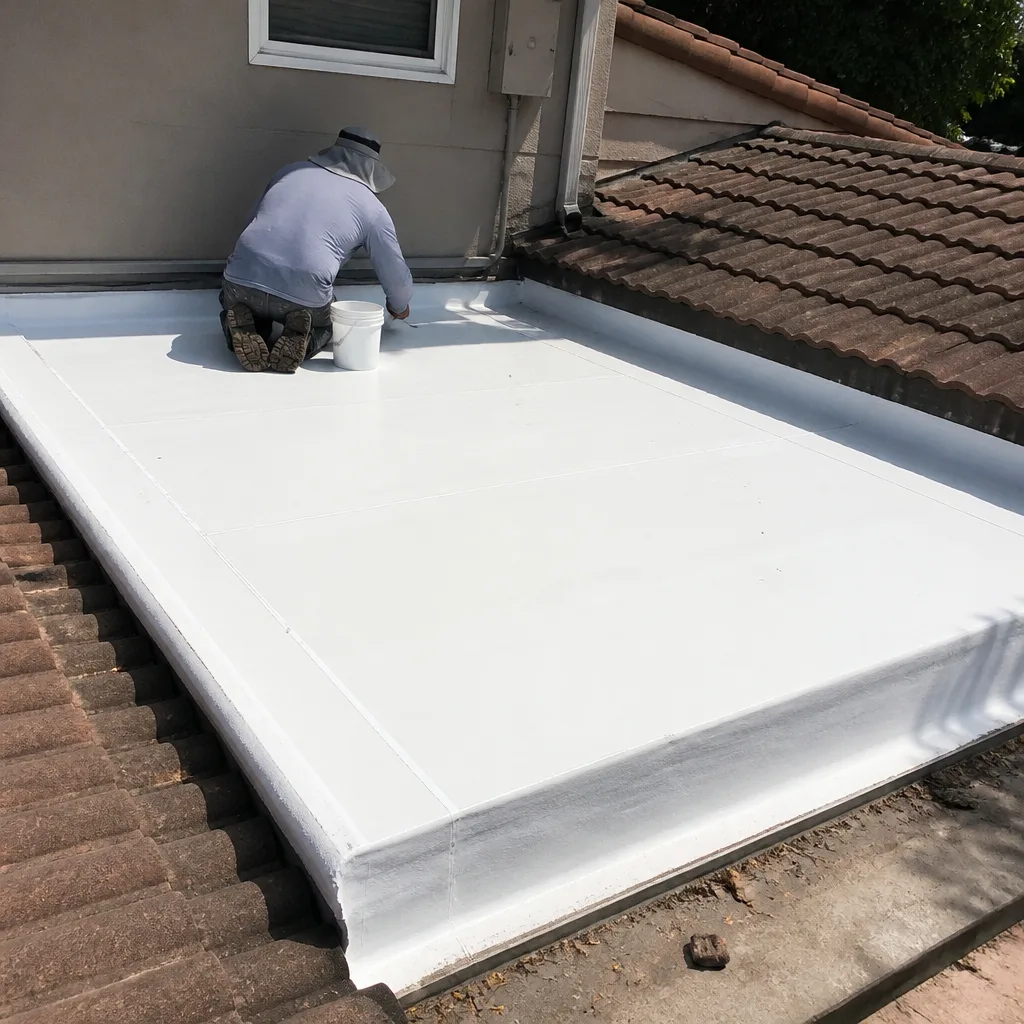 After
After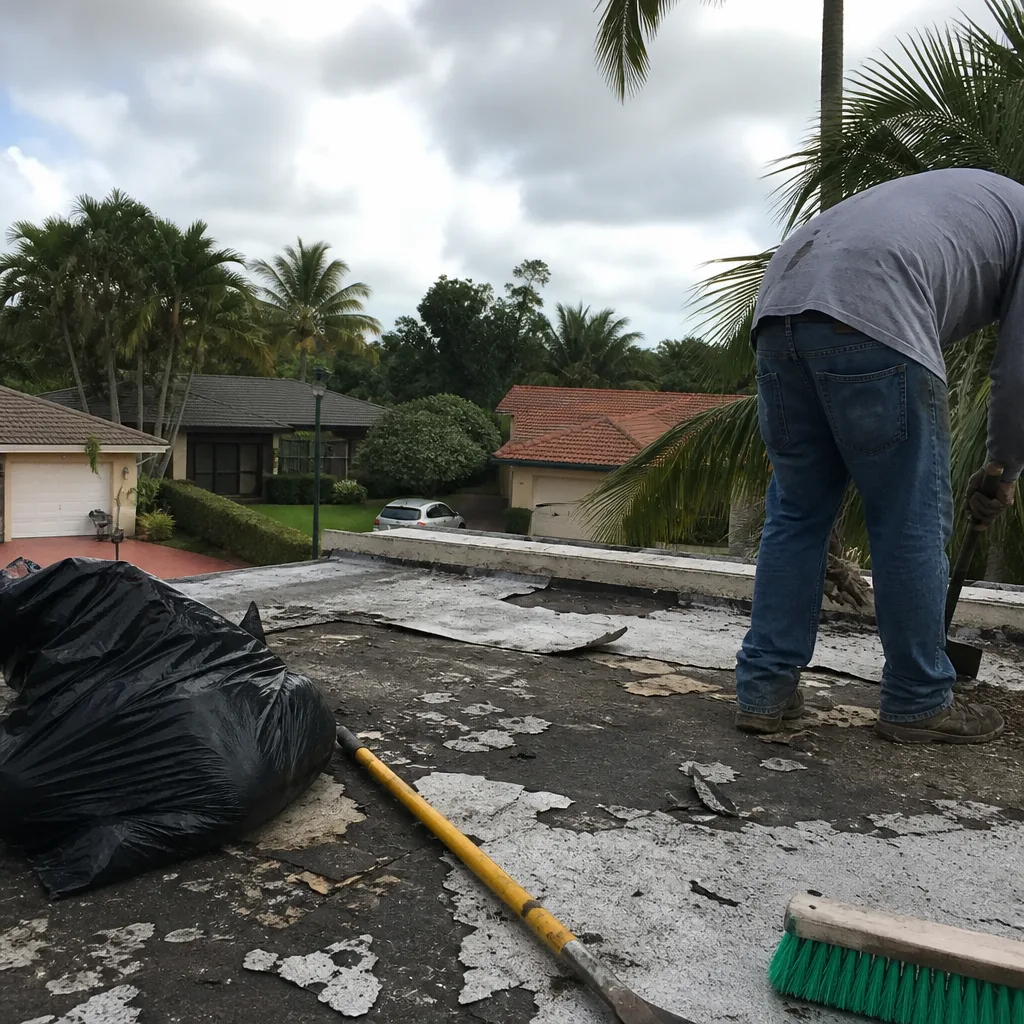 Before
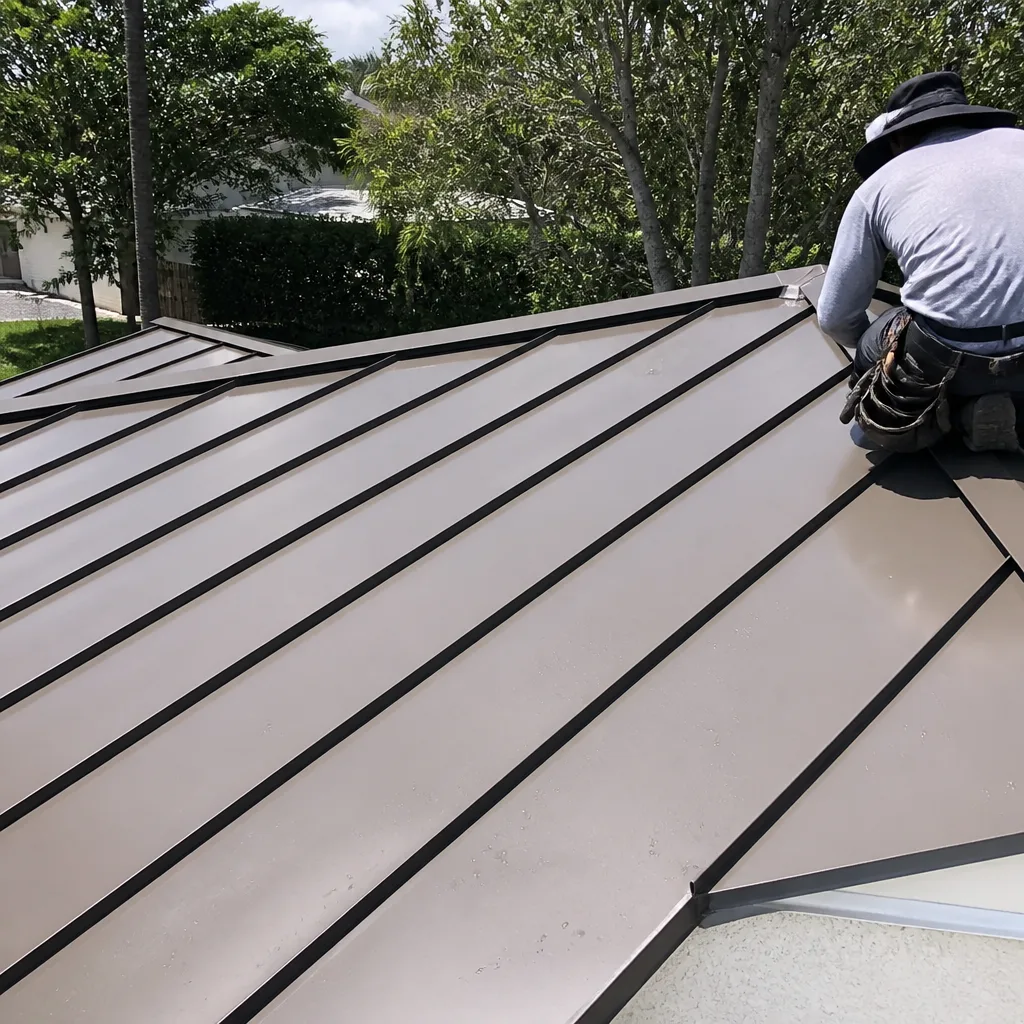 After
AfterFrequently Asked Questions
You need repair if you see efflorescence staining on tile surfaces, cracked or separated mortar along the ridge cap, hollow-sounding tiles, or any tile that has shifted enough to expose the underlayment beneath it. These are all signs that the underlayment, the waterproof layer under your tile, has been compromised. Even if the tile looks intact, water may be entering the roof assembly. Call (850) 613-1762 for an assessment if any of these signs are present.
In Miami, most asphalt-shingle repairs run $350 – $850. Concrete tile repairs typically run $400 – $1,200 depending on the number of tiles, ridge cap work, and underlayment patches. Flat roof membrane repairs on Miami homes usually run $500 – $1,500. These are realistic ranges for our market. For an exact written quote, call us at (850) 613-1762. The price you’re quoted is the price you pay; we don’t change the number at the door.
Underlayment failure means the water-shedding layer beneath the tile has deteriorated, allowing water to reach the roof deck even though the tiles above it look fine. Tile failure means the tile itself has cracked, shifted, or broken. In Miami, underlayment failure is far more common, especially on roofs 25 years or older. The underlayment has a shorter functional life than the tile, and when it fails, it usually requires removing and re-setting the tile in the affected area.
Flat roofs in Miami should be inspected at least once a year and immediately after any named storm. The combination of intense sun, heavy rainfall, and organic debris accumulation on flat roofs means that small problems become big ones quickly. A drain that’s partially blocked can become a 72-hour ponding issue, which then becomes a membrane failure, all inside a single rainy season. Annual inspections catch drain blockages and seam issues before they compromise the roof.
Partial underlayment repair is sometimes possible, but it depends on the condition of the existing underlayment across the entire roof. If one section has failed, the rest is usually close behind. A partial repair requires removing and re-setting tile in the affected area, which is labor-intensive. Sometimes, a full underlayment replacement with tile re-set makes more economic sense than repeated partial repairs. We always walk through the options and the written pricing before any work begins.
Salt air affects roofs across a much broader area than just beachfront property. Homes within roughly two miles of Biscayne Bay or the coast experience measurable corrosion on metal flashing, fasteners, and drip edge. You’ll see it as white oxidation on aluminum, pinhole rust on steel flashing, and rust streaking from fastener heads. Homes further inland get far less exposure, but the warning signs are the same when they do appear. If you live east of US-1, make an annual metal-component check part of your maintenance routine.
The Bottom Line
Miami roofs fail differently than roofs in the rest of the country. The warning signs are visible, but they require knowing what to look for: efflorescence on tile, ponding beyond 72 hours on flat roofs, pinhole rust on flashing, granule loss that persists in the dry season, tide-line stains in the attic. None of these require a contractor to spot. All of them require action once spotted. The simplest, cheapest route is a professional assessment. We’re Tilehurst Roofing Miami, part of the Kingswell family of companies. The inspection is free. The written price comes before the work. And the guarantee is in writing, on every repair, every single time.
Written by Greg Holloway, Owner at Tilehurst Roofing Miami, serving Miami since 2000.