
Last updated October 17, 2026
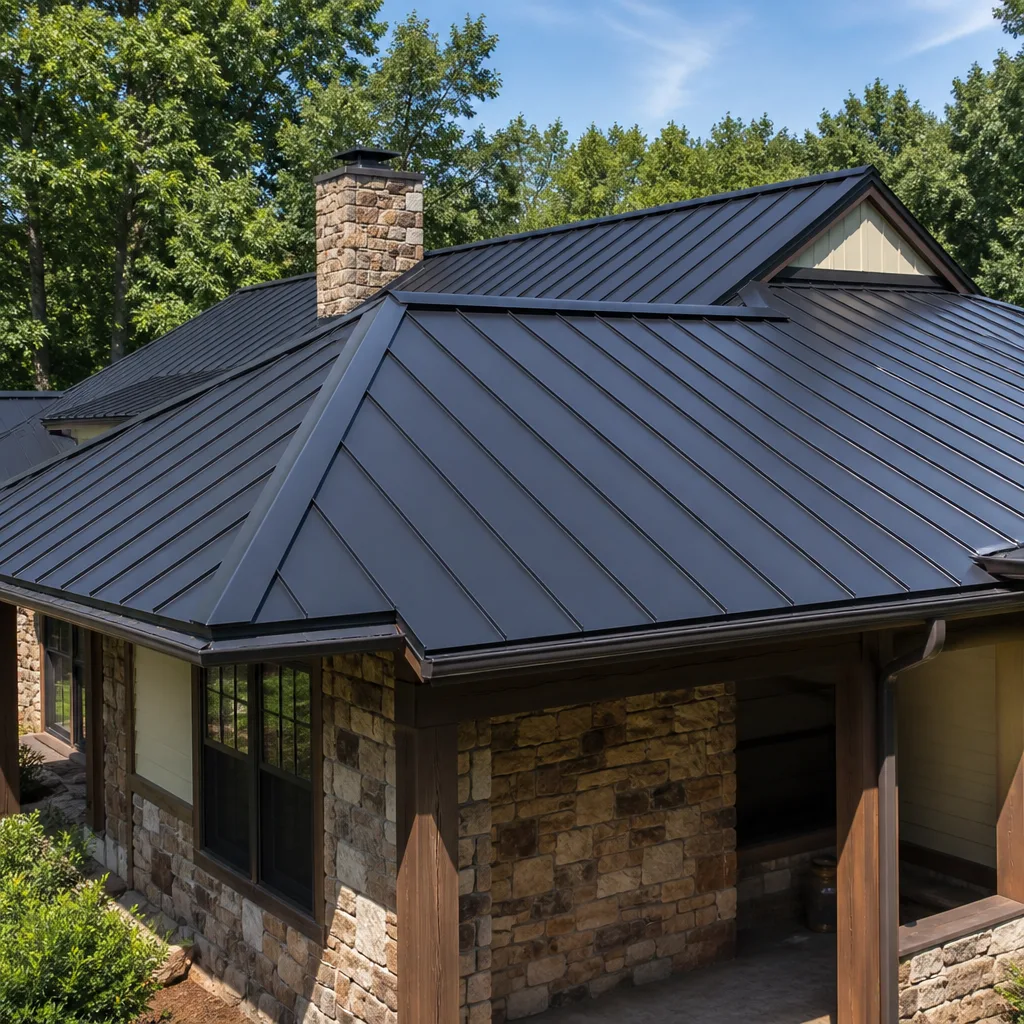 Metal roofing
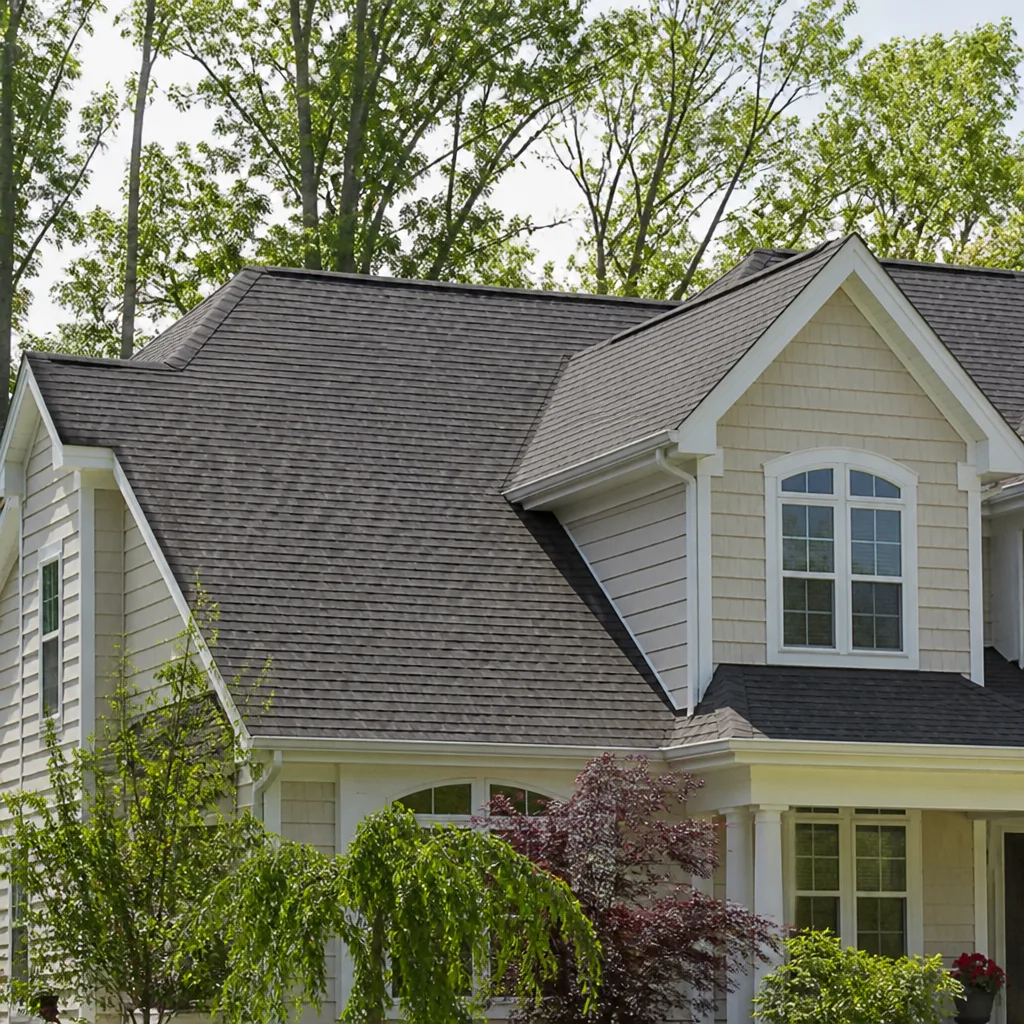 Architectural shingles
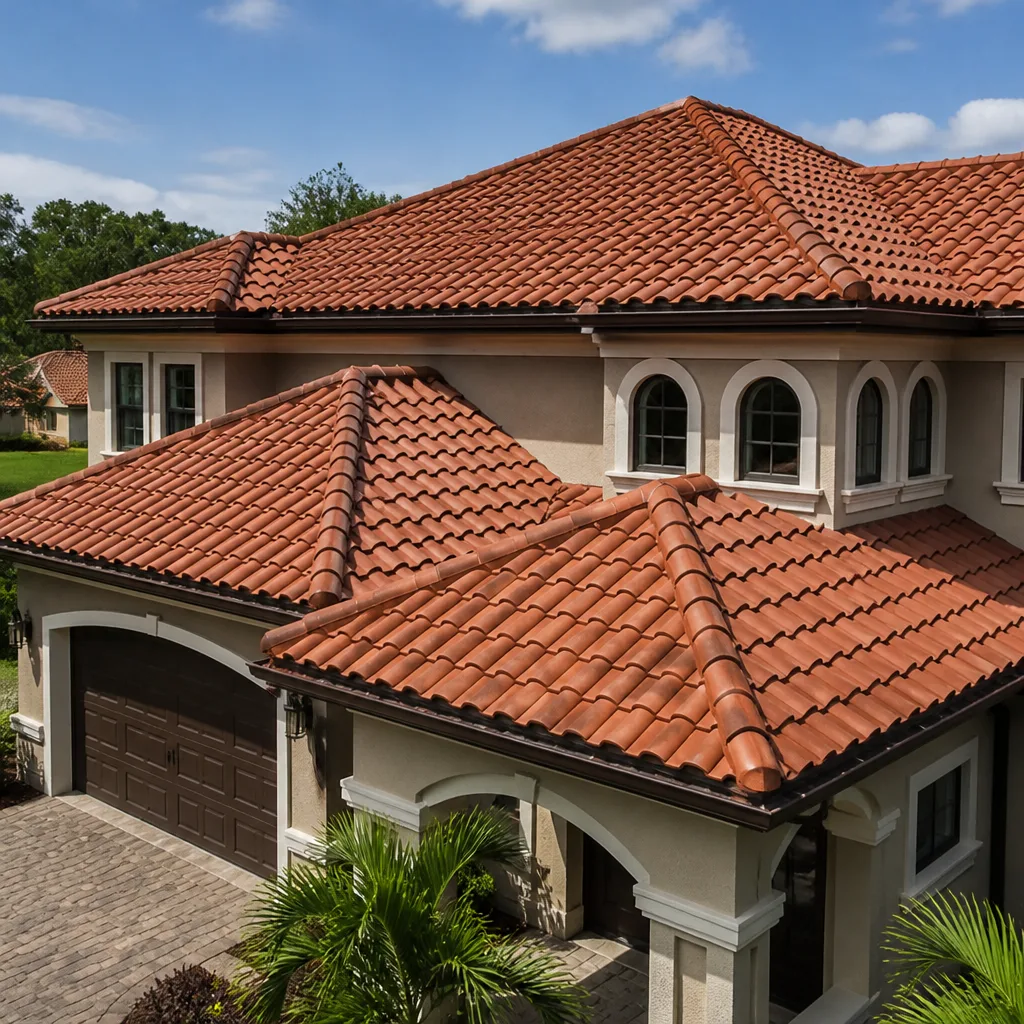 Tile roofing
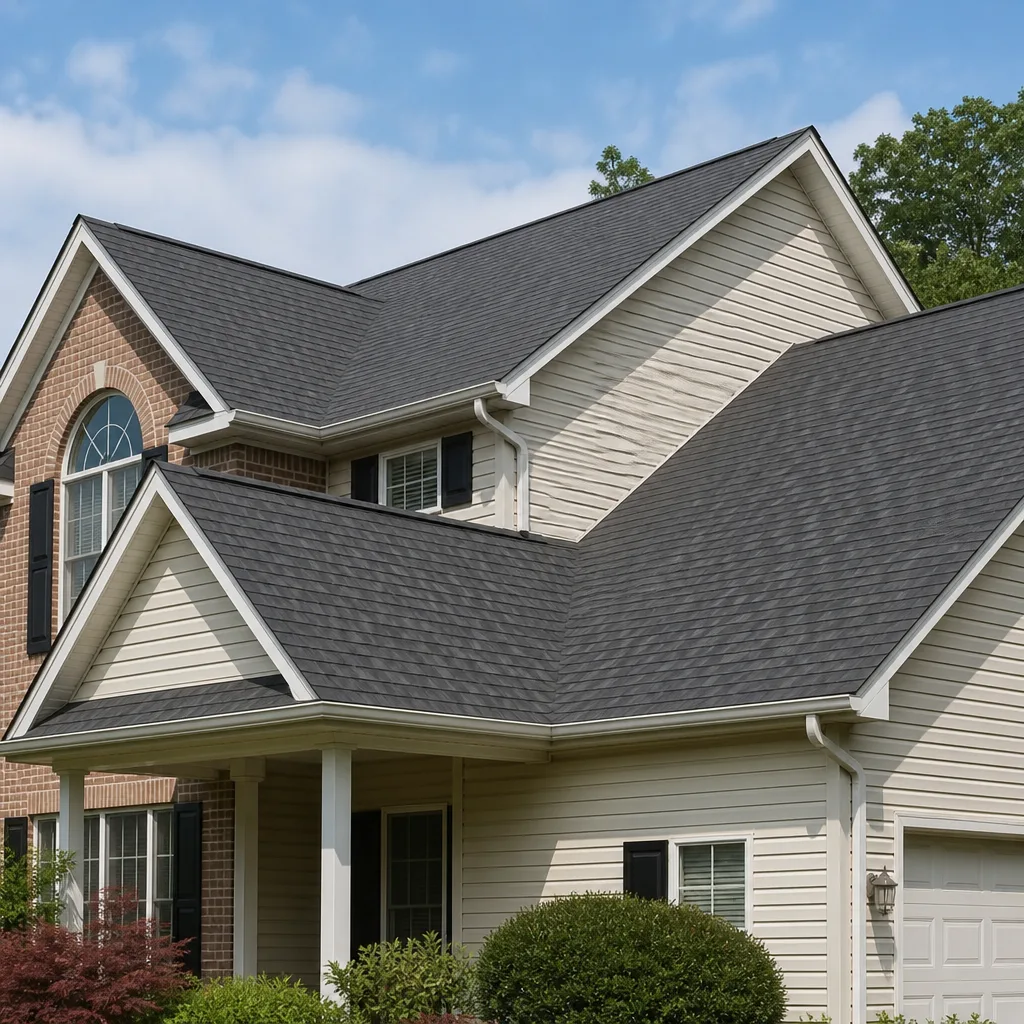 GAF
GAF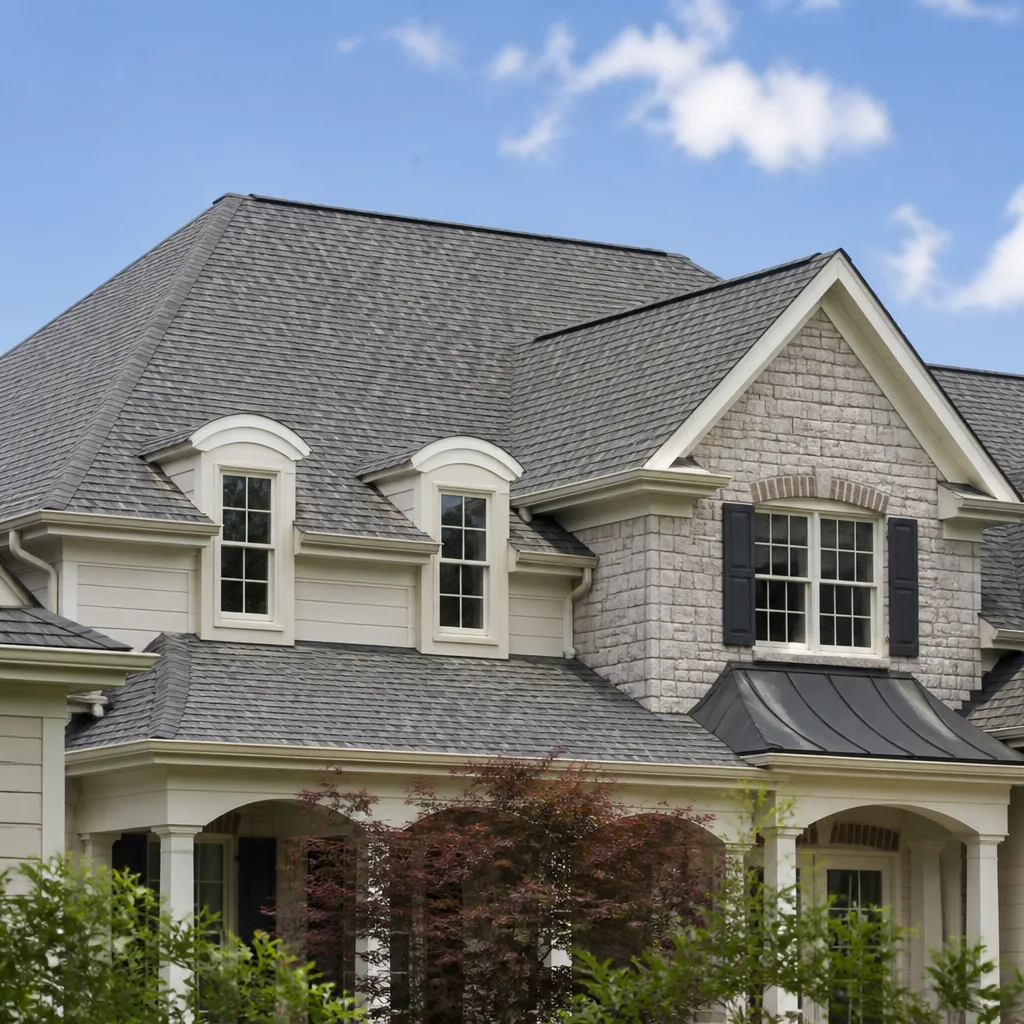 Owens Corning
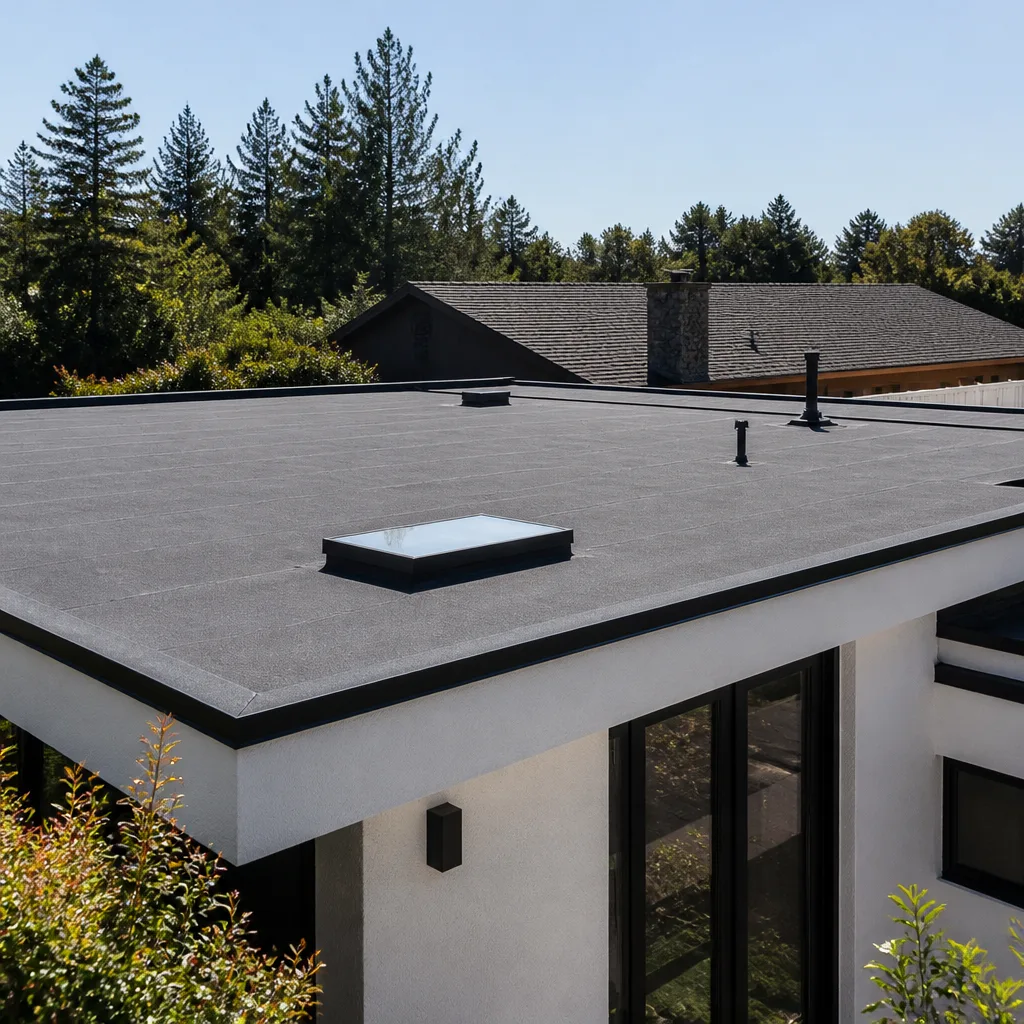 Flat & low-slope
Free roof inspection with deck photos before we talk money - GAF and Owens Corning certified installation
The Complete Guide to Roofing in Miami
Miami-Dade County has rejected more roofing permit applications than any other Florida county three years running, and most of those rejections trace back to contractor errors homeowners never knew happened. That’s not a bureaucratic footnote. It’s a signal that roofing in Miami plays by a different set of rules than roofing anywhere else in the country. This guide explains what those rules are, why they exist, and how to make sure your roof survives both the weather and the paperwork. If you own a home in Miami, what you’re about to read will save you money, time, and possibly an insurance claim denial.
Quick Answer
Roofing in Miami means complying with Miami-Dade County’s High-Velocity Hurricane Zone building code, which requires approved materials, specific installation methods, and permits for most work. A full asphalt shingle roof replacement in Miami typically runs $12,000 to $22,000, concrete tile runs $25,000 to $45,000, and repairs average $450 to $1,200. The single most important step a Miami homeowner can take is hiring a properly vetted roofing contractor in Miami and verifying that both the contractor and the specific roofing materials hold current Miami-Dade product approval before any work begins.
Table of Contents
- Why Miami-Dade Roofing Code Is Different From Everywhere Else
- Which Roofing Materials Actually Work in Miami’s Climate
- Salt Air and Corrosion: What Coastal Miami Homeowners Need to Know
- Permits, Notices of Commencement, and the Paperwork That Protects You
- The 25% Rule: When a Repair Becomes a Full Replacement
- Real Miami Roofing Costs in 2025
- What a Proper Miami Roofing Job Looks Like
- Common Mistakes to Avoid
- When to Call a Professional
- Frequently Asked Questions
- The Bottom Line
Why Miami-Dade Roofing Code Is Different From Everywhere Else
Miami sits inside the High-Velocity Hurricane Zone, or HVHZ, a designation shared only with Broward County and a few Gulf Coast communities. The rest of Florida operates under a standard statewide building code. Miami does not. Any roofing product installed on a home in Miami must carry a Miami-Dade Notice of Acceptance, commonly called an NOA, or a Florida Product Approval that specifically covers HVHZ conditions. This is not a preference. It is a legal requirement, and inspectors enforce it at multiple points during the job.
The HVHZ code exists because Hurricane Andrew changed everything in 1992. Wind-borne debris destroyed neighborhoods, and the state responded by creating the toughest roofing standards in the United States. Those standards now govern everything from the type of underlayment to the number of nails per shingle, the pattern of adhesive strips, the uplift resistance of tile, and the anchoring system for metal panels. A roofer who learned the trade in Ohio or Texas and then relocates to Miami without retraining will make code violations that fail inspection or, worse, fail during a storm.
Here is what the HVHZ code requires for a typical asphalt shingle roof in Miami, compared with what the rest of Florida allows:
- Underlayment: Miami requires a minimum of two layers of approved underlayment on most roof decks, with specific overlap and fastening patterns. Other Florida counties allow a single layer.
- Nailing: Miami requires six nails per shingle and placements at exact distances from the shingle edge. The broader state code allows four nails in some applications.
- Drip edge: Miami requires corrosion-resistant drip edge, meaning the metal flashing strip along the roof’s perimeter, at both the eaves and the rakes. This is non-negotiable here.
- Product approval: The shingle, underlayment, tile, adhesive, and even the fasteners must appear on the Miami-Dade approved products list. An inspector can and will check.
When you’re getting quotes for roof replacement in Miami, ask each contractor to show you the Miami-Dade NOA for the exact materials they plan to install. A legitimate Miami roofer will have that document ready. A roofer who stumbles, changes the subject, or tells you approval doesn’t matter is telling you everything you need to know.
Which Roofing Materials Actually Work in Miami’s Climate
Miami’s climate punishes roofs in three specific ways: wind uplift during hurricanes and summer squalls, UV radiation that bakes roof surfaces for more than 3,000 hours of sunlight per year, and ponding water during the rainy season that runs from May through October. The best roofing material for your Miami home is the one that resists whichever of those three threats is most dangerous for your specific roof geometry and location.
Concrete and Clay Tile
Concrete tile is the Miami classic. You see it across Coral Gables, Pinecrest, and most of the older neighborhoods. It handles UV better than nearly any other material because it does not rely on surface granules for protection, and it sheds rain efficiently on steep-slope roofs. But tile is heavy, and Miami’s older homes sometimes lack the structural framing to support it without reinforcement. Wind uplift is also a genuine concern: a tile that comes loose during a hurricane becomes a missile. Miami-Dade code requires every tile on the perimeter and every tile above a certain roof height to be mechanically fastened with screws or clips, not just set with adhesive. A proper tile roof in Miami also needs a high-quality underlayment system underneath, because if a tile does break or shift, the underlayment is the last line of defense.
Metal Standing Seam
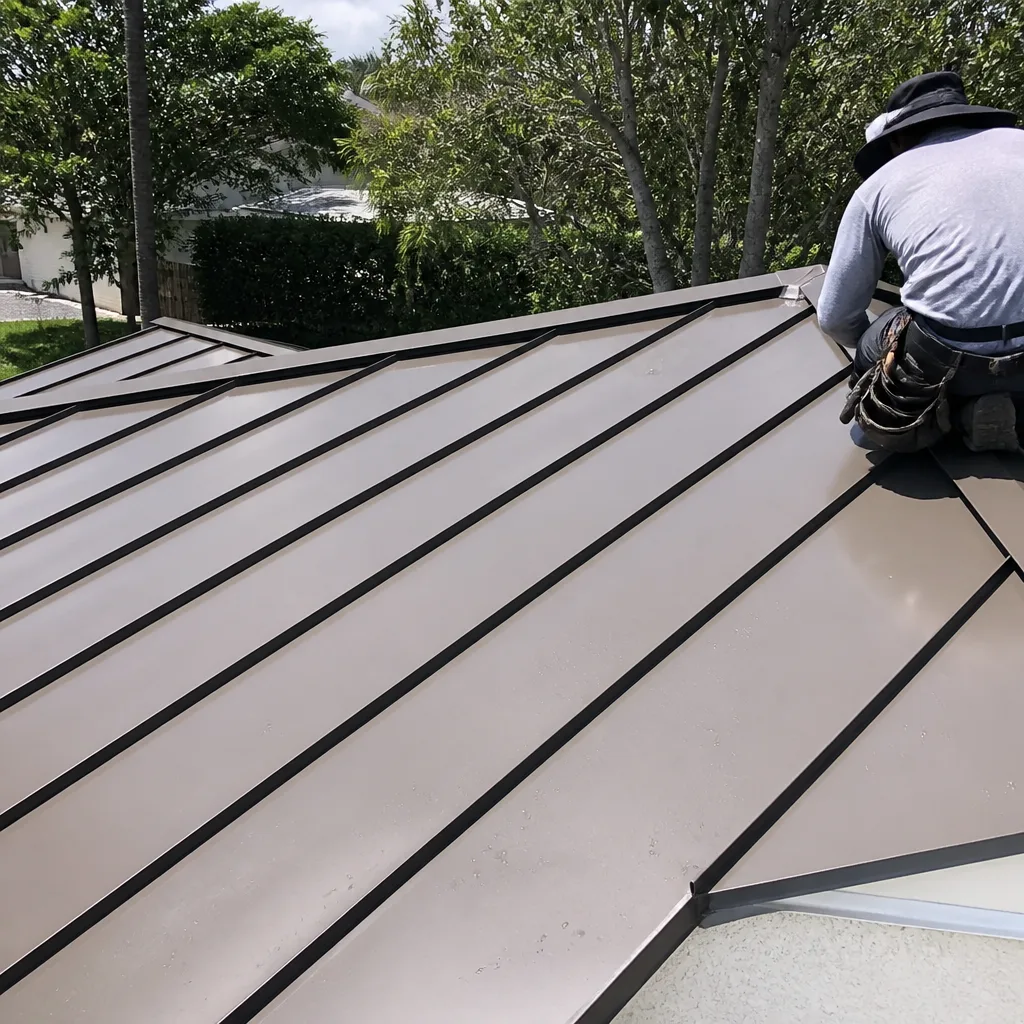
Metal standing seam roofs have moved from commercial buildings into Miami residential neighborhoods, and for good reason. A properly installed standing seam roof with raised seams and hidden fasteners resists wind uplift better than almost anything else on the market. It also reflects solar radiation effectively when painted in light colors, which keeps attic temperatures lower during Miami summers. The catch is the salt spray along the coastline. Manufacturers like CertainTeed and Atlas offer coastal-rated metal products with higher-grade galvanization and specialized paint systems, but those coatings fail prematurely when a less expensive product is installed within a mile of the ocean. For Miami homeowners in coastal zip codes, the metal panel grade matters as much as the roof design.
Asphalt Shingles
Asphalt shingles remain the most common roofing material in Miami, particularly in middle-class neighborhoods like Westchester, Kendall, and Hialeah. High-quality architectural shingles from manufacturers including Owens Corning and IKO now carry HVHZ approvals and perform well when installed with full Miami-Dade underlayment and fastening requirements. The key is the wind rating: Miami requires shingles rated for at least 130 mph wind uplift, and many contractors now install products rated for 150 mph or higher. Asphalt shingles are the most affordable option in Miami, but they also carry the shortest lifespan in this climate, typically 15 to 20 years versus 30-plus years for tile or metal.
Flat Roof Systems: TPO and Modified Bitumen
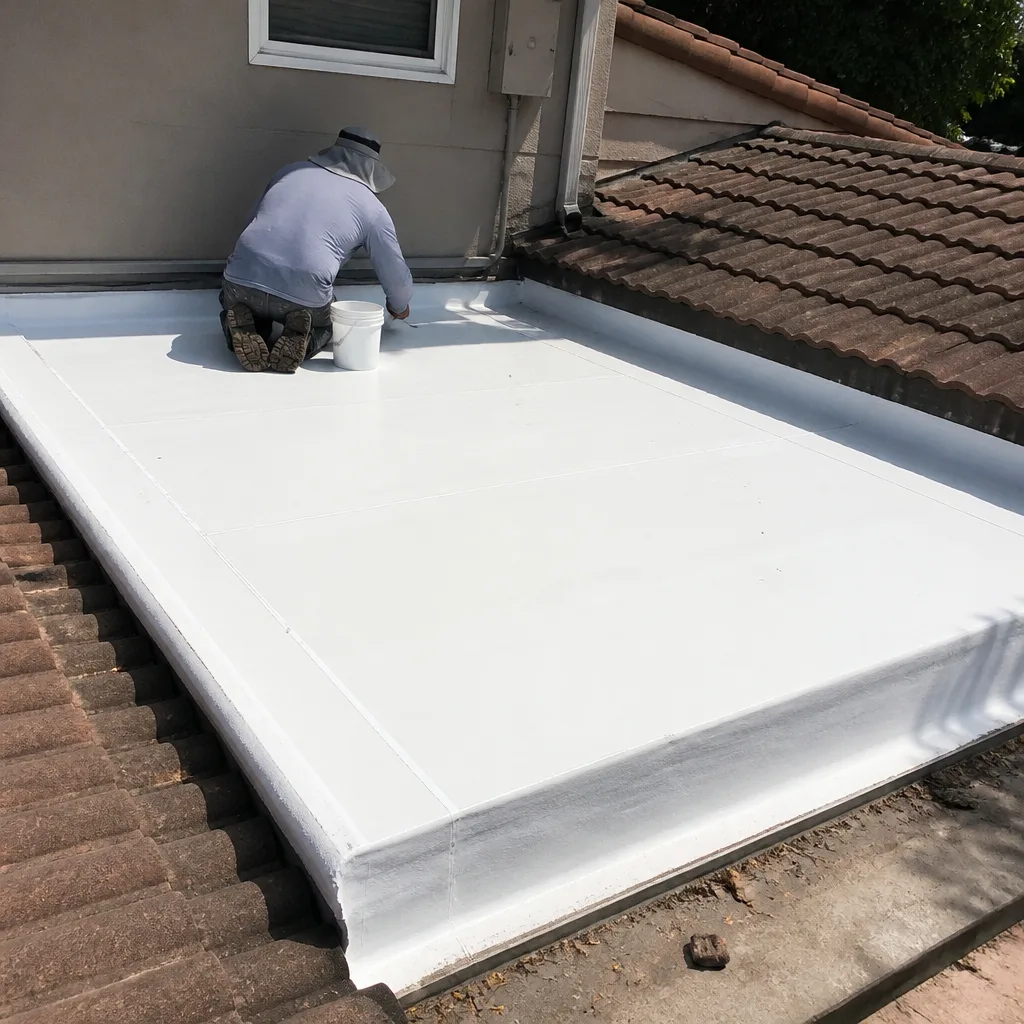
Many Miami homes built after 1970 include flat or low-slope roof sections, often over carports, additions, or entire modern-style builds in neighborhoods like Brickell and the Upper East Side. Flat roofs in Miami face a different primary threat: ponding water. A flat roof that holds water for more than 48 hours after a rainstorm will fail, regardless of the material. TPO, a white thermoplastic membrane, reflects heat effectively and now dominates the Miami flat roof market. Modified bitumen, an asphalt-based rolled membrane, costs less but absorbs more heat and degrades faster under UV. For flat roofs in Miami, drainage design matters more than material choice. Every flat roof should have a defined slope toward drains or scuppers, and every drain should be cleared before the start of hurricane season each year.
We’ve replaced flat roofs all over Miami, and the pattern is consistent: a TPO roof on a well-drained deck will last 20 years, while a modified bitumen roof on a poorly drained deck will blister and crack within five. The material matters, but the drainage matters more.
Salt Air and Corrosion: What Coastal Miami Homeowners Need to Know
Salt air corrodes metal roofing components faster in Miami than in any other Florida city except perhaps Key West. The combination of year-round humidity, ocean spray, and high temperatures creates a corrosion environment that’s unusually aggressive, particularly within two miles of Biscayne Bay or the Atlantic. The components at highest risk are the ones homeowners never see: fasteners, flashing, and ridge caps.
Here is the corrosion timeline we’ve observed across Miami’s coastal neighborhoods:
- Standard galvanized steel fasteners begin showing visible rust within 3 to 5 years on homes within a mile of the ocean. They can fail entirely within 10 to 12 years.
- Stainless steel fasteners, typically grade 304 or 316, resist corrosion for 20-plus years even in Miami’s coastal environment. They cost more upfront, roughly 15 to 20 percent above standard fasteners, but prevent the kind of hidden fastener failure that leads to shingle blow-offs during a storm.
- Standard aluminum flashing lasts 10 to 15 years in coastal Miami before pitting and thinning becomes visible. Coastal-rated flashing with a higher alloy content doubles that lifespan.
- Ridge caps, the shingle or tile pieces that sit along the roof’s peak, fail fastest in coastal areas because they receive maximum UV exposure and maximum wind pressure. In neighborhoods like Key Biscayne, Surfside, and Bal Harbour, we see ridge cap degradation 3 to 5 years earlier than in inland areas like Hialeah or Kendall.
This is why Miami roofing contractors should never quote a coastal home and an inland home at the same per-square rate. The coastal job requires different fasteners, different flashing, and a different approach to ridge cap installation. When you’re comparing quotes for roof work in Miami, ask specifically whether the contractor is pricing coastal-rated components. If they don’t know what you’re talking about, get another quote.
Permits, Notices of Commencement, and the Paperwork That Protects You
Miami’s permitting process is the strictest in Florida, and it exists for a reason. Hurricane Andrew proved that lax construction standards kill people and bankrupt insurance companies. Today, every roof replacement in Miami requires a permit from the city or county building department, and most repairs do too, depending on scope. Skipping the permit does not save money. It creates a legal and financial liability that can follow the property for years.
There are two documents homeowners need to understand:
- The roofing permit. This is issued by the building department after the contractor submits plans, product approvals, and specifications. The permit triggers inspections at key stages. For a roof replacement in Miami, expect at minimum a dry-in inspection, meaning the underlayment and flashing are inspected before the final roof surface goes on, and a final inspection after completion. Without a permit and passed inspections, your insurance company can deny a future claim on the roof, and you’ll have a hard time selling the home.
- The Notice of Commencement. This is a legal document filed with the county clerk before the job begins. It establishes the start date of the project and protects you from mechanics liens. If a roofer fails to pay a supplier or subcontractor, that supplier can file a lien against your property unless a Notice of Commencement is in place. The NOC does not cost much to file, usually under $50, but skipping it can cloud your property title. A professional Miami roofer files the NOC automatically. A roofer who doesn’t mention it is either inexperienced or cutting corners.
We always tell Miami homeowners the same thing: if a roofer offers to do a full replacement without a permit and without a Notice of Commencement, walk away. That contractor is transferring their own risk onto you.
The 25% Rule: When a Repair Becomes a Full Replacement
Florida Building Code contains a provision that many Miami homeowners learn about only after they’ve already signed a repair contract: if more than 25 percent of a roof’s surface area needs repair within any 12-month period, the entire roof must be brought up to current code. In practice, that almost always means a full tear-off and replacement. The rule exists to prevent the patchwork roofing that failed so catastrophically during past hurricanes, but it creates a financial surprise when a contractor discovers more damage than expected after the old shingles come off.
The problem is that some Miami roofing contractors know the 25 percent threshold will be triggered and don’t tell the homeowner until the job is underway. Then the repair quote of $3,500 becomes a replacement bill of $18,000, and the homeowner feels trapped. This is why the written price before any work starts matters so much.
Here’s how the 25 percent rule plays out in practical terms:
- Small isolated damage: A few missing shingles after a storm, covering 2 to 5 percent of the roof. This is a simple repair, typically under $1,000.
- Moderate damage: A section of damaged shingles or underlayment covering 10 to 20 percent of the roof. Repairable, but the contractor should document the percentage carefully and explain how it was calculated.
- Severe damage: Storm damage, long-term leaks, or age-related deterioration covering more than 25 percent of the roof. Full replacement required by code, no exceptions.
- Minor shingle repair: $275 – $550
- Leak repair with partial flashing replacement: $450 – $900
- Ridge cap replacement: $600 – $1,200
- Flat roof patch with seam repair: $500 – $1,100
- Written assessment and price. The contractor inspects the roof, documents the condition, calculates the scope, and gives you a written price before any work starts. That price should list every component: decking, underlayment, drip edge, flashing, shingles or tile, fasteners, ridge caps, and disposal. No allowances, no vague “unforeseen conditions” language, no change orders later.
- Permit and Notice of Commencement. The contractor files both documents before the crew arrives. You should receive copies of both.
- Tear-off and deck inspection. The old roof comes off, and the deck, meaning the plywood or board layer beneath, is inspected for rot, termite damage, or structural issues. Any damaged decking gets replaced before the new system goes on.
- Underlayment and dry-in. The approved underlayment goes down, followed by drip edge along all edges and flashing around penetrations like pipes, vents, and chimneys. The inspector comes out at this stage to verify the dry-in before the final surface is installed.
- Roof surface installation. The shingles, tile, metal panels, or flat roof membrane get installed per the manufacturer’s approved HVHZ method and the Miami-Dade product approval.
- Final inspection and guarantee. The inspector does the final inspection, and the contractor walks the finished roof with you, then hands you a written guarantee covering the work before the crew leaves.
- Hiring a contractor who isn’t Miami-Dade licensed. Florida has state licensing, but Miami-Dade County requires additional local licensing and product approvals for roofing work. A contractor licensed in Orlando or Jacksonville may not be legally qualified to roof a home in Miami. Check the license before you sign.
- Accepting a quote without material specifications. A quote that says “architectural shingle” without naming the manufacturer, the product line, the underlayment, and the fasteners is an invitation for the contractor to install whatever is cheapest on the day they buy it. Demand specificity.
- Skipping the Notice of Commencement. This document protects you from liens and costs almost nothing. Any contractor who avoids filing it is not looking out for you.
- Choosing a roofer based on price alone. In Miami, the difference between the cheapest and the mid-range quote usually represents the difference between standard and coastal-rated fasteners, between one layer and two layers of underlayment, and between doing the permit and skipping it.
- Ignoring drainage on a flat or low-slope roof. Miami’s rainy season delivers more than 40 inches of rain in half the year. A flat roof that doesn’t drain properly will fail no matter how good the membrane is.
- Waiting until hurricane season to replace a failing roof. Roofing contractors in Miami book out weeks or months ahead from April through August. If your roof is nearing the end of its life, replace it in the winter dry season, not in July.
A reputable roofing company in Miami will assess the roof, measure the damage, and tell you upfront whether you’re facing a repair or a replacement under the 25 percent rule. You should know which path you’re on before you sign anything.
Real Miami Roofing Costs in 2025
Roofing prices in Miami run 20 to 35 percent higher than the Florida average because of the HVHZ code requirements, higher labor costs, and the need for approved materials. Here are the ranges we’re seeing in the Miami market right now, based on a typical single-family home of 2,000 to 2,500 square feet:
| Roof Type | Typical Miami Replacement Cost | Expected Lifespan in Miami |
|---|---|---|
| Asphalt shingle (architectural) | $12,000 – $22,000 | 15 – 20 years |
| Concrete tile | $25,000 – $45,000 | 30 – 40 years |
| Metal standing seam | $22,000 – $38,000 | 30 – 50 years |
| TPO flat roof | $8,000 – $14,000 | 15 – 20 years |
| Modified bitumen flat roof | $7,000 – $12,000 | 10 – 15 years |
For repairs, Miami homeowners should expect these typical ranges:
These numbers reflect the Miami market specifically, where the labor force is experienced with HVHZ code and the materials must carry the required approvals. The cheapest quote in Miami is often the most expensive in the long run, because corners cut on fasteners, underlayment, or permitting create failures that cost multiples of the original savings.
What a Proper Miami Roofing Job Looks Like
A roof replacement in Miami, done correctly, follows a sequence that protects both the structure and the homeowner. Here is the step-by-step process we follow at Tilehurst Roofing Miami, and it’s what you should expect from any contractor you hire in this market-though you may also want to review our Roofing Company Maintenance Checklist for Miami Homeowners to keep your investment protected long-term:
That last step matters. A roofer who promises a guarantee but never delivers it in writing is not giving you a guarantee. The written guarantee is the floor, not a premium add-on.
Common Mistakes to Avoid
When to Call a Professional
Most Miami homeowners should call a roofing professional the moment they notice active water intrusion, meaning a ceiling stain that’s growing, water dripping during rain, or musty smells in the attic-though if you’re weighing whether to tackle minor issues yourself first, see our DIY vs Professional Roofing: The Miami Homeowner’s Decision Guide. A small leak in Miami becomes a large leak quickly, especially during the rainy season, and the damage extends beyond the roof into insulation, drywall, and framing. You should also call a professional if you see missing or cracked tiles after a storm, if you notice granules from shingles accumulating in your gutters, meaning the shingles are nearing the end of their service life, or if your roof is more than 15 years old and has never had a professional inspection. Tilehurst Roofing Miami offers free estimates in Miami. Call (850) 613-1762 to schedule yours.
Frequently Asked Questions
A new asphalt shingle roof in Miami typically costs between $12,000 and $22,000 for an average home, while concrete tile runs $25,000 to $45,000 and metal standing seam runs $22,000 to $38,000. The final number depends on roof size, pitch, accessibility, and the materials you choose. Call (850) 613-1762 for an exact quote, estimates are free.
Yes, every roof replacement in Miami requires a permit from the Miami-Dade County or city building department, and most repairs do too, depending on scope. The permit triggers required inspections that protect you and keep your insurance coverage intact. A legitimate roofer handles the permit paperwork for you.
A typical asphalt shingle roof replacement in Miami takes 2 to 4 days, while tile and metal roofs take 5 to 10 days depending on complexity and weather. The permitting process can add 1 to 3 weeks before work begins, so plan accordingly. Call (850) 613-1762 to get a specific timeline for your home.
Insurance coverage for roof replacement in Miami depends on your policy, the age of the roof, and the cause of damage, whether that’s a covered storm event or ordinary wear and tear. Many Florida insurers now require full replacement cost coverage only for roofs under 15 years old, with older roofs covered at depreciated actual cash value. A roofing inspection and documentation of the roof’s condition helps with any claim.
Concrete tile is the most durable and longest-lasting choice for most Miami homes, resisting UV and wind better than asphalt shingles, while metal standing seam offers the best wind uplift resistance. Asphalt shingles remain the most affordable option. The best material for your home depends on your roof structure, budget, and proximity to the coast.
Miami-Dade County strongly discourages reroofing over existing shingles, and in most cases it is prohibited under current code because the HVHZ requirements cannot be verified on a covered deck. A full tear-off is the standard practice in Miami, ensuring the deck is sound and the new system is installed to current code. Call (850) 613-1762 to discuss your options.
You can verify a roofer’s license through the Miami-Dade County Contractor Licensing Section or the Florida Department of Business and Professional Regulation website, using the contractor’s name or license number. Confirm that the license is active and matches the legal name on the contract. Any reputable roofer will provide their license number without hesitation.
The Bottom Line
Roofing in Miami is a discipline shaped by hurricane codes, salt air, and a permitting system that protects homeowners who understand it and punishes those who don’t. The key moves are simple: insist on Miami-Dade approved materials, verify your contractor’s local license, get a written price before any work starts, and never skip the Notice of Commencement. The difference between a roof that lasts 20 years and one that fails in five usually comes down to fasteners, underlayment, and paperwork that most people never see. Choose a roofer who shows you those details, not one who hides them.
Written by Greg Holloway, Owner at Tilehurst Roofing Miami, serving Miami since 2000.
Styles & brands we work with
See the difference
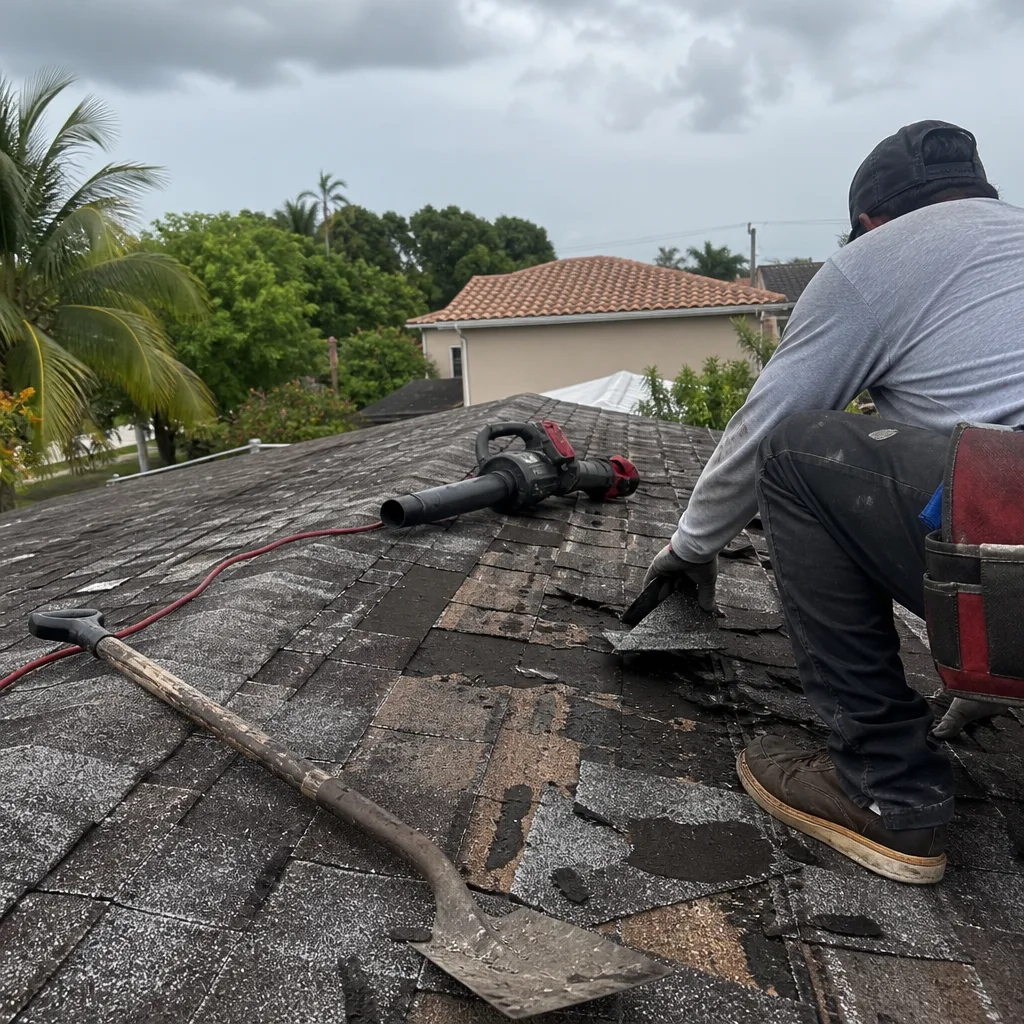 Before
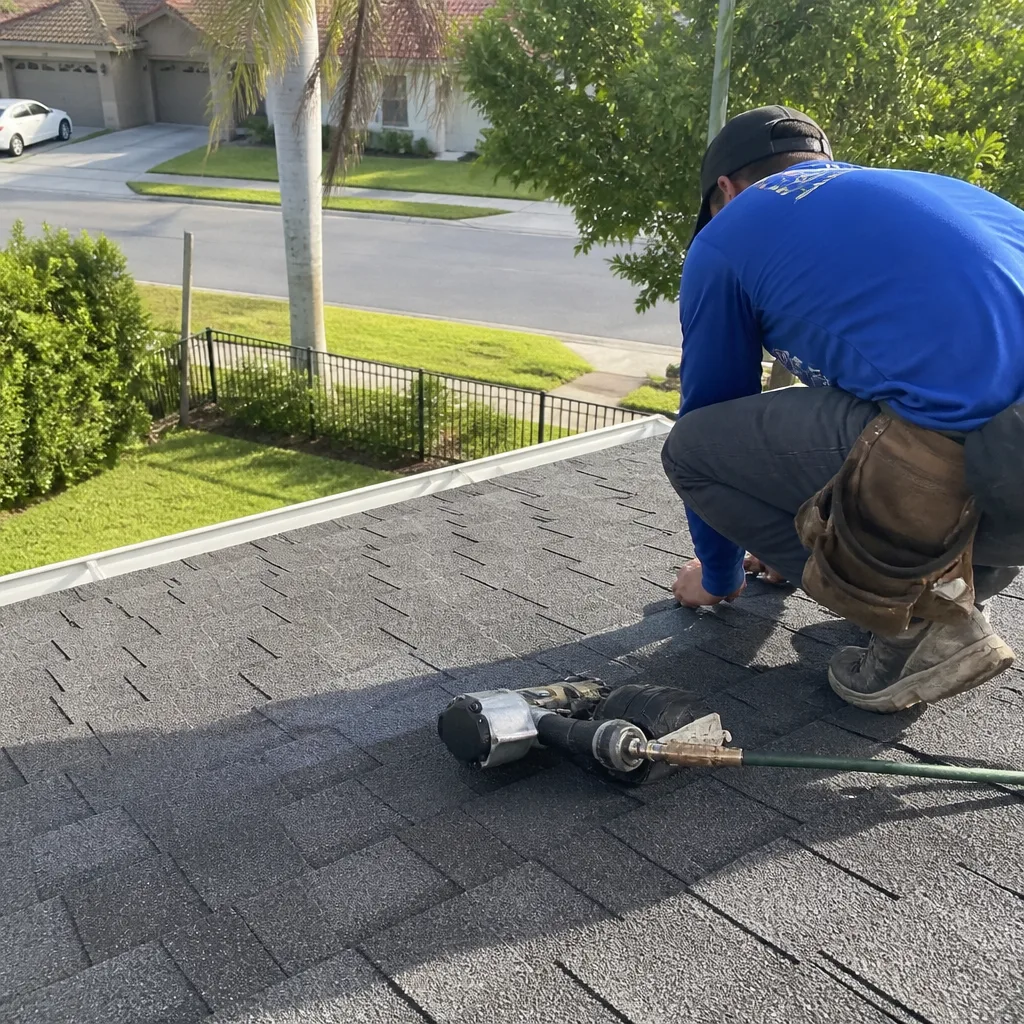 After
After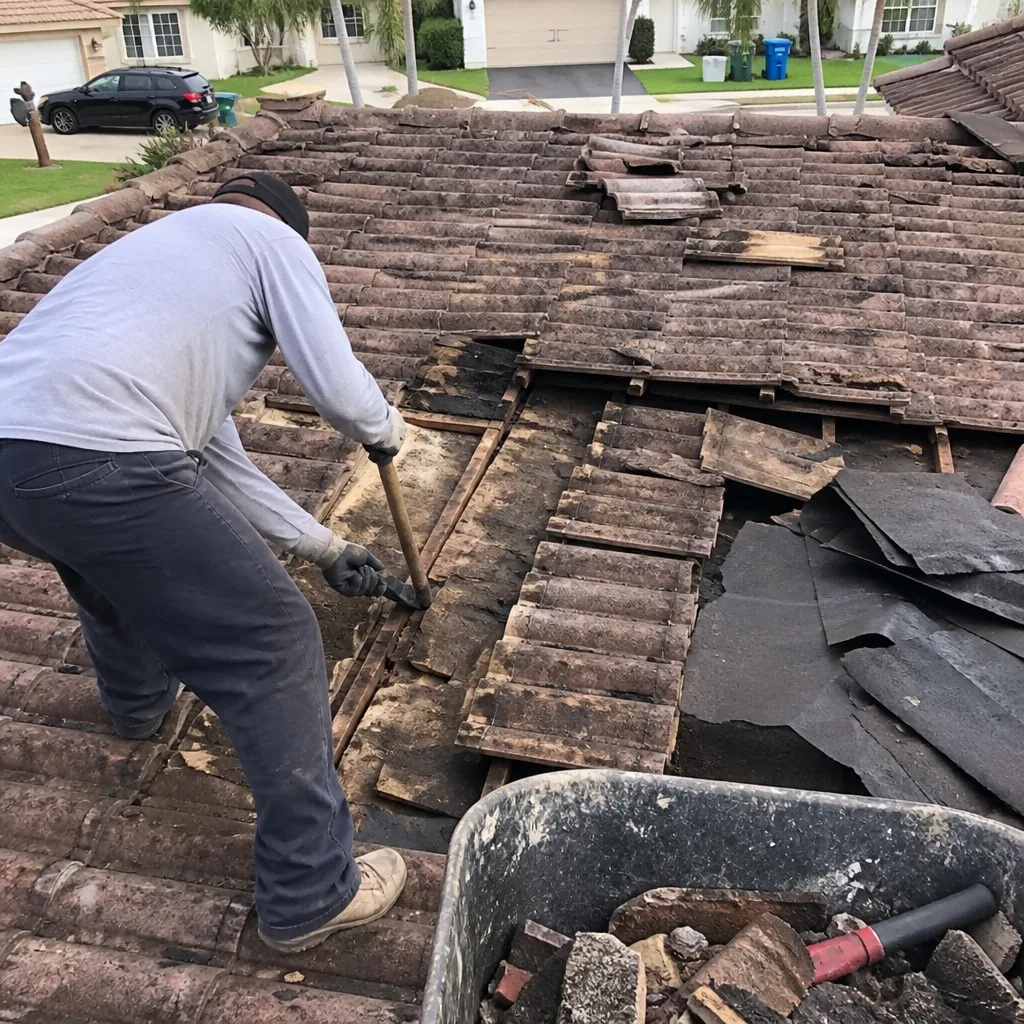 Before
 After
After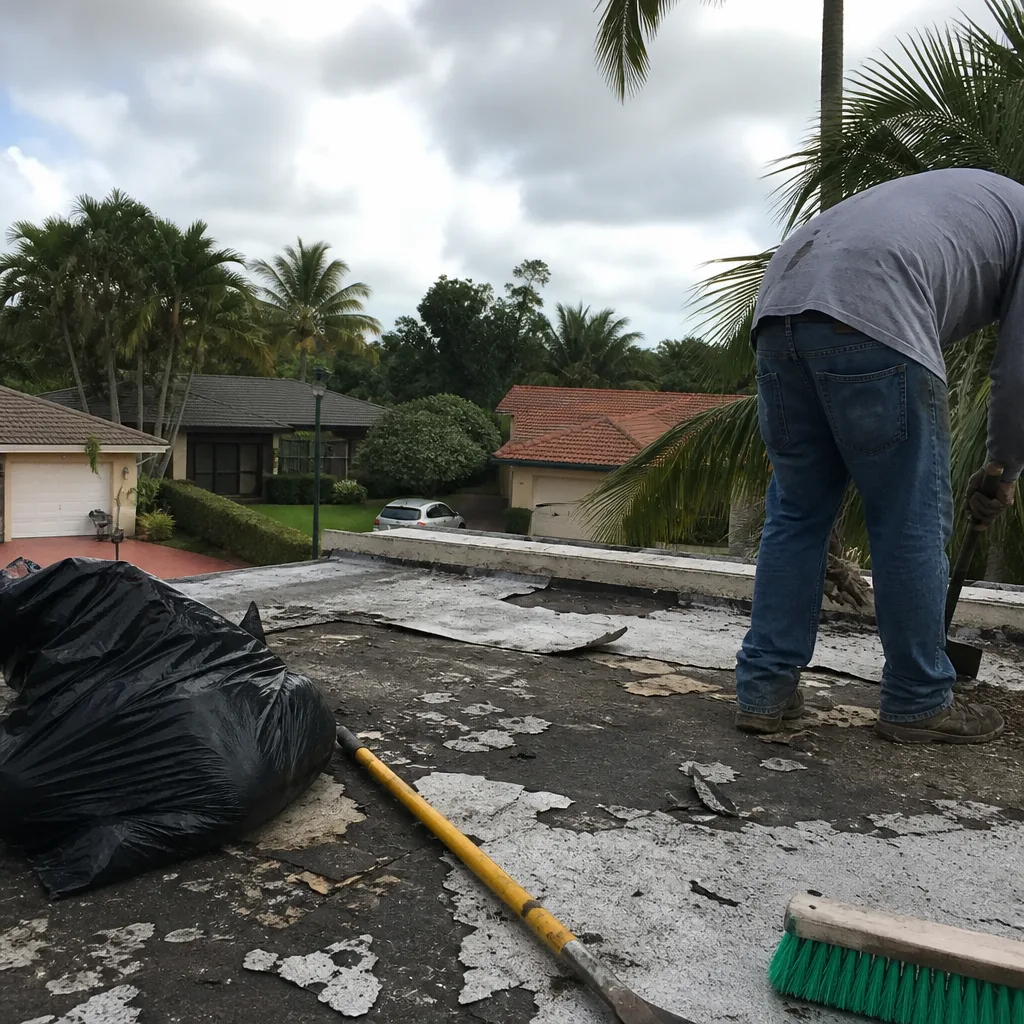 Before
 After
After