
Last updated October 17, 2026
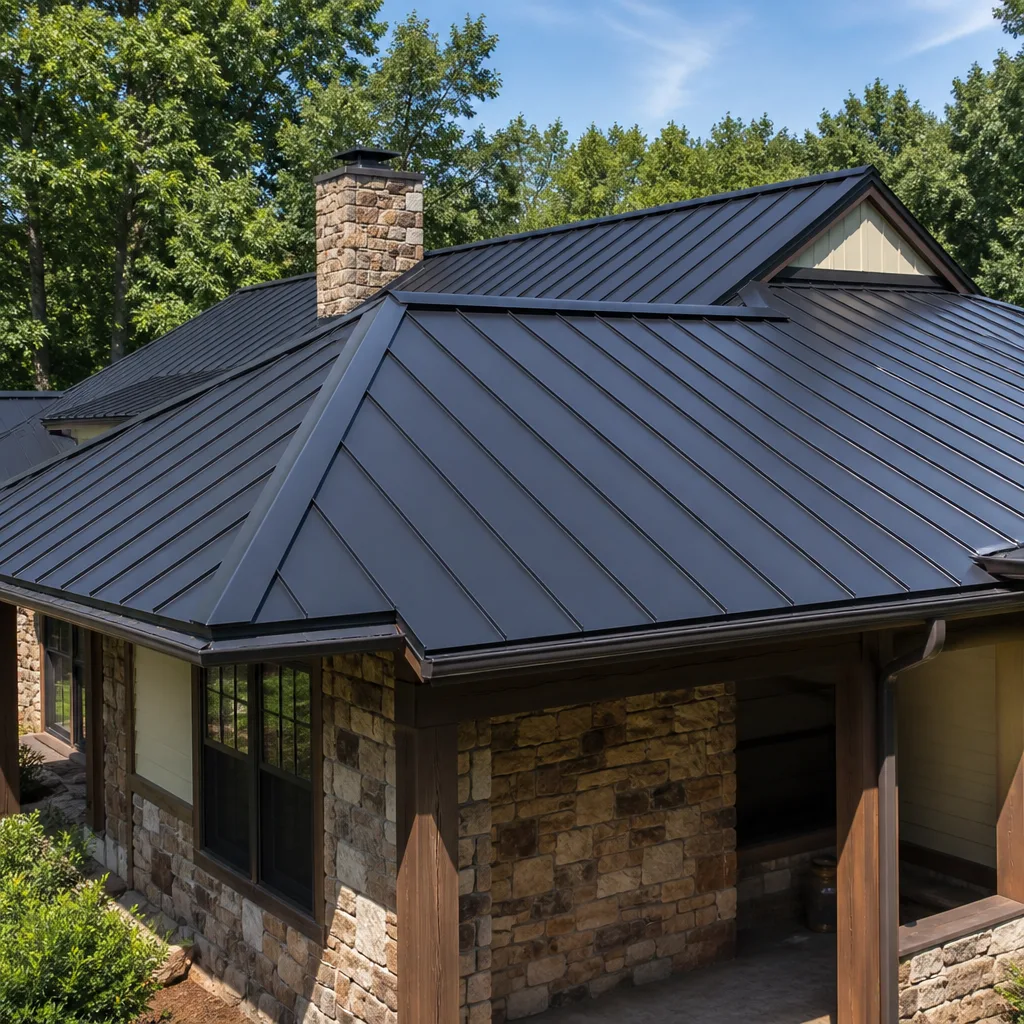 Metal roofing
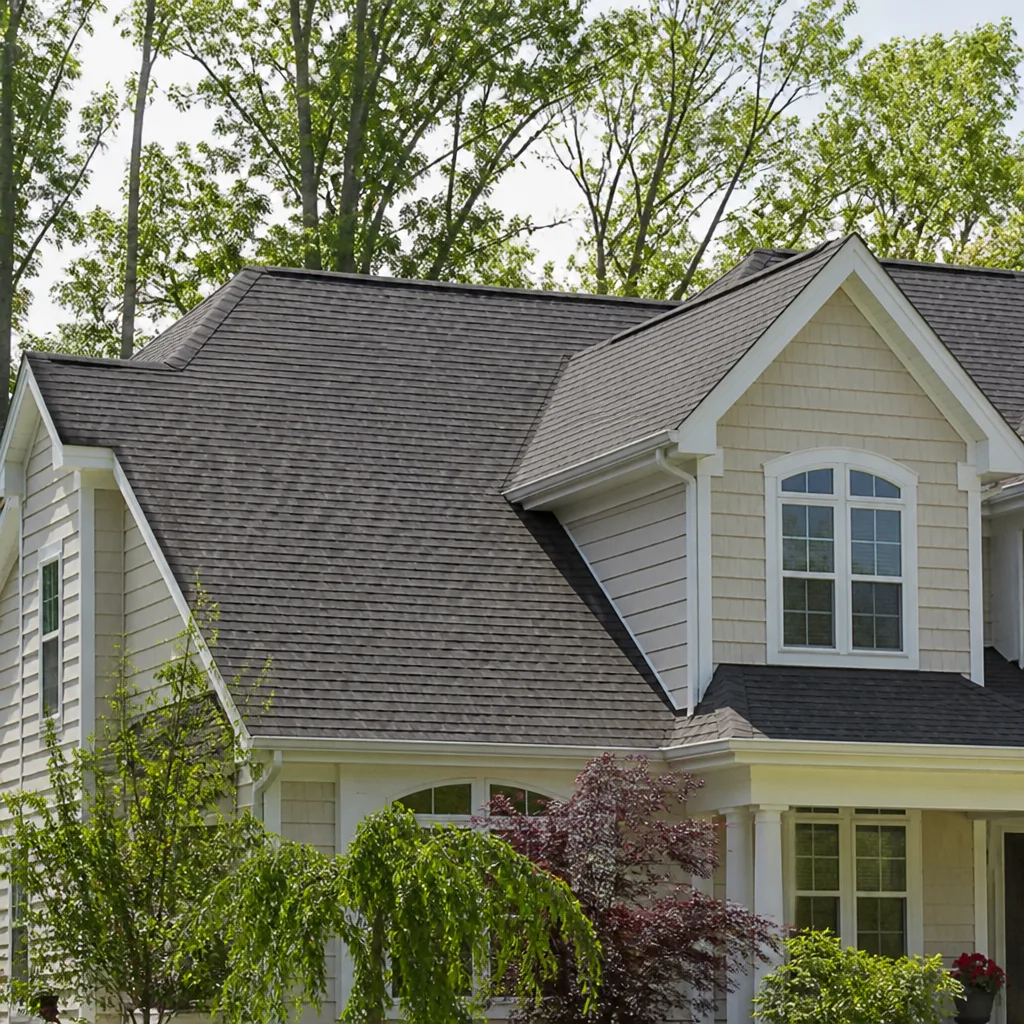 Architectural shingles
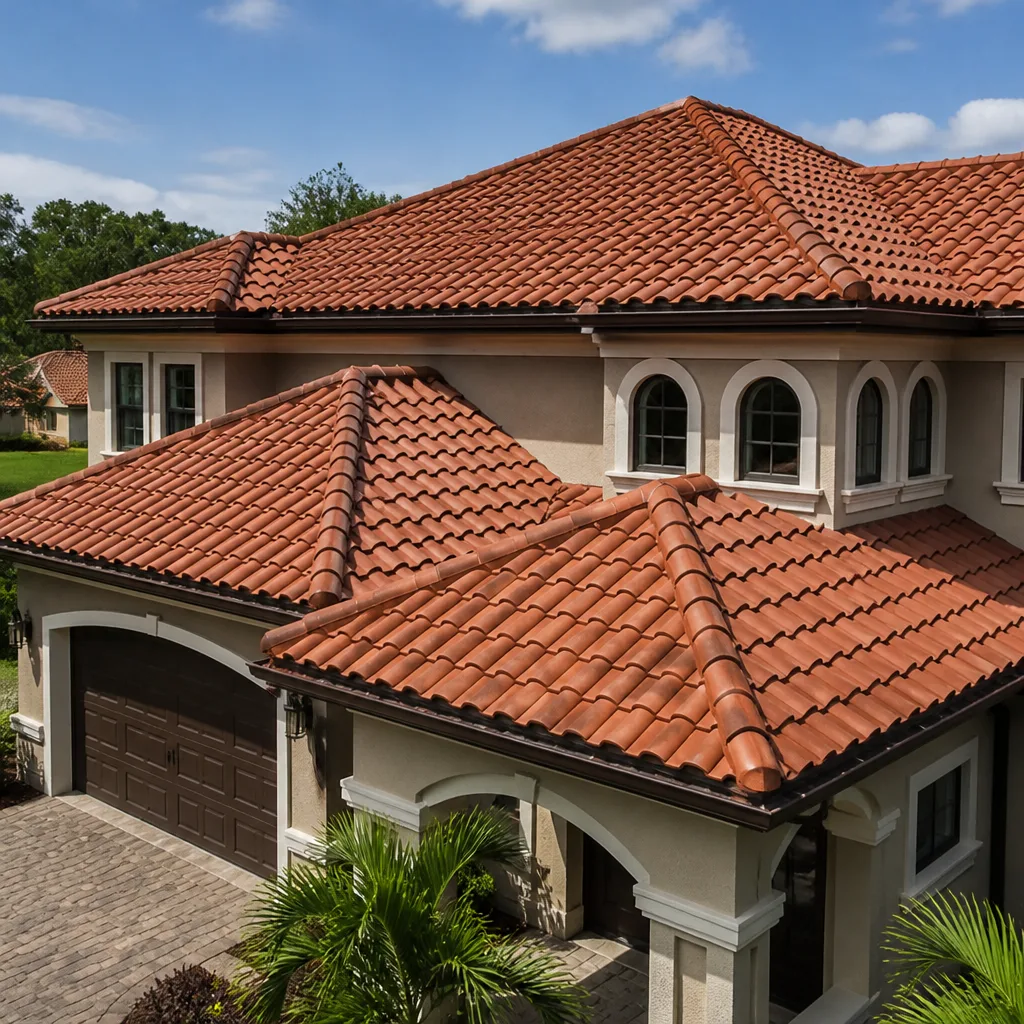 Tile roofing
 GAF
GAF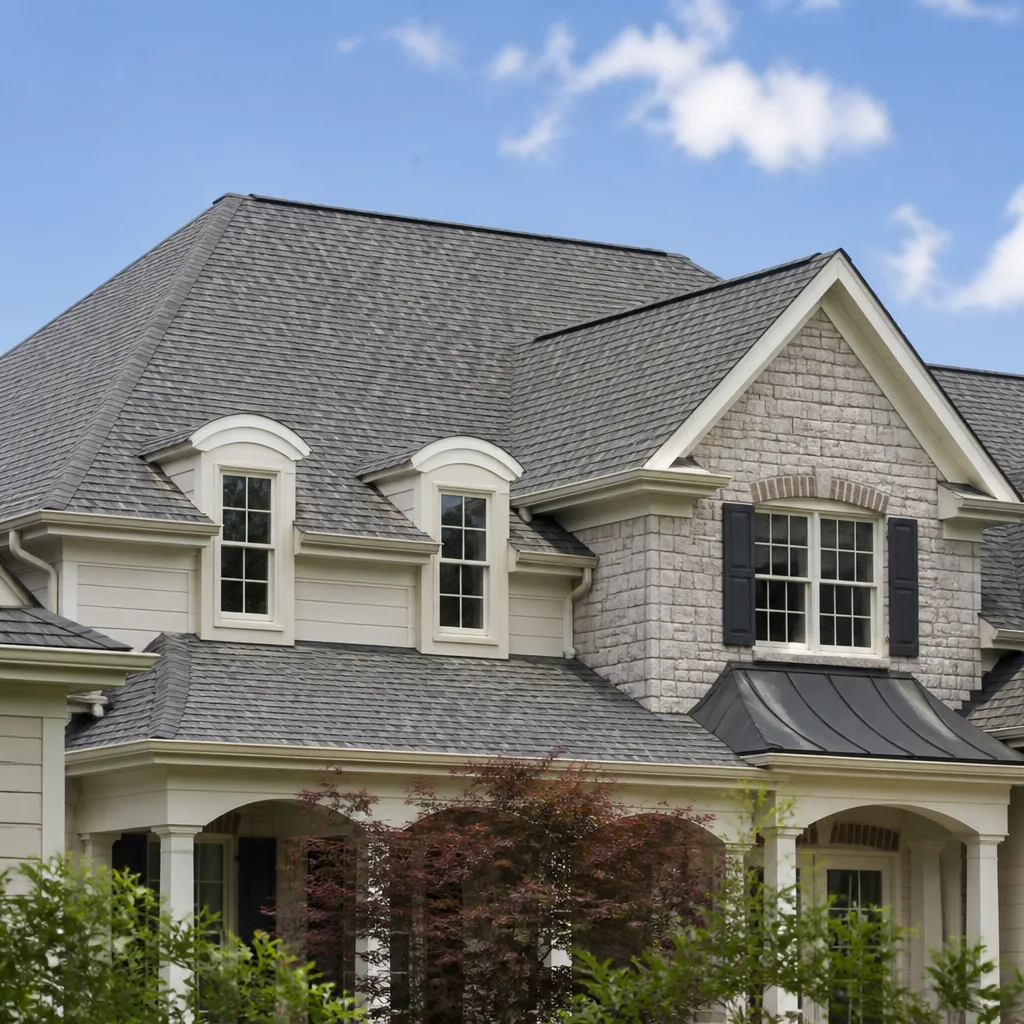 Owens Corning
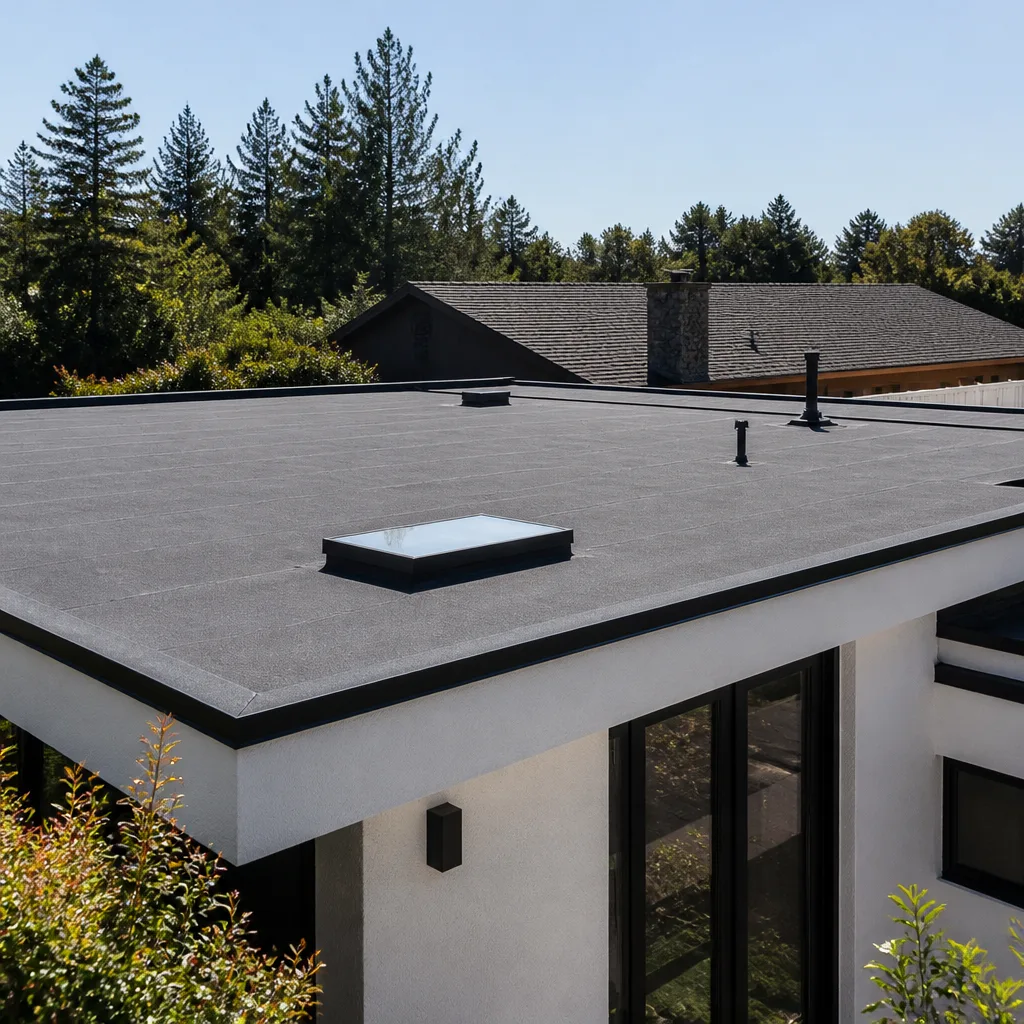 Flat & low-slope
Free roof inspection with deck photos before we talk money - GAF and Owens Corning certified installation
DIY vs Professional Roofing: The Miami Homeowner’s Decision Guide
Miami-Dade County sits inside a High-Velocity Hurricane Zone, which means your roof is not just a cover – it’s an engineered barrier subject to the strictest wind-uplift building codes in the continental United States. A DIY repair that would be unremarkable in Ohio becomes a legal and financial decision in Miami, because unpermitted work can void an insurance claim even when the repair itself holds up. This guide walks through what Florida law actually permits, what your insurance policy actually says, and which roofing tasks you can reasonably handle yourself in Miami without putting your coverage at risk. For more guidance on hiring a roofing contractor in Miami, see our step-by-step guide.
Styles & brands we work with
Quick Answer
For most Miami homeowners, the DIY-vs-professional decision is not about whether you can physically complete the work – it’s about whether the work will pass a Miami-Dade inspection and survive an insurance claim review. A roofing company maintenance checklist for Miami homeowners can help you track what needs professional attention. Minor tasks like replacing a single cracked tile or re-caulking flashing are reasonable DIY projects. Anything involving structural decking, flat membrane, or more than 25% of the roof area requires a permit and a licensed contractor under Florida Building Code, and doing it yourself can void your homeowner’s insurance coverage for that entire section of the home.
Table of Contents
- What Florida’s Owner-Builder Exemption Actually Allows
- The Three Categories of Roofing Work: DIY-Reasonable vs Liability-Creating
- Why Miami-Dade HVHZ Rules Change How Materials Get Installed
- The Insurance Policy Language Most Miami Homeowners Never Read
- The Three-Question Decision Framework
- What DIY Roofing Actually Costs in Miami When It Goes Wrong
- Common Mistakes to Avoid
- When to Call a Professional
- Frequently Asked Questions
- The Bottom Line
What Florida’s Owner-Builder Exemption Actually Allows
Florida Statute 489.103(7) contains what’s commonly called the owner-builder exemption. It says a homeowner can act as their own contractor on their own residence without holding a state contractor’s license. That sentence gets repeated on DIY forums as if it means “you don’t need a permit.” It does not mean that. Not even close.
The owner-builder exemption allows you to pull the permit in your own name instead of hiring a licensed contractor to pull it for you. You still need the permit. You still need to pass the same inspections. You still need to install materials that meet Miami-Dade County’s product approval requirements. The exemption removes the licensing requirement from the person doing the work – it removes nothing from the work itself.
Here’s what the exemption actually requires in Miami-Dade County:
- A permit application: filed with the Miami-Dade County Building Department, with drawings or specifications for the roofing work.
- Product approvals: every roofing material you install must carry a Miami-Dade County Notice of Acceptance (NOA) or Florida Product Approval. You cannot use a shingle or tile that is not on the approved list, even if it is sold at a local supply house.
- Two inspections: typically a dry-in inspection before the final roof covering goes on, and a final inspection after completion. Both must pass or the work is not legal.
- A signed disclosure: Florida law requires owner-builders to sign an affidavit stating they understand they are responsible for the work, including any construction defects, for a period of time that can extend years beyond the job.
We have seen Miami homeowners arrive at the permit office with a pile of receipts from a weekend roofing project, only to find out the materials they bought were not NOA-approved for Miami-Dade. The supply house sold them. The supply house did not check. The homeowner is now holding materials they cannot legally install. That is a $600 to $1,500 mistake before the first fastener goes in.
The Three Categories of Roofing Work: DIY-Reasonable vs Liability-Creating
Roofing is not one activity. It spans a range from “caulk a seam” to “remove and replace the entire roof system.” In our experience across Miami, homeowners get into trouble when they treat every roof task as if it belongs in the same category. It helps to sort the work into three buckets.
Category 1: Genuinely Reasonable DIY Tasks
These are the tasks where a careful Miami homeowner with basic tools can do acceptable work without a permit and without triggering insurance issues:
- Replacing a single broken barrel tile with a pre-cut matching tile from a Miami roofing supply house. Use the same profile, same color, and the same fastening method. One tile. Not a section.
- Re-caulking a small section of roof flashing around a pipe boot or chimney. Use a roofing-grade sealant rated for Miami’s UV exposure and thermal movement, not bathroom caulk. The wrong sealant fails within six months in this climate.
- Cleaning gutters and downspouts. This is maintenance, not roofing, but it gets lumped in because it happens on a ladder near the roof. Keep the ladder on solid ground, tie it off if you can, and do not stand on tile roofs – tile cracks under foot traffic, and a cracked tile in a high-traffic area leads to leaks.
- Visual inspections from the ground or from a ladder at the eaves, after a storm. You are looking for lifted shingles, displaced tiles, dented flashing, and debris dams. You are not walking the roof.
None of these tasks require a permit under Miami-Dade rules, none of them alter the roof’s engineered wind-uplift system, and none of them should trigger an insurance exclusion. That last part matters more than most people realize.
Category 2: Work That Creates Real Liability
These are the tasks that get Miami homeowners into insurance disputes, failed inspections, and redo costs:
- Any repair touching more than 25% of the roof area. Under Florida Building Code, replacing more than 25% of the roof covering within a 12-month period triggers a requirement to bring the entire roof up to current code. That means a partial re-roof can legally obligate you to re-roof everything, with all the HVHZ fastener requirements that entails. Most homeowners do not know this until the inspector points it out.
- Any structural deck repair. If a section of plywood or OSB decking is soft, rotted, or delaminated, you are now working on the structural roof diaphragm. That is not a cosmetic issue. Miami-Dade’s wind load requirements mean the decking is part of the uplift resistance system, and a repair that does not meet the nailing pattern in the approved plans can be called out as a code violation.
- Any flat or low-slope membrane work. Modified bitumen, TPO, PVC, or built-up roofing on a flat section of a Miami home requires heat welding or torching, precise seam detailing, and knowledge of how the membrane ties into the parapet walls and drains. A seam that looks sealed to the eye can delaminate under Miami’s standing water and UV load within a year. By the time you see the leak inside the house, the repair has already failed.
- Any tile work beyond a single tile replacement. Tile roofs in Miami-Dade are installed to specific engineering values: fastener type, fastener length, fastener placement, underlayment type, underlayment overlap, and the uplift rating of the entire assembly. Remove a section of tile and you have disturbed the system. Reinstalling tile “the way it looked before” does not mean it meets the uplift testing that the original installation was required to pass.
Category 3: Work That Is Never DIY
There is a short list of roofing situations in Miami where a professional is not a preference – it is the only legal and safe option:
- Full roof replacement. This is not a weekend project under any reading of the Florida Building Code. It requires a permit, engineered or specified fastener patterns, and an inspection sequence.
- Any work requiring a tie-down inspection or uplift rating verification. If your roof was built before the 2002 Florida Building Code adoption, your attachment may not meet current standards. A re-roof may require adding fasteners to the truss-to-wall connection. That is structural work, not roofing work.
- Work on a roof that is part of a multi-unit building. Condo and townhouse roofs are common property, governed by association rules and sometimes by different code requirements. An individual unit owner does not have the authority to alter common roofing.
- Anything involving electrical components like heating cables, solar panels, or roof-mounted equipment disconnects.
- Any repair on a roof over two stories where fall protection would be required. Miami has plenty of two- and three-story homes in neighborhoods like Coral Way, Shenandoah, and Coconut Grove. A fall from a two-story roof is not a minor injury. It changes lives, and it changes families.
Why Miami-Dade HVHZ Rules Change How Materials Get Installed
Miami-Dade County and Broward County sit inside the High-Velocity Hurricane Zone, a designation created after Hurricane Andrew in 1992 exposed how badly South Florida roofing had been installed for decades. The HVHZ has its own section of the Florida Building Code, and it governs things that no other county in Florida has to think about.
What this means for a DIY roofer is simple: the fastener is not a matter of opinion. On a tile roof in Miami, the number of tiles fastened, the type of fastener, the placement of the fastener through the tile, and the torque on the screw are all specified values that come from engineering uplift calculations. A tile that is under-fastened will come off in a Category 2 storm. A tile that is over-driven can crack. Both failures are visible to a Miami-Dade inspector who has seen thousands of them.
The underlayment is not optional. In the HVHZ, the underlayment is the waterproofing layer, and it has specific requirements for material type, thickness, lap, and attachment. On a tile roof in Miami, the underlayment does the actual water-shedding work; the tile is the wear surface and the aesthetic layer. A DIY patch that skips or cheapens the underlayment creates a leak pathway even when the tile looks correct from the street. We have torn off DIY patches in neighborhoods like Kendall and Westchester where the homeowner had installed tile directly over rotted underlayment, and the leak had been active for months before anyone noticed the ceiling stain.
Material brands that meet HVHZ standards include CertainTeed, Owens Corning, IKO, and Atlas, among others. But the brand is only half the story. A CertainTeed shingle installed with the wrong nail pattern fails in the same wind event as a generic shingle. The code cares about the assembly, not the logo. That is the single biggest misunderstanding we see among Miami homeowners who are evaluating materials. They compare brands. The inspector compares fastener schedules.
If you want to see the actual requirements, Miami-Dade County publishes its roofing inspection checklists online, and the Florida Building Code is free to read. The checklists are not written for homeowners. They reference uplift pressures, exposure categories, and fastener pattern tables. That should tell you something about the nature of the work.
The Insurance Policy Language Most Miami Homeowners Never Read
Florida homeowner insurance policies are not friendly documents. They are written to limit the insurer’s payout, and they contain exclusion language that most policyholders never see until a claim is denied. The relevant section for DIY roofing is usually titled “Maintenance of Insured Property” or “Concealment or Fraud,” and it says something close to this: the policyholder must take reasonable steps to maintain the property, and the insurer may deny a claim if loss results from improper maintenance, unpermitted alterations, or repairs not made in accordance with applicable building codes.
Read that last clause again. Not made in accordance with applicable building codes. That means a DIY repair that would pass a visual inspection from the street can still be the basis for a claim denial if it was never permitted, never inspected, and never documented as code-compliant. The denial does not happen because the repair leaked. It happens because the repair existed without a paper trail.
Here is the scenario we hear about most often in Miami. A homeowner patches a small section of tile after a storm. The patch works, or seems to. Two years later, a different storm lifts the entire roof section, water gets in, and the homeowner files a wind damage claim. The adjuster finds the previous patch, asks for the permit, and there is no permit. The claim is denied under the policy’s “improper repairs” exclusion. The homeowner is now paying for a full roof replacement out of pocket, in Miami, where a tile roof replacement on a 2,000-square-foot home typically runs between $18,000 and $32,000 depending on tile type, deck condition, and attachment upgrades.
The same logic applies to the “owner-builder” route. If you pull an owner-builder permit and do the work yourself, Florida law may require you to disclose that fact when you sell the home. Some insurers will not write a new policy on a home with owner-builder roof work unless it passes a specific inspection. The savings from doing the work yourself can become a liability on resale. That is not a theoretical concern in Miami, where the real estate market moves fast and buyers’ insurers are looking for reasons to decline coverage.
Tilehurst Roofing Miami follows a simple rule on this. Every repair we complete gets a written guarantee before the crew leaves, and every job that requires a permit gets a permit. There is no exception offered and no exception asked for, because the savings from skipping the permit in Miami evaporate the first time an insurer asks for documentation. You can read more about our approach on our Roof Repair in Miami page.
The Three-Question Decision Framework
Before you climb a ladder or open a caulk tube, ask yourself three questions. They take five minutes to answer and they will tell you which bucket your project falls into.
- What is the actual scope? Be honest about the square footage. A single tile is one thing. A 10-foot-by-10-foot section is 100 square feet, and on a 2,000-square-foot roof, that is only 5% of the total. But Miami-Dade’s 25% rule is cumulative over 12 months. If you repaired another section six months ago and another section last year, you may be approaching the threshold without realizing it. Map out everything you have touched on the roof in the last 12 months, not just this weekend’s project.
- What does your insurance policy actually say? Open the policy document. Search for “maintenance,” “improper repairs,” “unpermitted,” and “alterations.” If you find exclusion language, you have your answer for anything beyond Category 1 work. If you do not understand the language, call your agent and ask a direct question: “If I do this repair myself without a permit and the roof later fails for a different reason, will my wind claim still be covered?” Get the answer in writing if you can. An email counts.
- Would the savings survive a redo? Calculate the genuine cost of the DIY job: materials, your time, tool rental, and the risk of doing it twice. Then compare it against a written professional estimate. If the DIY savings are less than the cost of a single redo – and in Miami, a redo after a failed inspection or an insurance denial is often more expensive than the original repair – then the DIY route is not actually cheaper. It is just deferred spending.
If you can answer all three questions and still land on DIY for a Category 1 task, go ahead. If any answer is unclear, call a professional and ask for a written estimate. Tilehurst Roofing Miami provides a written price before any work starts, every time, with no negotiation games. That is the standard our Tilehurst Roofing Miami home team has committed to under the Kingswell Guarantee.
What DIY Roofing Actually Costs in Miami When It Goes Wrong
Let’s put real numbers to this. The costs below are based on the Miami market in 2025 and 2026, and they reflect what homeowners actually pay when a DIY project goes sideways. For a complete roofing cost breakdown: the Miami homeowner’s reference for 2026, see our detailed pricing guide.
| Scenario | Typical Cost Range in Miami | What Happened |
|---|---|---|
| DIY single tile replacement, done correctly | $30 – $75 | Tile, sealant, an hour of time. No permit needed. Job done. |
| DIY single tile replacement, done incorrectly on a second-story roof | $1,800 – $4,500 | Cracked a second tile walking on the section, then paid a pro to fix both plus replace damaged underlayment. |
| DIY flashing patch with the wrong sealant | $0.50 for the caulk, then $600 – $1,400 six months later | Caulk failed in Miami’s UV. Leak developed. Professional re-flash required. |
| DIY repair over 25% threshold without a permit | $8,000 – $20,000+ | Insurance claim denied due to unpermitted work. Full code-compliant re-roof required out of pocket. |
| Failed owner-builder inspection | $2,500 – $7,500 | Materials were not NOA-approved. Replaced with approved materials and re-did the work. |
| Professional minor repair with written guarantee | $350 – $900 | Permitted where required, inspected, covered by written guarantee. If it fails inside the guarantee period, the crew returns at no charge. |
The pattern is not subtle. The smallest mistakes on a Miami roof carry four-figure price tags. The biggest mistakes carry five-figure price tags. And the professional option in the last row comes with the one thing no DIY job can include: a written guarantee that someone else will fix it if it fails. Tilehurst Roofing Miami puts that guarantee in writing on every repair, and if a repair fails inside the guarantee period, our crew returns at no charge under the 365-Day Done Right Promise. That is not a premium add-on. It is the floor for how we operate, and you can see more of that approach on our Roofing Company in Miami page.
Common Mistakes to Avoid
- Assuming a supply house sale is code approval. Miami supply houses sell products that are not NOA-approved for Miami-Dade use. They are for Broward, or for non-HVHZ counties, or for interior applications. Check the product approval yourself before buying.
- Using the wrong sealant. Bathroom caulk and general-purpose silicone fail in Miami’s UV and thermal cycle. You need a roofing-grade sealant rated for exterior exposure, and you need to apply it to clean, dry surfaces. Half the flashing repairs we see are re-dos of failed DIY caulk jobs.
- Walking on tile like it’s a sidewalk. Barrel tile and flat tile crack under concentrated foot traffic. A homeowner walking a tile roof to inspect it can cause more damage than the storm did. If you need to access the roof, use a ladder at the eave or call someone who has the right equipment.
- Treating “25% in 12 months” as a guideline instead of a rule. This is a Miami-Dade code trigger, not a suggestion. Repairs that push past 25% of the roof area require bringing the full roof to current code. Homeowners who discover this during an inspection are facing a full re-roof they did not budget for.
- Skipping the permit to save $300. The permit fee is not the expensive part of a roof job. The expensive part is what happens when there is no permit and something goes wrong later. An unpermitted repair is an insurance exclusion waiting to happen.
- Believing “the inspector will catch it” is a safety net. Miami-Dade inspectors are checking for code compliance, not for whether the work was done by a competent DIYer. A repair that fails inspection does not get a list of helpful suggestions. It gets a stop-work order and a redo requirement. You paid twice.
- Doing the work yourself to save money, then paying a pro to redo it. This is the most common outcome for Category 2 DIY work in Miami. The homeowner spends a weekend and $400 on materials. The redo costs $2,500 because the original work has to be removed first. The savings were negative from the start.
When to Call a Professional
If your roof work touches more than a single tile or a small flashing seam, call a professional before you start. Specifically, call a professional if the repair involves structural decking, flat membrane, more than 25% of the roof area, any area where the underlayment is exposed or damaged, or any work on a roof you cannot safely access from a ladder. If your insurance policy has exclusion language around unpermitted work – and most Florida policies do – treat that as a hard stop on DIY beyond the simplest tasks. Tilehurst Roofing Miami offers free estimates in Miami – call (850) 613-1762 and we will give you a written price before any work starts. No pressure, no games, just the number in writing.
Frequently Asked Questions
Yes, for most roofing work beyond a single tile replacement or minor flashing caulking. Miami-Dade County requires permits for any roof repair that involves removing and replacing roofing material over an area that triggers the code’s permit threshold, and the Florida owner-builder exemption does not eliminate the permit requirement – it only allows you to pull the permit in your own name. Call (850) 613-1762 if you are not sure whether your specific project needs a permit.
Yes, under what is called the owner-builder exemption, a homeowner can act as their own contractor on their own residence without a state contractor’s license. But you still need a permit, you still need Miami-Dade-approved materials, you still need to pass inspections, and you still carry the legal responsibility for defects for years afterward. The exemption removes the license requirement, not the work requirement.
Under the Florida Building Code, if you replace more than 25% of the roof covering within a 12-month period on a home in Miami-Dade, you must bring the entire roof up to current code standards. That means partial repairs that add up past the threshold can legally obligate you to a full re-roof with all current HVHZ fastener and underlayment requirements.
Yes. Standard Florida homeowner policies contain exclusions for loss resulting from improper repairs, unpermitted alterations, or work not completed in accordance with applicable building codes. A claim can be denied even if the DIY repair was not the direct cause of the loss, because the mere existence of unpermitted work can trigger the exclusion language. This has happened to Miami homeowners who patched a small section after a storm and later had a larger wind claim denied.
Every roofing product installed in Miami-Dade must carry a Miami-Dade County Notice of Acceptance (NOA) or an equivalent Florida Product Approval. Major manufacturers including CertainTeed, Owens Corning, IKO, and Atlas make products that are approved for HVHZ use, but the approval is product-specific – not every product from an approved manufacturer is approved for every application. Verify the specific product approval before buying.
Minor professional repairs in Miami typically run $350 to $900 for work like flashing replacement, small section repairs, or single-tile replacement with documentation. Larger repairs that require permits and multiple inspections run $1,500 to $5,000 depending on scope. A full roof replacement on a Miami home typically runs $18,000 to $32,000 depending on material, deck condition, and whether attachment upgrades are required. Call (850) 613-1762 for a free estimate with a written price before any work starts.
The Bottom Line
The DIY-vs-professional decision in Miami is not really about roofing skill – it is about legal exposure. Florida’s owner-builder exemption lets you act as your own contractor, but it does not let you skip permits, inspections, or Miami-Dade’s HVHZ material requirements. Your insurance policy contains language that can turn an innocent DIY patch into a denied wind claim years later. The reasonable DIY tasks are small: a single tile, a caulk seam, a gutter cleaning. Everything else belongs in the hands of a licensed professional who carries the permit, passes the inspection, and puts the guarantee in writing. That is the standard Tilehurst Roofing Miami operates under – a written price before work starts, a written guarantee on every repair, and a live person answering every call, 24/7. If you are not sure which category your project falls into, call (850) 613-1762 and ask. You will get a straight answer and a written estimate. For more guides & resources on Miami roofing, visit our blog. straight answer, not a sales pitch.
Written by Greg Holloway, Owner at Tilehurst Roofing Miami, serving Miami since 2000.
See the difference
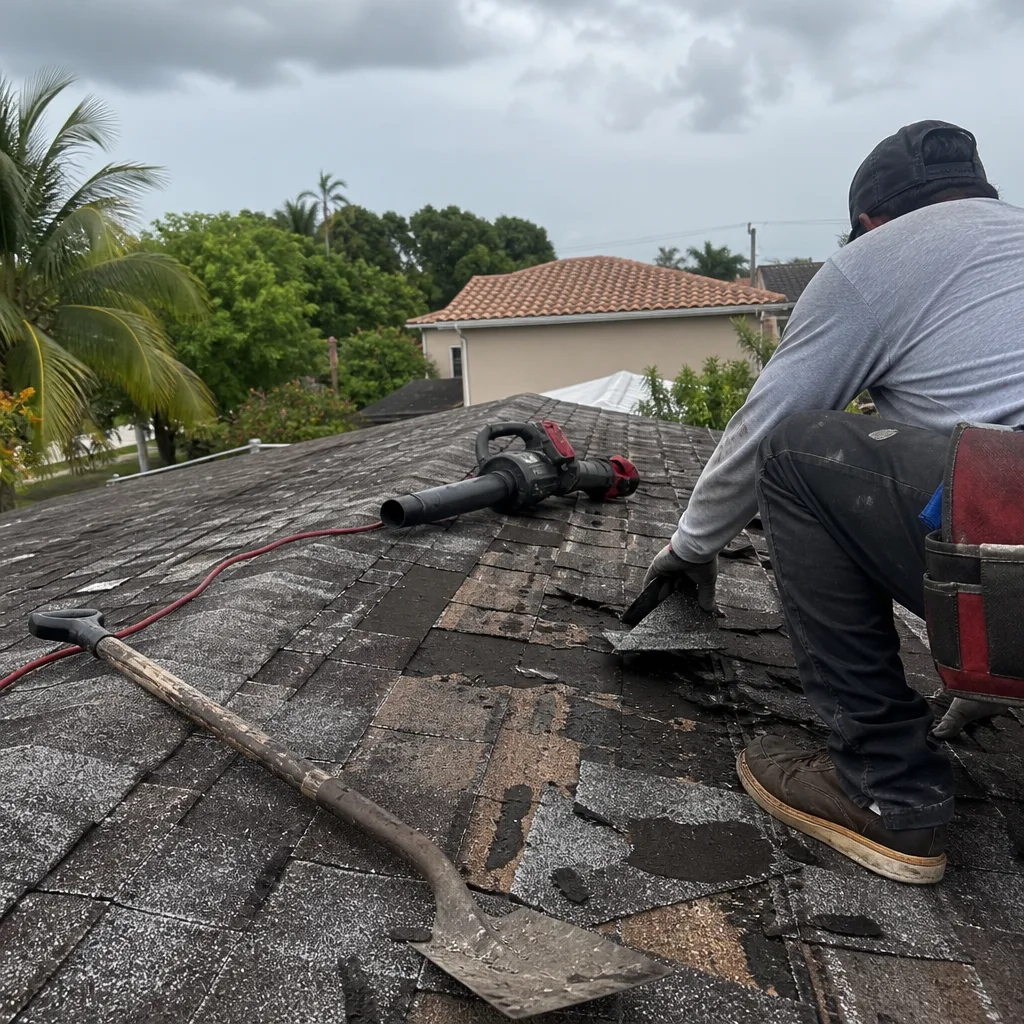 Before
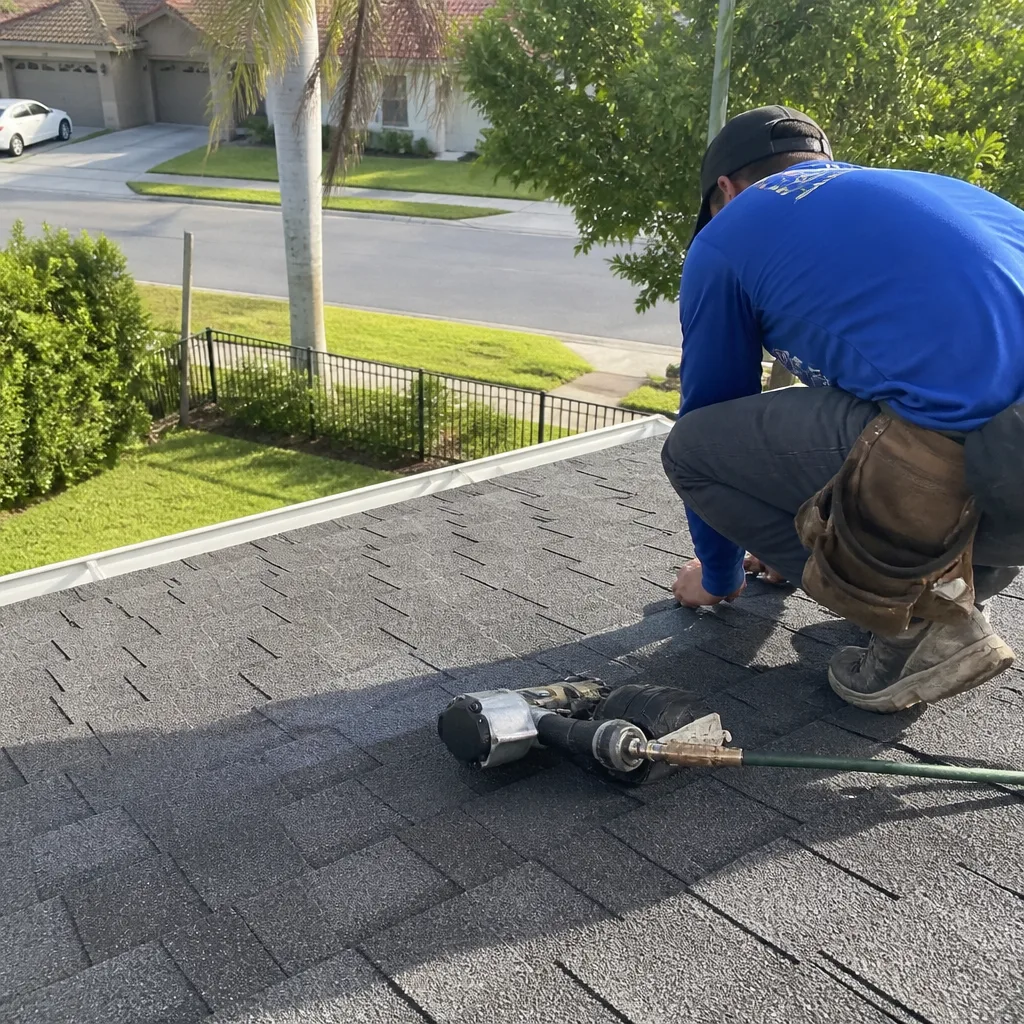 After
After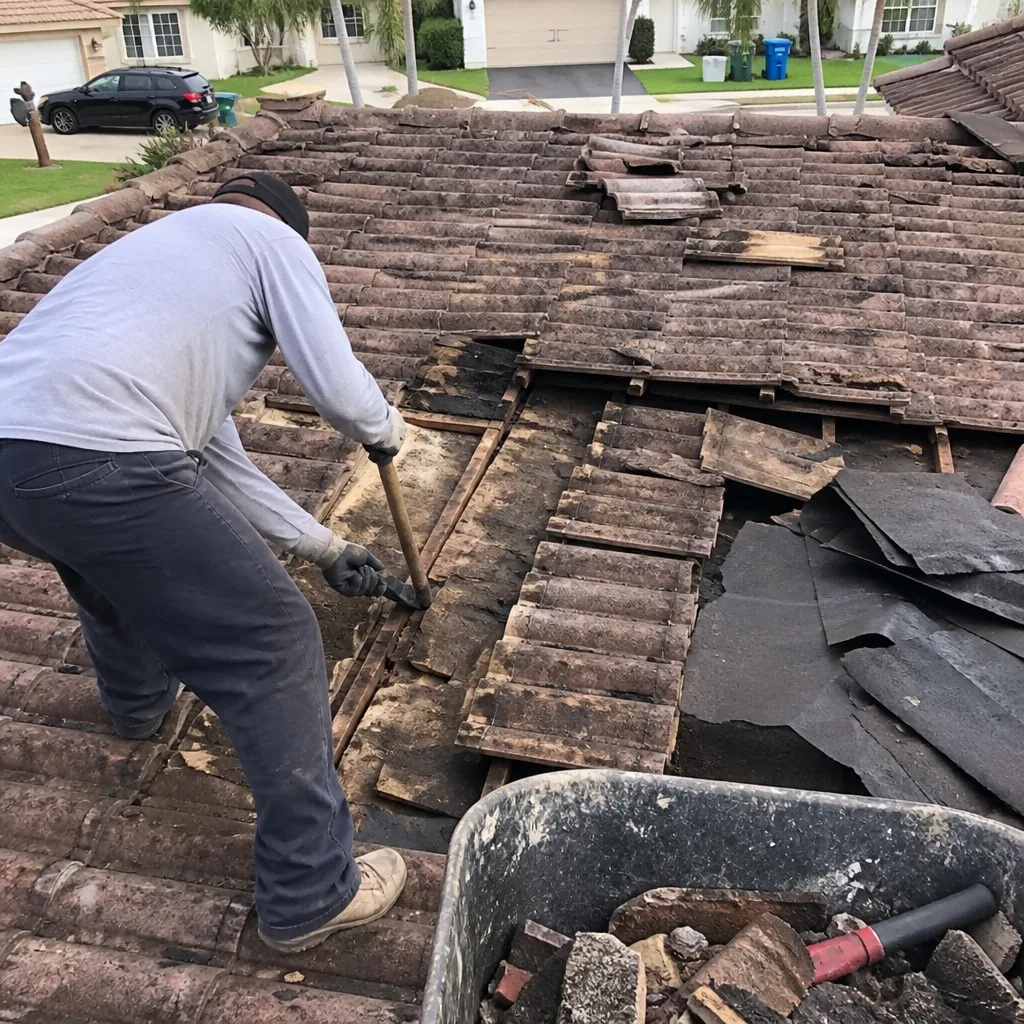 Before
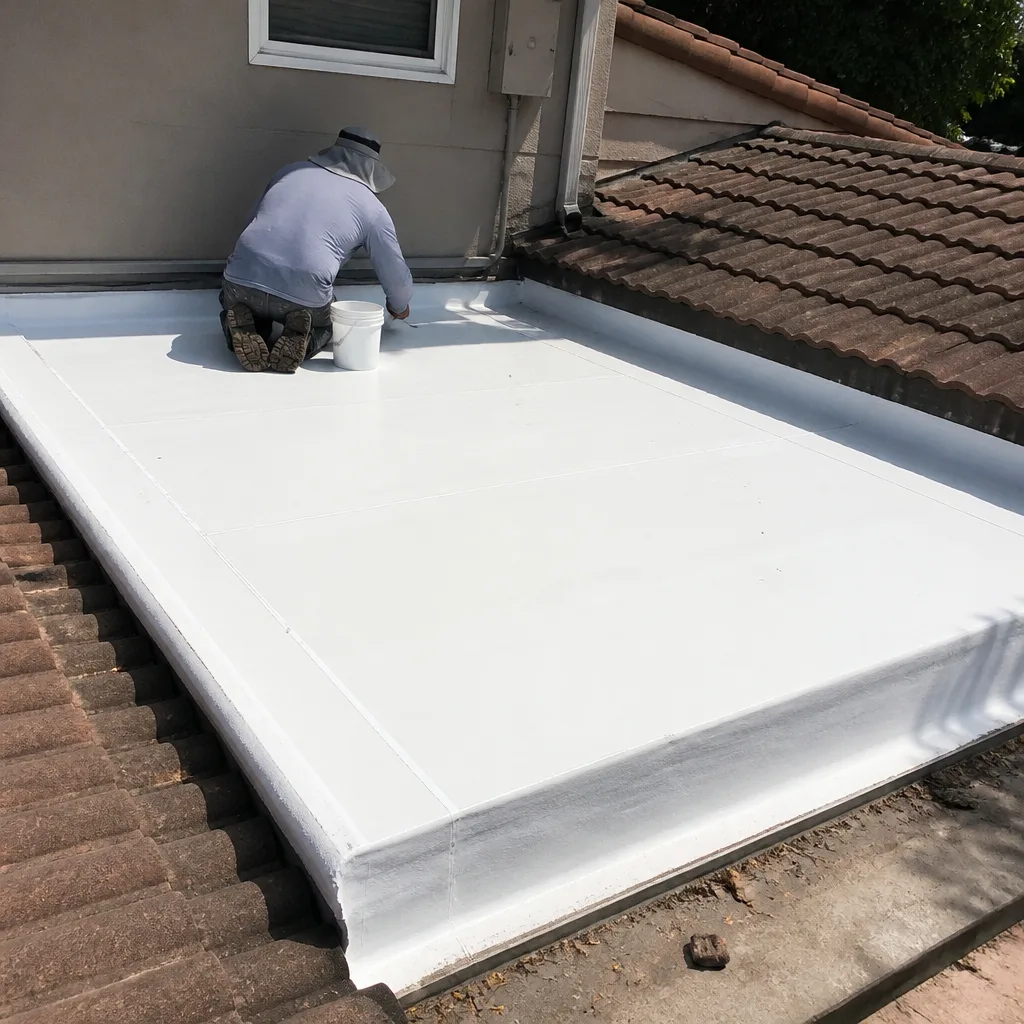 After
After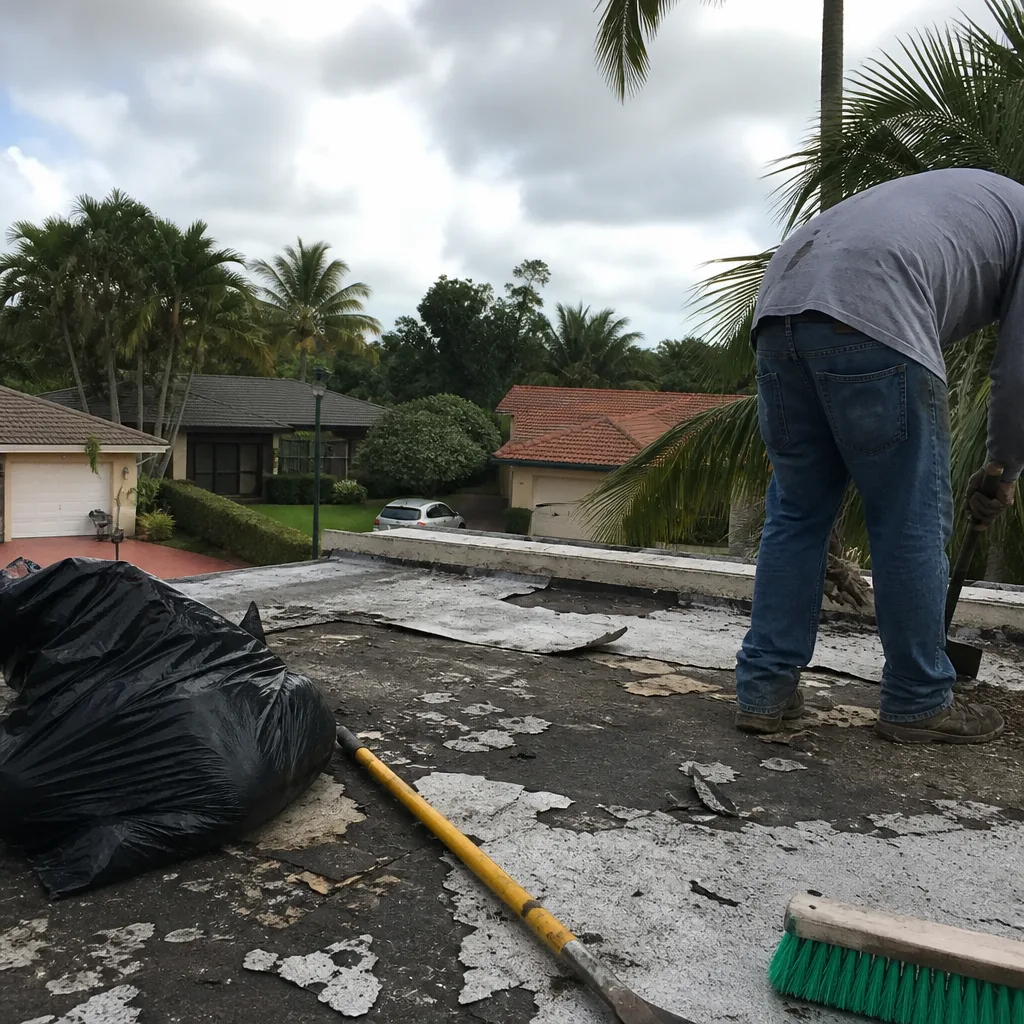 Before
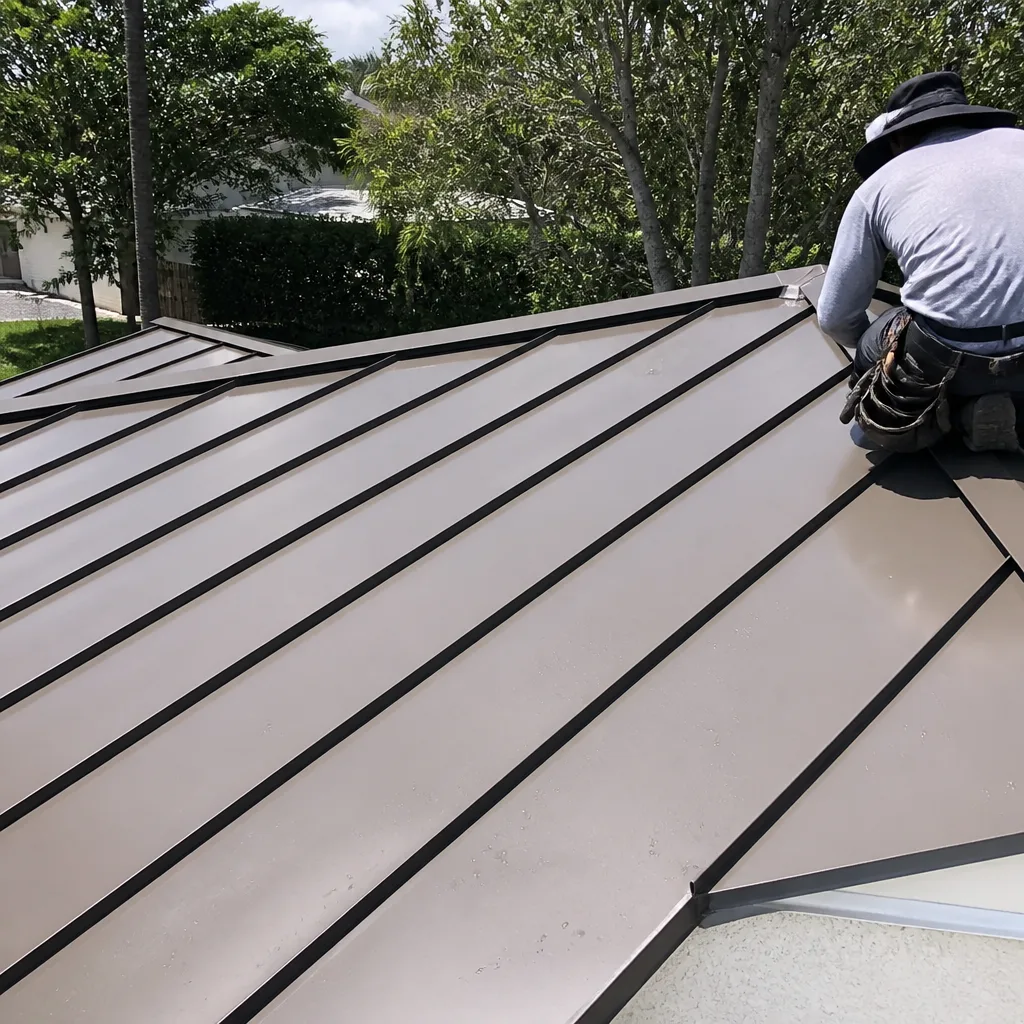 After
After